English

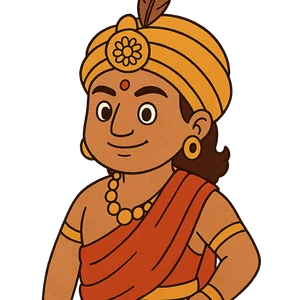
Ashoka the Great
Ashoka the Great was the third emperor of the Mauryan Empire in ancient India who…
Reads at Grades 3–5 Listens at Grades 1–5
Print & create
Answer keys·No prep·Free with an account
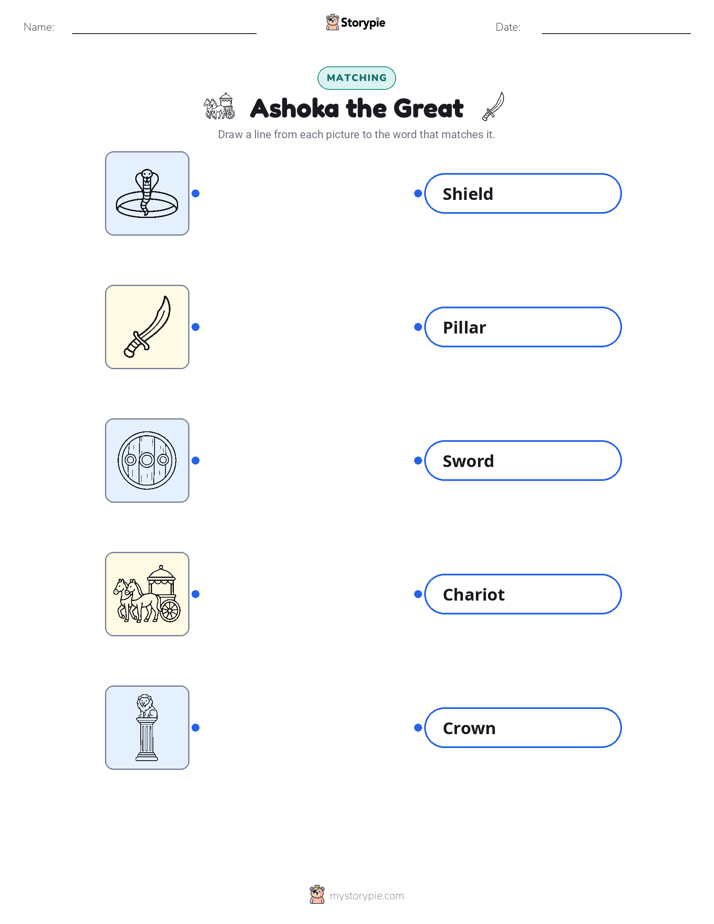
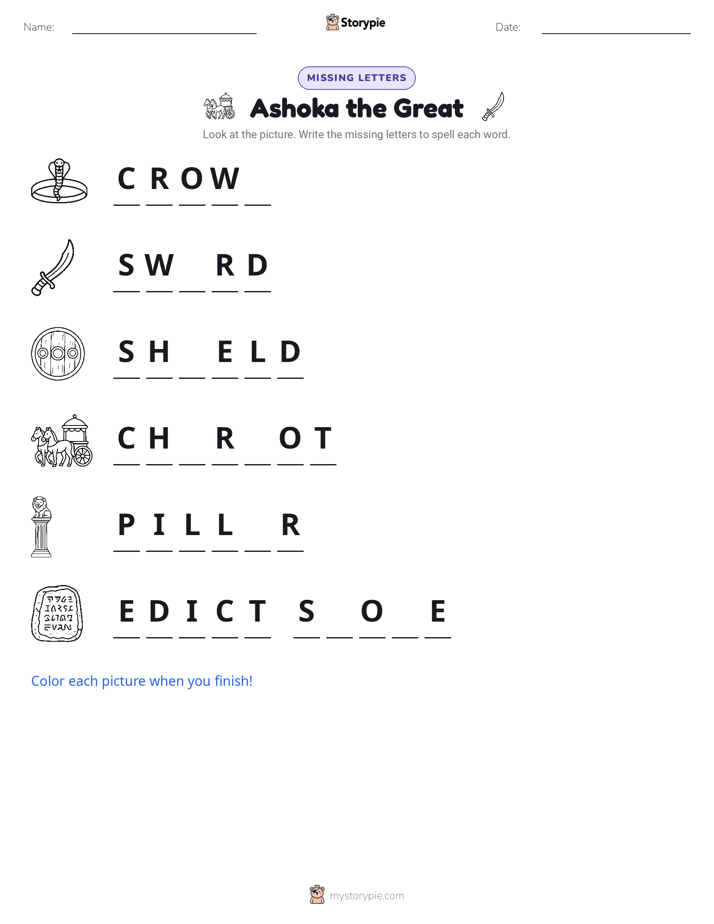
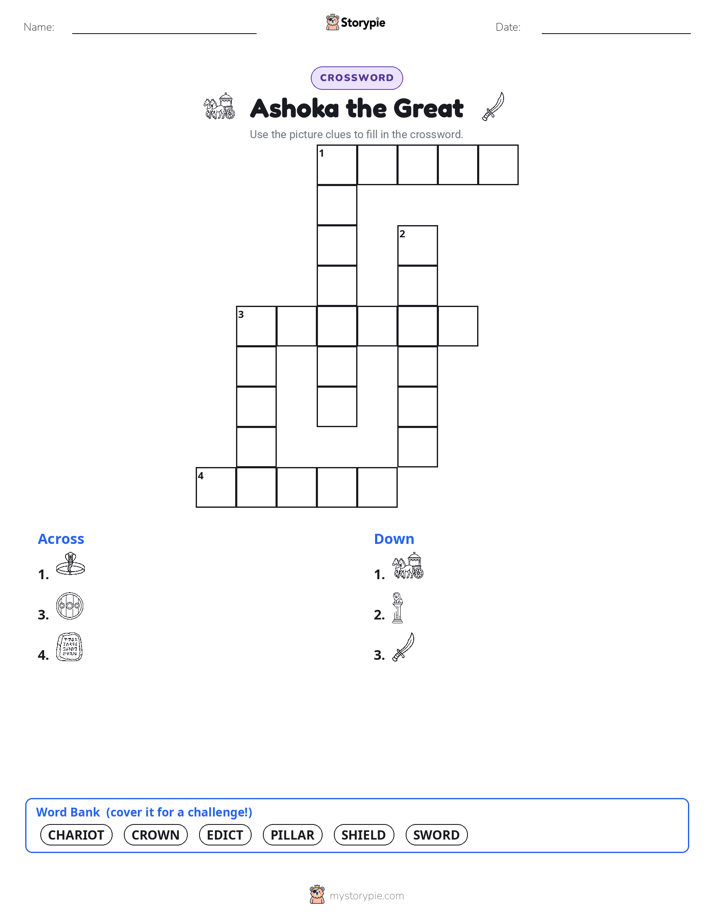
28 worksheets · answer keys · full story · quiz · Ages 8-10 · CEFR B1
Plus adds 102,000+ more stories in 27 languages, audio for every one, and printables for all of them.
Just want Ashoka the Great?
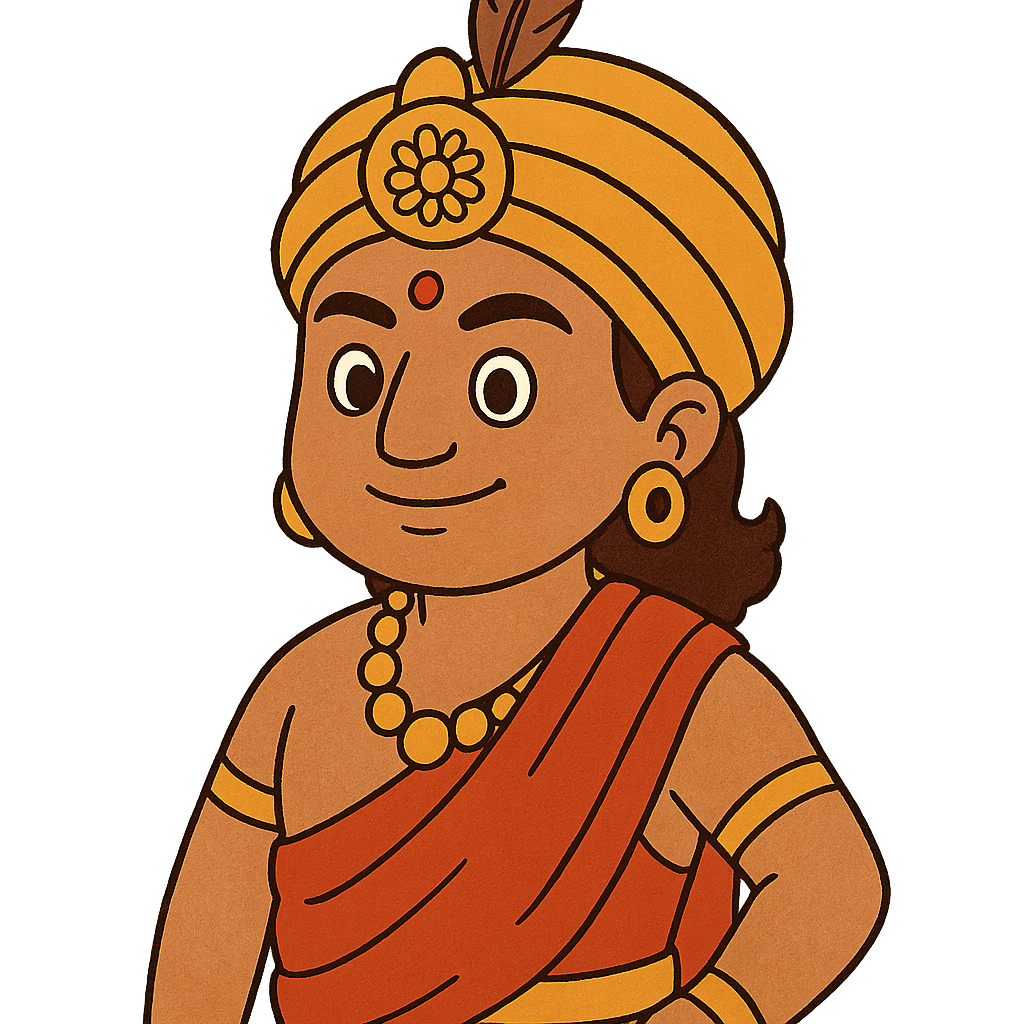
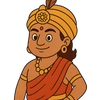
Hello! My name is Ashoka, and I was an emperor in ancient India, a land of vibrant colors and bustling cities. I was born around the year 304 BCE in a magnificent capital called Pataliputra. My grandfather was the great Chandragupta Maurya, who started the mighty Mauryan Empire, one of the largest empires of its time. Growing up as a prince in a royal palace, I was taught all the skills I would need to be a strong leader and a fierce warrior. From a young age, I was ambitious and dreamed of making our empire even bigger and more powerful than it already was.
When my father, Emperor Bindusara, passed away, I became the new emperor around the year 268 BCE. In the beginning, I ruled just as I had been taught—with an iron fist. I truly believed that winning battles and conquering new lands was the most important job for an emperor. I spent the first few years of my rule focused on expanding my empire's borders. My army was strong, and I led them in many campaigns, earning a reputation as a great and fearsome warrior. But soon, an event would happen that would change my heart and my way of thinking forever.
In the 8th year of my reign, around 261 BCE, I decided to conquer a prosperous kingdom on the coast called Kalinga. It was a terrible and difficult war, with much fighting and destruction. In the end, my army won the battle. But when I walked through the conquered city, I did not feel victorious. Instead, I saw the great sadness and suffering that the war had caused. So many people were hurt, and countless families had lost their homes and loved ones. Seeing all of this filled my heart with deep remorse and regret. I realized that winning a war was not worth the immense pain it brought to so many people. At that moment, I made a solemn promise to myself that I would never fight a war of conquest again.
Ashoka the Great
Hello! My name is Ashoka, and I was an emperor in ancient India, a land of vibrant colors and bustling cities. I was born around the year 304 BCE in a magnificent capital called Pataliputra. My grandfather was the great Chandragupta Maurya, who started the mighty Mauryan Empire, one of the largest empires of its time. Growing up as a prince in a royal palace, I was taught all the skills I would need to be a strong leader and a fierce warrior. From a young age, I was ambitious and dreamed of making our empire even bigger and more powerful than it already was.
When my father, Emperor Bindusara, passed away, I became the new emperor around the year 268 BCE. In the beginning, I ruled just as I had been taught—with an iron fist. I truly believed that winning battles and conquering new lands was the most important job for an emperor. I spent the first few years of my rule focused on expanding my empire's borders. My army was strong, and I led them in many campaigns, earning a reputation as a great and fearsome warrior. But soon, an event would happen that would change my heart and my way of thinking forever.
In the 8th year of my reign, around 261 BCE, I decided to conquer a prosperous kingdom on the coast called Kalinga. It was a terrible and difficult war, with much fighting and destruction. In the end, my army won the battle. But when I walked through the conquered city, I did not feel victorious. Instead, I saw the great sadness and suffering that the war had caused. So many people were hurt, and countless families had lost their homes and loved ones. Seeing all of this filled my heart with deep remorse and regret. I realized that winning a war was not worth the immense pain it brought to so many people. At that moment, I made a solemn promise to myself that I would never fight a war of conquest again.
After the Kalinga War changed my perspective, I discovered the teachings of Buddhism, a philosophy that spoke of peace, kindness, and non-violence toward all living things. I decided to live and rule by a new set of principles that I called 'Dharma.' This meant I would govern with compassion and take care of all living beings, both people and animals, throughout my empire. I shifted my focus completely. Instead of building my army and preparing for war, I started building hospitals for the sick, creating shady rest houses for weary travelers, and founding universities for learning. I wanted my empire to be a place of safety, education, and kindness for everyone who lived there.
To share my new beliefs with all of my people, I came up with a special idea. I had my messages of peace and kindness carved onto giant stone pillars and large rocks all across the empire. These carvings are now called the Edicts of Ashoka. They told people to be gentle with one another, to respect their parents and elders, and to be kind to animals. I also sent messengers to other kingdoms, but they did not carry swords or threats. Instead, they carried my ideas of peace and goodwill. I realized I wanted to conquer the world not with weapons, but with love and righteousness.
I ruled for many years, and my reign came to an end in 232 BCE. I lived to be about 72 years old. Today, people remember me not as the fierce warrior I once was, but as an emperor who chose peace over war and kindness over cruelty. The wheel in the center of India's national flag, called the Ashoka Chakra, is a symbol of my teachings of Dharma. My story shows that anyone, even a powerful emperor, can change for the better, and that ruling with a kind heart is the greatest strength of all.
Wow facts
About
Ashoka the Great was the third emperor of the Mauryan Empire in ancient India who, after a big war called the Kalinga War, became more devoted to Buddhism and ruled with principles of non-violence and compassion.
Take a Quiz
Question 1 of 5
Why did Ashoka stop fighting wars of conquest after the battle of Kalinga?
Explore next





Want to do even more?
Go beyond exploring. Unlock tools that turn every story into real learning.

Storypie Plus for families
Full stories, quizzes, and printables. Nights and car rides, sorted.
- Unlimited audio stories
- Create Mode: your child stars in the story
- Offline downloads
- Printable worksheets & coloring pages

Why Storypie for Schools
Students engaged. Prep in seconds. Evenings back to you.
- Worksheets & Quizzes
- Classroom Management
- Formative Assessment
- Custom Curriculum & Lesson Plans
- 27 Languages

Why Storypie for Homeschool
Curriculum done. They'll ask for more. Hours back in your day.
- Worksheet Generator
- First-Person Audio Stories
- Built-in Comprehension Quizzes
- Custom Curriculum & Lesson Plans
- Print & Go Activities