English

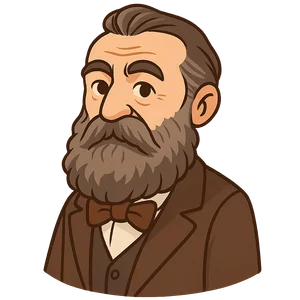
Auguste Rodin
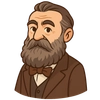
Auguste Rodin was a French sculptor, widely regarded as the founder of modern sculpture.
Reads at Grades 3–5 Listens at Grades 1–5
Print & create
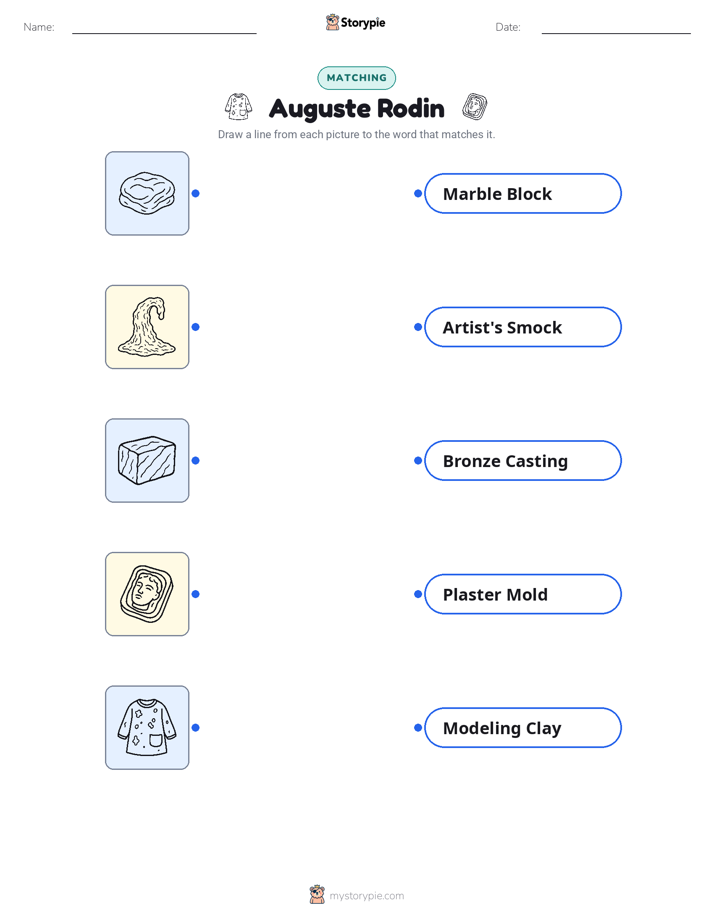
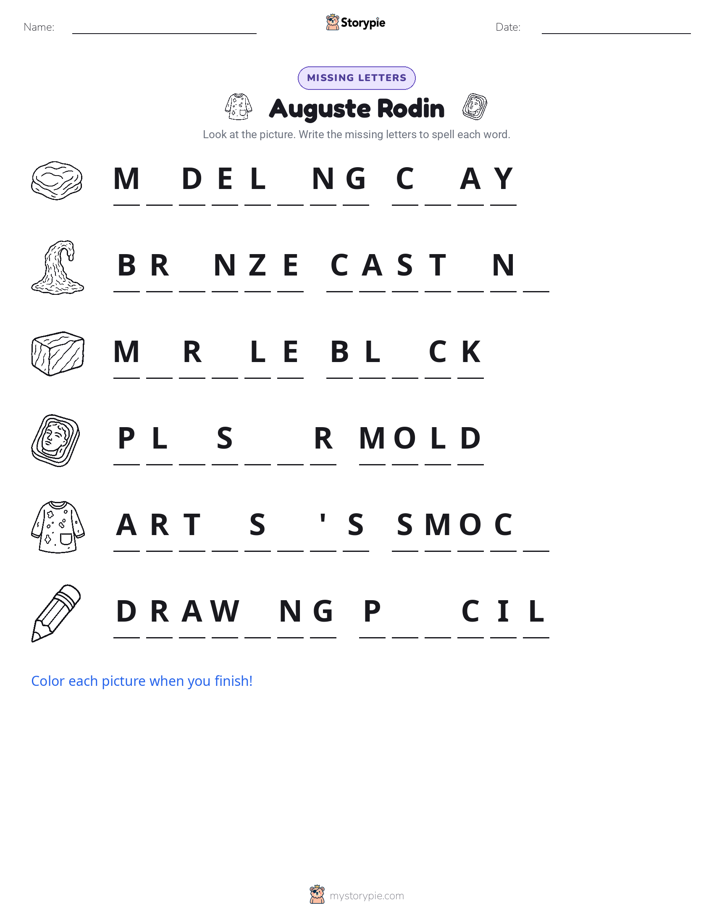
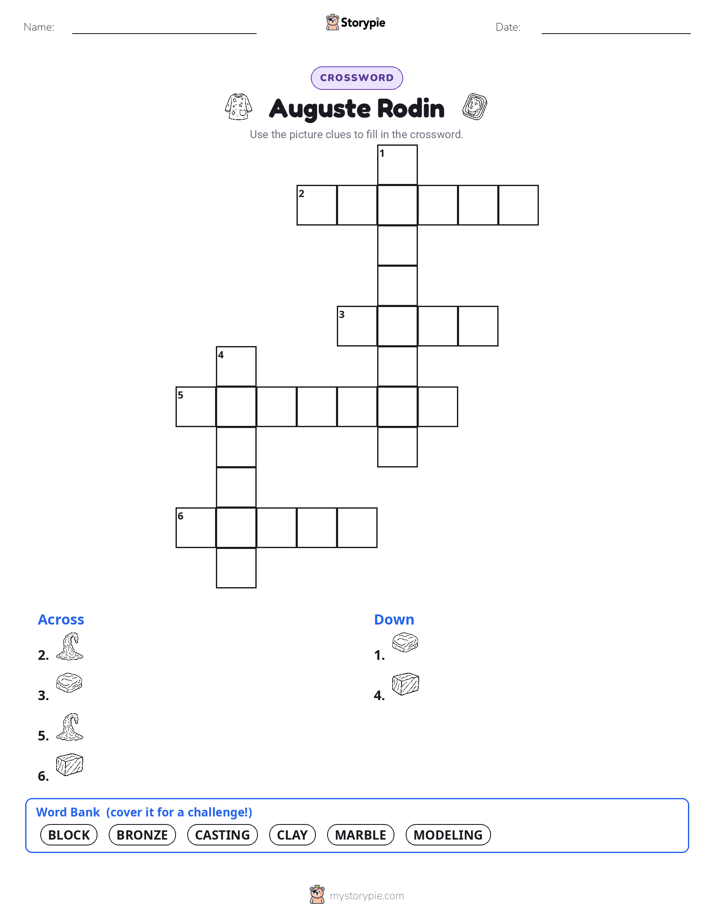
Answer keys·No prep·Free with an account
28 worksheets · answer keys · full story · quiz · Ages 8-10 · CEFR B1
Plus adds 164,000+ more stories in 27 languages, audio for every one, and printables for all of them.
Just want Auguste Rodin?
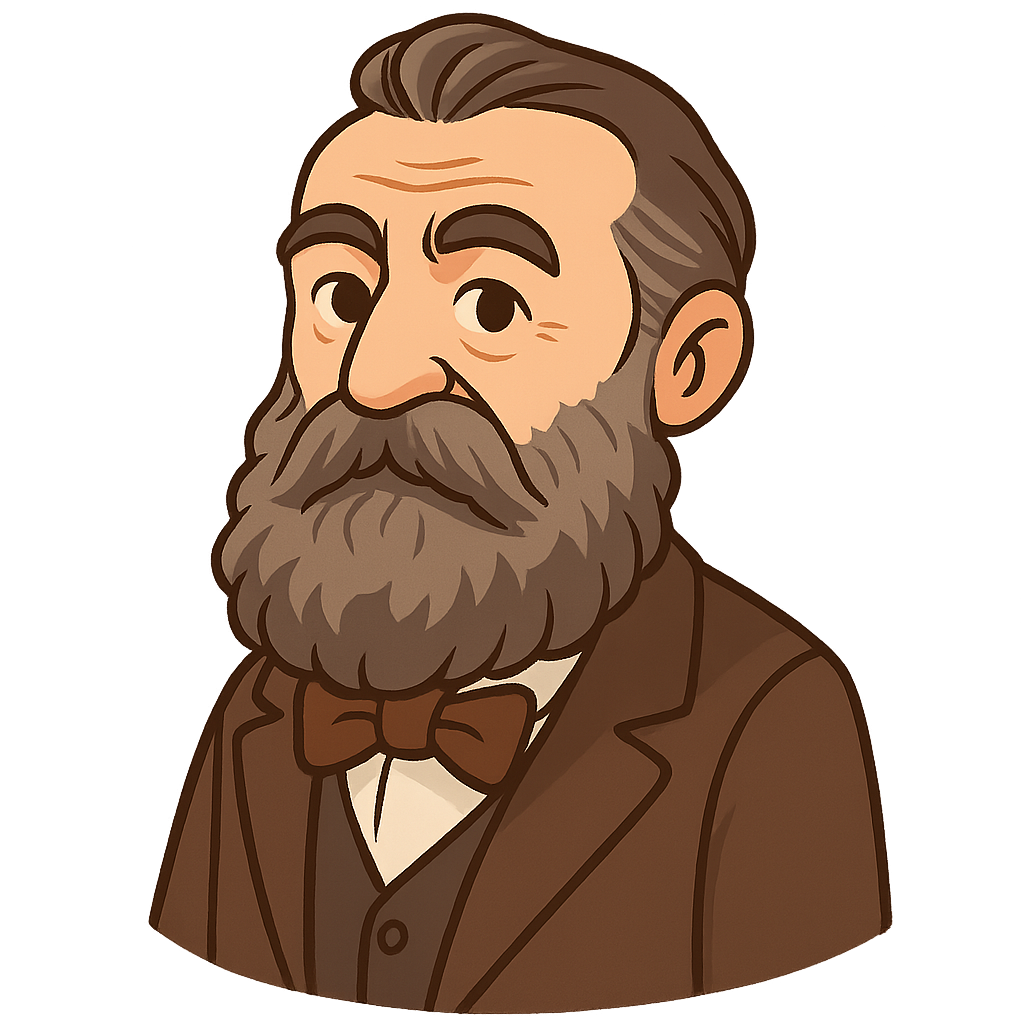
Hello! My name is Auguste Rodin, and I was a sculptor. That means I made art not with paint, but with materials like clay, stone, and bronze. I was born in the beautiful city of Paris, France, on November 12th, 1840. When I was a boy, I loved to draw more than anything, but I have to admit, I wasn't the best student in my other classes. My eyes didn't see things that were far away very well, but this turned out to be a gift because it helped me focus on the tiny details right in front of me. I spent hours and hours sketching everything I saw. I knew from a very young age that I wanted to spend my life making art and creating shapes with my hands that looked and felt real.
When I was a teenager, around the year 1854, I tried to get into the best art school in Paris, the École des Beaux-Arts. But can you believe it? They said no to me three different times. I was very disappointed, but I refused to give up on my dream. I took a job working for other artists, helping them with decorations and small details on their big projects. This taught me a lot about the craft of sculpting. Then, in 1876, I took a very important trip to Italy. There, I saw the amazing sculptures of an artist I admired, Michelangelo. His statues weren't just cold stone; they were full of power and deep feeling. Seeing his work changed everything for me. I realized that a sculpture could show what a person was thinking and feeling on the inside, just by the way their body was posed. I returned to Paris with a new fire inside me, ready to make my own kind of art.
Auguste Rodin
Hello! My name is Auguste Rodin, and I was a sculptor. That means I made art not with paint, but with materials like clay, stone, and bronze. I was born in the beautiful city of Paris, France, on November 12th, 1840. When I was a boy, I loved to draw more than anything, but I have to admit, I wasn't the best student in my other classes. My eyes didn't see things that were far away very well, but this turned out to be a gift because it helped me focus on the tiny details right in front of me. I spent hours and hours sketching everything I saw. I knew from a very young age that I wanted to spend my life making art and creating shapes with my hands that looked and felt real.
When I was a teenager, around the year 1854, I tried to get into the best art school in Paris, the École des Beaux-Arts. But can you believe it? They said no to me three different times. I was very disappointed, but I refused to give up on my dream. I took a job working for other artists, helping them with decorations and small details on their big projects. This taught me a lot about the craft of sculpting. Then, in 1876, I took a very important trip to Italy. There, I saw the amazing sculptures of an artist I admired, Michelangelo. His statues weren't just cold stone; they were full of power and deep feeling. Seeing his work changed everything for me. I realized that a sculpture could show what a person was thinking and feeling on the inside, just by the way their body was posed. I returned to Paris with a new fire inside me, ready to make my own kind of art.
Soon after my trip, in 1877, I created a sculpture of a man that I called 'The Age of Bronze.' It looked so realistic that some people accused me of cheating! They thought I had made a plaster mold from a real person instead of sculpting it myself. I was hurt by their words, but it also proved that I was doing something new and different. In 1880, I was given my biggest project ever: to create a giant set of bronze doors for a new museum. I decided to call it 'The Gates of Hell,' and I worked on it for the rest of my life! Many of my most famous sculptures actually started as small figures for these doors. You might have seen my sculpture 'The Thinker,' a man resting his chin on his hand, deep in thought. He was originally supposed to sit at the very top of the gates. Another one of my famous pieces, 'The Kiss,' also started as part of that massive project. Later, in 1889, I created a monument called 'The Burghers of Calais,' which showed brave town leaders who were scared but willing to sacrifice themselves for their city.
Most people at the time were used to sculptures that looked perfect and smooth, without any flaws. But I wanted my art to feel more real and emotional. I often left parts of my sculptures looking rough, so you could even see my fingerprints and tool marks in the clay. I wanted to capture a moment in time, to show movement and life, not just a still figure. Throughout my long journey, I had the support of a wonderful woman named Rose Beuret. For more than 50 years, she was my model, my partner, and my biggest believer. She helped me through the tough times when people didn't understand my art. We finally got married in January of 1917, sharing a lifetime of memories together.
My new way of sculpting helped change art forever, and today many people call me the father of modern sculpture. I showed the world that a statue could be more than just a perfect-looking figure—it could be full of struggle, love, and thought. I lived to be 77 years old. After my time, my workshop in Paris became a museum, the Musée Rodin, where you can see my sculptures just as I left them. I am so happy that my work continues to inspire people to see the beauty and emotion hidden inside a simple block of stone or piece of clay.
Wow facts
About
Auguste Rodin was a French sculptor, widely regarded as the founder of modern sculpture. He is known for iconic works like 'The Thinker' and 'The Kiss,' which emphasized emotion and realism.
Take a Quiz
Question 1 of 5
What problem did Auguste Rodin face when he first tried to go to the best art school in Paris?
Explore next



Want to do even more?
Go beyond exploring. Unlock tools that turn every story into real learning.

Storypie Plus for families
Full stories, quizzes, and printables. Nights and car rides, sorted.
- Unlimited audio stories
- Create Mode: your child stars in the story
- Offline downloads
- Printable worksheets & coloring pages

Why Storypie for Schools
Students engaged. Prep in seconds. Evenings back to you.
- Worksheets & Quizzes
- Classroom Management
- Formative Assessment
- Custom Curriculum & Lesson Plans
- 27 Languages

Why Storypie for Homeschool
Curriculum done. They'll ask for more. Hours back in your day.
- Worksheet Generator
- First-Person Audio Stories
- Built-in Comprehension Quizzes
- Custom Curriculum & Lesson Plans
- Print & Go Activities