English

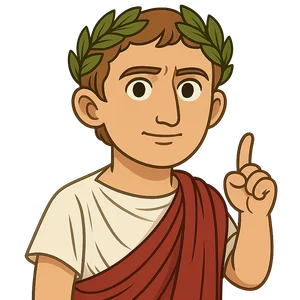
Augustus
The first Roman emperor…
Reads at Grades 6–8 Listens at Grades 4–8
Print & create
Answer keys·No prep·Free with an account
28 worksheets · answer keys · full story · quiz · Ages 10-12 · CEFR B2
Plus adds 102,000+ more stories in 27 languages, audio for every one, and printables for all of them.
Just want Augustus?
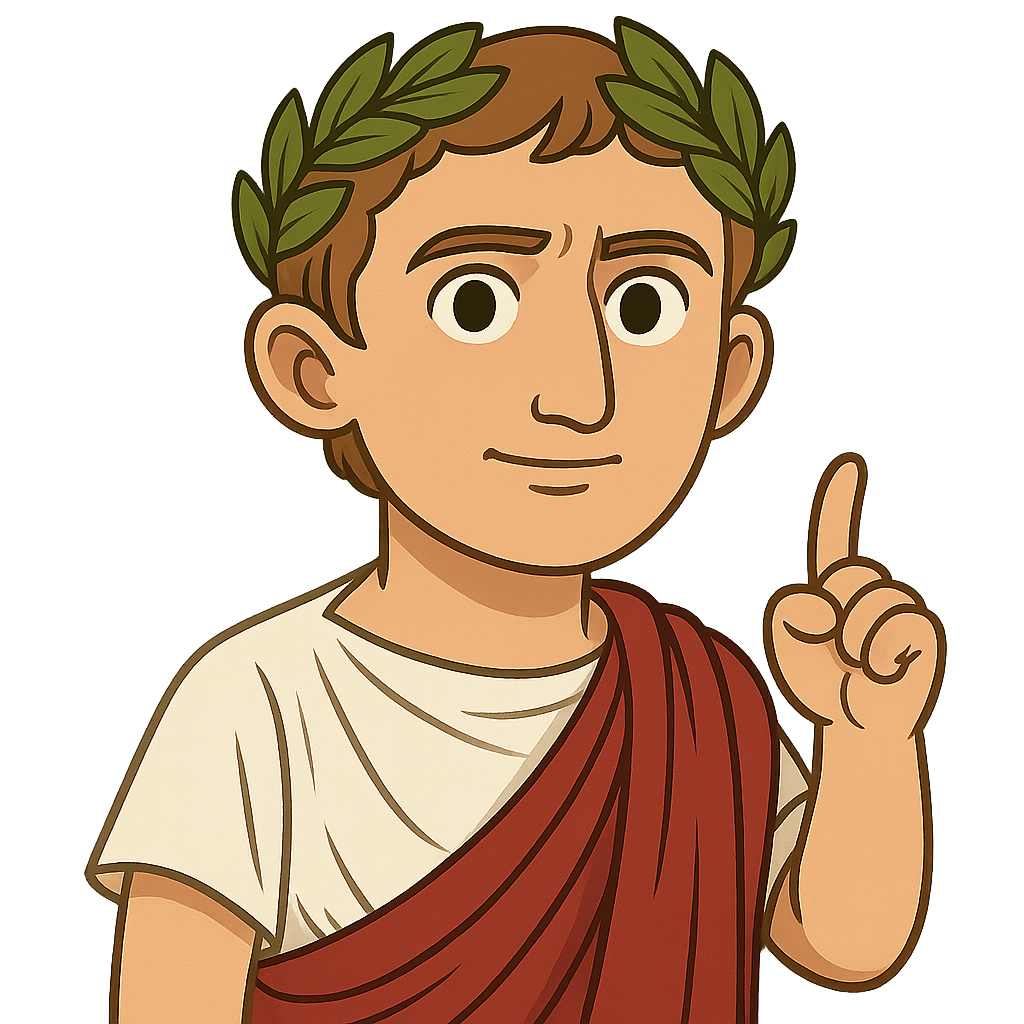
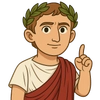
Hello! You may know me as Augustus, the first emperor of Rome, but that is not the name I was born with. My story begins on September 23rd, 63 BCE, when I was born in the city of Rome as Gaius Octavius. My family was respected and well-off, but it was my connection to my great-uncle that set me on an extraordinary path. That man was Julius Caesar, the most famous and powerful figure in all of Rome. I looked up to him immensely, and as I grew into a young man, he saw something special in me. He took a personal interest in my education and began preparing me for a future in public life, a responsibility I took very seriously. In 44 BCE, when I was just 18 years old, I was studying abroad in a city called Apollonia, dedicated to my military and academic training. It was there that I received the most shocking news of my life: my great-uncle, Julius Caesar, had been assassinated back in Rome. My world turned upside down in an instant, and I knew my life would never be the same.
I was young and many people underestimated me, but I knew I had to act with courage and determination. I immediately sailed back to Rome to face the dangerous and uncertain political situation. Upon my arrival, I discovered that my great-uncle had done something remarkable in his will—he had posthumously adopted me as his son. My name was officially changed to Gaius Julius Caesar Octavianus, and I was now his legal heir. This inheritance brought me wealth and a famous name, but it also placed me in the center of a power struggle. Many powerful men in Rome, who had been Caesar’s allies or rivals, did not take an 18-year-old seriously. To bring my uncle's killers to justice and secure my position, I made a difficult but necessary alliance with two other powerful men, Mark Antony and Marcus Lepidus. In 43 BCE, the three of us formed a special governing group called the Second Triumvirate. Our first goal was to hunt down our political enemies. Together, we pursued the men who had conspired against Caesar and defeated them in a great battle in 42 BCE known as the Battle of Philippi. We had avenged Caesar, but the fight for Rome was far from over.
Augustus: The First Emperor of Rome
Hello! You may know me as Augustus, the first emperor of Rome, but that is not the name I was born with. My story begins on September 23rd, 63 BCE, when I was born in the city of Rome as Gaius Octavius. My family was respected and well-off, but it was my connection to my great-uncle that set me on an extraordinary path. That man was Julius Caesar, the most famous and powerful figure in all of Rome. I looked up to him immensely, and as I grew into a young man, he saw something special in me. He took a personal interest in my education and began preparing me for a future in public life, a responsibility I took very seriously. In 44 BCE, when I was just 18 years old, I was studying abroad in a city called Apollonia, dedicated to my military and academic training. It was there that I received the most shocking news of my life: my great-uncle, Julius Caesar, had been assassinated back in Rome. My world turned upside down in an instant, and I knew my life would never be the same.
I was young and many people underestimated me, but I knew I had to act with courage and determination. I immediately sailed back to Rome to face the dangerous and uncertain political situation. Upon my arrival, I discovered that my great-uncle had done something remarkable in his will—he had posthumously adopted me as his son. My name was officially changed to Gaius Julius Caesar Octavianus, and I was now his legal heir. This inheritance brought me wealth and a famous name, but it also placed me in the center of a power struggle. Many powerful men in Rome, who had been Caesar’s allies or rivals, did not take an 18-year-old seriously. To bring my uncle's killers to justice and secure my position, I made a difficult but necessary alliance with two other powerful men, Mark Antony and Marcus Lepidus. In 43 BCE, the three of us formed a special governing group called the Second Triumvirate. Our first goal was to hunt down our political enemies. Together, we pursued the men who had conspired against Caesar and defeated them in a great battle in 42 BCE known as the Battle of Philippi. We had avenged Caesar, but the fight for Rome was far from over.
Once our shared enemies were gone, the alliance between Mark Antony and me began to crumble. We were the two most powerful men left in the Roman world, and our ambitions were too great to coexist peacefully. We became rivals, each wanting to be the sole leader of Rome. Antony took control of the Eastern provinces, where he formed a powerful political and personal alliance with the famous queen of Egypt, Cleopatra. From his base in Egypt, he acted more like an Eastern king than a Roman general, which worried many people back in Rome. It became clear that the Roman world was not big enough for both of us, and a final confrontation was inevitable. The future of Rome was at stake. In 31 BCE, our forces finally met in a massive sea battle off the coast of Greece called the Battle of Actium. The battle would decide everything. My brilliant and loyal general, Marcus Agrippa, led my fleet with incredible skill. He secured a decisive victory for me, and the forces of Antony and Cleopatra were completely defeated. Their defeat left me as the undisputed leader of the entire Roman world, ending years of bloody conflict.
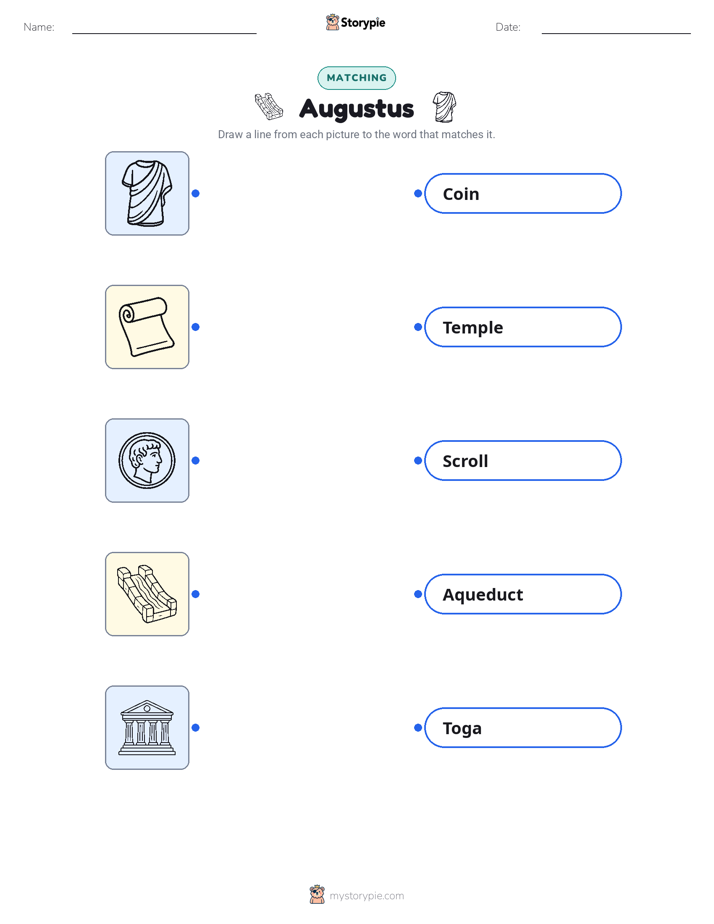
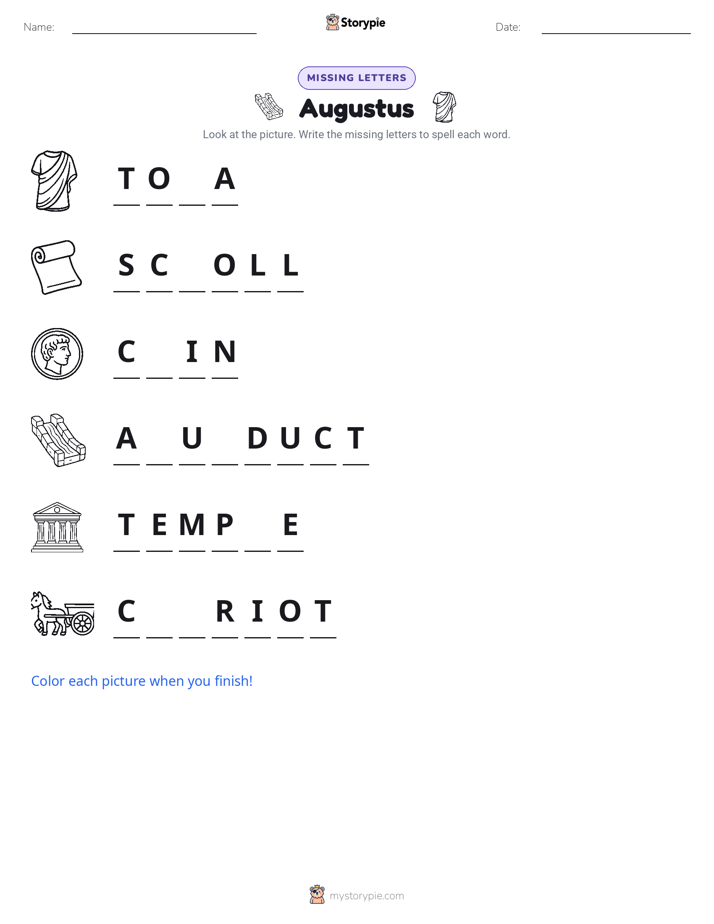
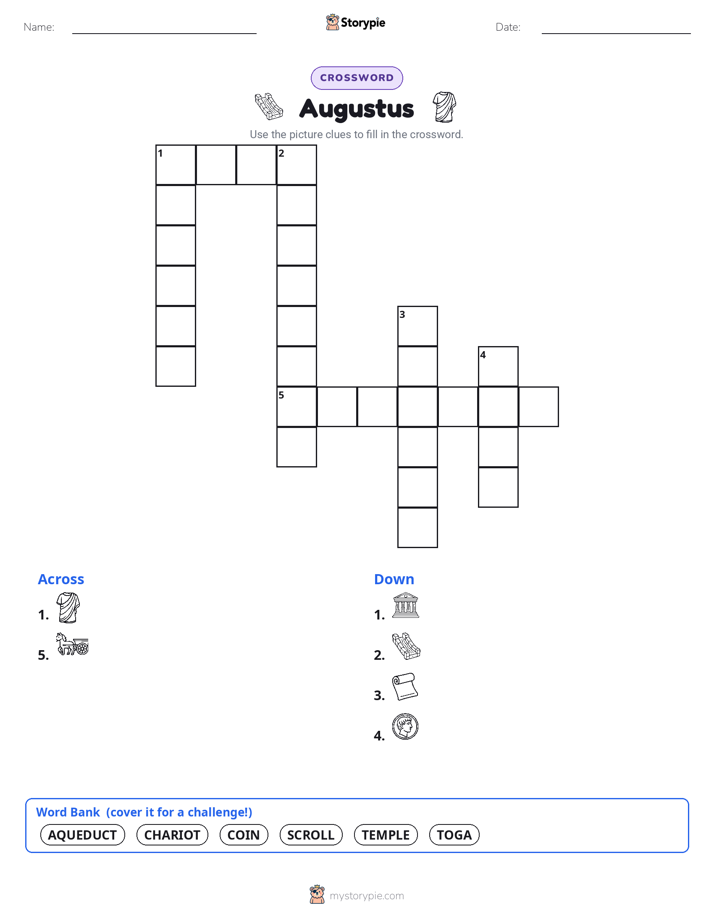
After so many years of civil war, the people of Rome were exhausted and desperate for peace. I knew they did not want another king—they had overthrown their last king centuries ago and cherished their Republic. So, I carefully and patiently created a new form of government, one that preserved the traditions of the Republic, like the Senate, but concentrated ultimate authority in my hands. In 27 BCE, the Senate, grateful for the stability I had brought, honored me with a new name: Augustus, which means 'the revered one' or 'the majestic one.' This moment is what many historians call the beginning of the Roman Empire, and I was its first emperor. I worked hard to heal our world after a century of conflict. My long reign began a 200-year period of unprecedented peace and prosperity known as the Pax Romana, or 'Roman Peace.' During this time, I focused on rebuilding and beautifying the capital. I famously said, 'I found Rome a city of bricks and left it a city of marble.' This wasn't just a boast. I launched massive building projects across the empire, constructing new temples, aqueducts to bring fresh water to cities, durable roads to connect the vast territories, and grand public buildings. These projects not only made our capital magnificent but also improved the lives of its citizens and strengthened the empire.
I ruled for over 40 years, a long period of leadership that brought stability and order after a century of constant conflict and uncertainty. My main goal was to secure the future of Rome and ensure it would never again fall into the chaos of civil war. I lived to be 75 years old, and my long life came to an end on August 19th, 14 CE. Today, people remember me for ending the devastating civil wars that tore the Roman Republic apart and for establishing the Roman Empire. The era of peace I began, the Pax Romana, allowed Roman culture, law, and engineering to flourish and spread across the known world. My work laid the foundation that shaped the course of Western civilization for centuries to come, and the systems I put in place helped the empire endure long after I was gone.
Wow facts
About
The first Roman emperor, who ended a century of civil wars and initiated a long period of peace and prosperity known as the Pax Romana.
Take a Quiz
Question 1 of 5
What was the main conflict between Octavian (Augustus) and Mark Antony, and how was it ultimately resolved?
Explore next



Want to do even more?
Go beyond exploring. Unlock tools that turn every story into real learning.

Storypie Plus for families
Full stories, quizzes, and printables. Nights and car rides, sorted.
- Unlimited audio stories
- Create Mode: your child stars in the story
- Offline downloads
- Printable worksheets & coloring pages

Why Storypie for Schools
Students engaged. Prep in seconds. Evenings back to you.
- Worksheets & Quizzes
- Classroom Management
- Formative Assessment
- Custom Curriculum & Lesson Plans
- 27 Languages

Why Storypie for Homeschool
Curriculum done. They'll ask for more. Hours back in your day.
- Worksheet Generator
- First-Person Audio Stories
- Built-in Comprehension Quizzes
- Custom Curriculum & Lesson Plans
- Print & Go Activities