English

Babur
Founder of the Mughal Empire in India and a descendant of Timur and Genghis Khan…
Reads at Grades 6–8 Listens at Grades 4–8
Print & create
Answer keys·No prep·Free with an account
28 worksheets · answer keys · full story · quiz · Ages 10-12 · CEFR B2
Plus adds 280,000+ more stories in 27 languages, audio for every one, and printables for all of them.
Just want Babur?
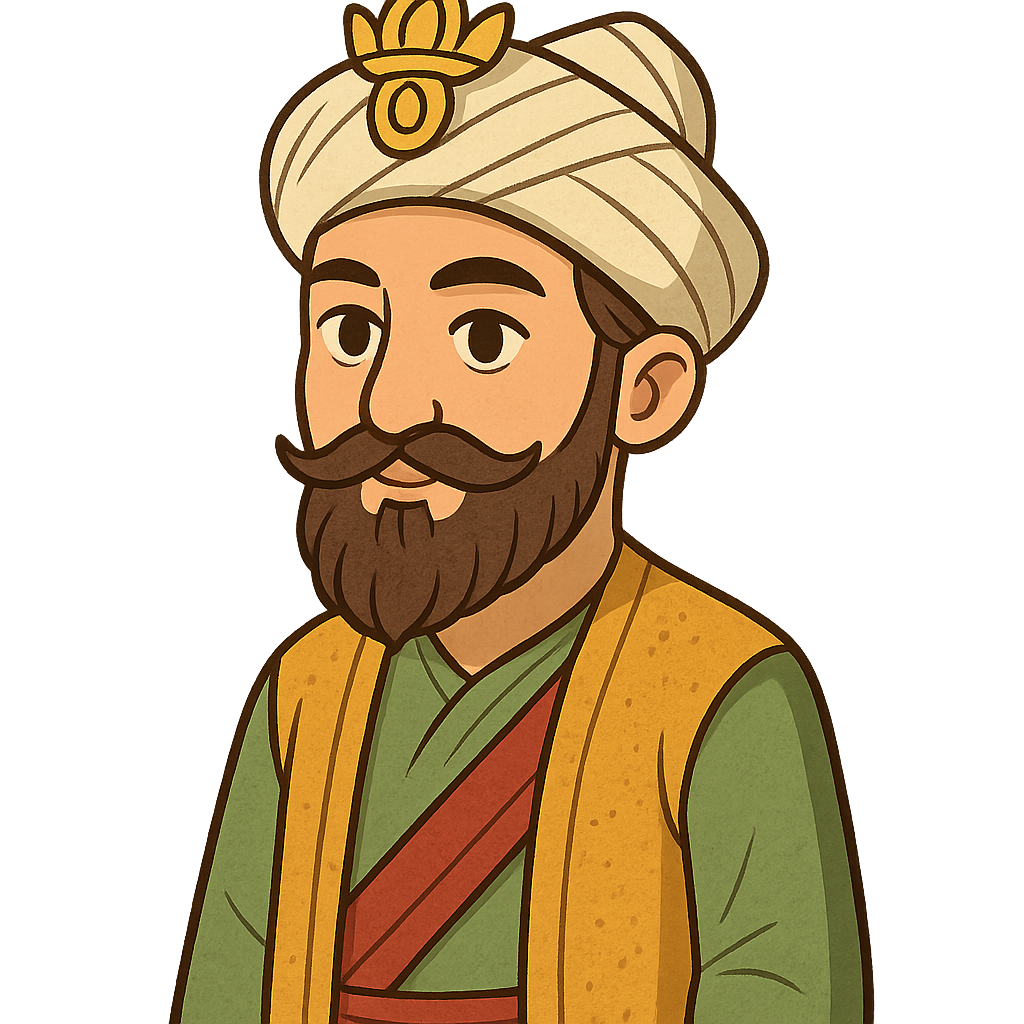
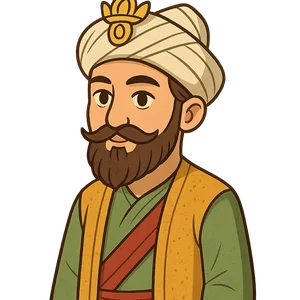
Hello, my name is Zahīr ud-Dīn Muhammad, but you can call me by my nickname, Babur, which means 'tiger.' I was born on February 14th, 1483, in a lush and beautiful region known as the Fergana Valley. My heritage was one of power and conquest; through my father, I was a descendant of the great conqueror Timur, and through my mother, I was related to the legendary Genghis Khan. My childhood was shaped by this legacy, but it was cut short by sudden tragedy. In the year 1494, my father passed away unexpectedly. At just twelve years old, I inherited the throne and became the ruler of our kingdom. It was an immense responsibility for someone so young. My lands were surrounded by ambitious relatives and powerful enemies, all of whom saw a boy-king as a weak target they could easily overthrow. I had to learn quickly how to be a leader and a warrior to protect what was mine.
The years that followed were a constant struggle for survival and power. More than anything, I dreamed of capturing and ruling Samarkand, the magnificent capital city that had belonged to my ancestor, Timur. Its turquoise domes and bustling markets represented the peak of power and culture, and I felt it was my birthright. I managed to capture the city not once, but three separate times, yet each time, I was unable to hold it for long. My enemies would regroup, and I would be forced to retreat. Eventually, these conflicts cost me everything. I lost not only Samarkand but also my own homeland of Fergana. By the early 1500s, I was a prince without a kingdom, wandering the rugged mountains with only a small band of loyal followers. It was a time of great hardship, but I refused to let despair consume me. My spirit was not broken. In 1504, I turned my attention south and led my men to capture the city of Kabul, in what is now Afghanistan. This victory gave me a secure base, a new home, and a chance to rebuild my strength and plan for a greater destiny.
Babur: Founder of the Mughal Empire
Hello, my name is Zahīr ud-Dīn Muhammad, but you can call me by my nickname, Babur, which means 'tiger.' I was born on February 14th, 1483, in a lush and beautiful region known as the Fergana Valley. My heritage was one of power and conquest; through my father, I was a descendant of the great conqueror Timur, and through my mother, I was related to the legendary Genghis Khan. My childhood was shaped by this legacy, but it was cut short by sudden tragedy. In the year 1494, my father passed away unexpectedly. At just twelve years old, I inherited the throne and became the ruler of our kingdom. It was an immense responsibility for someone so young. My lands were surrounded by ambitious relatives and powerful enemies, all of whom saw a boy-king as a weak target they could easily overthrow. I had to learn quickly how to be a leader and a warrior to protect what was mine.
The years that followed were a constant struggle for survival and power. More than anything, I dreamed of capturing and ruling Samarkand, the magnificent capital city that had belonged to my ancestor, Timur. Its turquoise domes and bustling markets represented the peak of power and culture, and I felt it was my birthright. I managed to capture the city not once, but three separate times, yet each time, I was unable to hold it for long. My enemies would regroup, and I would be forced to retreat. Eventually, these conflicts cost me everything. I lost not only Samarkand but also my own homeland of Fergana. By the early 1500s, I was a prince without a kingdom, wandering the rugged mountains with only a small band of loyal followers. It was a time of great hardship, but I refused to let despair consume me. My spirit was not broken. In 1504, I turned my attention south and led my men to capture the city of Kabul, in what is now Afghanistan. This victory gave me a secure base, a new home, and a chance to rebuild my strength and plan for a greater destiny.
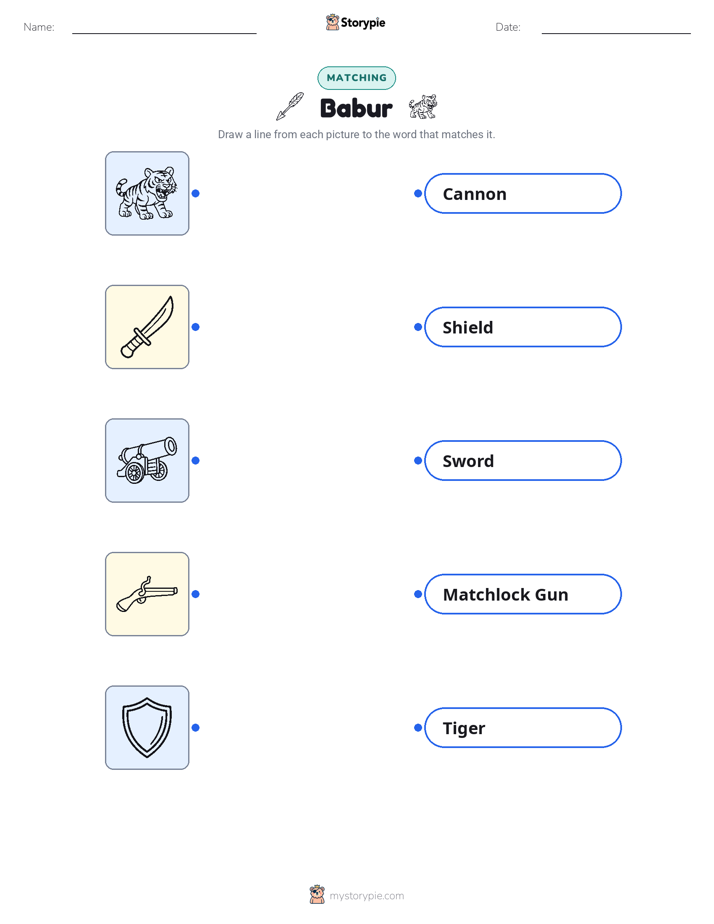
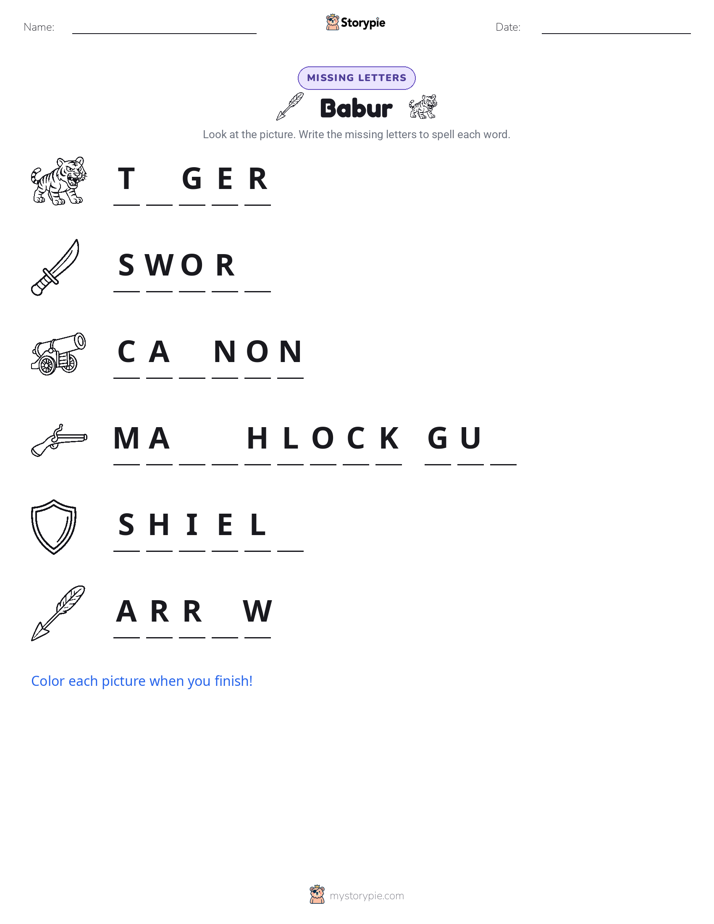
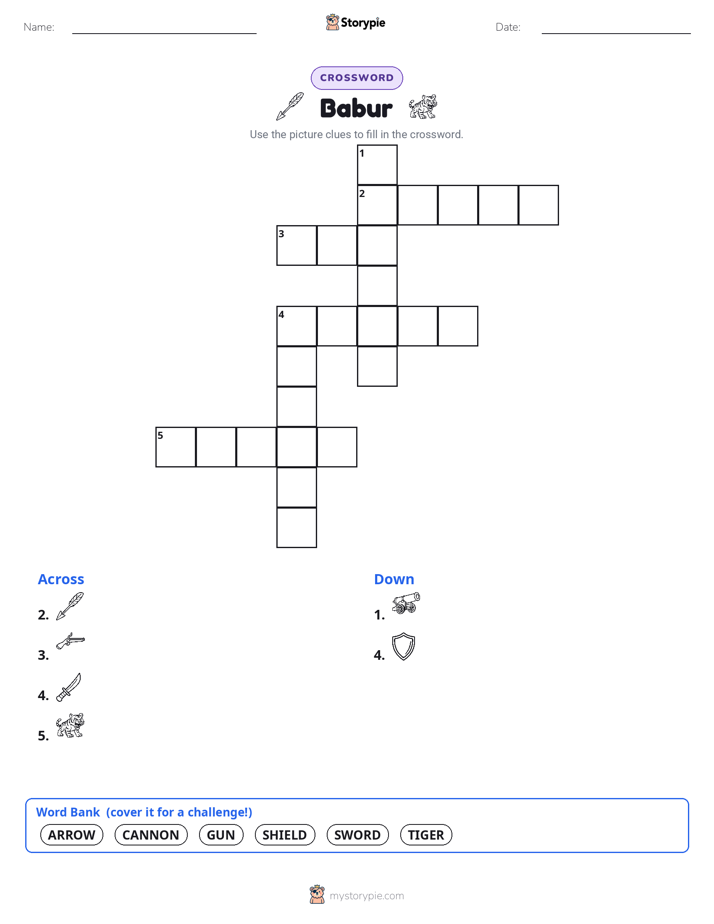
From my new stronghold in Kabul, I began to look toward the vast and incredibly wealthy lands of Hindustan, which you know today as India. At the time, it was ruled by Sultan Ibrahim Lodi of Delhi, a leader who was deeply unpopular with many of his own nobles. Seeing an opportunity, some of these discontented nobles sent messages to me, inviting me to come to India and challenge the Sultan for his throne. I gathered my army, which was small but disciplined and loyal. On April 21st, 1526, we met the Sultan’s enormous force on the plains of Panipat. My army was outnumbered, perhaps by as much as ten to one, and it seemed like an impossible battle to win. But I came with a strategic advantage. I had new military technology, including cannons and matchlock guns, which the Sultan’s army did not possess. I also employed a clever tactic I had learned from the Uzbeks called the ‘tulguhma,’ where I sent my cavalry to charge around the sides of the enemy and attack them from the rear. My strategy worked perfectly. We won a decisive victory, and Sultan Ibrahim Lodi was defeated. The path to Delhi and Agra was now open, and I was ready to establish a brand new empire in India.
The victory at Panipat was a monumental achievement, but it was only the beginning of my conquest. To truly secure my new empire, I had to face another formidable opponent. In 1527, I confronted a powerful confederation of Rajput princes, led by the courageous Rana Sanga of Mewar, at the Battle of Khanwa. This was another fiercely contested battle, but my disciplined army once again proved victorious, cementing my control over northern India. However, my life was not solely about war and conquest. I was also a great lover of beauty, poetry, and nature. I deeply missed the cool climates and organised gardens of my Central Asian homeland, so I began to commission the construction of Persian-style gardens, known as 'charbagh,' across my new territories. These gardens were divided into four parts by flowing water channels. During these years, I also dedicated time to writing my memoirs in a detailed diary. This diary would later become a famous book called the 'Baburnama', in which I recorded my thoughts, my military campaigns, my observations on the people I met, and my fascination with the unique plants and animals of India.
Legacy & Remembering
I did not have long to enjoy the vast empire I had fought so hard to create. My life came to an end in the city of Agra in 1530. I lived to be 47 years old. I entrusted my new empire to my eldest son, Humayun, who carried on my work. He and his descendants would expand upon the foundation I had laid, building the Mughal Empire into one of the most magnificent and powerful dynasties in the world, which would flourish for over 300 years. Today, I am remembered as the founder of that great empire. But I am also remembered through the personal stories and vivid descriptions I left behind in my book, the 'Baburnama', which allows people to hear the tale of my incredible life in my very own words. My story is one of perseverance, showing that even a prince who loses his kingdom can go on to build an empire.
Wow facts
About
Founder of the Mughal Empire in India and a descendant of Timur and Genghis Khan, known for his military prowess and his detailed memoirs, the Baburnama.
Take a Quiz
Question 1 of 5
What was the main conflict Babur faced in the early part of his life, and how was it resolved?
Explore next






Want to do even more?
Go beyond exploring. Unlock tools that turn every story into real learning.

Storypie Plus for families
Full stories, quizzes, and printables. Nights and car rides, sorted.
- Unlimited audio stories
- Create Mode: your child stars in the story
- Offline downloads
- Printable worksheets & coloring pages

Why Storypie for Schools
Students engaged. Prep in seconds. Evenings back to you.
- Worksheets & Quizzes
- Classroom Management
- Formative Assessment
- Custom Curriculum & Lesson Plans
- 27 Languages

Why Storypie for Homeschool
Curriculum done. They'll ask for more. Hours back in your day.
- Worksheet Generator
- First-Person Audio Stories
- Built-in Comprehension Quizzes
- Custom Curriculum & Lesson Plans
- Print & Go Activities