English

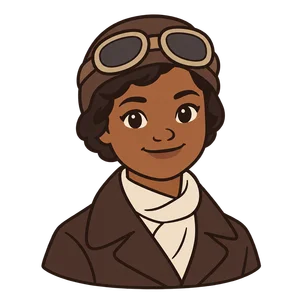
Bessie Coleman
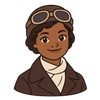
Bessie Coleman was the first woman of African American and Native American descent to hold a pilot license.
Reads at Grades 6–8 Listens at Grades 4–8
Print & create
Answer keys·No prep·Free with an account
28 worksheets · answer keys · full story · quiz · Ages 10-12 · CEFR B2
Plus adds 290,000+ more stories in 27 languages, audio for every one, and printables for all of them.
Just want Bessie Coleman?
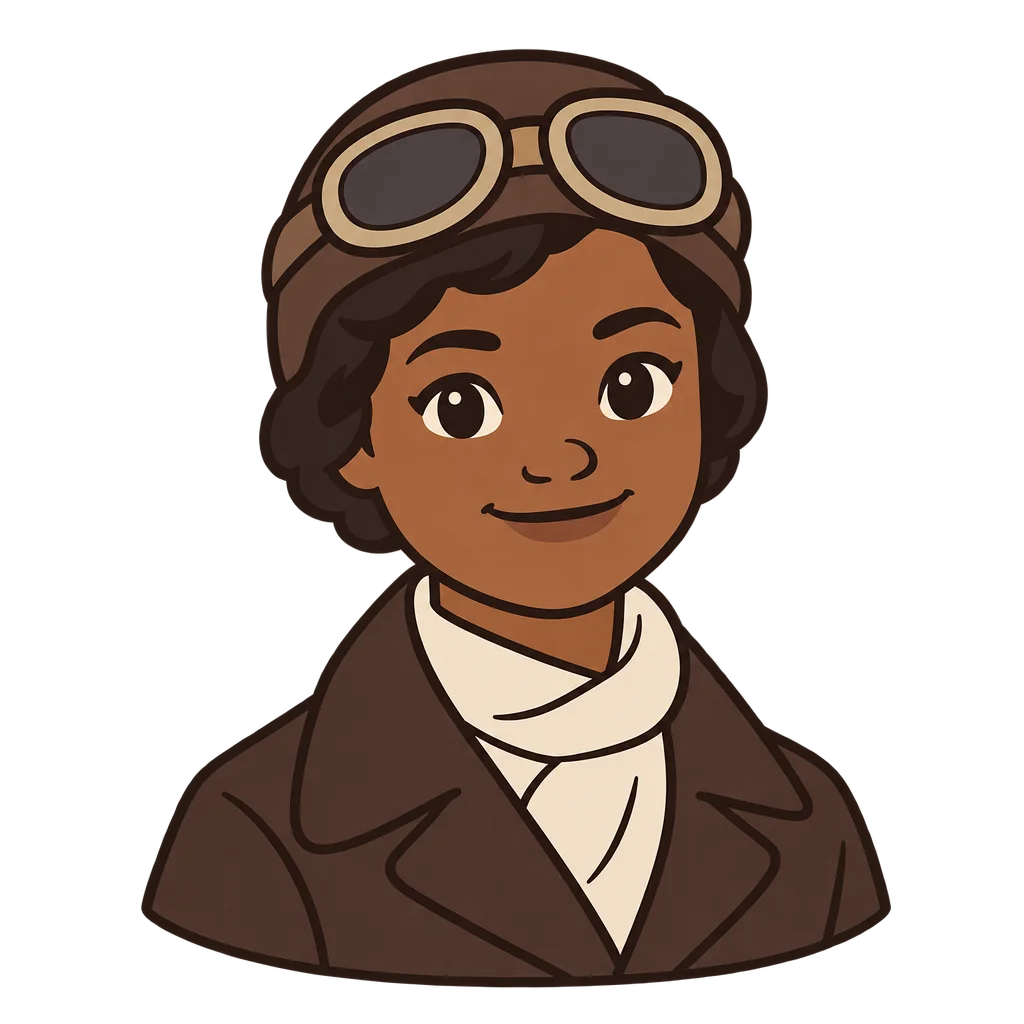
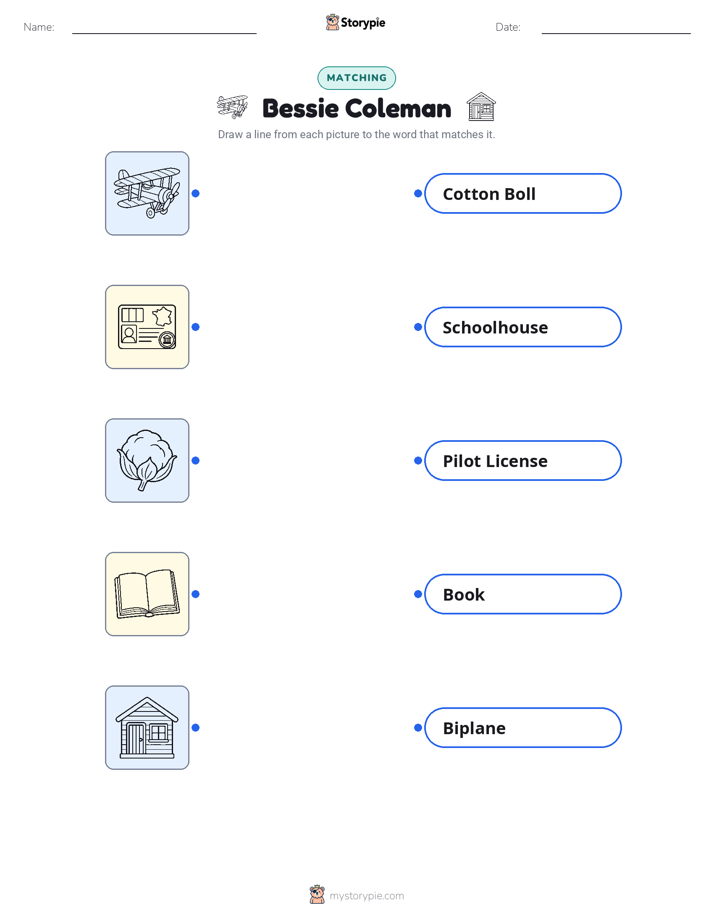
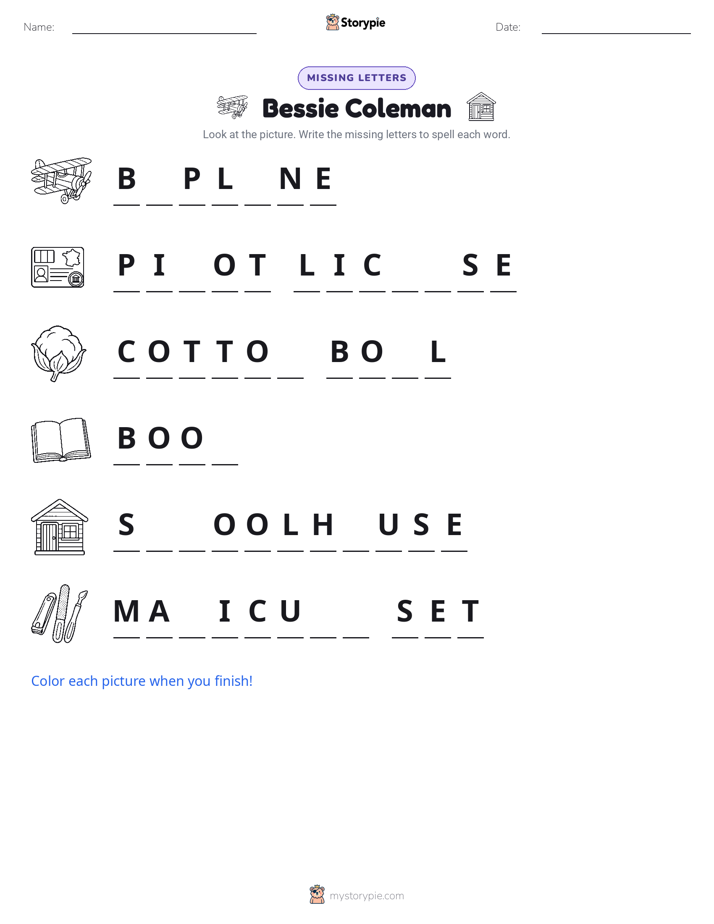
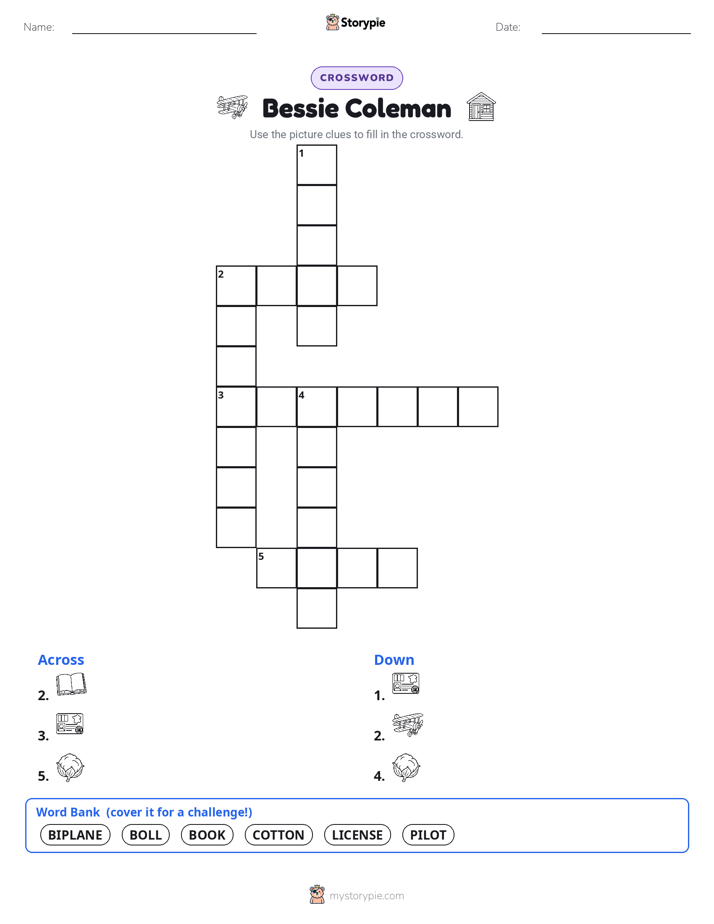
Hello, my name is Bessie Coleman, and I want to tell you how I learned to fly. I was born on January 26th, 1892, in a small town called Atlanta, Texas. Life was not easy. I was the tenth of thirteen children, and my family worked as sharecroppers, which meant we farmed land owned by someone else. Much of my childhood was spent picking cotton under the hot Texas sun, but my mind was always soaring somewhere else—usually in a book. I loved learning, especially math, and walked four miles each way to attend a one-room schoolhouse for Black children. I was so determined to continue my education that in 1910, I saved enough money to attend one semester of college. Unfortunately, I had to leave when my money ran out, but I held onto the belief that I was meant for something bigger.
In 1915, when I was 23 years old, I moved to Chicago to live with my brothers and start a new chapter. I found a job as a manicurist in a barbershop, which turned out to be a window to a wider world. I heard incredible stories from pilots who had returned from fighting in World War I, and a new dream began to form in my mind. My own brothers teased me, saying that women in France were allowed to fly planes, but an African American woman like me never could. Their words didn't discourage me—they made me determined. At that moment, I decided I would become a pilot. However, in America, every flight school I applied to turned me away. They refused me because I was a woman and because I was African American. But I would not let their 'no' be the final answer. If I couldn't learn to fly in my own country, I would go to France. I began taking French classes at night and found supportive people who believed in me, like Robert S. Abbott, the publisher of the Chicago Defender newspaper. With his help, I saved my money, and in November of 1920, I set sail for France.
Bessie Coleman
Hello, my name is Bessie Coleman, and I want to tell you how I learned to fly. I was born on January 26th, 1892, in a small town called Atlanta, Texas. Life was not easy. I was the tenth of thirteen children, and my family worked as sharecroppers, which meant we farmed land owned by someone else. Much of my childhood was spent picking cotton under the hot Texas sun, but my mind was always soaring somewhere else—usually in a book. I loved learning, especially math, and walked four miles each way to attend a one-room schoolhouse for Black children. I was so determined to continue my education that in 1910, I saved enough money to attend one semester of college. Unfortunately, I had to leave when my money ran out, but I held onto the belief that I was meant for something bigger.
In 1915, when I was 23 years old, I moved to Chicago to live with my brothers and start a new chapter. I found a job as a manicurist in a barbershop, which turned out to be a window to a wider world. I heard incredible stories from pilots who had returned from fighting in World War I, and a new dream began to form in my mind. My own brothers teased me, saying that women in France were allowed to fly planes, but an African American woman like me never could. Their words didn't discourage me—they made me determined. At that moment, I decided I would become a pilot. However, in America, every flight school I applied to turned me away. They refused me because I was a woman and because I was African American. But I would not let their 'no' be the final answer. If I couldn't learn to fly in my own country, I would go to France. I began taking French classes at night and found supportive people who believed in me, like Robert S. Abbott, the publisher of the Chicago Defender newspaper. With his help, I saved my money, and in November of 1920, I set sail for France.
France was an entirely new world, full of possibilities. I enrolled in a famous aviation school and began my training in a biplane that felt as if it were made of sticks and cloth. Learning to fly was challenging and sometimes frightening, but the feeling of soaring through the air was pure freedom. All my hard work paid off on June 15th, 1921, when I passed my final test and was awarded an international pilot’s license from the Fédération Aéronautique Internationale. This wasn't just a personal victory; it was a historic moment. I had become the very first African American woman and the first Native American in the world to earn a pilot's license. When I returned to the United States in September of 1921, I was a sensation. Newspapers wrote articles about my journey, and crowds gathered just to see the woman who had dared to fly. My old life as a manicurist was over; my new life as an aviator had just begun.
With my license in hand, I became a 'barnstormer,' a stunt pilot who performed in thrilling airshows across the country. People gave me nicknames like 'Queen Bess' and 'Brave Bessie.' I would perform daring maneuvers high in the sky—loops, figure eights, and steep dives—that left the crowds below in awe. But for me, flying had to be about more than just entertainment. At that time, America was a segregated country, where Black and white people were often forced to use separate entrances and sit in separate sections at public events. I took a stand against this injustice. I refused to perform at any airshow that practiced this kind of discrimination. In 1925, when I was scheduled to fly in my home state of Texas, I told the organizers I would not perform unless everyone, regardless of their race, could enter through the same gate. My ultimate dream was to open my own flight school to teach other African Americans how to fly. I toured the country, giving speeches and performing my stunts to raise money for this goal.
On April 30th, 1926, I was in Jacksonville, Florida, practicing for an airshow when a tragic accident occurred with my plane. I was 34 years old when my time on Earth ended. Although I never had the chance to build my school, my story did not end that day. I had shown the world that no barrier is too high to overcome if you have determination. My dream inspired a new generation of African American pilots, both men and women, who took to the skies after me. People formed aviation clubs in my name to continue my mission, and in 1995, the United States Postal Service honored me with my very own postage stamp. My life proved that if you have a dream and the courage to chase it, you can soar higher than you ever imagined.
Wow facts
About
Bessie Coleman was the first woman of African American and Native American descent to hold a pilot license. A pioneering aviator and barnstormer, she challenged racial and gender discrimination and became an inspiration for future generations of pilots.
Take a Quiz
Question 1 of 5
What was Bessie Coleman's 'ultimate dream' that she worked toward during her career as a barnstormer?
Explore next

Want to do even more?
Go beyond exploring. Unlock tools that turn every story into real learning.

Storypie Plus for families
Full stories, quizzes, and printables. Nights and car rides, sorted.
- Unlimited audio stories
- Create Mode: your child stars in the story
- Offline downloads
- Printable worksheets & coloring pages

Why Storypie for Schools
Students engaged. Prep in seconds. Evenings back to you.
- Worksheets & Quizzes
- Classroom Management
- Formative Assessment
- Custom Curriculum & Lesson Plans
- 27 Languages

Why Storypie for Homeschool
Curriculum done. They'll ask for more. Hours back in your day.
- Worksheet Generator
- First-Person Audio Stories
- Built-in Comprehension Quizzes
- Custom Curriculum & Lesson Plans
- Print & Go Activities