English

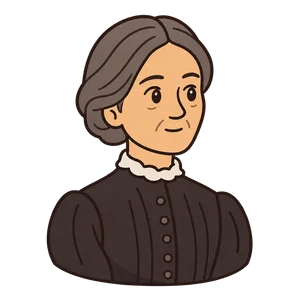
Caroline Herschel
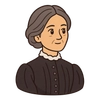
Caroline Herschel was a pioneering German-British astronomer who was the first woman to discover a comet…
Reads at Grades K-2 Listens at K–3
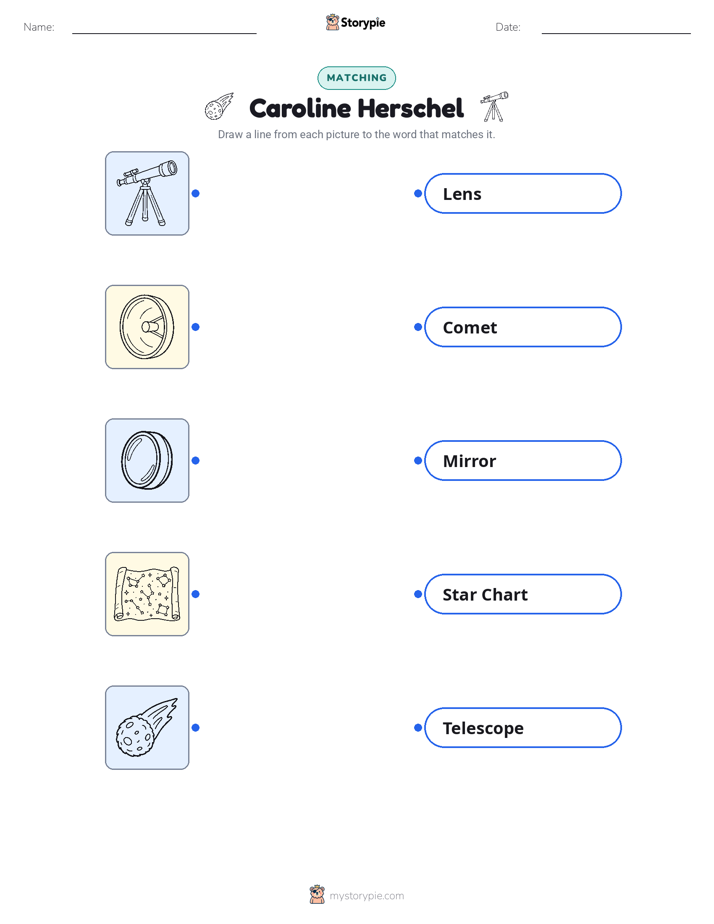
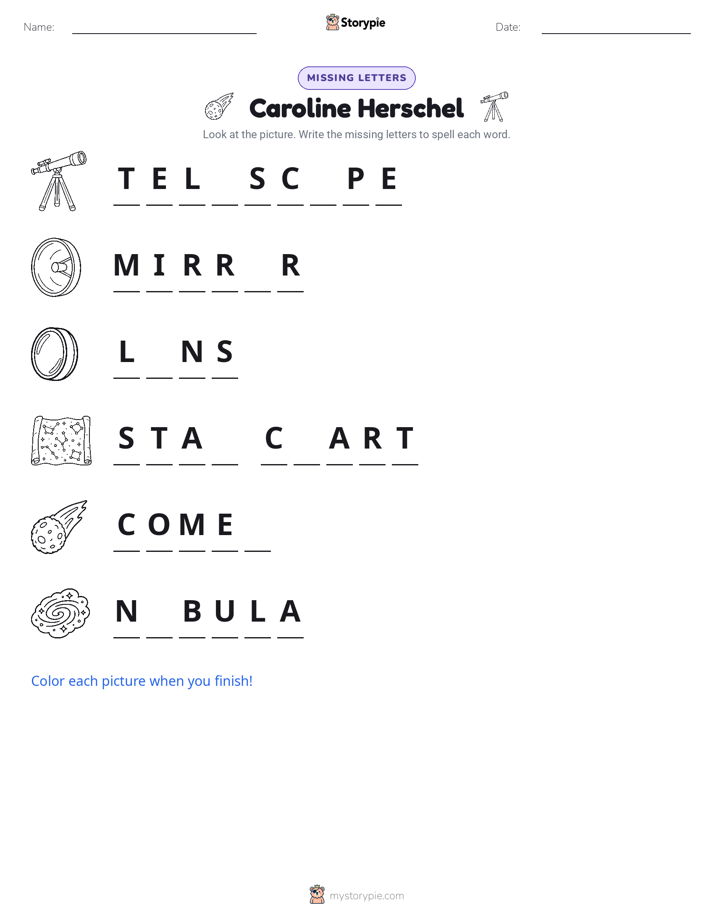
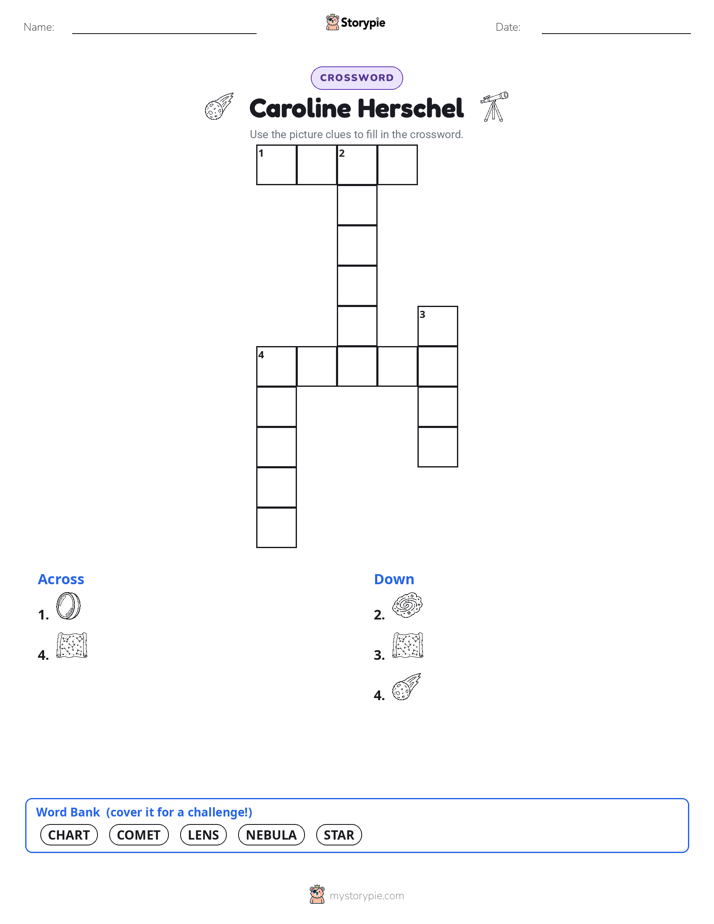
Print & create
Answer keys·No prep·Free with an account
28 worksheets · answer keys · full story · quiz · Ages 6-8 · CEFR A2
Plus adds 290,000+ more stories in 27 languages, audio for every one, and printables for all of them.
Just want Caroline Herschel?
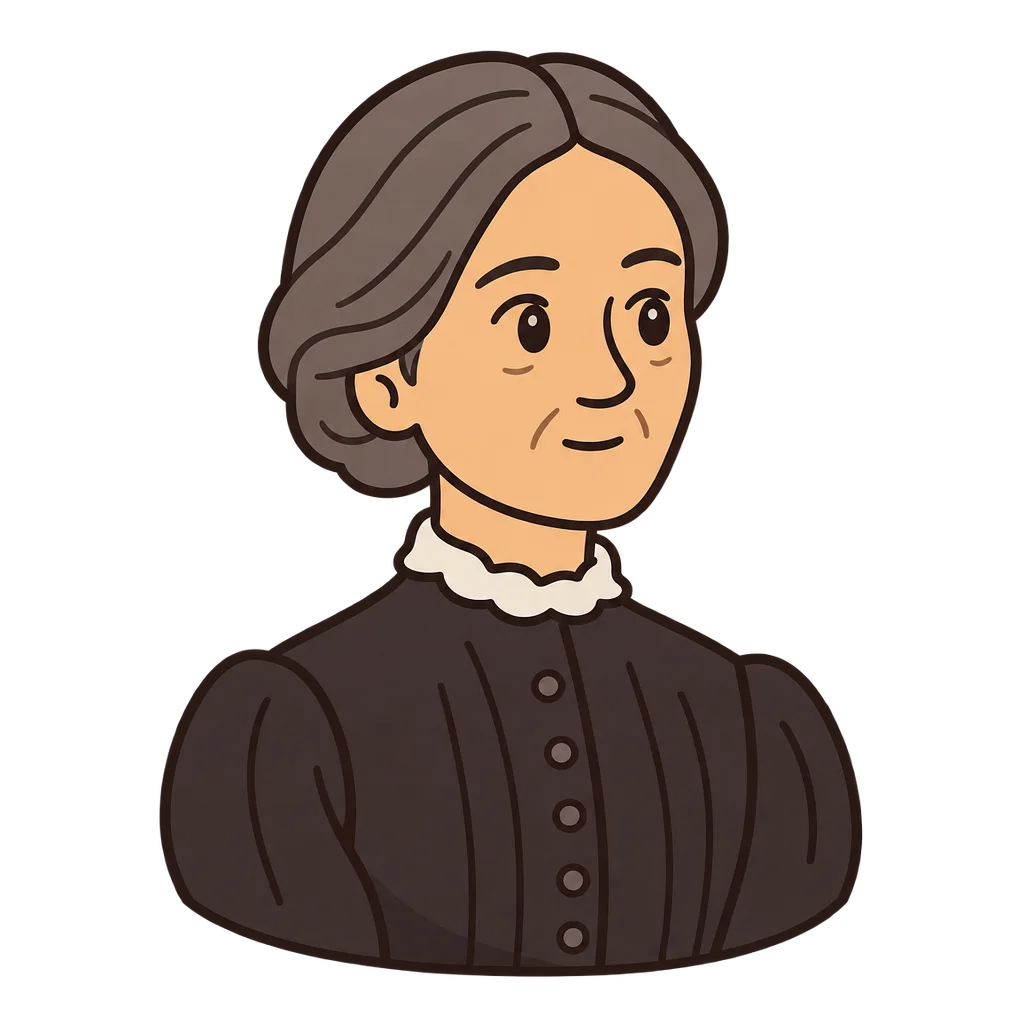
Hello there. My name is Caroline Herschel, and I want to tell you my story. I was born a long, long time ago, on March 16th, 1750, in a town called Hanover in Germany. I had nine brothers and sisters. When I was about ten years old, I got very sick, and the illness stopped me from growing tall. Some people thought I could only ever be a housemaid, but my father taught me music, and my big brother William and I loved to sing and play.
When I was 22 years old, in the year 1772, my wonderful brother William asked me to move to England with him. He was a famous musician in a city called Bath, and he wanted me to be a singer. I was very good, and people loved to hear me sing. But William had another passion: looking at the stars. He spent his nights building powerful telescopes, bigger and better than anyone had ever seen. Soon, I was spending my nights helping him, polishing the giant mirrors until they shone perfectly. It was hard work, but I loved being part of his exciting world.
Soon, I wasn't just polishing mirrors. William taught me mathematics, and I began looking through the telescopes with him. We would stay up all night, searching the dark sky for amazing things. In 1781, we made a huge discovery. William found a new planet, which we now call Uranus. We were so excited. The king of England, King George III, heard about our discovery and made William his personal astronomer. And guess what? In 1787, the king decided to pay me, too, for being my brother's assistant. I became the very first woman in England to be paid for doing science. I was no longer just a singer or a helper; I was a professional astronomer.
Caroline Herschel: A Star Gazer's Story
Hello there. My name is Caroline Herschel, and I want to tell you my story. I was born a long, long time ago, on March 16th, 1750, in a town called Hanover in Germany. I had nine brothers and sisters. When I was about ten years old, I got very sick, and the illness stopped me from growing tall. Some people thought I could only ever be a housemaid, but my father taught me music, and my big brother William and I loved to sing and play.
When I was 22 years old, in the year 1772, my wonderful brother William asked me to move to England with him. He was a famous musician in a city called Bath, and he wanted me to be a singer. I was very good, and people loved to hear me sing. But William had another passion: looking at the stars. He spent his nights building powerful telescopes, bigger and better than anyone had ever seen. Soon, I was spending my nights helping him, polishing the giant mirrors until they shone perfectly. It was hard work, but I loved being part of his exciting world.
Soon, I wasn't just polishing mirrors. William taught me mathematics, and I began looking through the telescopes with him. We would stay up all night, searching the dark sky for amazing things. In 1781, we made a huge discovery. William found a new planet, which we now call Uranus. We were so excited. The king of England, King George III, heard about our discovery and made William his personal astronomer. And guess what? In 1787, the king decided to pay me, too, for being my brother's assistant. I became the very first woman in England to be paid for doing science. I was no longer just a singer or a helper; I was a professional astronomer.
I loved working with William, but I also started searching the skies on my own with a smaller telescope. On August 1st, 1786, I saw something amazing—a fuzzy ball of light with a tail, moving across the stars. It was a comet. It was the first of eight comets I would discover all by myself. I also found many beautiful, glowing clouds in space called nebulae. I even created a giant list, or a catalogue, of stars to help other astronomers find their way around the night sky. The sky felt like my own special treasure map.
After my brother passed away, I moved back to my hometown in Germany. I kept working, making sure all of our discoveries were written down perfectly. For my work, I was given a special award in 1828, the Gold Medal from the Royal Astronomical Society. I was the first woman ever to receive one. I lived a very long and happy life filled with starry nights. I lived to be 97 years old. Today, people remember me as one of the first female astronomers who showed the world that women can be amazing scientists. I hope my story inspires you to look up at the stars and wonder what you might discover.
Wow facts
About
Caroline Herschel was a pioneering German-British astronomer who was the first woman to discover a comet, the first woman to be paid for her scientific work, and the first woman to be awarded the Gold Medal of the Royal Astronomical Society.
Take a Quiz
Question 1 of 4
What big discovery did Caroline and her brother William make in 1781?
Explore next


Want to do even more?
Go beyond exploring. Unlock tools that turn every story into real learning.

Storypie Plus for families
Full stories, quizzes, and printables. Nights and car rides, sorted.
- Unlimited audio stories
- Create Mode: your child stars in the story
- Offline downloads
- Printable worksheets & coloring pages

Why Storypie for Schools
Students engaged. Prep in seconds. Evenings back to you.
- Worksheets & Quizzes
- Classroom Management
- Formative Assessment
- Custom Curriculum & Lesson Plans
- 27 Languages

Why Storypie for Homeschool
Curriculum done. They'll ask for more. Hours back in your day.
- Worksheet Generator
- First-Person Audio Stories
- Built-in Comprehension Quizzes
- Custom Curriculum & Lesson Plans
- Print & Go Activities