English

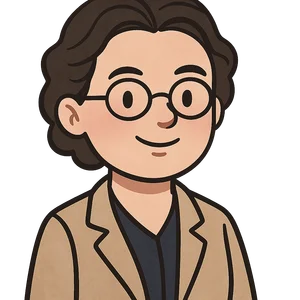
Cecilia Payne-Gaposchkin
A British-American astronomer and astrophysicist who, in her 1925 doctoral thesis…
Reads at Grades 6–8 Listens at Grades 4–8
Print & create
Answer keys·No prep·Free with an account
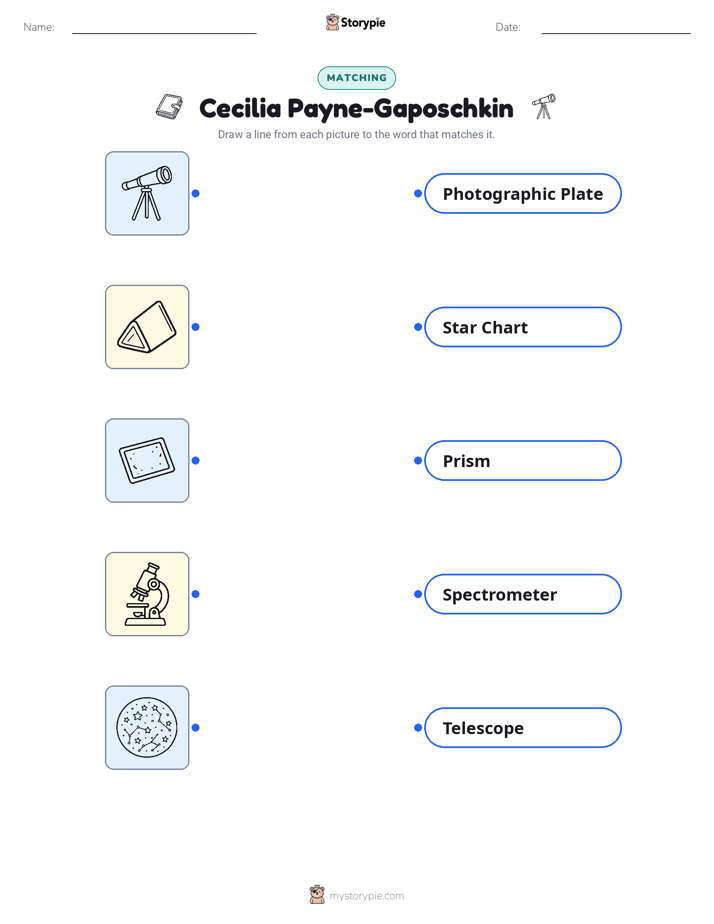
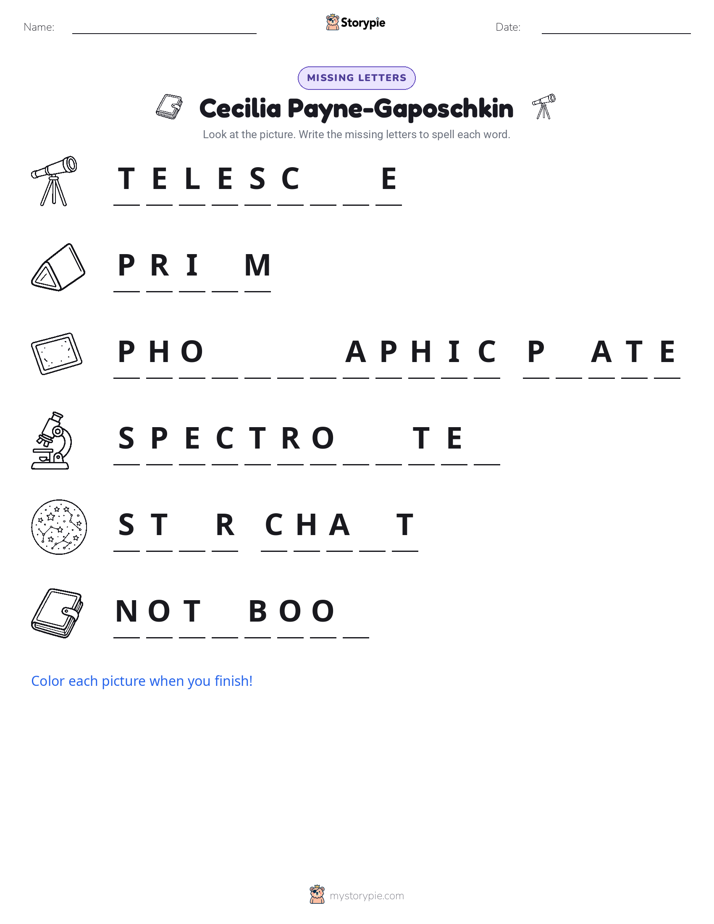
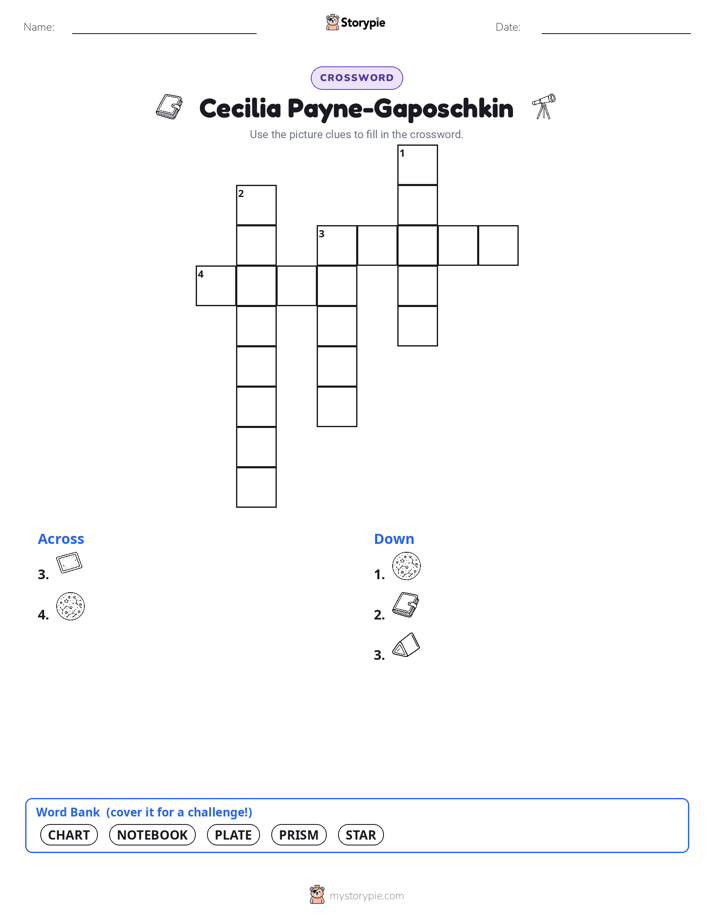
28 worksheets · answer keys · full story · quiz · Ages 10-12 · CEFR B2
Plus adds 208,000+ more stories in 27 languages, audio for every one, and printables for all of them.
Just want Cecilia Payne-Gaposchkin?
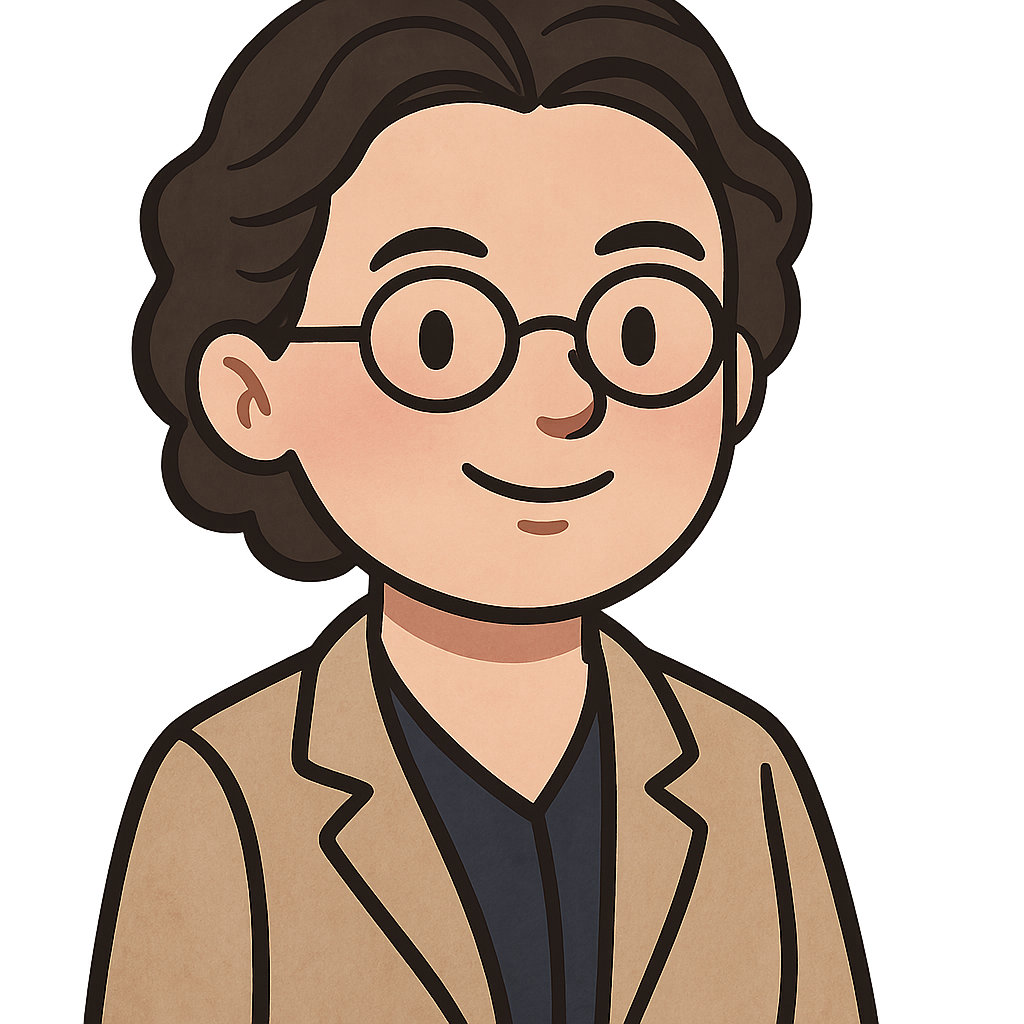
Hello! My name is Cecilia Payne, and I want to tell you how I discovered what the stars are made of. I was born on May 10th, 1900, in a town called Wendover in England. From a very young age, I was filled with a deep curiosity about the natural world, but nothing captured my imagination quite like the vast, star-filled night sky. The real turning point in my life came in 1919. I was a student at Cambridge University, and I had the chance to attend a lecture by the famous astronomer Sir Arthur Eddington. He spoke with such passion about traveling to see a solar eclipse to test Albert Einstein's revolutionary new ideas about the universe. Listening to him describe the mysteries of the cosmos felt like a spark igniting inside me. In that moment, I knew with absolute certainty that I had to dedicate my life to astronomy.
Studying science as a woman in the early 20th century was not a simple path. I devoted myself to my studies at Cambridge University, working tirelessly to master physics, chemistry, and astronomy. However, when I completed all my work in 1923, the university refused to grant me a degree. At that time, Cambridge did not officially award degrees to women, no matter how brilliant or hardworking they were. I was deeply disappointed, but I refused to be defeated. I knew my work was important, and I needed to find a place where it would be valued. Fortunately, I had the opportunity to meet Harlow Shapley, the director of the Harvard College Observatory in the United States. He recognized my potential and encouraged me to come to Harvard to continue my research. So, in 1923, I packed my bags and sailed across the Atlantic Ocean to begin a new chapter of my life in America.
Cecilia Payne: The Star Discoverer
Hello! My name is Cecilia Payne, and I want to tell you how I discovered what the stars are made of. I was born on May 10th, 1900, in a town called Wendover in England. From a very young age, I was filled with a deep curiosity about the natural world, but nothing captured my imagination quite like the vast, star-filled night sky. The real turning point in my life came in 1919. I was a student at Cambridge University, and I had the chance to attend a lecture by the famous astronomer Sir Arthur Eddington. He spoke with such passion about traveling to see a solar eclipse to test Albert Einstein's revolutionary new ideas about the universe. Listening to him describe the mysteries of the cosmos felt like a spark igniting inside me. In that moment, I knew with absolute certainty that I had to dedicate my life to astronomy.
Studying science as a woman in the early 20th century was not a simple path. I devoted myself to my studies at Cambridge University, working tirelessly to master physics, chemistry, and astronomy. However, when I completed all my work in 1923, the university refused to grant me a degree. At that time, Cambridge did not officially award degrees to women, no matter how brilliant or hardworking they were. I was deeply disappointed, but I refused to be defeated. I knew my work was important, and I needed to find a place where it would be valued. Fortunately, I had the opportunity to meet Harlow Shapley, the director of the Harvard College Observatory in the United States. He recognized my potential and encouraged me to come to Harvard to continue my research. So, in 1923, I packed my bags and sailed across the Atlantic Ocean to begin a new chapter of my life in America.
At Harvard, I was given access to a vast collection of photographic plates showing the light from hundreds of thousands of stars. My job was to analyze this starlight. When you pass starlight through a prism, it splits into a rainbow of colors, which scientists call a spectrum. But this stellar rainbow is unique because it's crossed by thin, dark lines. I understood that these lines were like fingerprints, unique patterns left by the chemical elements within the star. The scientific community at the time, including the most respected experts, was certain that stars were made of the same heavy elements as our own planet. But as I carefully studied spectrum after spectrum, the evidence told me a radically different story. In my Ph.D. thesis, which I completed in 1925, I presented my incredible conclusion: stars were not at all like Earth. They were made almost entirely of the two lightest and simplest elements in the universe—hydrogen and helium.
My discovery was so revolutionary that it was met with immediate disbelief. It completely contradicted the accepted scientific wisdom of the day. A highly respected astronomer named Henry Norris Russell, who was considered the leading authority on stars, reviewed my work. He wrote to me and insisted my conclusion was 'clearly impossible.' As a young woman just beginning my career, it was incredibly intimidating to challenge such a powerful figure. He strongly advised me not to publish my finding. Feeling immense pressure, I added a sentence to my final paper suggesting that my own results were probably incorrect. It was a difficult compromise, but I continued my research. Just four years later, in 1929, that very same astronomer conducted his own research and arrived at the same conclusion I had. He published his findings, confirming that stars are indeed mostly hydrogen, and to his credit, he made sure to acknowledge my original discovery.
I remained at Harvard for my entire career, dedicating my life to studying the stars. In 1934, I married a fellow astronomer, Sergei Gaposchkin, who became my partner in both life and science. Together, we studied variable stars and raised our three children. For many years, women at Harvard were not given the same professional titles or recognition as their male colleagues, but I persevered, focusing on my work and teaching. My dedication eventually paid off. In 1956, I broke a significant barrier when I became the first woman to be appointed as a full professor at Harvard’s Faculty of Arts and Sciences. Later, I also became the first woman to chair a department at Harvard. It was a long and sometimes challenging journey, but I was proud to help pave the way for the many women in science who would come after me.
I lived to be 79 years old, passing away on December 7th, 1979. My discovery that the universe is overwhelmingly made of hydrogen and helium fundamentally changed our understanding of stars and the cosmos, becoming a cornerstone of modern astronomy. I hope my story inspires you to always stay curious, to trust the evidence you gather through careful observation, and to never let anyone convince you that your dreams are impossible simply because no one has dreamed them before.
Wow facts
About
A British-American astronomer and astrophysicist who, in her 1925 doctoral thesis, proposed that stars were composed primarily of hydrogen and helium, a foundational discovery in astrophysics.
Take a Quiz
Question 1 of 5
What was Cecilia Payne's most important scientific discovery, which she published in her thesis in 1925?
Explore next


Want to do even more?
Go beyond exploring. Unlock tools that turn every story into real learning.

Storypie Plus for families
Full stories, quizzes, and printables. Nights and car rides, sorted.
- Unlimited audio stories
- Create Mode: your child stars in the story
- Offline downloads
- Printable worksheets & coloring pages

Why Storypie for Schools
Students engaged. Prep in seconds. Evenings back to you.
- Worksheets & Quizzes
- Classroom Management
- Formative Assessment
- Custom Curriculum & Lesson Plans
- 27 Languages

Why Storypie for Homeschool
Curriculum done. They'll ask for more. Hours back in your day.
- Worksheet Generator
- First-Person Audio Stories
- Built-in Comprehension Quizzes
- Custom Curriculum & Lesson Plans
- Print & Go Activities