English

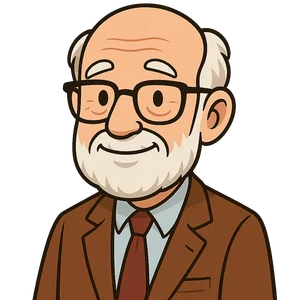
Charles H. Townes
Charles H.
Reads at Grades K-2 Listens at K–3
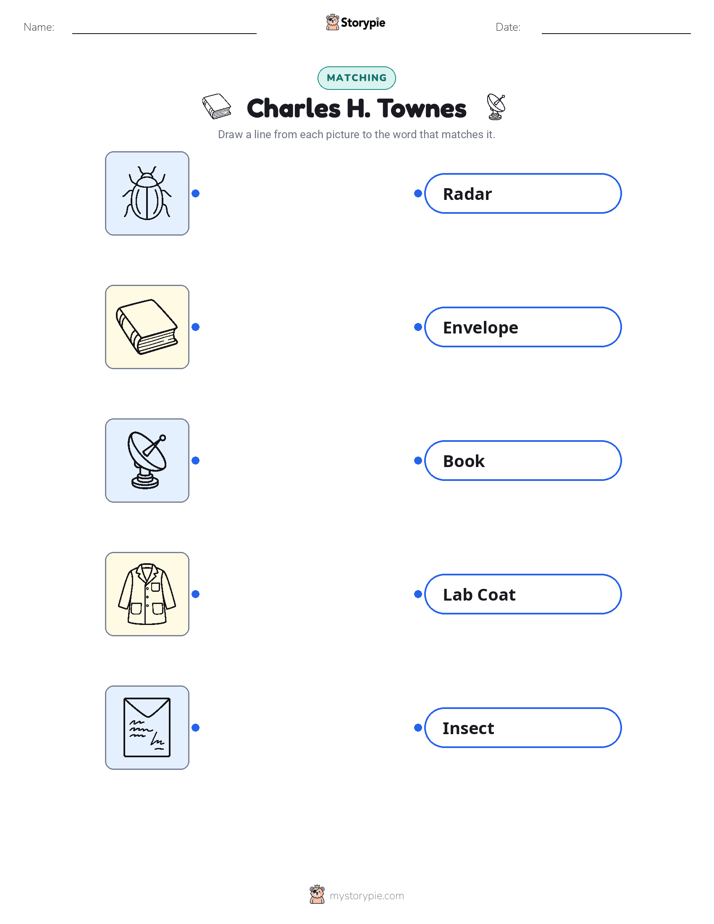
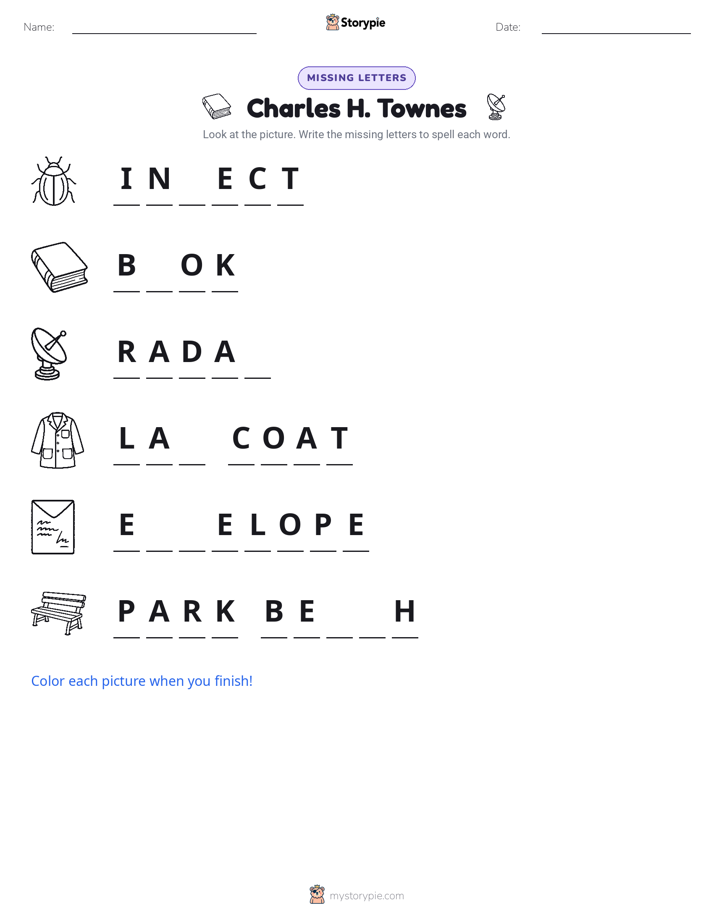
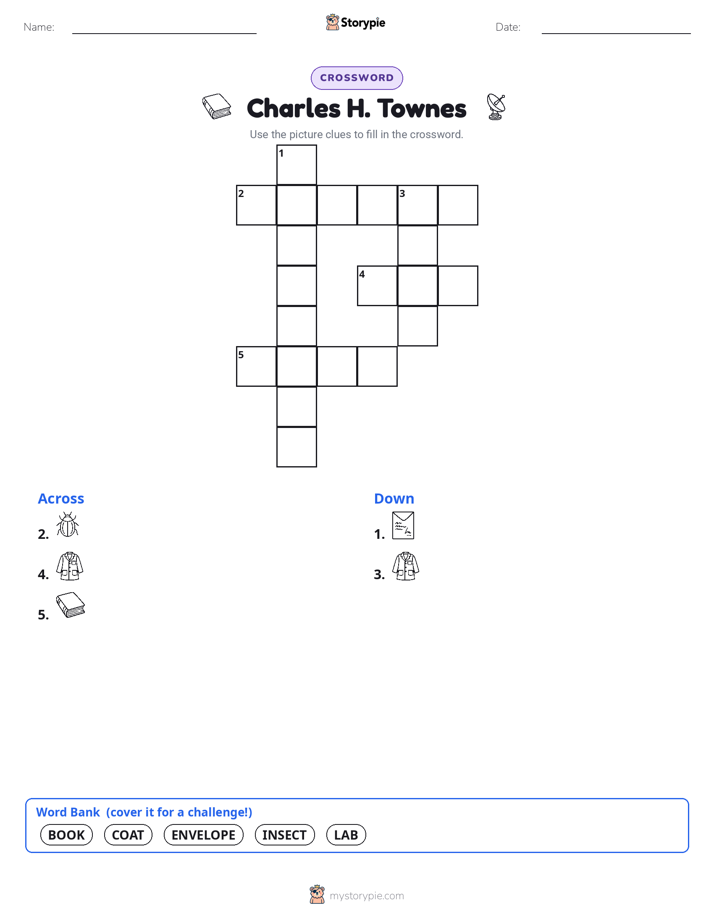
Print & create
Answer keys·No prep·Free with an account
28 worksheets · answer keys · full story · quiz · Ages 6-8 · CEFR A2
Plus adds 244,000+ more stories in 27 languages, audio for every one, and printables for all of them.
Just want Charles H. Townes?
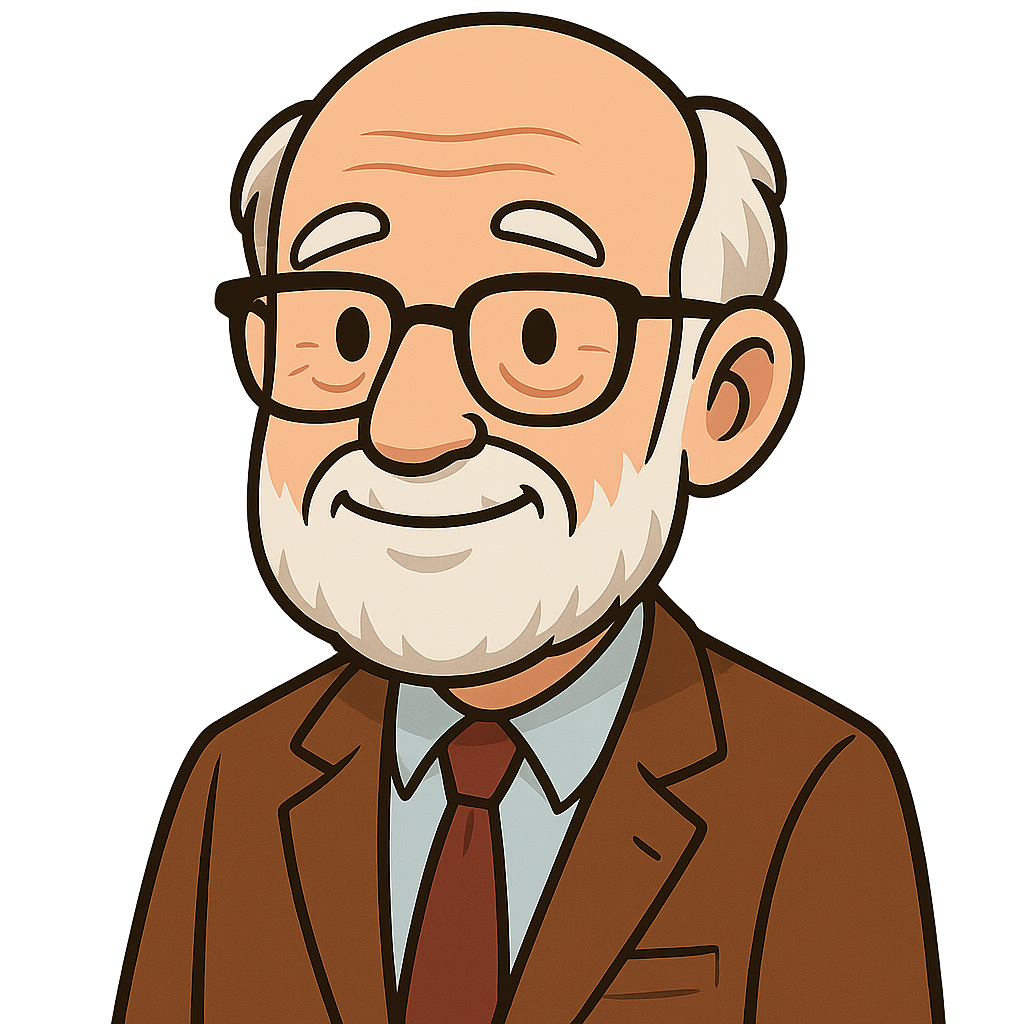
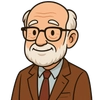
Hello. My name is Charles Townes, and I was a scientist who was always asking questions. I was born on July 28th, 1915, in a town called Greenville, South Carolina. Growing up on a farm, I was fascinated by the world around me. I loved exploring and studying everything I could find, from tiny insects and tadpoles in the pond to the big, bright stars in the night sky. I always wanted to understand how everything worked. It was my biggest and most favorite puzzle.
I loved learning so much that I went to college when I was only 15 years old. After I finished school, I started working as a scientist. My job was to study invisible waves, like the kind used in radios. One morning in the year 1951, I was sitting on a park bench in Washington, D.C., waiting for a restaurant to open. I was looking at the beautiful flowers and suddenly, a wonderful idea popped into my head. It was an idea for how to make a super-strong and focused beam of these invisible waves. I decided to call my idea the 'maser.' My team and I worked very hard, and in 1954, we built the very first one.
The maser was very exciting, but it made me think even bigger. I wondered, if we can make a special beam of microwaves, could we do the same thing with light? I talked about this new idea with my friend and brother-in-law, Arthur Schawlow. Together, we figured out how to do it. In 1958, we wrote down our idea for something we called a 'laser.' A laser is like a super-powered, perfectly straight flashlight beam. Today, you can see lasers everywhere. They scan your groceries at the store, help doctors in hospitals, and even create amazing light shows.
Charles Townes: The Man Who Made Light Beams
Hello. My name is Charles Townes, and I was a scientist who was always asking questions. I was born on July 28th, 1915, in a town called Greenville, South Carolina. Growing up on a farm, I was fascinated by the world around me. I loved exploring and studying everything I could find, from tiny insects and tadpoles in the pond to the big, bright stars in the night sky. I always wanted to understand how everything worked. It was my biggest and most favorite puzzle.
I loved learning so much that I went to college when I was only 15 years old. After I finished school, I started working as a scientist. My job was to study invisible waves, like the kind used in radios. One morning in the year 1951, I was sitting on a park bench in Washington, D.C., waiting for a restaurant to open. I was looking at the beautiful flowers and suddenly, a wonderful idea popped into my head. It was an idea for how to make a super-strong and focused beam of these invisible waves. I decided to call my idea the 'maser.' My team and I worked very hard, and in 1954, we built the very first one.
The maser was very exciting, but it made me think even bigger. I wondered, if we can make a special beam of microwaves, could we do the same thing with light? I talked about this new idea with my friend and brother-in-law, Arthur Schawlow. Together, we figured out how to do it. In 1958, we wrote down our idea for something we called a 'laser.' A laser is like a super-powered, perfectly straight flashlight beam. Today, you can see lasers everywhere. They scan your groceries at the store, help doctors in hospitals, and even create amazing light shows.
In 1964, I received a very special award called the Nobel Prize for my work on the maser and the laser. It made me so happy to know that my ideas were helping people all over the world. I lived to be 99 years old, and my life was full of exciting discoveries. I was always driven by curiosity, that feeling of wanting to know more. I hope you always stay curious, too, because you never know what amazing ideas might pop into your head when you're just looking at the world around you.
Wow facts
About
Charles H. Townes was an American physicist and inventor who conceived of the maser and made fundamental contributions to the theory of the laser, for which he shared the 1964 Nobel Prize in Physics.
Take a Quiz
Question 1 of 4
Why did Charles Townes like to study insects and stars as a child?
Explore next






Want to do even more?
Go beyond exploring. Unlock tools that turn every story into real learning.

Storypie Plus for families
Full stories, quizzes, and printables. Nights and car rides, sorted.
- Unlimited audio stories
- Create Mode: your child stars in the story
- Offline downloads
- Printable worksheets & coloring pages

Why Storypie for Schools
Students engaged. Prep in seconds. Evenings back to you.
- Worksheets & Quizzes
- Classroom Management
- Formative Assessment
- Custom Curriculum & Lesson Plans
- 27 Languages

Why Storypie for Homeschool
Curriculum done. They'll ask for more. Hours back in your day.
- Worksheet Generator
- First-Person Audio Stories
- Built-in Comprehension Quizzes
- Custom Curriculum & Lesson Plans
- Print & Go Activities