English

Cherokee
The Cherokee are a Native American people, originally from the Southeastern Woodlands…
Reads at Grades 6–8 Listens at Grades 4–8
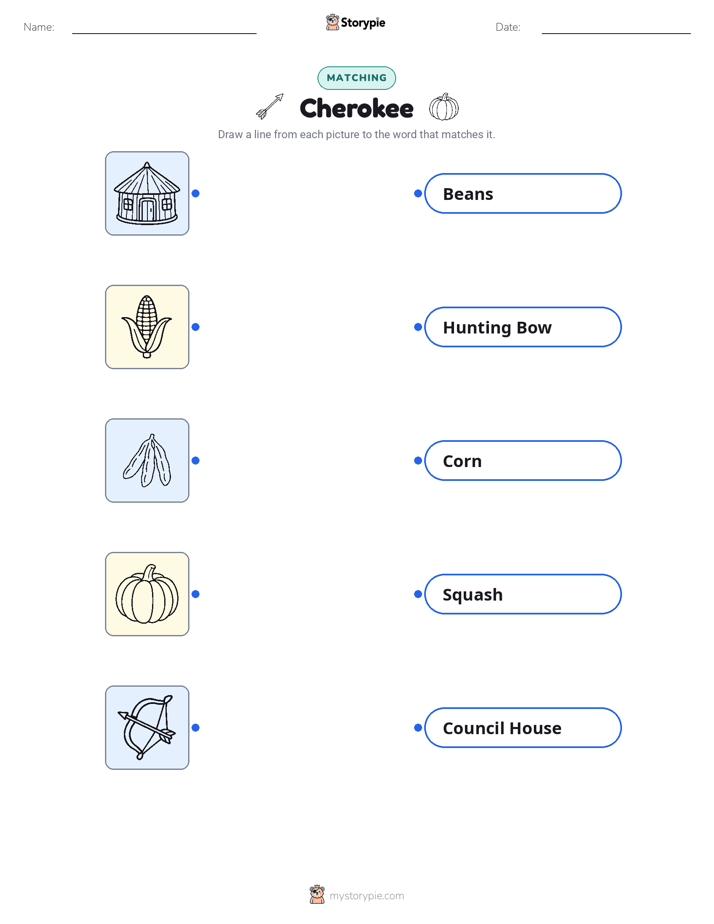
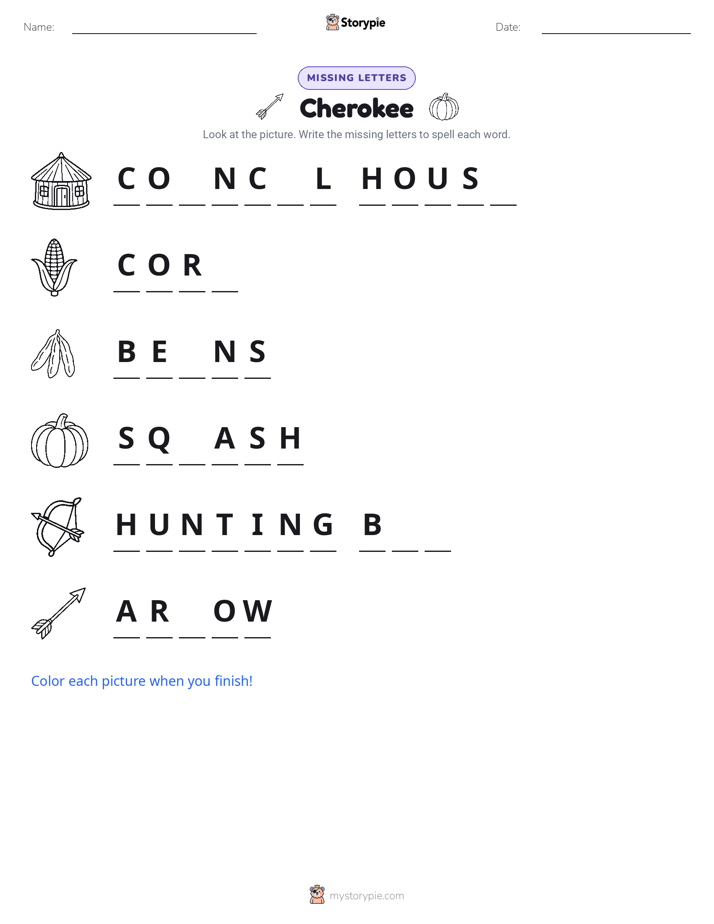
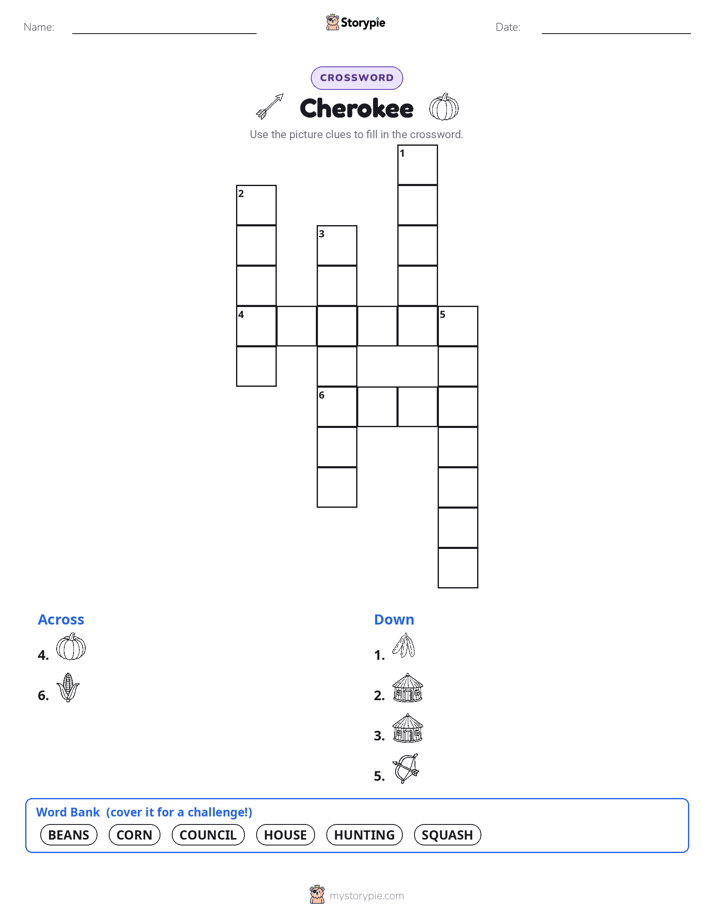
Print & create
Answer keys·No prep·Free with an account
28 worksheets · answer keys · full story · quiz · Ages 10-12 · CEFR B2
Plus adds 102,000+ more stories in 27 languages, audio for every one, and printables for all of them.
Just want Cherokee?
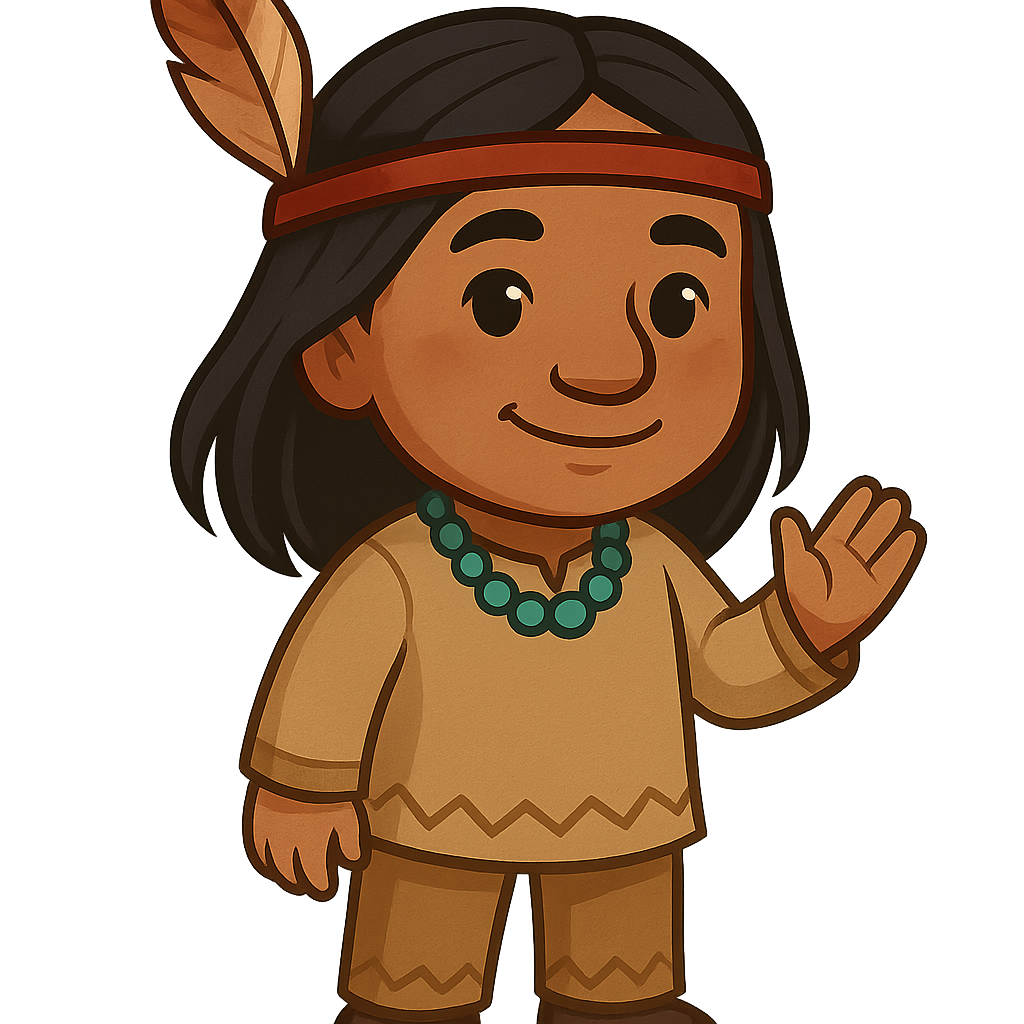
Hello, we are the Cherokee, but in our own language, we call ourselves the Aniyunwiya—the Principal People. For thousands of years, our home was in the beautiful green mountains and lush river valleys of what is now the southeastern United States. Long before any other people arrived on this continent, our towns and villages spread across the land, connected by trails that wound through ancient forests. We built our homes from wood and earth, and at the heart of each town stood a large council house where we gathered for ceremonies and important meetings. Our lives were deeply connected to the seasons and the land. We were skilled farmers, known for growing the 'Three Sisters'—corn, beans, and squash—which we planted together because they helped each other grow. We were also expert hunters and fishers who understood the secrets of the forest. Our society was organized into seven clans, and our family lines were traced through our mothers, which means children belonged to their mother's clan. Our clan mothers were highly respected leaders in our communities, and we lived by a philosophy of maintaining balance and harmony with nature and with one another.
In the 1500s, strangers with pale skin arrived in our lands. These were the first European explorers, and their coming marked the beginning of a time of great change for our people. At first, we traded with them, learning about new tools like metal pots and firearms, and in return, we taught them about our ways of life. Over the next two centuries, we adapted and found ways to live alongside our new neighbors. We believed we could be our own sovereign nation, just like the United States. In the early 1800s, we formed a government modeled on the U.S. government, and we adopted a written constitution on July 26th, 1827. We built a capital city at New Echota, Georgia, which had its own council house, a courthouse, and even a printing press. One of our greatest achievements came in 1821, when a brilliant man from our nation named Sequoyah created a way for us to write our own language. He developed a syllabary, a set of written symbols for each sound in the Cherokee language. Within just a few years, thousands of our people became literate. On February 21st, 1828, we began printing our own newspaper, the Cherokee Phoenix, in both Cherokee and English, to share our news and defend our rights as a nation.
The Story of the Cherokee People
Hello, we are the Cherokee, but in our own language, we call ourselves the Aniyunwiya—the Principal People. For thousands of years, our home was in the beautiful green mountains and lush river valleys of what is now the southeastern United States. Long before any other people arrived on this continent, our towns and villages spread across the land, connected by trails that wound through ancient forests. We built our homes from wood and earth, and at the heart of each town stood a large council house where we gathered for ceremonies and important meetings. Our lives were deeply connected to the seasons and the land. We were skilled farmers, known for growing the 'Three Sisters'—corn, beans, and squash—which we planted together because they helped each other grow. We were also expert hunters and fishers who understood the secrets of the forest. Our society was organized into seven clans, and our family lines were traced through our mothers, which means children belonged to their mother's clan. Our clan mothers were highly respected leaders in our communities, and we lived by a philosophy of maintaining balance and harmony with nature and with one another.
In the 1500s, strangers with pale skin arrived in our lands. These were the first European explorers, and their coming marked the beginning of a time of great change for our people. At first, we traded with them, learning about new tools like metal pots and firearms, and in return, we taught them about our ways of life. Over the next two centuries, we adapted and found ways to live alongside our new neighbors. We believed we could be our own sovereign nation, just like the United States. In the early 1800s, we formed a government modeled on the U.S. government, and we adopted a written constitution on July 26th, 1827. We built a capital city at New Echota, Georgia, which had its own council house, a courthouse, and even a printing press. One of our greatest achievements came in 1821, when a brilliant man from our nation named Sequoyah created a way for us to write our own language. He developed a syllabary, a set of written symbols for each sound in the Cherokee language. Within just a few years, thousands of our people became literate. On February 21st, 1828, we began printing our own newspaper, the Cherokee Phoenix, in both Cherokee and English, to share our news and defend our rights as a nation.
Despite all our efforts to live peacefully and adapt, many settlers wanted our land. Their desire for it grew even stronger after gold was discovered in Georgia in 1828. The government of the United States began to pressure us to leave our ancestral homes. In 1830, President Andrew Jackson signed the Indian Removal Act, a law designed to force us to trade our eastern lands for new lands in the West. We refused to leave the home of our ancestors. As a sovereign nation, we took our fight to the highest court in the United States. In 1832, the Supreme Court ruled in our favor in a case called Worcester v. Georgia, declaring that the state of Georgia had no authority over our nation. President Jackson, however, ignored the court's decision. A small group of our people, acting without the permission of our national council, signed the Treaty of New Echota in 1835, which gave away all our lands. In the spring of 1838, thousands of U.S. soldiers invaded our nation. They forced us from our homes at gunpoint, herded us into crowded stockades, and then marched us over a thousand miles west to what is now Oklahoma. The journey was long and brutal, marked by cold, hunger, and disease. This forced march is now known as the Trail of Tears, a name that honors the great sadness and the more than 4,000 of our 16,000 people who lost their lives. It was the darkest chapter in our history.
When we arrived in the new 'Indian Territory,' we were heartbroken, but our spirit was not broken. We had to start over from nothing. We immediately set to work rebuilding our nation. In 1839, we established a new capital city at Tahlequah and adopted a new constitution to govern ourselves. We built new log cabin homes, planted fields of corn, and opened schools for our children, because we have always understood that education is the key to our future. We even created a female seminary and a male seminary, which were some of the first institutions of higher learning west of the Mississippi River. The years that followed were not easy. The American Civil War divided our nation, and the U.S. government continued to break its promises and take more of our land. But through every hardship, we held on to our culture, our language, and our identity as Aniyunwiya. We remembered the strength of our ancestors and worked to create a better future for our children.
Our story is one of terrible loss, but it is also a story of incredible survival, strength, and resilience. Today, the Cherokee Nation is one of the largest tribes in the United States, with a thriving government, successful businesses, and excellent schools and hospitals. We are doctors, lawyers, artists, teachers, and leaders who contribute to the world. A small group of our people, the Eastern Band of Cherokee Indians, managed to remain in our ancestral homelands in North Carolina, and their community is also strong and vibrant today. We honor our ancestors who walked the Trail of Tears by keeping our culture alive. We teach our language to our children, practice our traditional arts, and share the stories of our past. We want the world to know that we are still here, a proud and sovereign people, carrying the fire of the Aniyunwiya into the future.
Wow facts
About
The Cherokee are a Native American people, originally from the Southeastern Woodlands, known for their resilience, the creation of a unique writing system, and some Cherokee's survival of the forced removal known as the Trail of Tears.
Take a Quiz
Question 1 of 5
In your own words, describe the main events of the Trail of Tears as told in the story.
Explore next





Want to do even more?
Go beyond exploring. Unlock tools that turn every story into real learning.

Storypie Plus for families
Full stories, quizzes, and printables. Nights and car rides, sorted.
- Unlimited audio stories
- Create Mode: your child stars in the story
- Offline downloads
- Printable worksheets & coloring pages

Why Storypie for Schools
Students engaged. Prep in seconds. Evenings back to you.
- Worksheets & Quizzes
- Classroom Management
- Formative Assessment
- Custom Curriculum & Lesson Plans
- 27 Languages

Why Storypie for Homeschool
Curriculum done. They'll ask for more. Hours back in your day.
- Worksheet Generator
- First-Person Audio Stories
- Built-in Comprehension Quizzes
- Custom Curriculum & Lesson Plans
- Print & Go Activities