English

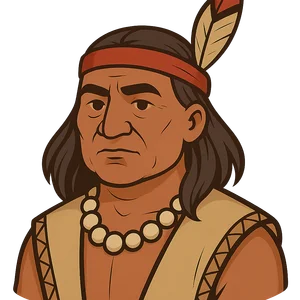
Chief Powhatan
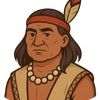
Wahunsenacawh, known as Chief Powhatan, was the paramount chief of the Powhatan Confederacy…
Reads at Grades 3–5 Listens at Grades 1–5
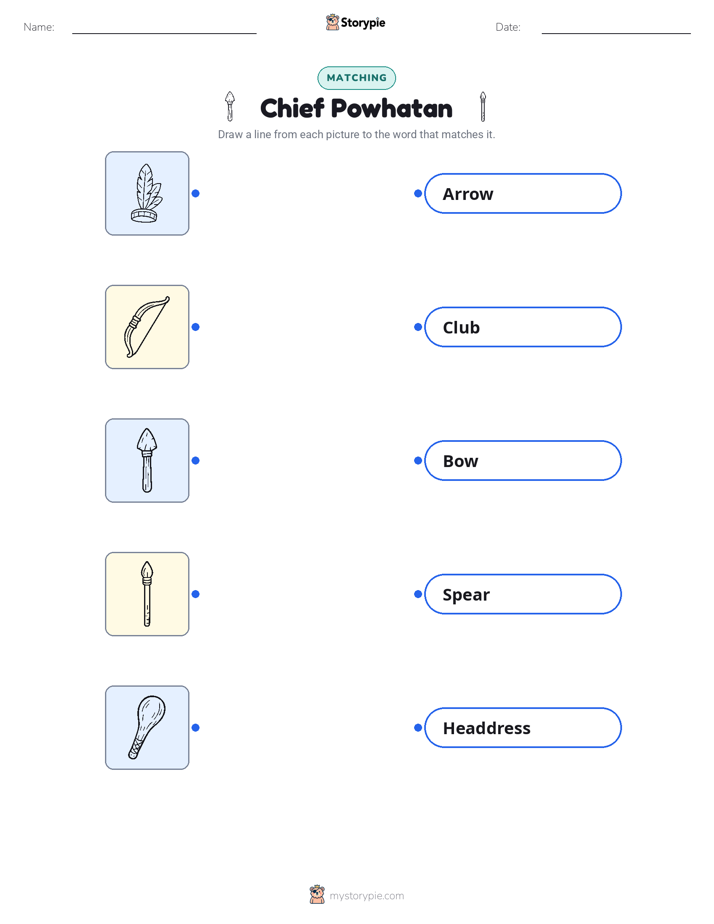
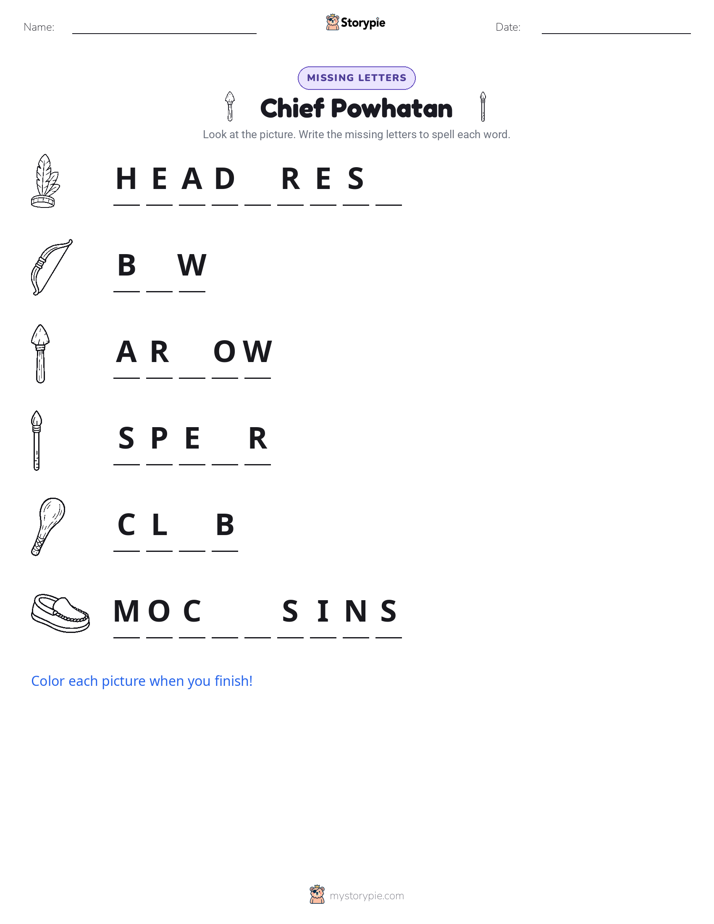
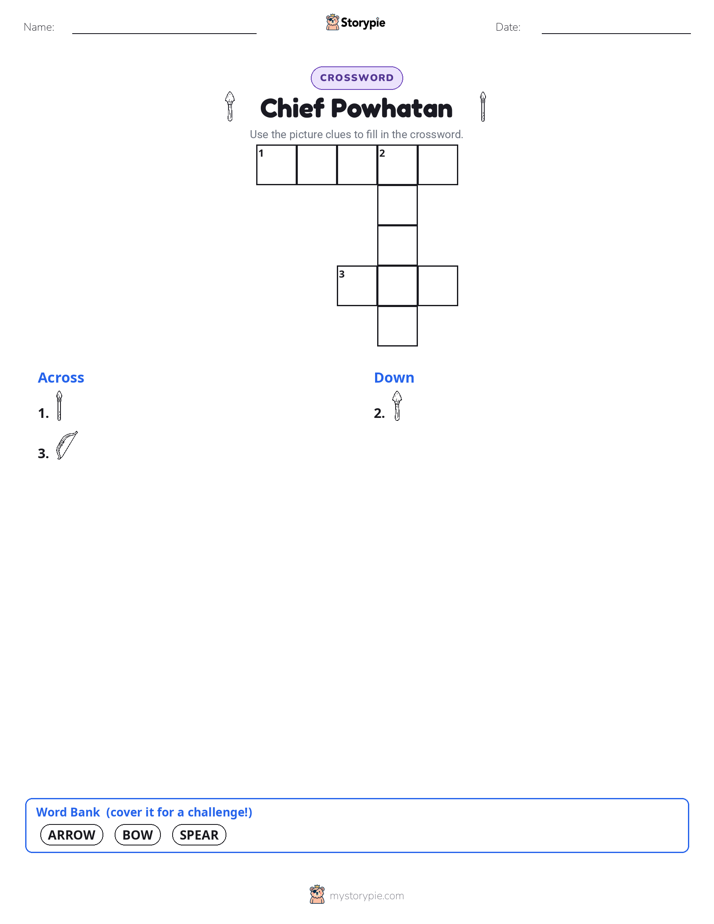
Print & create
Answer keys·No prep·Free with an account
28 worksheets · answer keys · full story · quiz · Ages 8-10 · CEFR B1
Plus adds 102,000+ more stories in 27 languages, audio for every one, and printables for all of them.
Just want Chief Powhatan?
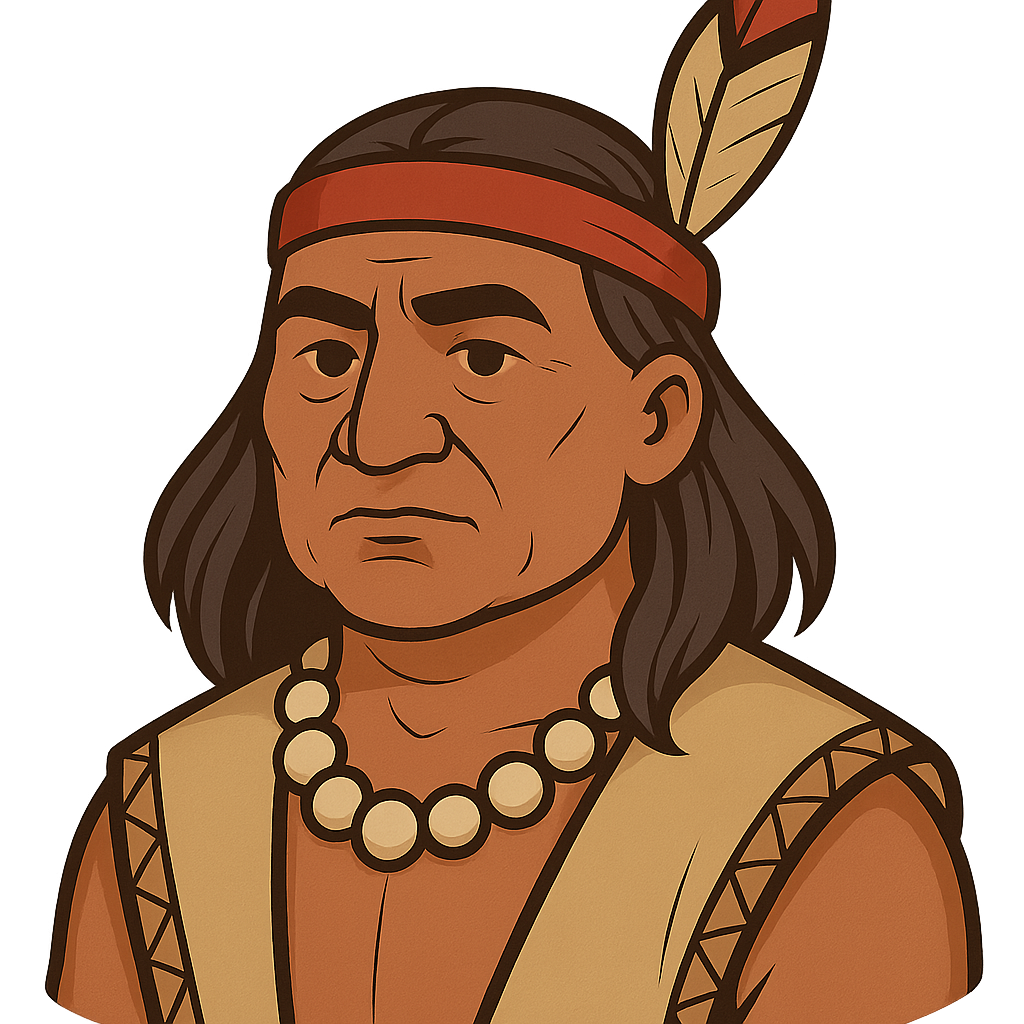
Hello, my name is Wahunsenacawh, but you may know me by another name: Powhatan. That was the name of my home village, and it is also the name of my people. I was born around the year 1547 in a beautiful land my people called Tsenacommacah, which means ‘densely inhabited land.’ Today, you call this land Virginia. I was the mamanatowick, or paramount chief, of the Powhatan Confederacy. This was a large group of about thirty different tribes who all spoke the Algonquian language. As the leader, it was my important job to guide and protect all of them.
For many years before I became the paramount chief, our many tribes sometimes fought with one another. I worked very hard to bring all of our people together in peace. By the early 1600s, I had united all the tribes in Tsenacommacah, from the river you now call the James to the one you call the Potomac. Being united made us strong. Our villages were full of life and activity. We were expert farmers, growing crops like corn, beans, and squash. We were also skilled hunters and fishers. We lived in homes called yehakins, which were built from young trees called saplings and covered with woven mats. As the mamanatowick, I made sure that every village had what it needed and that we all lived peacefully together.
One day in the spring of 1607, something happened that would change our world forever. Three large ships with white sails appeared on the water. These were English settlers who had crossed the great ocean. They chose a piece of land on the river and began to build a fort, which they named Jamestown. At first, my people and I were curious about these newcomers. They had different tools, different clothes, and a different language. We watched them closely from a distance, trying to understand who they were and why they had come to our home.
A Story of My People, by Chief Powhatan
Hello, my name is Wahunsenacawh, but you may know me by another name: Powhatan. That was the name of my home village, and it is also the name of my people. I was born around the year 1547 in a beautiful land my people called Tsenacommacah, which means ‘densely inhabited land.’ Today, you call this land Virginia. I was the mamanatowick, or paramount chief, of the Powhatan Confederacy. This was a large group of about thirty different tribes who all spoke the Algonquian language. As the leader, it was my important job to guide and protect all of them.
For many years before I became the paramount chief, our many tribes sometimes fought with one another. I worked very hard to bring all of our people together in peace. By the early 1600s, I had united all the tribes in Tsenacommacah, from the river you now call the James to the one you call the Potomac. Being united made us strong. Our villages were full of life and activity. We were expert farmers, growing crops like corn, beans, and squash. We were also skilled hunters and fishers. We lived in homes called yehakins, which were built from young trees called saplings and covered with woven mats. As the mamanatowick, I made sure that every village had what it needed and that we all lived peacefully together.
One day in the spring of 1607, something happened that would change our world forever. Three large ships with white sails appeared on the water. These were English settlers who had crossed the great ocean. They chose a piece of land on the river and began to build a fort, which they named Jamestown. At first, my people and I were curious about these newcomers. They had different tools, different clothes, and a different language. We watched them closely from a distance, trying to understand who they were and why they had come to our home.
You may have heard a story about one of the English leaders, Captain John Smith, and my clever, brave daughter, Pocahontas. The English tell a story that she saved his life. While we do not know if it happened that way, I can tell you that my daughter was very important to us all. She served as a special link between my people and the settlers. She was curious and friendly, and she helped us communicate and trade with one another. When the settlers were hungry, she helped bring them food and tried to show them our ways of living in this land. She was a symbol of hope that our two very different worlds could find a way to live together.
Living with the English was not always easy. Sometimes we traded peacefully, sharing our corn and other food for their metal tools and colorful beads. But other times, there was misunderstanding and fighting between our people. The settlers wanted more and more land, and our ways of life were very different from theirs. To try and create a lasting peace, my daughter Pocahontas married an Englishman named John Rolfe in 1614. For a time, this marriage did bring our people closer together. This period of calm became known as the 'Peace of Pocahontas.'
I lived a long life, trying my best to lead my people through a time of great change. I passed on my leadership role around the year 1617 and spent my last days among my family. I passed away in 1618. I am remembered as a powerful leader who united many tribes into a great nation. My story is an important part of the history of my people and of America, reminding everyone of the strong and vibrant cultures that existed in this land for thousands of years.
Wow facts
About
Wahunsenacawh, known as Chief Powhatan, was the paramount chief of the Powhatan Confederacy, a powerful alliance of Algonquian-speaking tribes in the Virginia region during the arrival of the first English colonists in the early 1600s.
Take a Quiz
Question 1 of 5
In what year did the English settlers arrive in Tsenacommacah and build Jamestown?
Explore next

Want to do even more?
Go beyond exploring. Unlock tools that turn every story into real learning.

Storypie Plus for families
Full stories, quizzes, and printables. Nights and car rides, sorted.
- Unlimited audio stories
- Create Mode: your child stars in the story
- Offline downloads
- Printable worksheets & coloring pages

Why Storypie for Schools
Students engaged. Prep in seconds. Evenings back to you.
- Worksheets & Quizzes
- Classroom Management
- Formative Assessment
- Custom Curriculum & Lesson Plans
- 27 Languages

Why Storypie for Homeschool
Curriculum done. They'll ask for more. Hours back in your day.
- Worksheet Generator
- First-Person Audio Stories
- Built-in Comprehension Quizzes
- Custom Curriculum & Lesson Plans
- Print & Go Activities