English

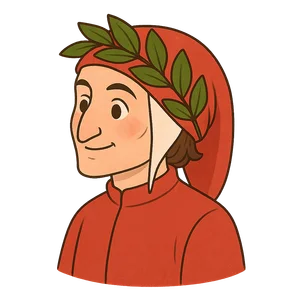
Dante Alighieri
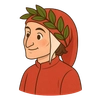
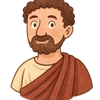
Dante Alighieri was a major Italian poet of the Late Middle Ages.
Reads at Grades 6–8 Listens at Grades 4–8
Print & create
Answer keys·No prep·Free with an account
28 worksheets · answer keys · full story · quiz · Ages 10-12 · CEFR B2
Plus adds 279,000+ more stories in 27 languages, audio for every one, and printables for all of them.
Just want Dante Alighieri?
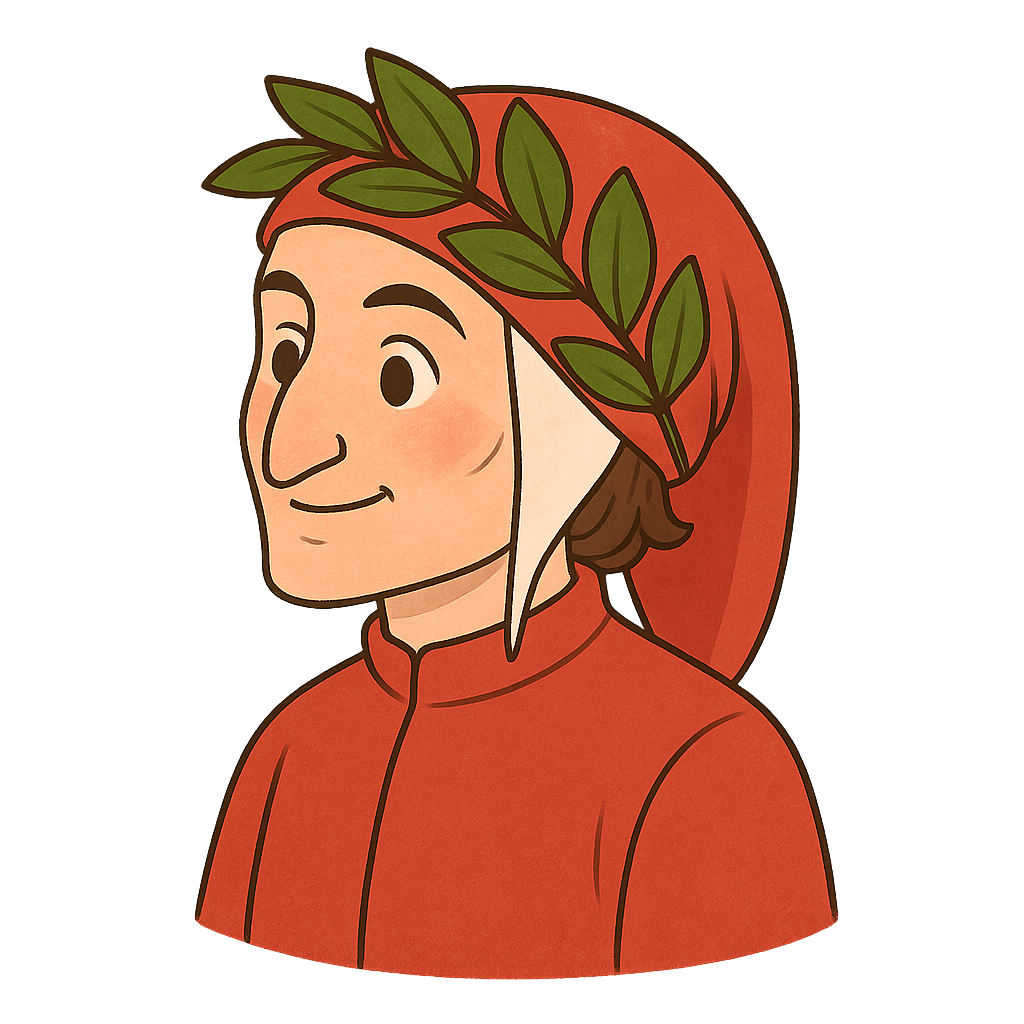
Hello, my name is Dante Alighieri, and I want to tell you the story of my life. I was born in the beautiful city of Florence, in what is now Italy, around the year 1265. My family was not the richest, but we were respected, and I was given a good education. From a young age, I fell in love with books and poetry. I would spend hours reading the works of the great Roman poets. My life changed forever in the year 1274 when I was just nine years old. I met a girl named Beatrice Portinari, who was about my age, and to me, she was the most wonderful person I had ever seen. Seeing her inspired me in a way I couldn't explain. This single moment would shape my entire life and become the guiding star for my greatest work.
As I grew into a man, my life in Florence became very busy. I studied philosophy and continued to write poetry. Around the year 1294, I wrote my first major work, a collection of poems and prose called 'La Vita Nuova,' or 'The New Life.' It was all about my love for Beatrice and how she inspired me to be a better person. But I was also deeply involved in the life of my city. Florence in the late 1200s was a place of intense political conflict between two groups, the Guelfs and the Ghibellines. My family were Guelfs. Eventually, the Guelfs themselves split into two factions: the 'Blacks' and the 'Whites.' I became a leader of the White Guelfs and was elected to a high office in the city government in 1300. I worked hard to bring peace, but it was a dangerous and complicated time.
Dante Alighieri
Hello, my name is Dante Alighieri, and I want to tell you the story of my life. I was born in the beautiful city of Florence, in what is now Italy, around the year 1265. My family was not the richest, but we were respected, and I was given a good education. From a young age, I fell in love with books and poetry. I would spend hours reading the works of the great Roman poets. My life changed forever in the year 1274 when I was just nine years old. I met a girl named Beatrice Portinari, who was about my age, and to me, she was the most wonderful person I had ever seen. Seeing her inspired me in a way I couldn't explain. This single moment would shape my entire life and become the guiding star for my greatest work.
As I grew into a man, my life in Florence became very busy. I studied philosophy and continued to write poetry. Around the year 1294, I wrote my first major work, a collection of poems and prose called 'La Vita Nuova,' or 'The New Life.' It was all about my love for Beatrice and how she inspired me to be a better person. But I was also deeply involved in the life of my city. Florence in the late 1200s was a place of intense political conflict between two groups, the Guelfs and the Ghibellines. My family were Guelfs. Eventually, the Guelfs themselves split into two factions: the 'Blacks' and the 'Whites.' I became a leader of the White Guelfs and was elected to a high office in the city government in 1300. I worked hard to bring peace, but it was a dangerous and complicated time.
My political life came to a sudden and heartbreaking end. In 1301, I was sent to Rome as an ambassador to speak with the Pope. While I was away, my political enemies, the Black Guelfs, seized control of Florence in 1302. They accused me and other White Guelfs of crimes we did not commit. They sentenced me to be banished from my home forever. If I ever returned, I would be executed. I was devastated. To be torn away from Florence, the city I loved more than any other place on Earth, was the greatest pain I had ever known. I would spend the rest of my life as a wanderer, an exile, never to set foot in my beautiful city again.
During my long and lonely years of exile, I decided to pour all my knowledge, my beliefs, and my sorrow into one great work. I began writing my epic poem, 'La Commedia,' which later became known as 'The Divine Comedy,' around the year 1308. It is the story of a journey I imagine myself taking through the three realms of the afterlife: Inferno (Hell), Purgatorio (Purgatory), and Paradiso (Paradise). To guide me, I chose two special people: the ancient Roman poet Virgil, who leads me through Inferno and Purgatorio, and my beloved Beatrice, who guides me through Paradiso. One of the most important decisions I made was to write the poem not in Latin, the language of scholars, but in the Tuscan dialect spoken by ordinary people in Florence. I wanted everyone, not just the highly educated, to be able to read my story. I worked on this poem for the rest of my life, finishing the final part just before my death in 1321.
I found my final home in the city of Ravenna, under the protection of its prince. It was there that I completed my life's work. I lived to be about 56 years old, passing away in Ravenna in September of 1321. Though I never saw my beloved Florence again, the words I wrote have traveled all over the world. 'The Divine Comedy' is considered one of the greatest masterpieces of literature, and my choice to write in the common tongue helped shape the modern Italian language. People today call me the 'Father of the Italian language.' I hope my story shows you that even in times of great sadness and loss, you can create something beautiful and lasting that can inspire people for centuries to come.
Wow facts
About
Dante Alighieri was a major Italian poet of the Late Middle Ages. His Divine Comedy, originally called Commedia, is widely considered the most important poem of the Middle Ages and the greatest literary work in the Italian language.
Take a Quiz
Question 1 of 5
What major event happened in 1302 that changed the course of Dante's life?
Explore next



Want to do even more?
Go beyond exploring. Unlock tools that turn every story into real learning.

Storypie Plus for families
Full stories, quizzes, and printables. Nights and car rides, sorted.
- Unlimited audio stories
- Create Mode: your child stars in the story
- Offline downloads
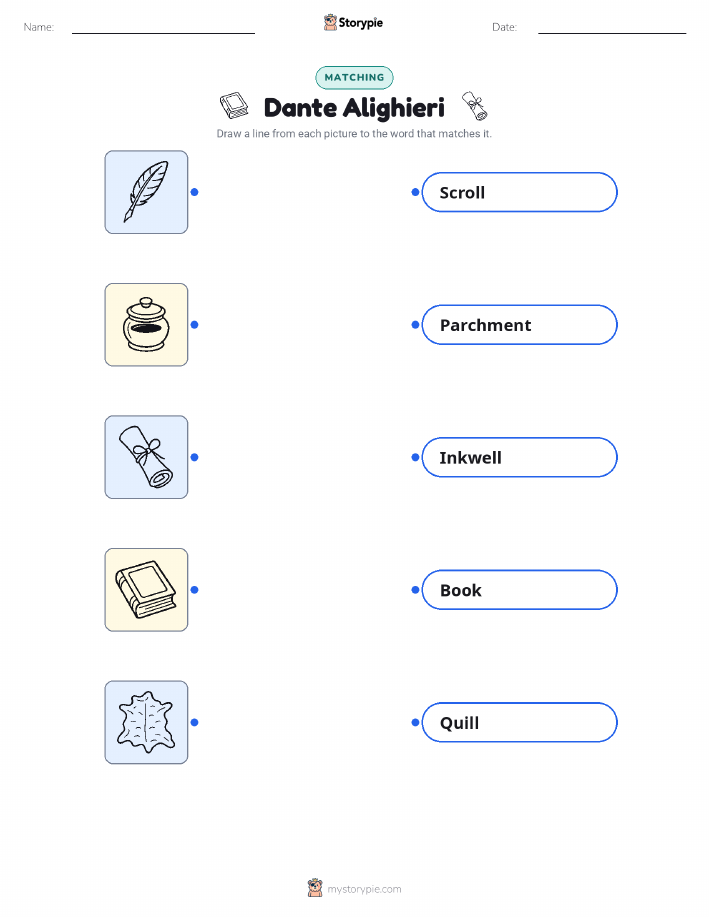
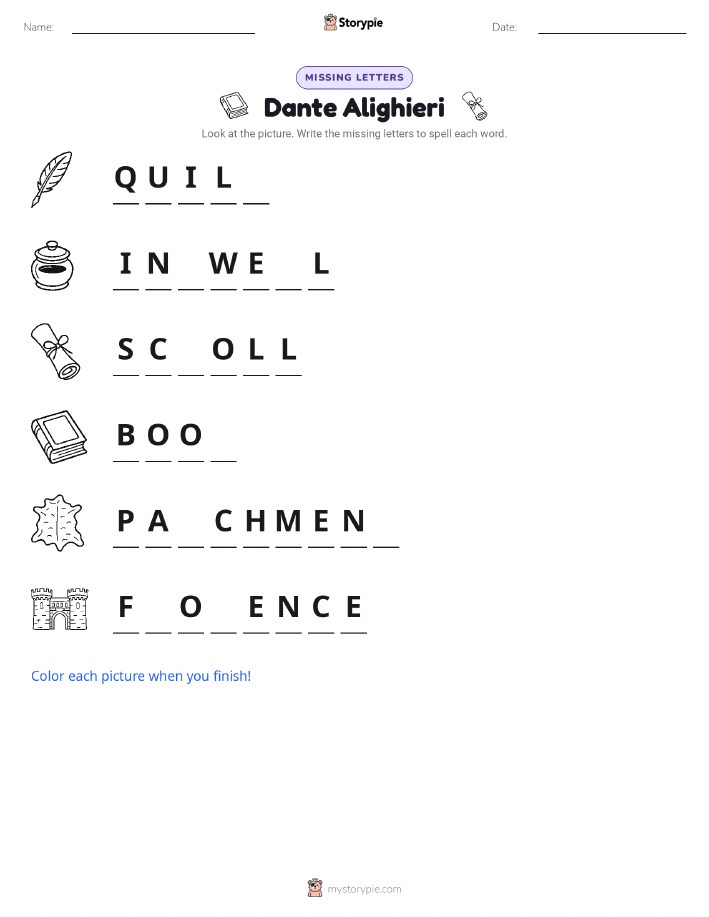
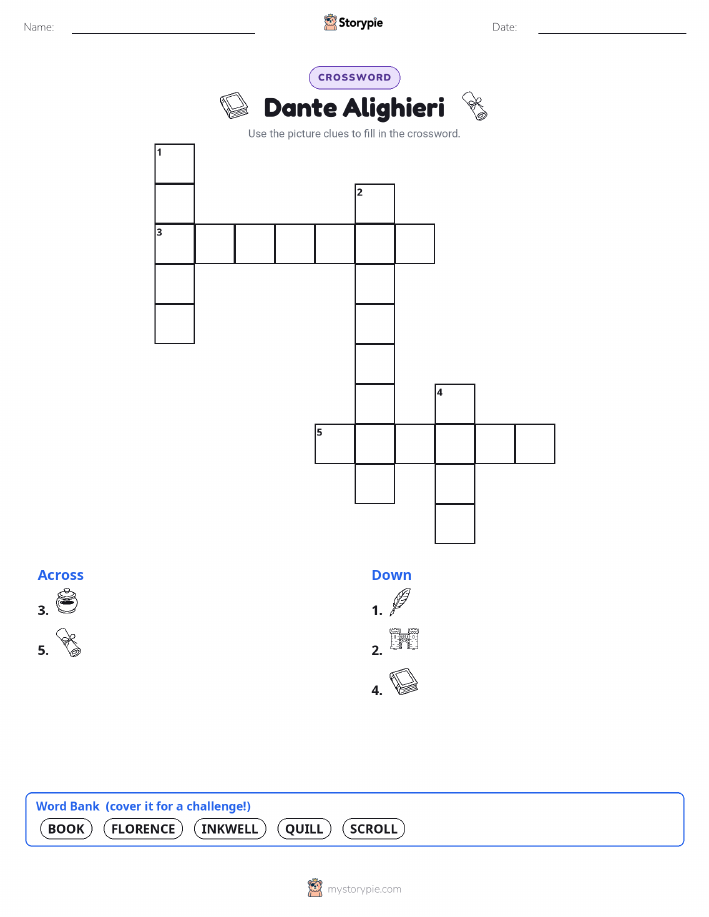
- Printable worksheets & coloring pages

Why Storypie for Schools
Students engaged. Prep in seconds. Evenings back to you.
- Worksheets & Quizzes
- Classroom Management
- Formative Assessment
- Custom Curriculum & Lesson Plans
- 27 Languages

Why Storypie for Homeschool
Curriculum done. They'll ask for more. Hours back in your day.
- Worksheet Generator
- First-Person Audio Stories
- Built-in Comprehension Quizzes
- Custom Curriculum & Lesson Plans
- Print & Go Activities