English

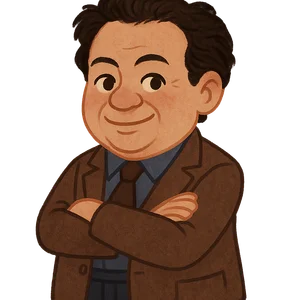
Diego Rivera
Diego Rivera was a prominent Mexican painter and muralist known for large-scale frescoes that helped…
Reads at Grades 6–8 Listens at Grades 4–8
Print & create
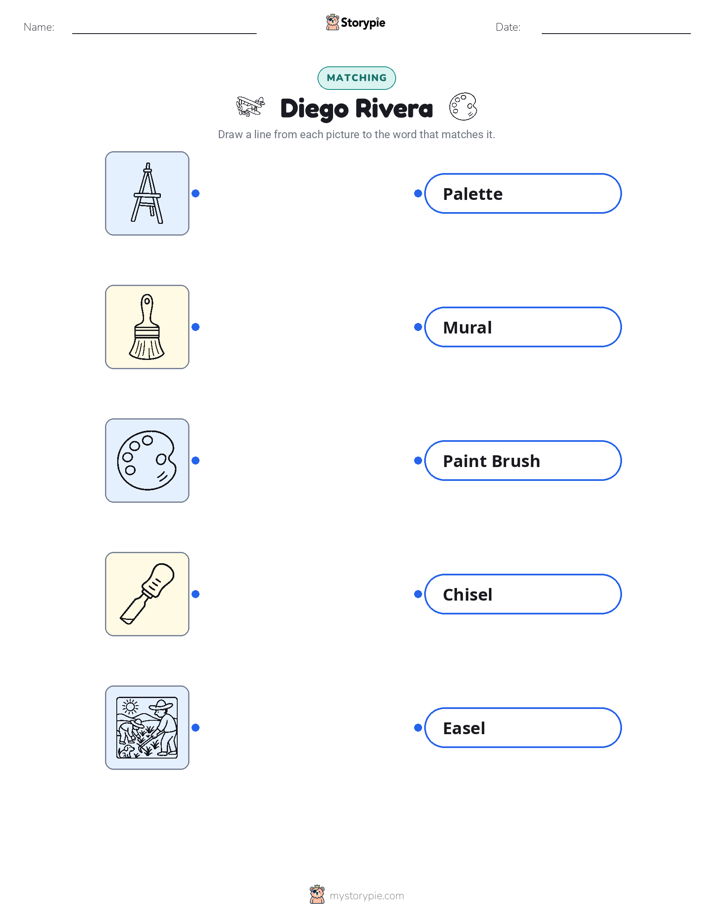
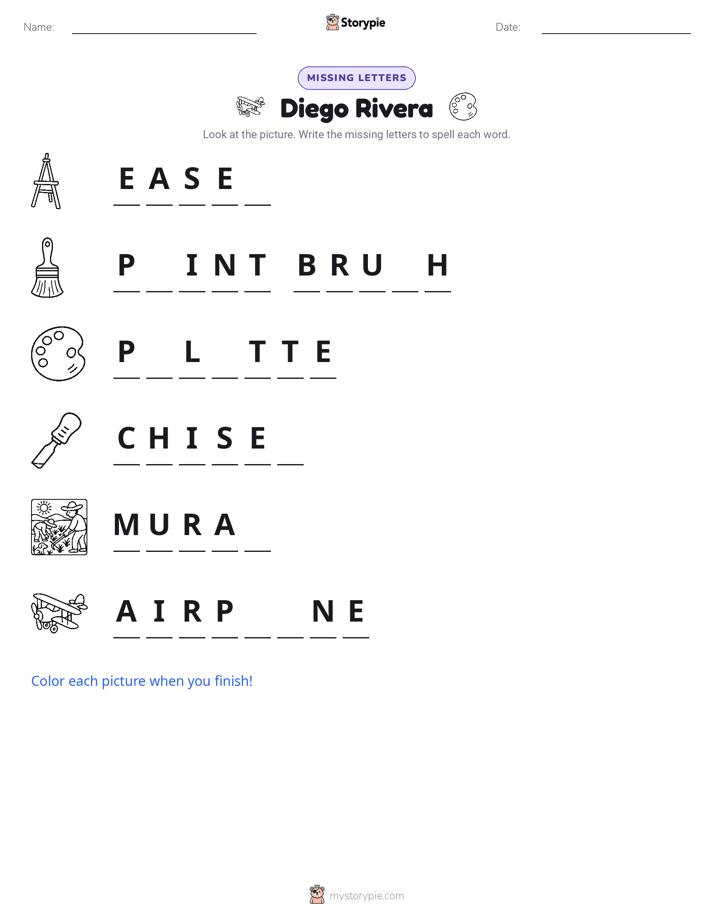
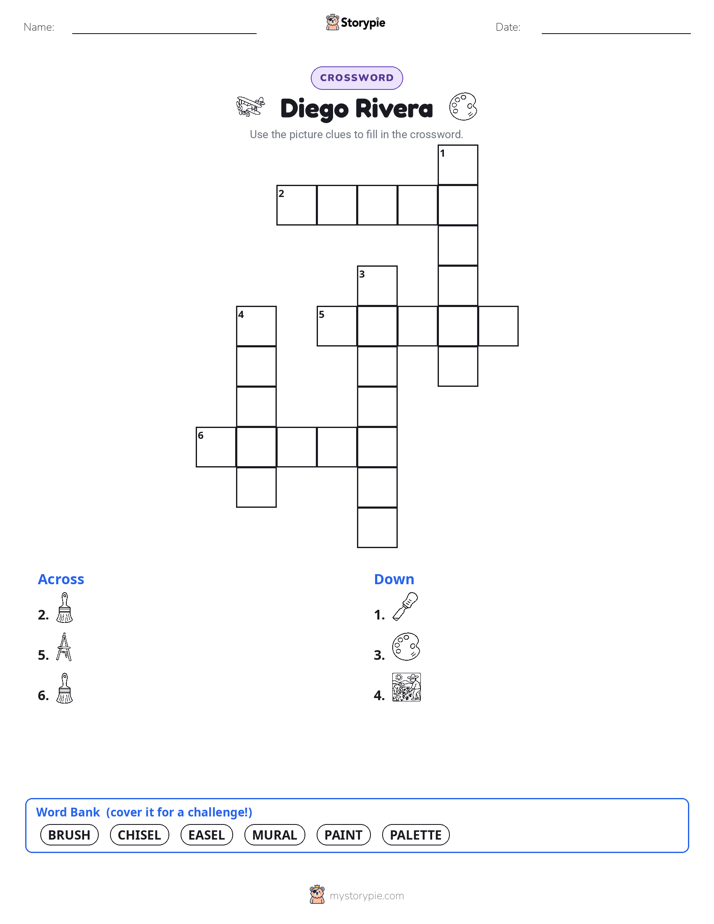
Answer keys·No prep·Free with an account
28 worksheets · answer keys · full story · quiz · Ages 10-12 · CEFR B2
Plus adds 164,000+ more stories in 27 languages, audio for every one, and printables for all of them.
Just want Diego Rivera?
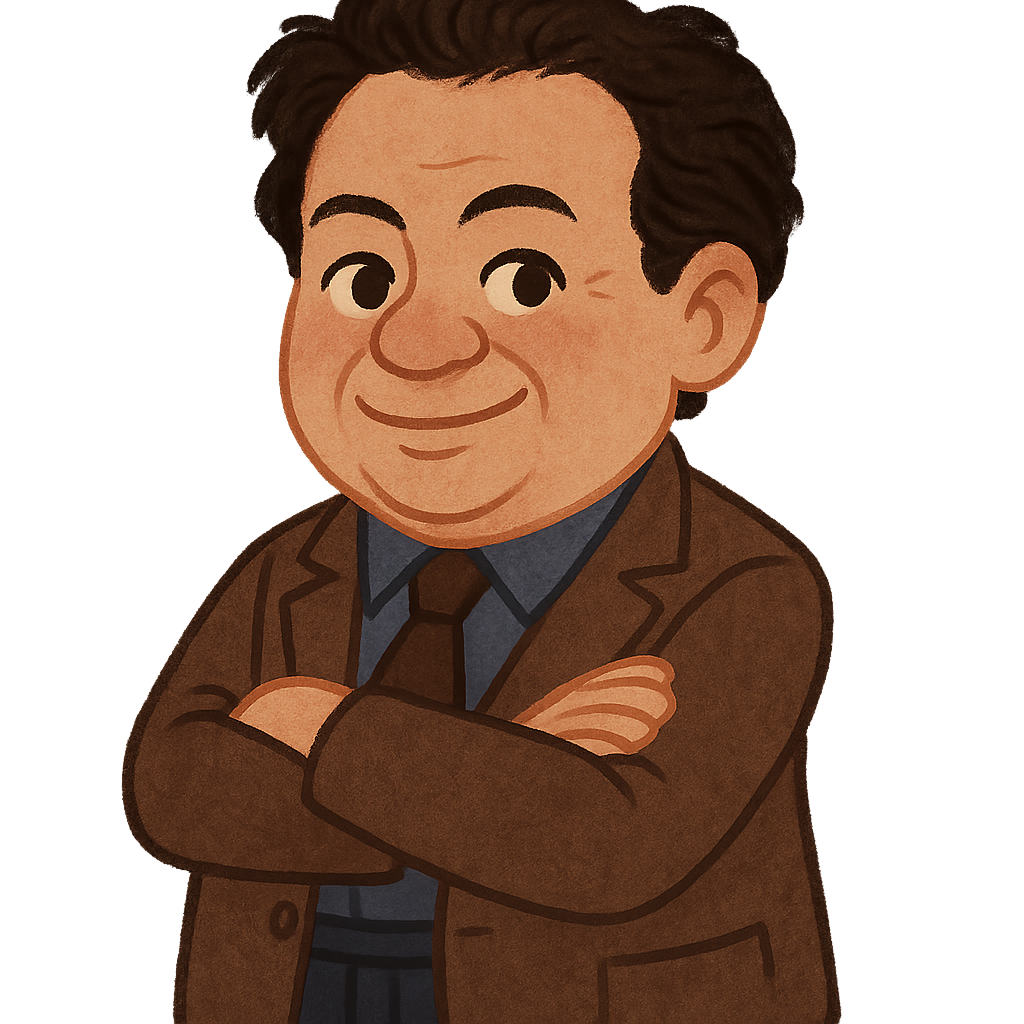
Hello, my name is Diego Rivera, and I am known for painting the grand and powerful story of my country, Mexico, on enormous walls for everyone to see. My journey began in the city of Guanajuato, Mexico, where I was born on December 8th, 1886. From my earliest days, I had a passion for drawing. I drew on everything I could find, even the walls of my family’s home. Instead of scolding me, my parents saw my artistic spark. They encouraged my talent by creating special chalkboard walls for me to draw on. Around 1897, when I was still a boy, they enrolled me in the prestigious Academy of San Carlos in Mexico City. It was there that my formal training began, setting me on a path to capture the world through art.
In 1907, my artistic journey took me across the ocean to Europe. I traveled there to continue my studies, spending time in Spain and later in Paris, which was the vibrant center of the art world at the time. It was an incredible period of learning and discovery. I met many famous artists, including the great Pablo Picasso, and I began to experiment with new and exciting styles. For a while, I was fascinated by Cubism, a style that breaks down objects into geometric shapes. These experiences in Europe broadened my horizons and taught me so much about art. However, the more I learned and the more I saw, the more I felt a deep longing for my homeland. I came to realize that the art I wanted to create was not for European galleries, but for the people of Mexico.
I returned to Mexico in 1921, just after the Mexican Revolution had reshaped our country. The nation was filled with a new sense of pride and a desire to define its own identity. I decided that my art would serve this purpose. I chose to become a muralist, painting directly onto the walls of public buildings so that my art could be a part of people's daily lives, not hidden away. The new government, with leaders like José Vasconcelos, supported this vision. They commissioned me to paint massive murals that would serve as a visual history book for all citizens, many of whom could not read. Starting in 1923, I began one of my most significant projects at the Ministry of Public Education. A few years later, in 1929, I started another epic series of murals at the National Palace. In these works, I didn't paint kings or generals; instead, I focused on celebrating the lives, struggles, and triumphs of ordinary Mexican workers, farmers, and families, showing their essential role in building our nation.
Diego Rivera: Painting a Nation's Story
Hello, my name is Diego Rivera, and I am known for painting the grand and powerful story of my country, Mexico, on enormous walls for everyone to see. My journey began in the city of Guanajuato, Mexico, where I was born on December 8th, 1886. From my earliest days, I had a passion for drawing. I drew on everything I could find, even the walls of my family’s home. Instead of scolding me, my parents saw my artistic spark. They encouraged my talent by creating special chalkboard walls for me to draw on. Around 1897, when I was still a boy, they enrolled me in the prestigious Academy of San Carlos in Mexico City. It was there that my formal training began, setting me on a path to capture the world through art.
In 1907, my artistic journey took me across the ocean to Europe. I traveled there to continue my studies, spending time in Spain and later in Paris, which was the vibrant center of the art world at the time. It was an incredible period of learning and discovery. I met many famous artists, including the great Pablo Picasso, and I began to experiment with new and exciting styles. For a while, I was fascinated by Cubism, a style that breaks down objects into geometric shapes. These experiences in Europe broadened my horizons and taught me so much about art. However, the more I learned and the more I saw, the more I felt a deep longing for my homeland. I came to realize that the art I wanted to create was not for European galleries, but for the people of Mexico.
I returned to Mexico in 1921, just after the Mexican Revolution had reshaped our country. The nation was filled with a new sense of pride and a desire to define its own identity. I decided that my art would serve this purpose. I chose to become a muralist, painting directly onto the walls of public buildings so that my art could be a part of people's daily lives, not hidden away. The new government, with leaders like José Vasconcelos, supported this vision. They commissioned me to paint massive murals that would serve as a visual history book for all citizens, many of whom could not read. Starting in 1923, I began one of my most significant projects at the Ministry of Public Education. A few years later, in 1929, I started another epic series of murals at the National Palace. In these works, I didn't paint kings or generals; instead, I focused on celebrating the lives, struggles, and triumphs of ordinary Mexican workers, farmers, and families, showing their essential role in building our nation.
My reputation as a muralist grew, and in the early 1930s, I was invited to work in the United States. One of my most famous American projects was the 'Detroit Industry Murals,' which I created between 1932 and 1933 to honor the workers of the city's automobile factories. However, my time in America also brought challenges. In 1933, I was commissioned to paint a mural called 'Man at the Crossroads' in Rockefeller Center in New York City. The mural included imagery that was considered controversial, and I was asked to change it. I refused, as I believed an artist must always be true to their beliefs. Because of this, the mural was unfortunately destroyed. Throughout my life and career, I had a partner who understood my passion deeply. In 1929, I married the incredible artist Frida Kahlo. We shared a powerful connection through our art, our political beliefs, and our profound love for the culture and traditions of Mexico.
I lived to be 70 years old, and my life came to an end in 1957. When I look back, I see that my true legacy isn't just in museums, but on the very walls of my country. I dedicated my life to creating public art that tells the story of Mexico—its history, its people, and its spirit. My hope was always that my murals would give a voice to the voiceless and help people see the strength and beauty in their own heritage. I believe that art belongs to everyone, and I am proud that my paintings continue to inspire people to connect with their history and culture today.
Wow facts
About
Diego Rivera was a prominent Mexican painter and muralist known for large-scale frescoes that helped establish the Mexican Mural Movement. His work often depicted Mexican culture, history, and the lives of working people.
Take a Quiz
Question 1 of 5
What was Diego Rivera's main goal as a muralist after returning to Mexico in 1921?
Explore next

Want to do even more?
Go beyond exploring. Unlock tools that turn every story into real learning.

Storypie Plus for families
Full stories, quizzes, and printables. Nights and car rides, sorted.
- Unlimited audio stories
- Create Mode: your child stars in the story
- Offline downloads
- Printable worksheets & coloring pages

Why Storypie for Schools
Students engaged. Prep in seconds. Evenings back to you.
- Worksheets & Quizzes
- Classroom Management
- Formative Assessment
- Custom Curriculum & Lesson Plans
- 27 Languages

Why Storypie for Homeschool
Curriculum done. They'll ask for more. Hours back in your day.
- Worksheet Generator
- First-Person Audio Stories
- Built-in Comprehension Quizzes
- Custom Curriculum & Lesson Plans
- Print & Go Activities