English

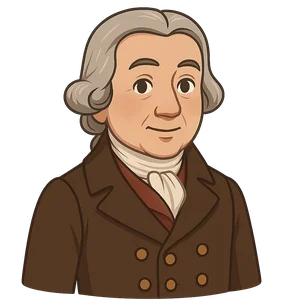
Edward Jenner
Edward Jenner was an English physician and scientist who pioneered the concept of vaccines and created the…
Reads at Grades 3–5 Listens at Grades 1–5
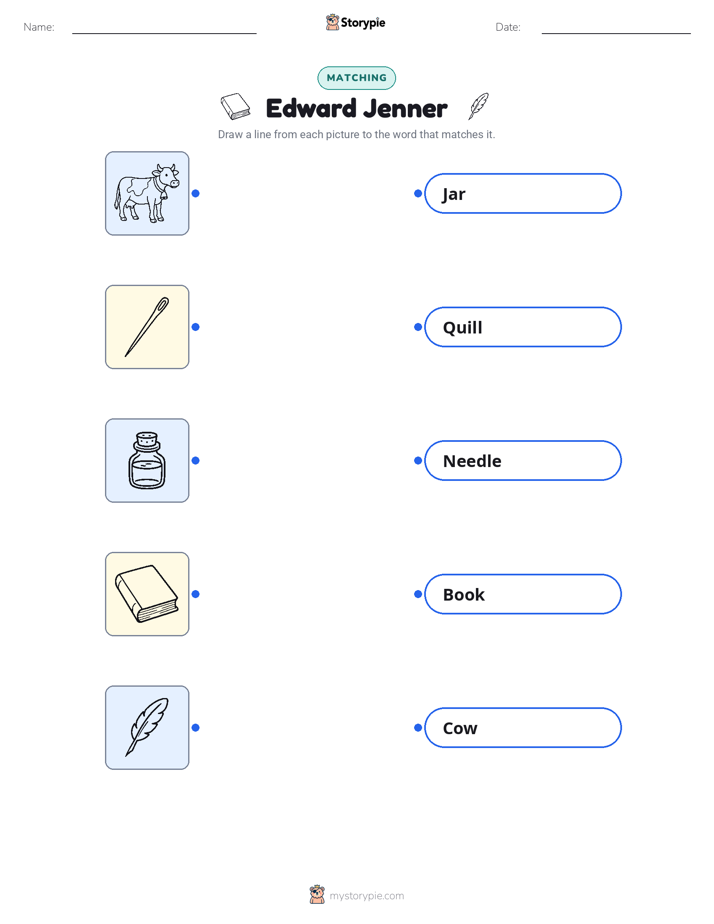
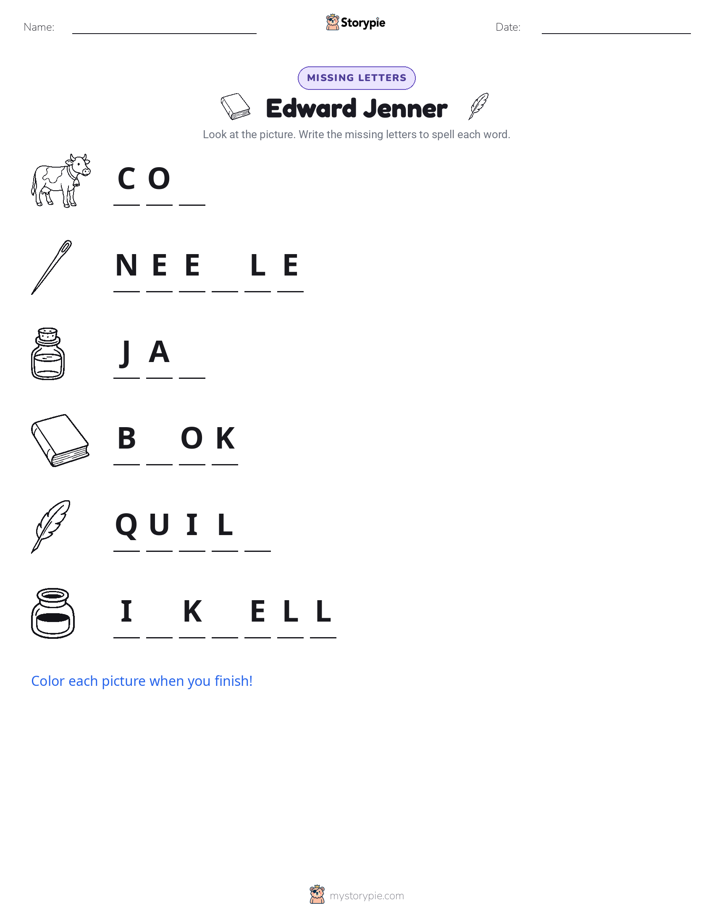
Print & create
Answer keys·No prep·Free with an account
28 worksheets · answer keys · full story · quiz · Ages 8-10 · CEFR B1
Plus adds 273,000+ more stories in 27 languages, audio for every one, and printables for all of them.
Just want Edward Jenner?
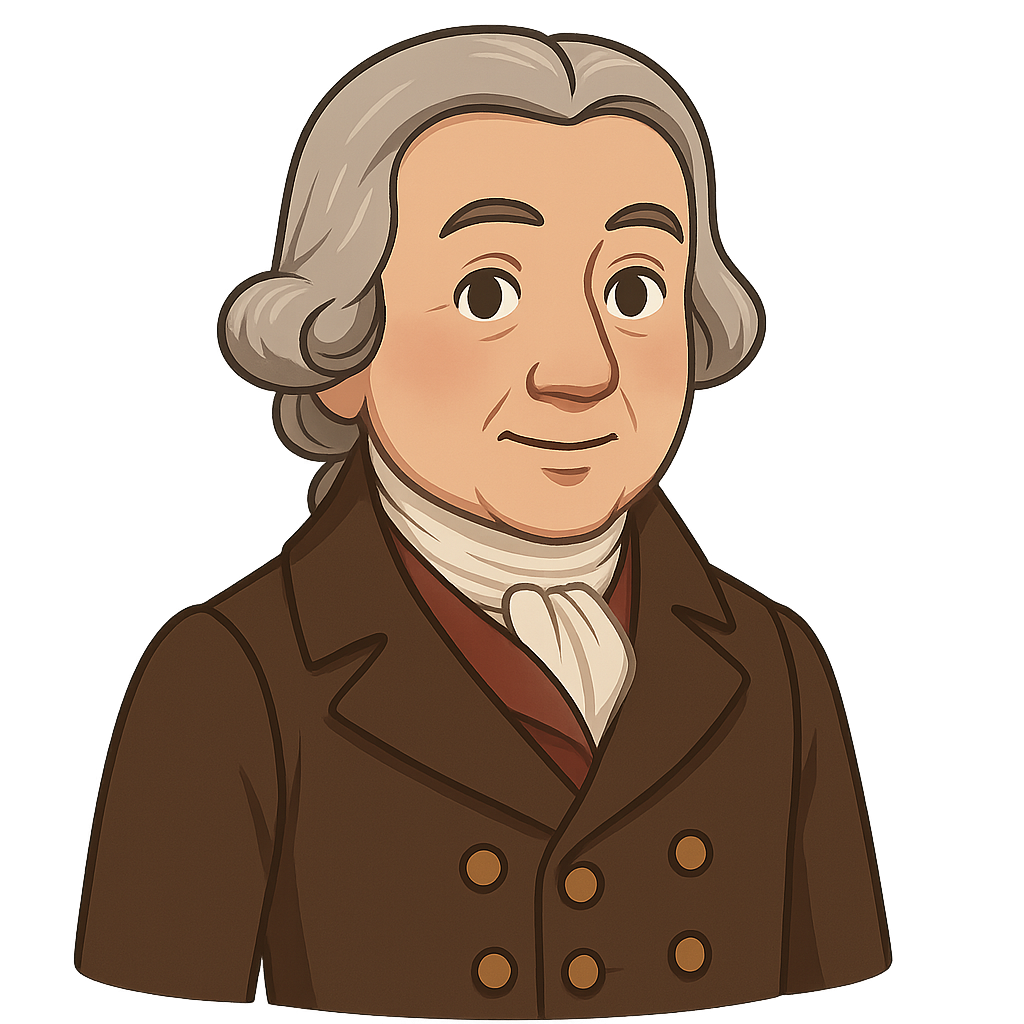
Hello there. My name is Edward Jenner, and I want to tell you the story of how a simple observation in the English countryside helped save countless lives. I was born on May 17th, 1749, in a small village called Berkeley. As a boy, the world outside was my classroom. I was fascinated by nature and spent my days exploring the fields and forests, studying the songs of birds, and digging for ancient fossils. This deep curiosity about the natural world stayed with me. When I was a teenager, in the year 1764, I decided I wanted to help people by becoming a doctor. I started as an apprentice to a local doctor, and it was there that I first heard a curious story from the local milkmaids—women who milked cows for a living. They spoke of a disease called cowpox, and what they said about it sparked an idea that would change my life.
To become a better doctor, I moved to the bustling city of London in 1770. There, I had the great fortune to study with a brilliant surgeon named John Hunter. He was a wonderful teacher who taught me the most important lesson of my career. He would often tell me, 'Don't think, try.' He meant that ideas were not enough; a true scientist must test them with experiments to see if they are correct. In those days, a terrible disease called smallpox was feared by everyone. It was very dangerous and spread quickly. There was an old method to try and prevent it, called variolation, but it was risky and could sometimes make people very sick. As I worked, I kept remembering the milkmaids' tale. They firmly believed that if you caught the mild cowpox disease from their cows, you would somehow be protected from the deadly smallpox. That idea stayed in my mind for many years, waiting for the right moment to be tested.
Edward Jenner: The Doctor Who Changed the World
Hello there. My name is Edward Jenner, and I want to tell you the story of how a simple observation in the English countryside helped save countless lives. I was born on May 17th, 1749, in a small village called Berkeley. As a boy, the world outside was my classroom. I was fascinated by nature and spent my days exploring the fields and forests, studying the songs of birds, and digging for ancient fossils. This deep curiosity about the natural world stayed with me. When I was a teenager, in the year 1764, I decided I wanted to help people by becoming a doctor. I started as an apprentice to a local doctor, and it was there that I first heard a curious story from the local milkmaids—women who milked cows for a living. They spoke of a disease called cowpox, and what they said about it sparked an idea that would change my life.
To become a better doctor, I moved to the bustling city of London in 1770. There, I had the great fortune to study with a brilliant surgeon named John Hunter. He was a wonderful teacher who taught me the most important lesson of my career. He would often tell me, 'Don't think, try.' He meant that ideas were not enough; a true scientist must test them with experiments to see if they are correct. In those days, a terrible disease called smallpox was feared by everyone. It was very dangerous and spread quickly. There was an old method to try and prevent it, called variolation, but it was risky and could sometimes make people very sick. As I worked, I kept remembering the milkmaids' tale. They firmly believed that if you caught the mild cowpox disease from their cows, you would somehow be protected from the deadly smallpox. That idea stayed in my mind for many years, waiting for the right moment to be tested.
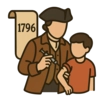
After my studies, I returned to my quiet hometown of Berkeley to work as a country doctor. The milkmaids' story never left me, and I decided it was time to follow my teacher's advice and 'try.' I needed to test the idea scientifically. The day for my big experiment came on May 14th, 1796. I knew a milkmaid named Sarah Nelmes who had cowpox sores on her hand. I also knew a brave and healthy eight-year-old boy named James Phipps, whose parents agreed to help with my experiment. I carefully took a tiny bit of fluid from one of Sarah’s cowpox sores and gently scratched it into James's arm. As I expected, James felt a little unwell for a day or two, much like having a small cold, but he quickly recovered. The real test, however, came a few weeks later. I carefully exposed James to the smallpox disease. We all watched and waited, and to our great joy, he didn't get sick at all. It had worked. The cowpox had protected him. I knew I had found something incredible, and I decided to name my new method 'vaccination,' after 'vacca,' which is the Latin word for cow.
Making a discovery is one thing, but convincing the world is another. In 1798, I published a small book about my findings, explaining my experiment and how vaccination worked. I wanted to share my discovery so it could help people everywhere. At first, many other doctors and scientists were skeptical. They had doubts and were not sure my idea was correct. Some people even made fun of my work, drawing silly cartoons about people growing cow heads. But I did not give up. As more and more people were vaccinated and did not get smallpox, the world began to see the truth. My method was saving lives, and soon, vaccination started to spread across the globe.
I lived to be 73 years old, and it brought me great joy to see my vaccine begin its work of protecting people all over the world. My work showed that we could teach our bodies how to fight off diseases before they could make us truly sick. Today, scientists have created many more vaccines for other illnesses, all based on that first simple idea. The most wonderful part of my story is that in the year 1980, the world officially announced that smallpox was completely gone from the planet, all thanks to that simple idea that started with a curious boy in the English countryside.
Wow facts
About
Edward Jenner was an English physician and scientist who pioneered the concept of vaccines and created the world's first vaccine, which was for smallpox.
Take a Quiz
Question 1 of 5
In the story, I mention that some doctors were 'skeptical' of my idea. What does 'skeptical' mean?
Explore next



Want to do even more?
Go beyond exploring. Unlock tools that turn every story into real learning.

Storypie Plus for families
Full stories, quizzes, and printables. Nights and car rides, sorted.
- Unlimited audio stories
- Create Mode: your child stars in the story
- Offline downloads
- Printable worksheets & coloring pages

Why Storypie for Schools
Students engaged. Prep in seconds. Evenings back to you.
- Worksheets & Quizzes
- Classroom Management
- Formative Assessment
- Custom Curriculum & Lesson Plans
- 27 Languages

Why Storypie for Homeschool
Curriculum done. They'll ask for more. Hours back in your day.
- Worksheet Generator
- First-Person Audio Stories
- Built-in Comprehension Quizzes
- Custom Curriculum & Lesson Plans
- Print & Go Activities