English

El Greco
El Greco was a Greek-born painter, sculptor, and architect of the Spanish Renaissance…
Reads at Grades 3–5 Listens at Grades 1–5
Print & create
Answer keys·No prep·Free with an account
28 worksheets · answer keys · full story · quiz · Ages 8-10 · CEFR B1
Plus adds 279,000+ more stories in 27 languages, audio for every one, and printables for all of them.
Just want El Greco?
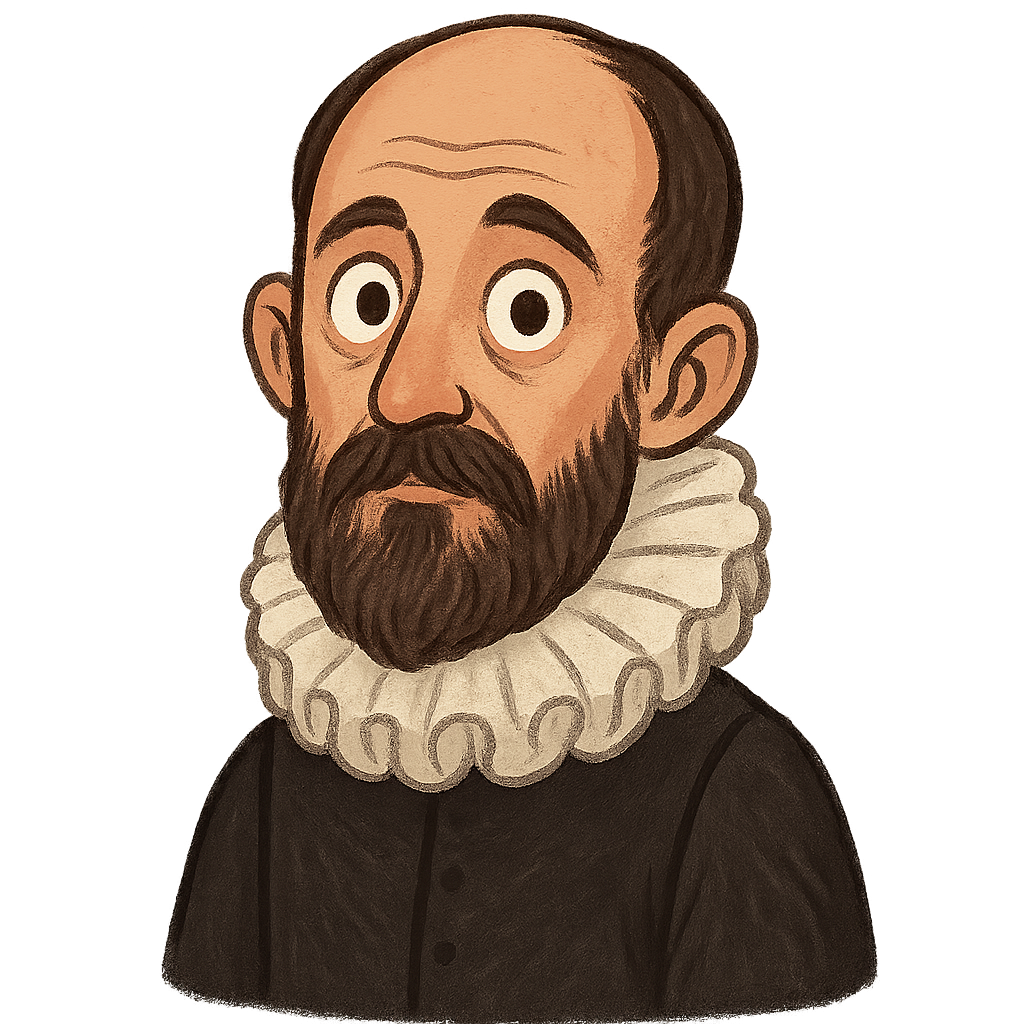
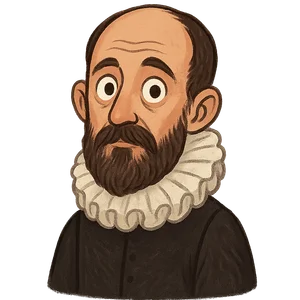
Hello! My name is Doménikos Theotokópoulos, but that’s a bit of a mouthful, isn't it? Most people know me by my nickname, El Greco, which simply means 'The Greek.' I was born on the beautiful island of Crete in the year 1541. Growing up surrounded by the sparkling sea, I discovered my love for art. My first lessons were in painting special religious pictures called icons. These paintings were very important, and creating them taught me how to use color and tell a story without using any words. Even as a young boy, I knew I wanted to spend my life with a paintbrush in my hand, sharing the stories I held inside me.
As I grew older, I dreamed of learning new ways to paint. The style of icon painting I knew was beautiful, but I felt a pull to see what artists were doing in other parts of the world. So, around the year 1567, I packed my things and made a big journey across the sea to Venice, Italy. Venice was a city buzzing with art and creativity. There, I saw the amazing, colorful paintings of a great artist named Titian. The way he used bright colors and light was like nothing I had ever seen before, and it filled me with so much inspiration. A few years later, in 1570, I moved to Rome. The incredible art I saw there filled my head with even more new ideas, and I felt my own style beginning to change and grow.
My journey eventually led me to a new country. In 1577, I moved to Spain, hoping to work for the powerful king, Philip II. I was excited to show him my paintings, but he found my style a bit too different for his taste. I was disappointed, but I didn't give up. I soon found my true home in a wonderful city called Toledo. I fell in love with its winding, narrow streets and the dramatic, cloudy skies that rolled overhead. The city felt magical to me, and it became the perfect place for my art. The people and churches of Toledo welcomed me and my unique paintings. They understood what I was trying to do, and they asked me to paint many important works for their homes and altars, which made me feel like I truly belonged.
El Greco: Painting with My Heart
Hello! My name is Doménikos Theotokópoulos, but that’s a bit of a mouthful, isn't it? Most people know me by my nickname, El Greco, which simply means 'The Greek.' I was born on the beautiful island of Crete in the year 1541. Growing up surrounded by the sparkling sea, I discovered my love for art. My first lessons were in painting special religious pictures called icons. These paintings were very important, and creating them taught me how to use color and tell a story without using any words. Even as a young boy, I knew I wanted to spend my life with a paintbrush in my hand, sharing the stories I held inside me.
As I grew older, I dreamed of learning new ways to paint. The style of icon painting I knew was beautiful, but I felt a pull to see what artists were doing in other parts of the world. So, around the year 1567, I packed my things and made a big journey across the sea to Venice, Italy. Venice was a city buzzing with art and creativity. There, I saw the amazing, colorful paintings of a great artist named Titian. The way he used bright colors and light was like nothing I had ever seen before, and it filled me with so much inspiration. A few years later, in 1570, I moved to Rome. The incredible art I saw there filled my head with even more new ideas, and I felt my own style beginning to change and grow.
My journey eventually led me to a new country. In 1577, I moved to Spain, hoping to work for the powerful king, Philip II. I was excited to show him my paintings, but he found my style a bit too different for his taste. I was disappointed, but I didn't give up. I soon found my true home in a wonderful city called Toledo. I fell in love with its winding, narrow streets and the dramatic, cloudy skies that rolled overhead. The city felt magical to me, and it became the perfect place for my art. The people and churches of Toledo welcomed me and my unique paintings. They understood what I was trying to do, and they asked me to paint many important works for their homes and altars, which made me feel like I truly belonged.
In Toledo, I developed a style that was all my own. If you look at my paintings, you might notice that the people in them are long and stretched-out, as if they are reaching for the sky. I used glowing, vivid colors that seemed to shine from within the canvas, and the landscapes behind my figures often had swirling, stormy clouds that were full of movement and energy. I did this because I wanted to paint not just what I saw with my eyes, but what I felt in my heart and spirit. I wanted to show deep emotion and tell a powerful story. One of my most famous paintings is called 'The Burial of the Count of Orgaz,' which I finished in 1588. It shows a scene that is both earthly and heavenly, mixing the real world with a spiritual one, which was exactly the kind of feeling I loved to paint.
My style of painting was so unusual that for many years after I was gone, my work was a bit of a secret, not widely known. I lived to be 73 years old, spending my final years in my beloved city of Toledo, where I passed on in 1614. It took a long time, but much later, other artists rediscovered my paintings. They looked at my stretched figures and emotional colors and realized I was an artist who was ahead of my time. Today, my work inspires people all over the world to paint not just what they see, but what they feel, reminding everyone that art can come from the heart.
Wow facts
About
El Greco was a Greek-born painter, sculptor, and architect of the Spanish Renaissance, renowned for his dramatically elongated figures, expressive use of color, and unique artistic style.
Take a Quiz
Question 1 of 5
In the story, El Greco mentions painting 'icons.' What does the word 'icon' mean in this context?
Explore next




Want to do even more?
Go beyond exploring. Unlock tools that turn every story into real learning.

Storypie Plus for families
Full stories, quizzes, and printables. Nights and car rides, sorted.
- Unlimited audio stories
- Create Mode: your child stars in the story
- Offline downloads
- Printable worksheets & coloring pages

Why Storypie for Schools
Students engaged. Prep in seconds. Evenings back to you.
- Worksheets & Quizzes
- Classroom Management
- Formative Assessment
- Custom Curriculum & Lesson Plans
- 27 Languages

Why Storypie for Homeschool
Curriculum done. They'll ask for more. Hours back in your day.
- Worksheet Generator
- First-Person Audio Stories
- Built-in Comprehension Quizzes
- Custom Curriculum & Lesson Plans
- Print & Go Activities