English

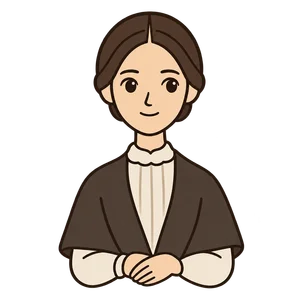
Emily Dickinson
Emily Dickinson was a poet who lived much of her life in Amherst, Massachusetts, rarely leaving her home…
Reads at Grades 3–5 Listens at Grades 1–5
Print & create
Answer keys·No prep·Free with an account
28 worksheets · answer keys · full story · quiz · Ages 8-10 · CEFR B1
Plus adds 290,000+ more stories in 27 languages, audio for every one, and printables for all of them.
Just want Emily Dickinson?
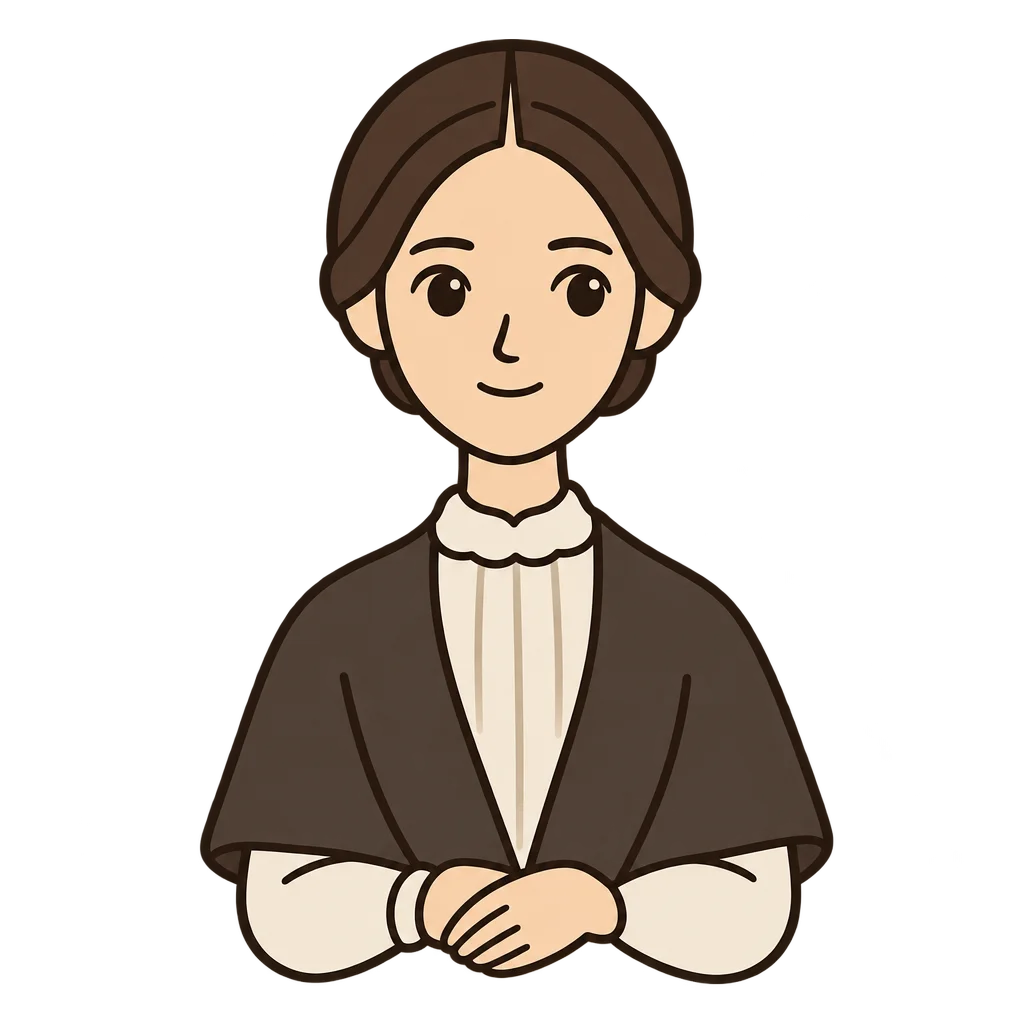
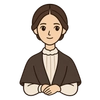
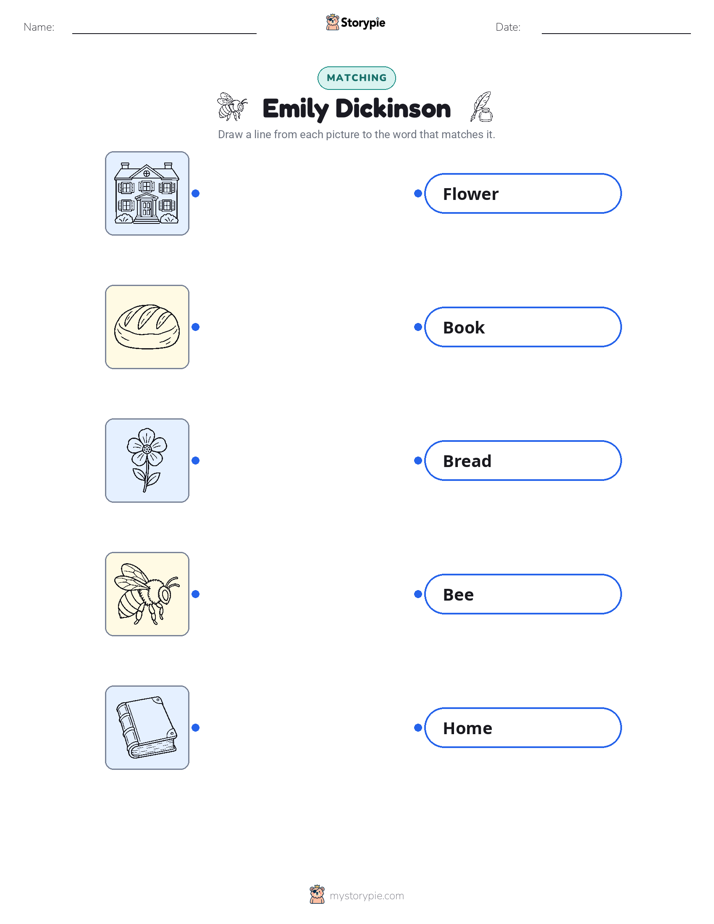
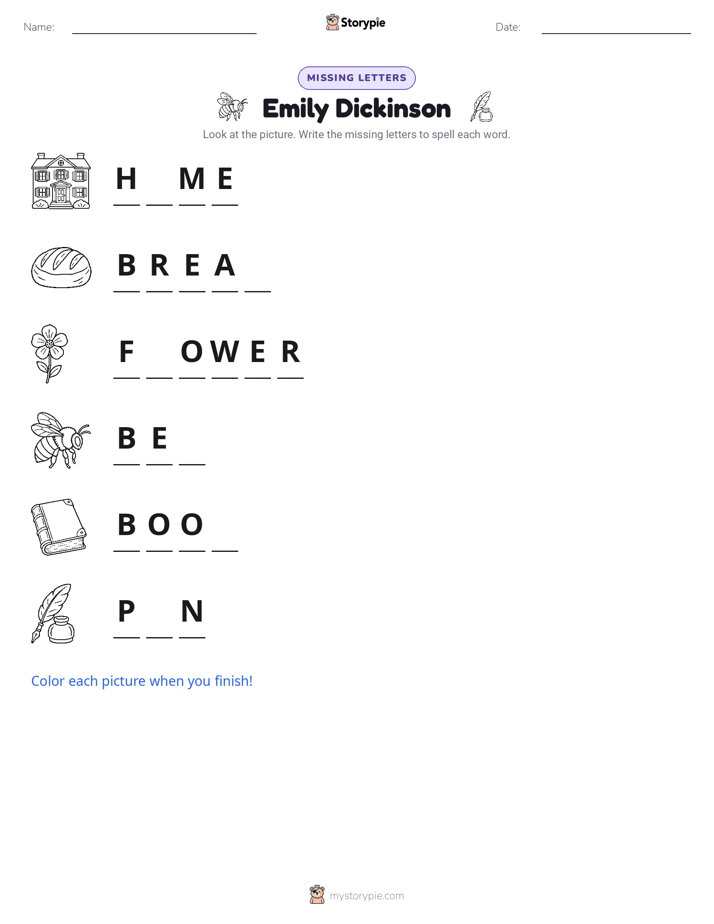
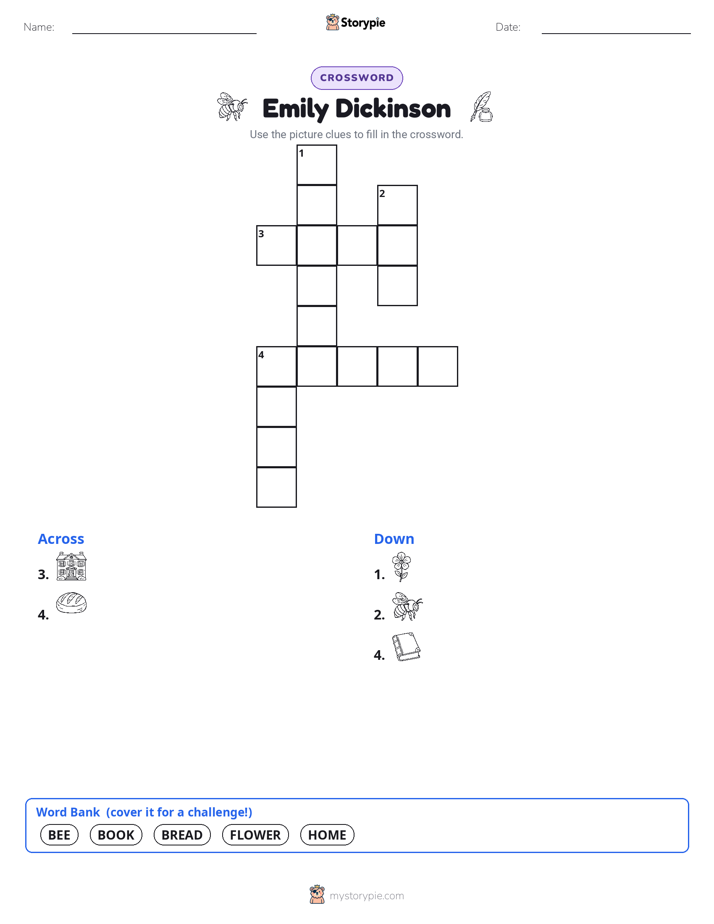
Hello! My name is Emily Dickinson. I want to tell you the story of my life, which was filled with family, nature, and lots of words. I was born on a chilly winter day, December 10th, 1830, in a town called Amherst, Massachusetts. I lived in a big brick house, which we called the Homestead, with my father Edward, my mother Emily, my older brother Austin, and my younger sister Lavinia, or Vinnie, as I called her. Our home was always bustling, but my favorite place was our garden, where I could watch the bees buzz and the flowers bloom. The changing seasons, the light on the leaves, and the smallest insects gave me ideas for the poems that would fill my days.
I loved to learn! In 1840, when I was just nine years old, I started at a school called Amherst Academy. My favorite subjects were science and literature because they helped me understand the world in different ways. I was fascinated by everything from the stars in the sky to the tiniest plants growing in the ground. Later, in 1847, I went to Mount Holyoke Female Seminary for a year. While I enjoyed my studies there, I missed my home and family terribly. It was during these school years that I realized words were my truest friends. I began to write down my thoughts and feelings in a special way, turning them into little poems that captured a single moment or a big idea.
As I grew up, I found that my biggest adventures were the ones I had right at home. I decided to live a quiet life at the Homestead. Some people thought it was strange for a young woman to stay home so much, but it gave me the peace I needed to think and write. My world was full of small joys. I loved to bake bread for my family and tend to my beautiful flowers in the glass conservatory my father built for me. I often wore a simple white dress, which felt comfortable and allowed me to focus on my work. Starting around 1858, I began carefully collecting my poems into little handmade booklets, which I sewed together with string. I called them my fascicles, and they were my secret treasure. I made about forty of these booklets, filled with hundreds of poems that nobody else saw.
Emily Dickinson: A Poet's Life
Hello! My name is Emily Dickinson. I want to tell you the story of my life, which was filled with family, nature, and lots of words. I was born on a chilly winter day, December 10th, 1830, in a town called Amherst, Massachusetts. I lived in a big brick house, which we called the Homestead, with my father Edward, my mother Emily, my older brother Austin, and my younger sister Lavinia, or Vinnie, as I called her. Our home was always bustling, but my favorite place was our garden, where I could watch the bees buzz and the flowers bloom. The changing seasons, the light on the leaves, and the smallest insects gave me ideas for the poems that would fill my days.
I loved to learn! In 1840, when I was just nine years old, I started at a school called Amherst Academy. My favorite subjects were science and literature because they helped me understand the world in different ways. I was fascinated by everything from the stars in the sky to the tiniest plants growing in the ground. Later, in 1847, I went to Mount Holyoke Female Seminary for a year. While I enjoyed my studies there, I missed my home and family terribly. It was during these school years that I realized words were my truest friends. I began to write down my thoughts and feelings in a special way, turning them into little poems that captured a single moment or a big idea.
As I grew up, I found that my biggest adventures were the ones I had right at home. I decided to live a quiet life at the Homestead. Some people thought it was strange for a young woman to stay home so much, but it gave me the peace I needed to think and write. My world was full of small joys. I loved to bake bread for my family and tend to my beautiful flowers in the glass conservatory my father built for me. I often wore a simple white dress, which felt comfortable and allowed me to focus on my work. Starting around 1858, I began carefully collecting my poems into little handmade booklets, which I sewed together with string. I called them my fascicles, and they were my secret treasure. I made about forty of these booklets, filled with hundreds of poems that nobody else saw.
Even though I stayed home, I didn't stop connecting with the world. I wrote hundreds of letters to my friends and family, sharing my thoughts and sometimes tucking a poem inside the envelope. In 1862, I gathered up my courage and sent some of my poems to a well-known writer named Thomas Wentworth Higginson to ask for his advice. He thought my poems were powerful but very unusual, with their short lines and surprising rhymes! He wasn't sure the world was ready for them. We became pen pals for the rest of my life, and his letters encouraged me to keep writing. During my time on Earth, only about ten of my poems were ever printed in a newspaper or book, and most of those were published without my name. I was very shy about sharing my work with the big wide world.
I lived to be 55 years old, writing poems right up until the end of my life in 1886. After I was gone, my sister Vinnie made an incredible discovery. She found my wooden chest filled with my fascicles, containing nearly 1,800 poems that she never knew existed! Vinnie knew the world had to see them, so she worked hard to get them published. The first book of my poems was finally printed in 1890. Today, my words have traveled far beyond my little room in Amherst. People all over the world read my poetry to feel inspired, to think about nature and love, and to see the world in a new and wondrous way.
Wow facts
About
Emily Dickinson was a poet who lived much of her life in Amherst, Massachusetts, rarely leaving her home, but she maintained active correspondence and engaged with a select circle of friends and family. Her unique style and profound themes of nature, death, and immortality made her one of the most important figures in American poetry, though her work was largely unpublished during her lifetime.
Take a Quiz
Question 1 of 5
In the story, what does it mean that my poems were my 'secret treasure'?
Explore next




Want to do even more?
Go beyond exploring. Unlock tools that turn every story into real learning.

Storypie Plus for families
Full stories, quizzes, and printables. Nights and car rides, sorted.
- Unlimited audio stories
- Create Mode: your child stars in the story
- Offline downloads
- Printable worksheets & coloring pages

Why Storypie for Schools
Students engaged. Prep in seconds. Evenings back to you.
- Worksheets & Quizzes
- Classroom Management
- Formative Assessment
- Custom Curriculum & Lesson Plans
- 27 Languages

Why Storypie for Homeschool
Curriculum done. They'll ask for more. Hours back in your day.
- Worksheet Generator
- First-Person Audio Stories
- Built-in Comprehension Quizzes
- Custom Curriculum & Lesson Plans
- Print & Go Activities