English

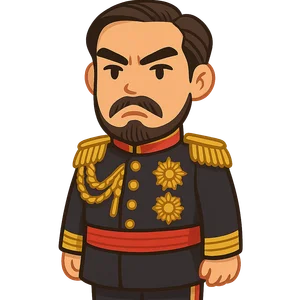
Emperor Meiji
The 122nd Emperor of Japan who reigned from 1867 to 1912.
Reads at Grades 3–5 Listens at Grades 1–5
Print & create
Answer keys·No prep·Free with an account
28 worksheets · answer keys · full story · quiz · Ages 8-10 · CEFR B1
Plus adds 244,000+ more stories in 27 languages, audio for every one, and printables for all of them.
Just want Emperor Meiji?
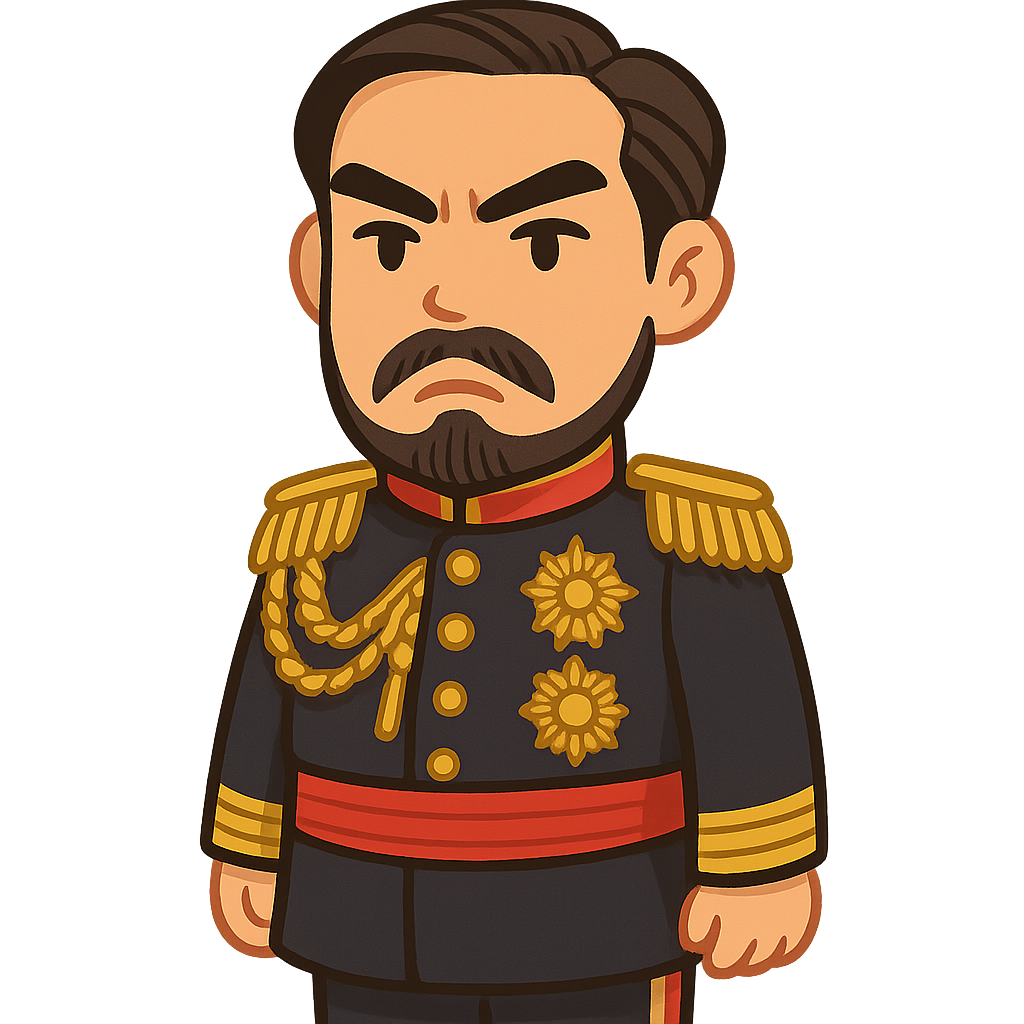
Hello, my name is Mutsuhito, and I was born on November 3rd, 1852. I grew up inside the grand Imperial Palace in Kyoto, a city that was the heart of Japan for a very long time. My childhood was very quiet and different from most children's. For hundreds of years, Japan had been closed off from the rest of the world. This meant my life as a prince was filled with ancient traditions and ceremonies, and I lived completely separate from the everyday people of my country. We followed old customs, and the world outside our palace walls felt very far away. Life was peaceful, but it was also unchanging, and Japan was about to face a big surprise.
When I was just a baby, in 1853, something happened that changed Japan forever. Huge, black steamships from America appeared in our waters. They were led by a man named Commodore Matthew Perry, and their sudden arrival was a big shock to everyone. These ships were powerful, and they came with a message: America wanted Japan to open its ports for trade. This event caused a lot of worry, but also a lot of excitement. Many people in Japan realized that our country needed to become stronger and more modern to protect itself. Then, when I was a teenager, my father, Emperor Kōmei, passed away. On February 3rd, 1867, I became the emperor. I was only fourteen years old. To mark this new beginning, I chose a new name for my era: Meiji, which means 'enlightened rule'.
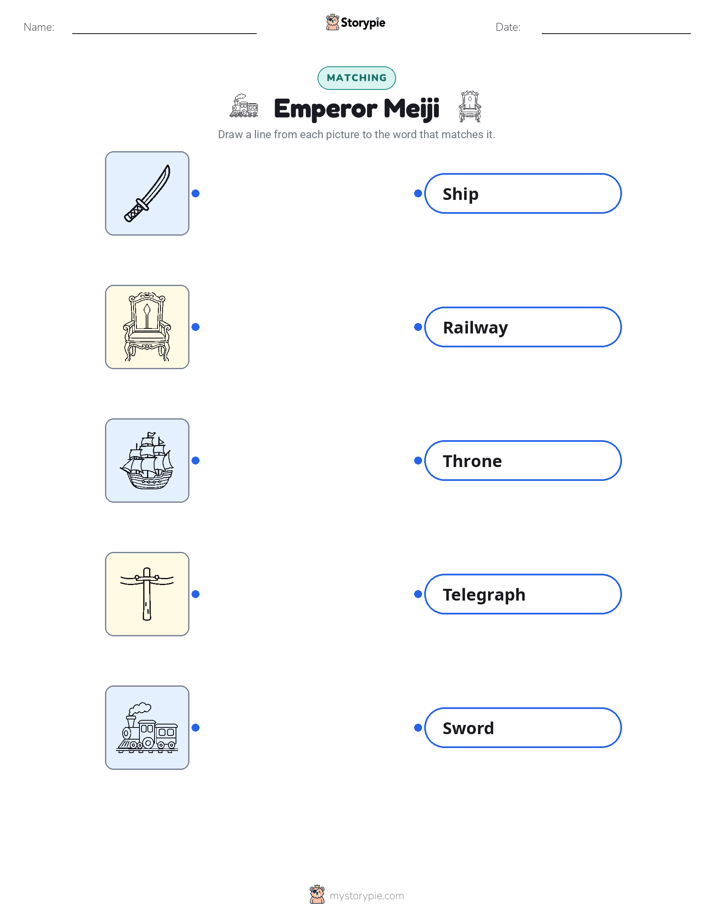
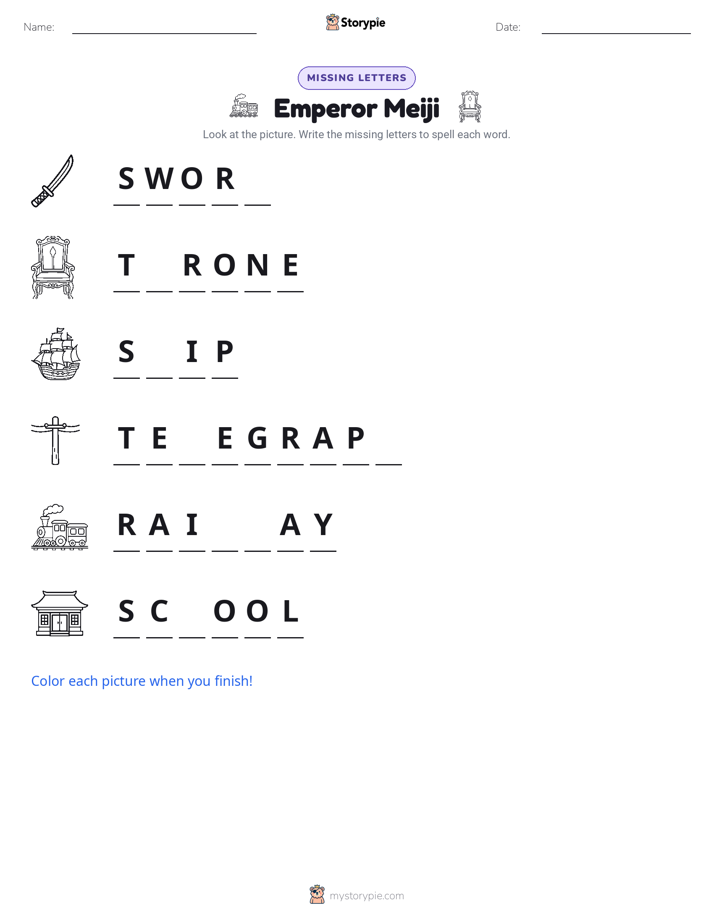
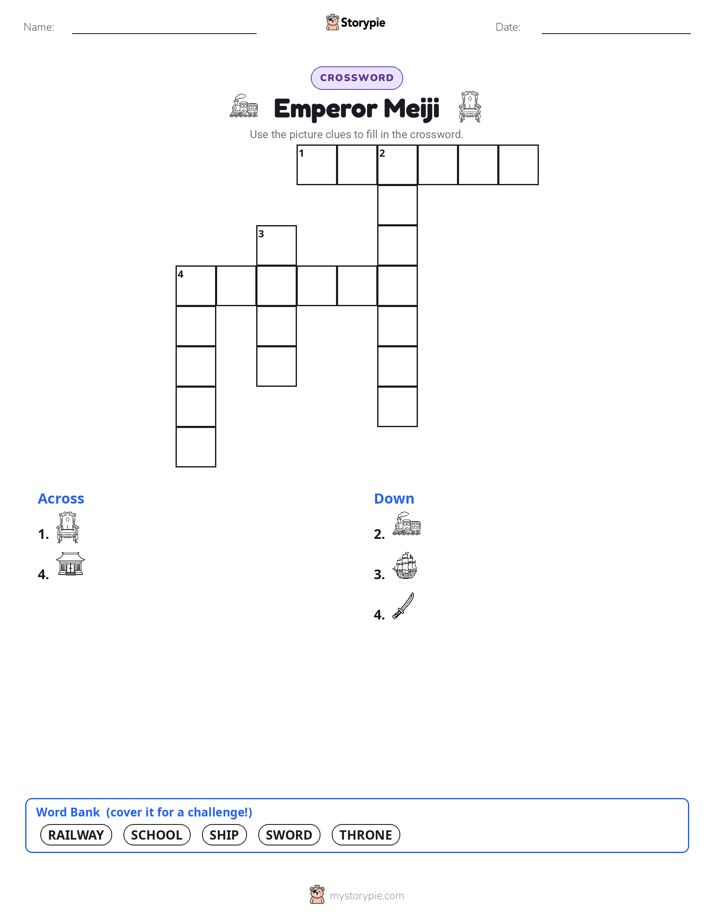
A new chapter for Japan began in 1868 with the start of what is now called the Meiji Restoration. One of my first decisions was to move the capital from Kyoto to a bustling city named Edo. To show that this was a new era, I renamed the city Tokyo, which means 'Eastern Capital'. I made a special promise to my people called the Charter Oath, which was my plan to modernize our country. We had a lot of work to do. We did away with the old system of samurai warriors and created a new army. We built railways to connect our cities and strung telegraph lines so messages could travel quickly. We even started a modern postal service. To make sure our future was bright, we created new schools for all children, boys and girls, to learn together. My goal was to help Japan learn from other countries so that we could become just as strong and advanced.
Emperor Meiji: The Prince Who Built a New Japan
Hello, my name is Mutsuhito, and I was born on November 3rd, 1852. I grew up inside the grand Imperial Palace in Kyoto, a city that was the heart of Japan for a very long time. My childhood was very quiet and different from most children's. For hundreds of years, Japan had been closed off from the rest of the world. This meant my life as a prince was filled with ancient traditions and ceremonies, and I lived completely separate from the everyday people of my country. We followed old customs, and the world outside our palace walls felt very far away. Life was peaceful, but it was also unchanging, and Japan was about to face a big surprise.
When I was just a baby, in 1853, something happened that changed Japan forever. Huge, black steamships from America appeared in our waters. They were led by a man named Commodore Matthew Perry, and their sudden arrival was a big shock to everyone. These ships were powerful, and they came with a message: America wanted Japan to open its ports for trade. This event caused a lot of worry, but also a lot of excitement. Many people in Japan realized that our country needed to become stronger and more modern to protect itself. Then, when I was a teenager, my father, Emperor Kōmei, passed away. On February 3rd, 1867, I became the emperor. I was only fourteen years old. To mark this new beginning, I chose a new name for my era: Meiji, which means 'enlightened rule'.
A new chapter for Japan began in 1868 with the start of what is now called the Meiji Restoration. One of my first decisions was to move the capital from Kyoto to a bustling city named Edo. To show that this was a new era, I renamed the city Tokyo, which means 'Eastern Capital'. I made a special promise to my people called the Charter Oath, which was my plan to modernize our country. We had a lot of work to do. We did away with the old system of samurai warriors and created a new army. We built railways to connect our cities and strung telegraph lines so messages could travel quickly. We even started a modern postal service. To make sure our future was bright, we created new schools for all children, boys and girls, to learn together. My goal was to help Japan learn from other countries so that we could become just as strong and advanced.
During my time as emperor, we worked hard to blend new ideas from the West with our own cherished Japanese traditions. It was a time of great change. People began to wear Western-style clothes, and our government was transformed. In 1889, I introduced the Meiji Constitution. This created a new kind of government with a parliament, which we called the Diet, much like the governments in Europe. We knew we had much to learn, so we sent our brightest people on journeys around the world. One famous trip was the Iwakura Mission, which traveled between 1871 and 1873. Its members studied science, technology, and different ways of governing so they could bring the best ideas back home to Japan.
My reign as the Meiji Emperor lasted for 45 years, and during that time, Japan changed more quickly than ever before. I lived to be 59 years old and passed away in 1912. I am remembered for leading my country's transformation from a closed-off, traditional society into a modern, respected nation on the world stage. After my time, to honor my wife, Empress Shōken, and me, the people of Japan built the beautiful Meiji Shrine in Tokyo. Today, many people still visit this peaceful place to remember the beginning of modern Japan and the spirit of change that we all shared.
Wow facts
About
The 122nd Emperor of Japan who reigned from 1867 to 1912. He presided over the Meiji Restoration, a period of rapid modernization and Westernization that transformed Japan from an isolated feudal state into a world power.
Take a Quiz
Question 1 of 5
In the story, what does the name "Meiji" mean?
Explore next

Want to do even more?
Go beyond exploring. Unlock tools that turn every story into real learning.

Storypie Plus for families
Full stories, quizzes, and printables. Nights and car rides, sorted.
- Unlimited audio stories
- Create Mode: your child stars in the story
- Offline downloads
- Printable worksheets & coloring pages

Why Storypie for Schools
Students engaged. Prep in seconds. Evenings back to you.
- Worksheets & Quizzes
- Classroom Management
- Formative Assessment
- Custom Curriculum & Lesson Plans
- 27 Languages

Why Storypie for Homeschool
Curriculum done. They'll ask for more. Hours back in your day.
- Worksheet Generator
- First-Person Audio Stories
- Built-in Comprehension Quizzes
- Custom Curriculum & Lesson Plans
- Print & Go Activities