English

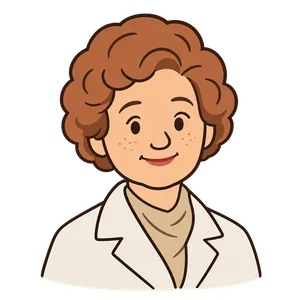
Gertrude Elion
Gertrude Elion was an American biochemist and pharmacologist who, along with George H.
Reads at Grades 3–5 Listens at Grades 1–5
Print & create
Answer keys·No prep·Free with an account
28 worksheets · answer keys · full story · quiz · Ages 8-10 · CEFR B1
Plus adds 290,000+ more stories in 27 languages, audio for every one, and printables for all of them.
Just want Gertrude Elion?
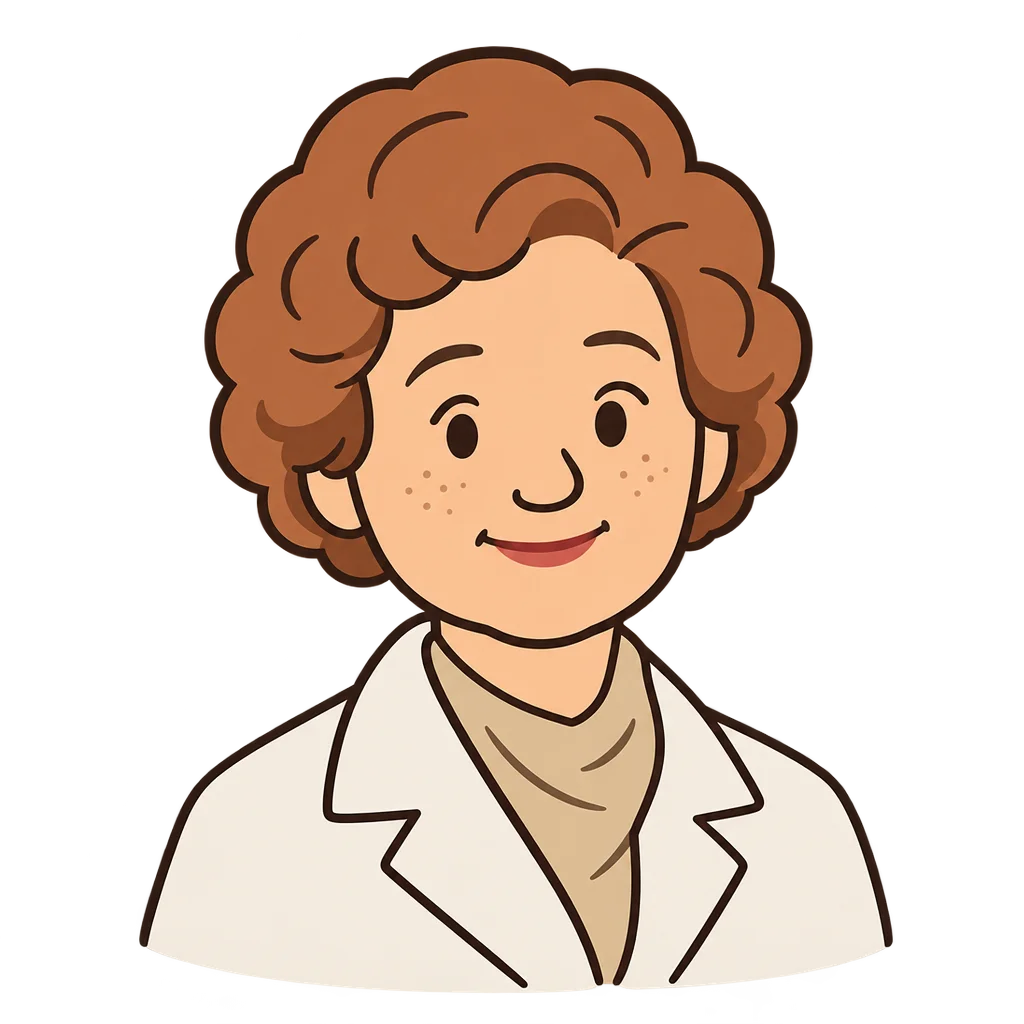
Hello! My name is Gertrude Elion, but my friends called me Trudy. I was born on January 23rd, 1918, in New York City. As a little girl, I was incredibly curious about everything. I loved to read and learn. My family had come to America to build a new life, and they always encouraged my thirst for knowledge. When I was 15 years old, something sad happened that changed my life forever. My dear grandfather, whom I loved very much, became very sick with cancer and passed away. It was heartbreaking, but it also gave me a mission. I decided that day in 1933 that I would dedicate my life to science and finding cures for terrible diseases so other families wouldn't have to feel that same sadness.
I couldn't wait to start my mission! I zoomed through my studies and graduated from Hunter College with a degree in chemistry in 1937, when I was only 19. But back then, it was very difficult for a woman to get a job as a scientist. Many laboratories told me they didn't hire women. I was disappointed, but I was not a quitter! I took whatever jobs I could find—working as a lab assistant, a doctor's receptionist, and even a high school science teacher. All the while, I was saving every penny. I used that money to continue my education, and in 1941, I earned my master's degree from New York University by taking classes at night after work. It was hard work, but I knew my dream of fighting diseases was worth it.
Finally, in 1944, I got my big break! I was hired by a research laboratory called Burroughs Wellcome. There, I met a brilliant scientist named George H. Hitchings, and we became a fantastic team. At the time, most scientists found new medicines by simple trial and error—testing thousands of chemicals to see if one might work. George and I had a different, much smarter idea. We thought, 'What if we study how cells work?' We wanted to understand the tiny differences between healthy human cells and the bad cells, like germs or cancer cells. Our plan was to design 'imposter' molecules—medicines that would look like food to the bad cells. The bad cells would gobble them up, but because they were imposters, they would stop the bad cells from growing and making more of themselves. Best of all, our method was designed to leave the healthy cells alone! This new way of thinking was called 'rational drug design.'
Gertrude Elion: The Woman Who Fought Disease
Hello! My name is Gertrude Elion, but my friends called me Trudy. I was born on January 23rd, 1918, in New York City. As a little girl, I was incredibly curious about everything. I loved to read and learn. My family had come to America to build a new life, and they always encouraged my thirst for knowledge. When I was 15 years old, something sad happened that changed my life forever. My dear grandfather, whom I loved very much, became very sick with cancer and passed away. It was heartbreaking, but it also gave me a mission. I decided that day in 1933 that I would dedicate my life to science and finding cures for terrible diseases so other families wouldn't have to feel that same sadness.
I couldn't wait to start my mission! I zoomed through my studies and graduated from Hunter College with a degree in chemistry in 1937, when I was only 19. But back then, it was very difficult for a woman to get a job as a scientist. Many laboratories told me they didn't hire women. I was disappointed, but I was not a quitter! I took whatever jobs I could find—working as a lab assistant, a doctor's receptionist, and even a high school science teacher. All the while, I was saving every penny. I used that money to continue my education, and in 1941, I earned my master's degree from New York University by taking classes at night after work. It was hard work, but I knew my dream of fighting diseases was worth it.
Finally, in 1944, I got my big break! I was hired by a research laboratory called Burroughs Wellcome. There, I met a brilliant scientist named George H. Hitchings, and we became a fantastic team. At the time, most scientists found new medicines by simple trial and error—testing thousands of chemicals to see if one might work. George and I had a different, much smarter idea. We thought, 'What if we study how cells work?' We wanted to understand the tiny differences between healthy human cells and the bad cells, like germs or cancer cells. Our plan was to design 'imposter' molecules—medicines that would look like food to the bad cells. The bad cells would gobble them up, but because they were imposters, they would stop the bad cells from growing and making more of themselves. Best of all, our method was designed to leave the healthy cells alone! This new way of thinking was called 'rational drug design.'
Our new method worked better than we ever could have dreamed! In 1951, we created a medicine called Purinethol, which was one of the very first drugs to successfully treat leukemia, a type of cancer in children. For the first time, doctors had a real tool to fight this disease. But we didn't stop there. A few years later, we developed a drug called Imuran, which helped people's bodies accept organ transplants, like a new kidney, giving them a second chance at life. In the 1970s, my team developed Zovirax, one of the first-ever antiviral medicines to fight viruses like the ones that cause herpes. Our research methods even helped other scientists later create AZT, the first drug used to treat AIDS. It felt amazing to know our ideas were helping people all over the world.
After many years of hard work, I received the biggest honor a scientist can get. In 1988, my partner George Hitchings and I, along with another scientist named Sir James Black, were awarded the Nobel Prize in Medicine. I was so proud! Funnily enough, I was so busy working in the lab that I never finished getting my official Ph.D., but that prize showed that passion and persistence are what truly matter. I continued to guide young scientists even after I retired in 1983. I lived to be 81 years old, and my life was full of discovery and purpose. Today, the medicines I helped create are still used to save lives, and my story reminds young people, especially girls, that if you have a curious mind and a determined heart, you can change the world.
Wow facts
About
Gertrude Elion was an American biochemist and pharmacologist who, along with George H. Hitchings and Sir James Black, received the 1988 Nobel Prize in Physiology or Medicine for the discovery of important principles for drug treatment. Her innovative research method, known as rational drug design, led to the creation of many life-saving medications.
Take a Quiz
Question 1 of 5
What sad event happened in 1933 that made Gertrude Elion decide to dedicate her life to science?
Explore next






Want to do even more?
Go beyond exploring. Unlock tools that turn every story into real learning.

Storypie Plus for families
Full stories, quizzes, and printables. Nights and car rides, sorted.
- Unlimited audio stories
- Create Mode: your child stars in the story
- Offline downloads
- Printable worksheets & coloring pages

Why Storypie for Schools
Students engaged. Prep in seconds. Evenings back to you.
- Worksheets & Quizzes
- Classroom Management
- Formative Assessment
- Custom Curriculum & Lesson Plans
- 27 Languages

Why Storypie for Homeschool
Curriculum done. They'll ask for more. Hours back in your day.
- Worksheet Generator
- First-Person Audio Stories
- Built-in Comprehension Quizzes
- Custom Curriculum & Lesson Plans
- Print & Go Activities