English

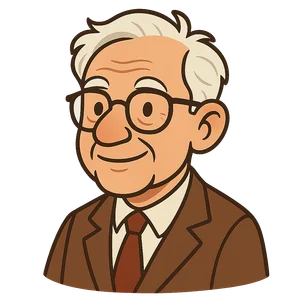
Hans Bethe
Hans Bethe was a German-American nuclear physicist who discovered the process of stellar nucleosynthesis…
Reads at Grades 3–5 Listens at Grades 1–5
Print & create
Answer keys·No prep·Free with an account
28 worksheets · answer keys · full story · quiz · Ages 8-10 · CEFR B1
Plus adds 244,000+ more stories in 27 languages, audio for every one, and printables for all of them.
Just want Hans Bethe?
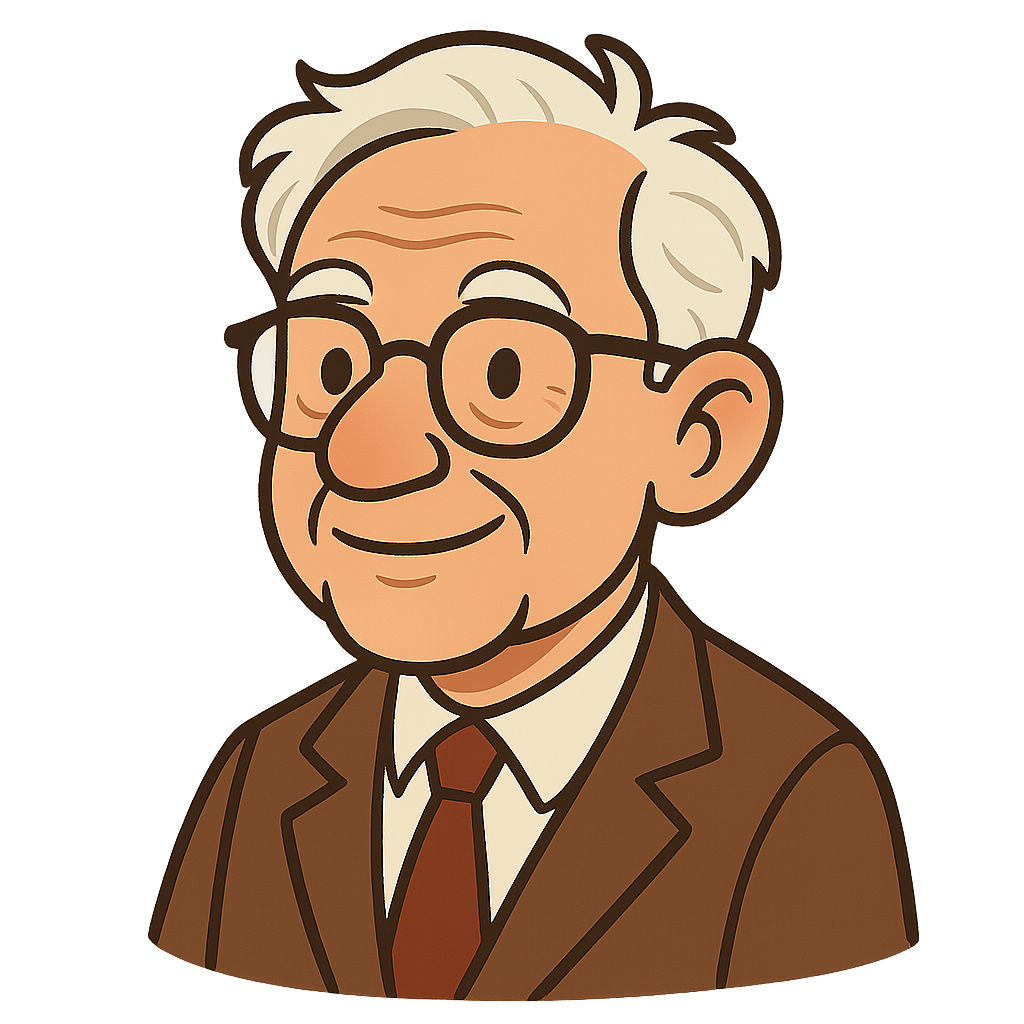
Hello, my name is Hans Bethe, and I am a scientist who spent my life trying to understand the universe. My journey began on July 2nd, 1906, when I was born in a city called Strasbourg, which was then part of Germany. From a very young age, I was fascinated by numbers. I saw them everywhere and loved solving puzzles with them. My father was a professor, and he noticed my curiosity. He encouraged me to ask big questions about how the world worked. This love for learning stayed with me as I grew up. I went to universities in Germany to study physics, which is the science of matter and energy. It was so exciting to learn about the building blocks of everything around us. In 1928, I earned my doctorate degree, which is the highest degree you can get, and I felt ready to start exploring the biggest mysteries of the universe.
My life changed a few years later. In 1933, I had to make the difficult decision to leave my home in Germany. The leaders who had taken over the country were making life unsafe for many people, including those with a Jewish background like my mother. I knew it was no longer a safe place for me to live and continue my work as a scientist. I first moved to England for a short time, but my true new beginning started in 1935 when I moved to the United States. I was offered a job as a professor at a wonderful school called Cornell University in New York. I was so happy and relieved to have a new home where I could teach and continue my research. It felt like a fresh start filled with hope and opportunity.
Hans Bethe: The Man Who Figured Out the Stars
Hello, my name is Hans Bethe, and I am a scientist who spent my life trying to understand the universe. My journey began on July 2nd, 1906, when I was born in a city called Strasbourg, which was then part of Germany. From a very young age, I was fascinated by numbers. I saw them everywhere and loved solving puzzles with them. My father was a professor, and he noticed my curiosity. He encouraged me to ask big questions about how the world worked. This love for learning stayed with me as I grew up. I went to universities in Germany to study physics, which is the science of matter and energy. It was so exciting to learn about the building blocks of everything around us. In 1928, I earned my doctorate degree, which is the highest degree you can get, and I felt ready to start exploring the biggest mysteries of the universe.
My life changed a few years later. In 1933, I had to make the difficult decision to leave my home in Germany. The leaders who had taken over the country were making life unsafe for many people, including those with a Jewish background like my mother. I knew it was no longer a safe place for me to live and continue my work as a scientist. I first moved to England for a short time, but my true new beginning started in 1935 when I moved to the United States. I was offered a job as a professor at a wonderful school called Cornell University in New York. I was so happy and relieved to have a new home where I could teach and continue my research. It felt like a fresh start filled with hope and opportunity.
One of the questions that had always puzzled me was what made the sun and all the other stars shine so brightly. For centuries, people had looked up at the night sky and wondered about that same thing. In 1938, after a lot of thinking and calculating, I finally discovered the answer. I realized that deep inside the core of a star, it is so hot that tiny particles called atoms are forced to join together. This process is called nuclear fusion, and when it happens, it releases an enormous amount of energy. That energy travels all the way to us as the light and heat we get from our sun. A few years later, during World War II, my country needed my help. I went to a secret town in Los Alamos, New Mexico, to work on something called the Manhattan Project. I led a team of very smart scientists. It was a very serious time, and we used our knowledge to help our country.
After the war, my work on the stars was recognized in a very special way. In 1967, I was awarded the Nobel Prize in Physics for my discovery of how stars create their energy. It was one of the proudest moments of my entire life to have my work honored like that. Having been part of the Manhattan Project made me think very deeply about the incredible power of science. I saw how it could be used for very destructive purposes, but I also knew it could be used for great good. Because of this, I spent much of the rest of my life speaking with world leaders. I encouraged them to use science for peaceful things, like creating clean energy for our planet. I also urged them to work together to avoid using powerful weapons and to make the world a safer place for everyone.
I taught at Cornell University for many, many years and loved sharing my knowledge with new generations of young scientists. I lived a very long and full life, until I was 98 years old. While I am often remembered for discovering the secret of the stars, I hope people also remember my strong belief that science is a gift. It is a gift that should always be used wisely, to help people, to build a better future, and to make the world a more peaceful place for everyone to share.
Wow facts
About
Hans Bethe was a German-American nuclear physicist who discovered the process of stellar nucleosynthesis, which explains how stars shine. He was a leading scientist on the Manhattan Project and later became a strong advocate for nuclear disarmament, winning the Nobel Prize in Physics in 1967.
Take a Quiz
Question 1 of 5
Why did Hans Bethe have to leave his home in Germany in 1933?
Explore next






Want to do even more?
Go beyond exploring. Unlock tools that turn every story into real learning.

Storypie Plus for families
Full stories, quizzes, and printables. Nights and car rides, sorted.
- Unlimited audio stories
- Create Mode: your child stars in the story
- Offline downloads
- Printable worksheets & coloring pages

Why Storypie for Schools
Students engaged. Prep in seconds. Evenings back to you.
- Worksheets & Quizzes
- Classroom Management
- Formative Assessment
- Custom Curriculum & Lesson Plans
- 27 Languages

Why Storypie for Homeschool
Curriculum done. They'll ask for more. Hours back in your day.
- Worksheet Generator
- First-Person Audio Stories
- Built-in Comprehension Quizzes
- Custom Curriculum & Lesson Plans
- Print & Go Activities