English

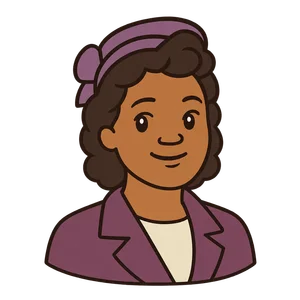
Henrietta Lacks
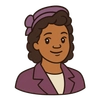
Henrietta Lacks was an African American woman whose cancer cells, taken without her knowledge in 1951…
Reads at Grades 6–8 Listens at Grades 4–8
Print & create
Answer keys·No prep·Free with an account
28 worksheets · answer keys · full story · quiz · Ages 10-12 · CEFR B2
Plus adds 290,000+ more stories in 27 languages, audio for every one, and printables for all of them.
Just want Henrietta Lacks?
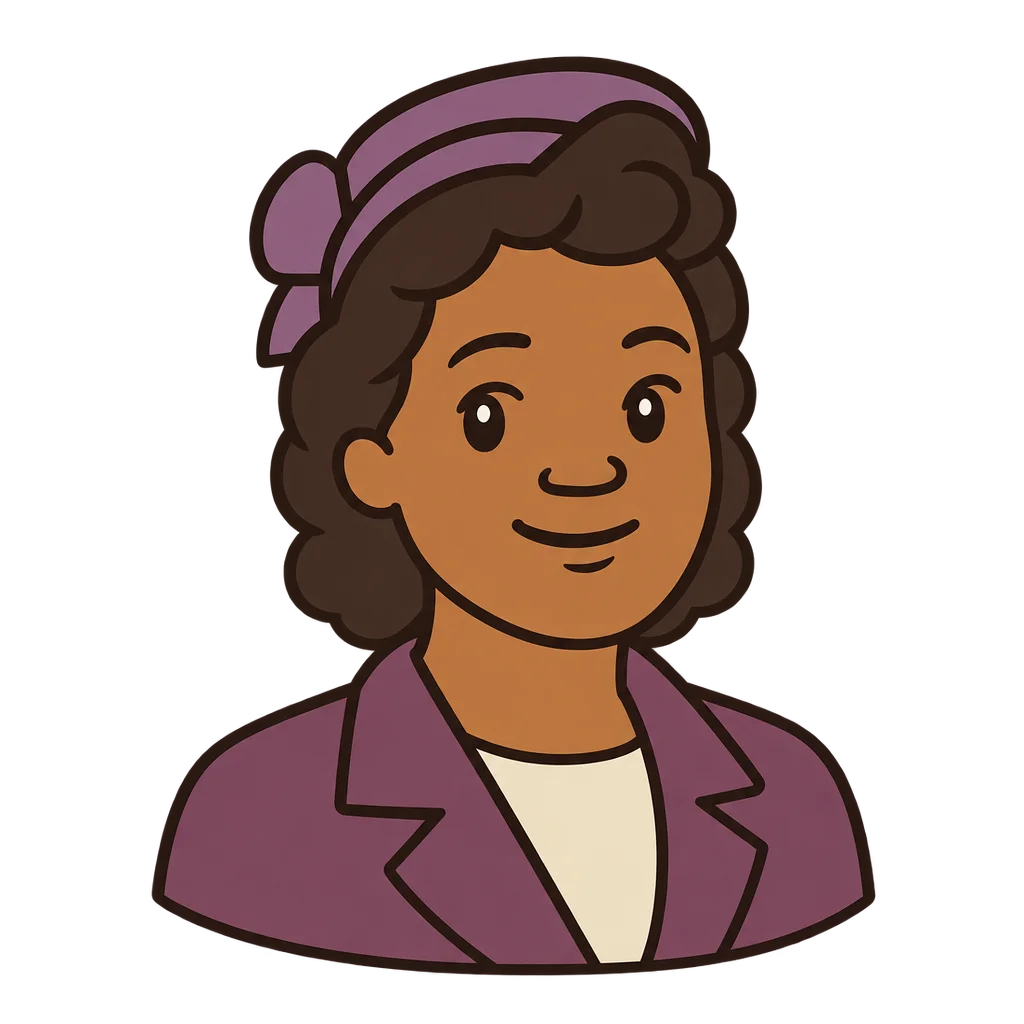
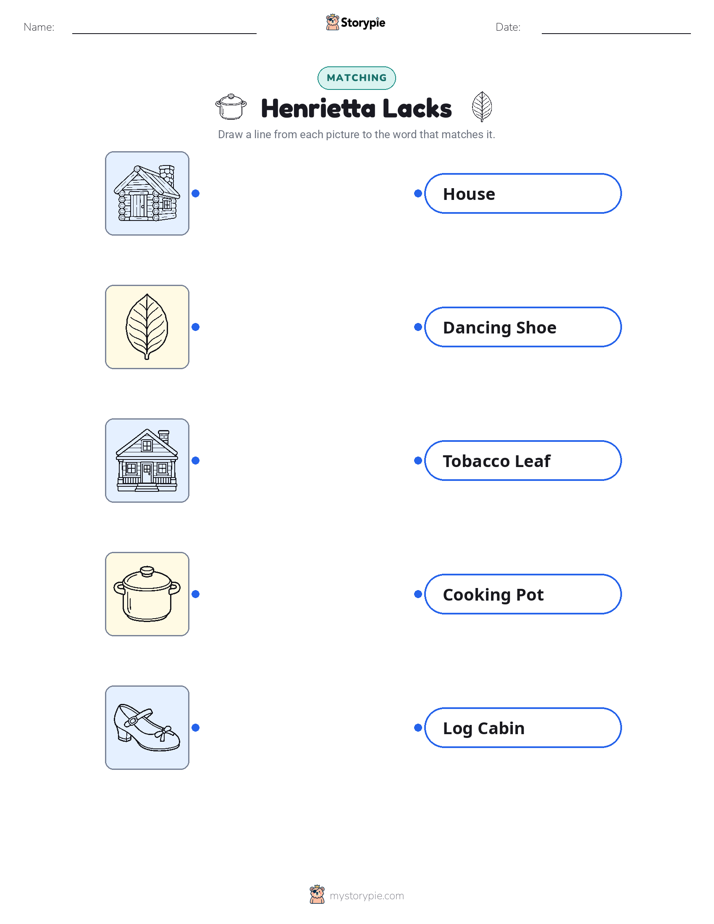
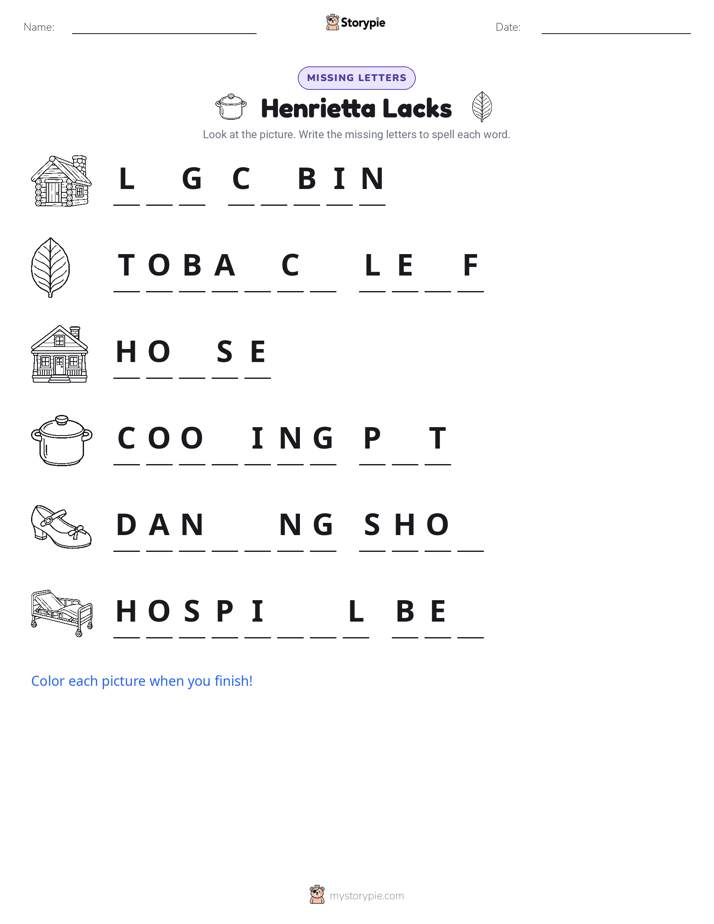
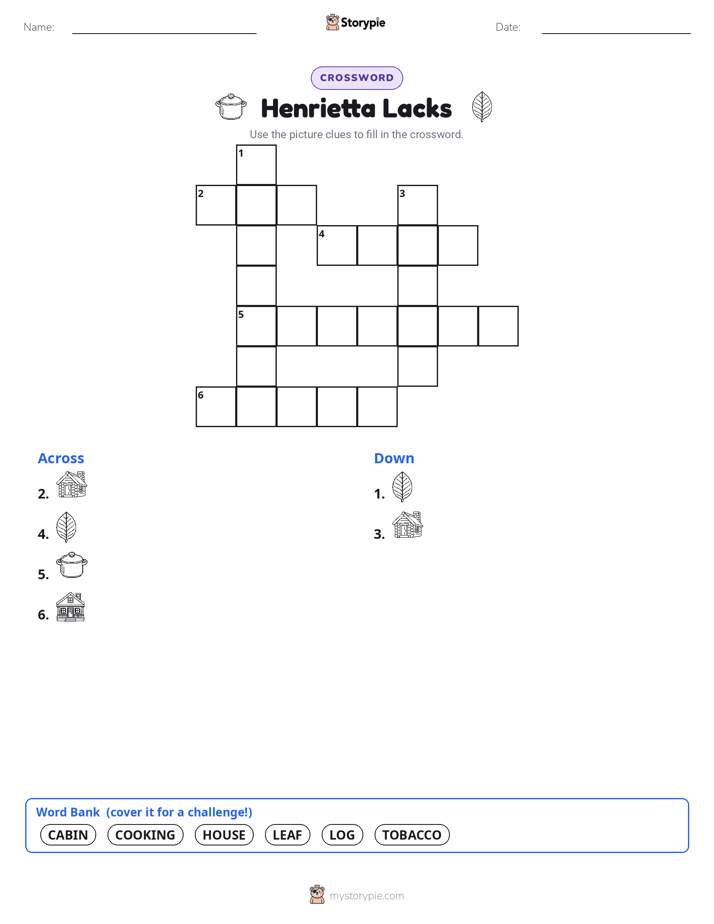
Hello, my name is Henrietta Lacks, and I want to share my story with you. I was born Loretta Pleasant on August 1st, 1920, in Roanoke, Virginia, but everyone in my family soon began calling me Henrietta. My early life had its share of hardship. My mother passed away in 1924 when I was only four years old. After that, my father took me and my siblings to a small town called Clover, where our relatives could help raise us. I went to live with my grandfather in his log cabin, which had been a slave quarters on a plantation long ago. Life revolved around the land, and I spent my childhood helping on our family's tobacco farm. It was hard work from sunrise to sunset, but it was the life we knew. It was also in that cabin that I grew up alongside my cousin, David Lacks, who everyone called 'Day.' We were close from a young age, working in the fields together and sharing everything. As we grew older, our friendship turned into love, and on April 10th, 1941, we were married and ready to start our own family.
Around the year 1941, Day and I made a big decision. We decided to move north to Maryland, near the bustling city of Baltimore. We were part of what became known as the Great Migration, a time when many other Black families left the rural South in search of better jobs and new opportunities for their children. We found a home in a community called Turner Station, which was a close-knit place for African American families. Day found a good job at the Bethlehem Steel shipyard, which was a massive and important place during that time. I became a homemaker, dedicating myself to taking care of our home and our growing family. Over the years, we had five children: Lawrence, Elsie, Sonny, Deborah, and our youngest, Joe. Our little house was never quiet; it was always full of noise, laughter, and the wonderful smells of my cooking. I loved having a full house, and I especially enjoyed cooking for anyone who stopped by. On weekends, I liked to dress up, go dancing with my friends, and enjoy the life we were building together. It was a happy, busy time for our family.
Henrietta Lacks
Hello, my name is Henrietta Lacks, and I want to share my story with you. I was born Loretta Pleasant on August 1st, 1920, in Roanoke, Virginia, but everyone in my family soon began calling me Henrietta. My early life had its share of hardship. My mother passed away in 1924 when I was only four years old. After that, my father took me and my siblings to a small town called Clover, where our relatives could help raise us. I went to live with my grandfather in his log cabin, which had been a slave quarters on a plantation long ago. Life revolved around the land, and I spent my childhood helping on our family's tobacco farm. It was hard work from sunrise to sunset, but it was the life we knew. It was also in that cabin that I grew up alongside my cousin, David Lacks, who everyone called 'Day.' We were close from a young age, working in the fields together and sharing everything. As we grew older, our friendship turned into love, and on April 10th, 1941, we were married and ready to start our own family.
Around the year 1941, Day and I made a big decision. We decided to move north to Maryland, near the bustling city of Baltimore. We were part of what became known as the Great Migration, a time when many other Black families left the rural South in search of better jobs and new opportunities for their children. We found a home in a community called Turner Station, which was a close-knit place for African American families. Day found a good job at the Bethlehem Steel shipyard, which was a massive and important place during that time. I became a homemaker, dedicating myself to taking care of our home and our growing family. Over the years, we had five children: Lawrence, Elsie, Sonny, Deborah, and our youngest, Joe. Our little house was never quiet; it was always full of noise, laughter, and the wonderful smells of my cooking. I loved having a full house, and I especially enjoyed cooking for anyone who stopped by. On weekends, I liked to dress up, go dancing with my friends, and enjoy the life we were building together. It was a happy, busy time for our family.
My life took an unexpected turn in early 1951. I started feeling unwell, with a pain inside me that wouldn't go away. I knew something was wrong, so I went to Johns Hopkins Hospital. In those days, it was one of the only major hospitals in the area that would treat African American patients, though we had to use separate waiting rooms and wards. On January 29th, 1951, after several tests, the doctors gave me news that frightened me deeply. They told me I had a very serious illness called cervical cancer. I was scared for my children and my husband, but I was also a fighter, and I was determined to get better. I began receiving radiation treatments, which were the best doctors had to offer at the time. During one of my procedures, a doctor took a small piece of my tumor. He did this without asking for my permission and without ever telling me what he was doing. He sent the sample to a research lab right there in the hospital. At the time, it was common for doctors to take samples from patients for research without their consent, but nobody ever explained this to the patients or their families. I had absolutely no idea that this small piece of me, taken without my knowledge, was about to change the world of medicine forever.
In that hospital lab, a scientist named Dr. George Gey received the sample of my cells. He and other scientists had been trying for years to keep human cells alive in a laboratory so they could study them, but every sample they tried eventually died. My cells, however, were different. They were extraordinary. To Dr. Gey's amazement, my cells didn't die; instead, they doubled in number every 24 hours. They just kept growing and dividing, and it seemed like they would never stop. They were, in a scientific sense, 'immortal.' To keep track of the sample, Dr. Gey labeled the culture with the first two letters of my first and last names: 'HeLa.' While my cells were beginning their incredible journey in the lab, my own health was failing. The treatments didn't work for me, and my life came to an end on October 4th, 1951. But my cells, my secret gift to science, lived on. Dr. Gey shared them with scientists all over the world, and they became one of the most important tools in modern medicine. In the 1950s, my HeLa cells were used to help develop the polio vaccine, which saved countless children from a terrible disease. Since then, they have been used to study cancer, AIDS, genetics, and many other illnesses. My cells were even sent into space on the first missions to see how human cells would react in zero gravity. For decades, all of this incredible science was happening, and my own family had no idea.
I lived to be 31 years old. For more than twenty years after I was gone, my children and my husband, Day, had no idea that a part of me was still alive and helping scientists make incredible discoveries. They finally learned the truth in the 1970s, and it was a shocking and confusing experience for them. They struggled to understand how this could have happened without anyone ever asking. My story, which was once a secret known only to scientists, is now known around the world. This is thanks to writers like Rebecca Skloot and the tireless efforts of my family, especially my daughter Deborah, who wanted everyone to know the woman behind the famous HeLa cells. Because of what happened to me, new laws and ethical rules were created to protect patients. Now, doctors must get a patient's informed consent before using their tissues in research. Today, people remember me not just for my amazing cells, but as a loving mother, a wife, and a strong woman whose legacy continues to save lives and inspire important conversations about science, ethics, and fairness.
Wow facts
About
Henrietta Lacks was an African American woman whose cancer cells, taken without her knowledge in 1951, became the first immortalized human cell line, known as HeLa cells. These cells have been crucial to countless medical breakthroughs.
Take a Quiz
Question 1 of 5
In your own words, describe the main events of Henrietta Lacks's life from her childhood in Virginia to her move to Maryland.
Explore next



Want to do even more?
Go beyond exploring. Unlock tools that turn every story into real learning.
Storypie Plus for families
Full stories, quizzes, and printables. Nights and car rides, sorted.
- Unlimited audio stories
- Create Mode: your child stars in the story
- Offline downloads
- Printable worksheets & coloring pages

Why Storypie for Schools
Students engaged. Prep in seconds. Evenings back to you.
- Worksheets & Quizzes
- Classroom Management
- Formative Assessment
- Custom Curriculum & Lesson Plans
- 27 Languages

Why Storypie for Homeschool
Curriculum done. They'll ask for more. Hours back in your day.
- Worksheet Generator
- First-Person Audio Stories
- Built-in Comprehension Quizzes
- Custom Curriculum & Lesson Plans
- Print & Go Activities