English

Jean-François Champollion
Jean-François Champollion was a French philologist and orientalist…
Reads at Grades 6–8 Listens at Grades 4–8
Print & create
Answer keys·No prep·Free with an account
28 worksheets · answer keys · full story · quiz · Ages 10-12 · CEFR B2
Plus adds 164,000+ more stories in 27 languages, audio for every one, and printables for all of them.
Just want Jean-François Champollion?
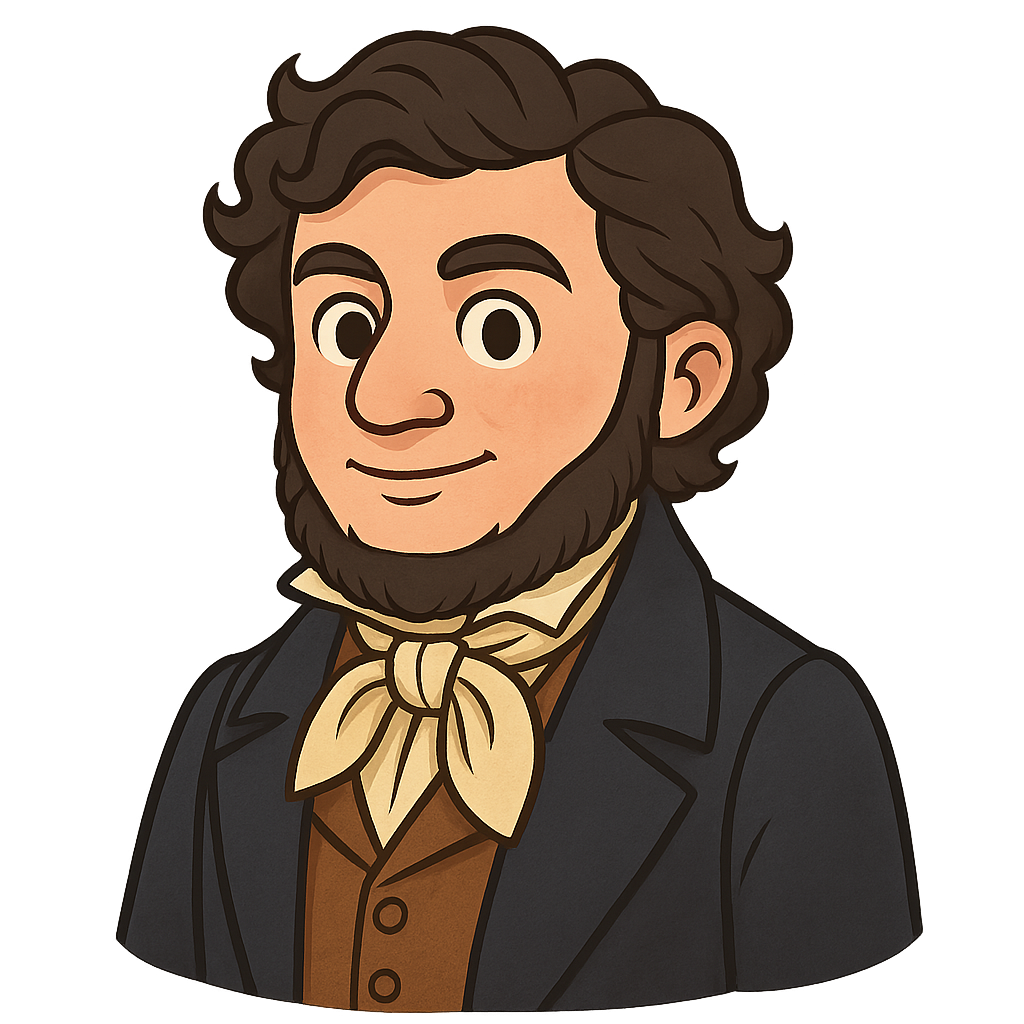
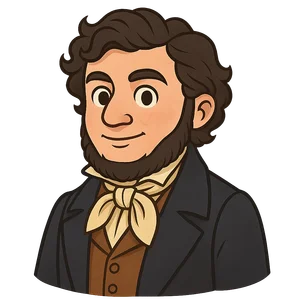
My name is Jean-François Champollion, and I was the person who unlocked one of history's greatest secrets: the language of the ancient Egyptians. I was born on December 23rd, 1790, in a small town in France called Figeac. From a very young age, I was completely fascinated by words, languages, and the mysteries of the past. My older brother, Jacques-Joseph, saw this passion in me and became my greatest supporter, always encouraging my studies. While other boys might have been playing outside, I was happily lost in books. By the time I was a teenager, I had already taught myself many difficult languages, including Latin, Greek, Hebrew, and Arabic. Around the year 1807, a powerful idea took hold of me. I became convinced that the key to understanding the ancient hieroglyphs of the pharaohs lay in a much later Egyptian language called Coptic, which was still used in some Christian churches. This belief would guide my life's work.
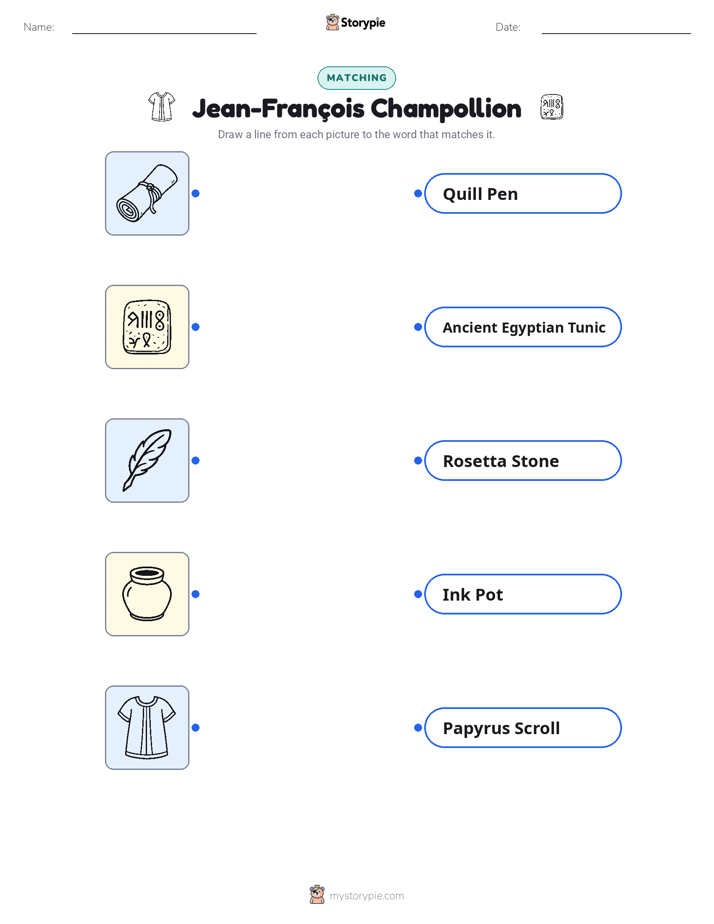
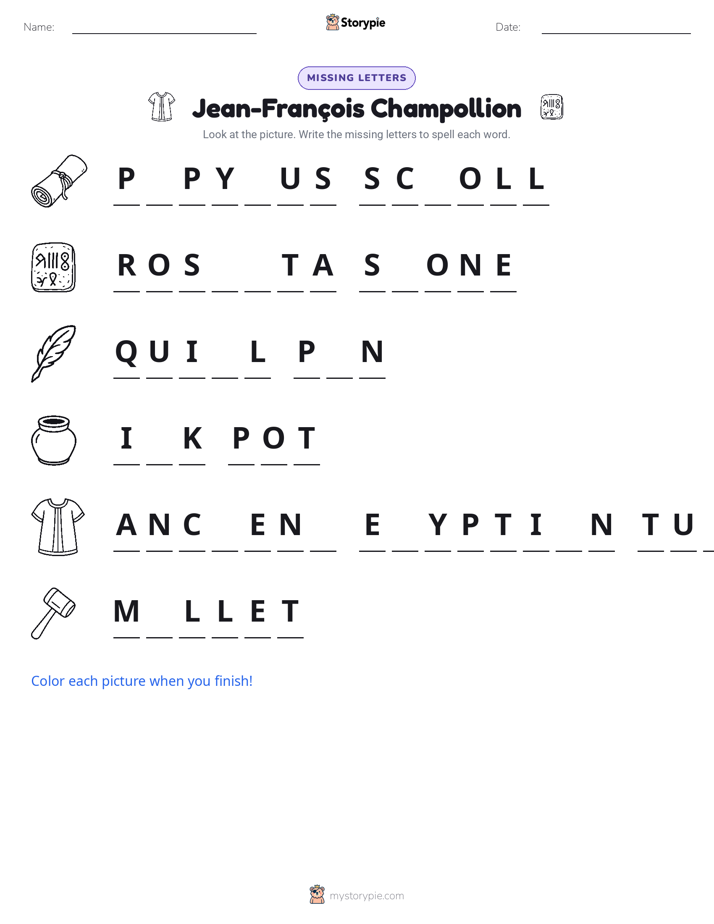
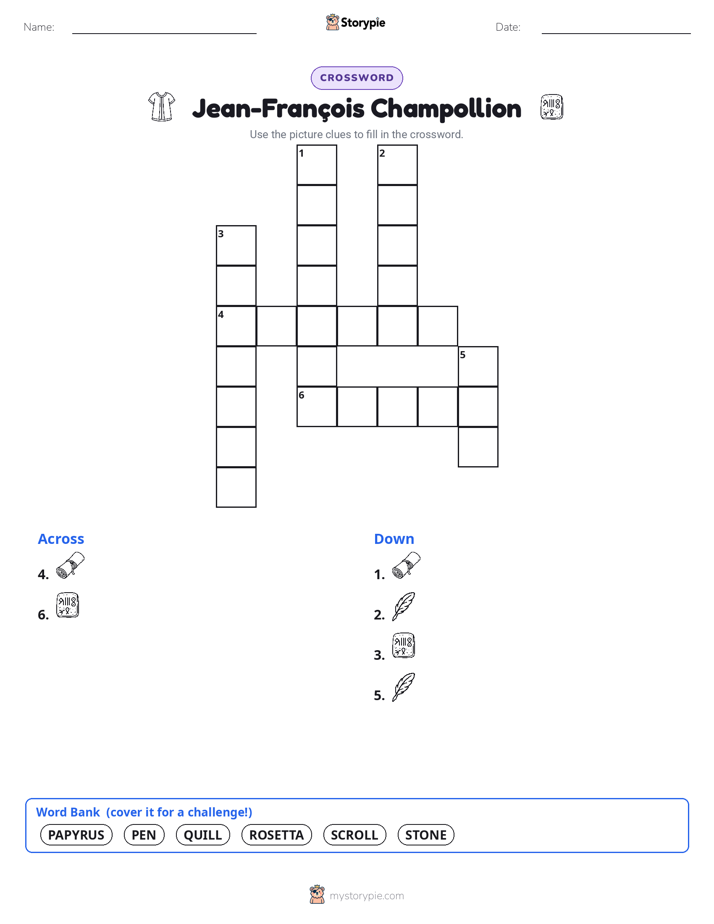
In my time, the beautiful picture-writing of ancient Egypt, known as hieroglyphs, was a complete mystery. For more than 1,000 years, nobody on Earth could read the symbols that covered the great temples, tombs, and monuments along the Nile River. Imagine walking through a library where you can't read a single word—that's what studying ancient Egypt was like. But then, a discovery changed everything. In 1799, French soldiers found a large, dark slab of stone near a town called Rosetta. This became known as the Rosetta Stone, and it was the most important clue the world had ever seen. The reason it was so special was that it had the same message carved on it in three different scripts: the mysterious hieroglyphs, a simpler Egyptian script called Demotic, and ancient Greek. Since scholars could still read ancient Greek, we finally had a way to begin decoding the other two. A great race began among academics all over Europe, each one hoping to be the first to crack the code.
Jean-François Champollion: The Man Who Unlocked Ancient Egypt
My name is Jean-François Champollion, and I was the person who unlocked one of history's greatest secrets: the language of the ancient Egyptians. I was born on December 23rd, 1790, in a small town in France called Figeac. From a very young age, I was completely fascinated by words, languages, and the mysteries of the past. My older brother, Jacques-Joseph, saw this passion in me and became my greatest supporter, always encouraging my studies. While other boys might have been playing outside, I was happily lost in books. By the time I was a teenager, I had already taught myself many difficult languages, including Latin, Greek, Hebrew, and Arabic. Around the year 1807, a powerful idea took hold of me. I became convinced that the key to understanding the ancient hieroglyphs of the pharaohs lay in a much later Egyptian language called Coptic, which was still used in some Christian churches. This belief would guide my life's work.
In my time, the beautiful picture-writing of ancient Egypt, known as hieroglyphs, was a complete mystery. For more than 1,000 years, nobody on Earth could read the symbols that covered the great temples, tombs, and monuments along the Nile River. Imagine walking through a library where you can't read a single word—that's what studying ancient Egypt was like. But then, a discovery changed everything. In 1799, French soldiers found a large, dark slab of stone near a town called Rosetta. This became known as the Rosetta Stone, and it was the most important clue the world had ever seen. The reason it was so special was that it had the same message carved on it in three different scripts: the mysterious hieroglyphs, a simpler Egyptian script called Demotic, and ancient Greek. Since scholars could still read ancient Greek, we finally had a way to begin decoding the other two. A great race began among academics all over Europe, each one hoping to be the first to crack the code.
Solving this puzzle became my life's obsession. I was not alone in this quest; an English scientist named Thomas Young was my main rival, and he made some important early discoveries that helped point the way. However, most people still believed that each hieroglyph was a simple picture-word, where a drawing of a bird meant 'bird.' My great breakthrough came when I realized this was not entirely true. I figured out that the Egyptian writing system was a clever combination of signs. Some signs did stand for whole ideas, but many others stood for sounds, just like the letters in our alphabet. I tested my theory on the oval shapes, called cartouches, which I suspected contained the names of royalty. I carefully sounded out the hieroglyphs for the names 'Ptolemy' and 'Cleopatra,' which we knew from Greek texts. It worked. It was a thrilling, unbelievable moment. On September 27th, 1822, I was finally ready to share my discovery, and I presented my complete system for deciphering hieroglyphs to the world.
After cracking the code, my life changed dramatically. In 1826, I was honored with the position of curator for the Egyptian collection at the famous Louvre Museum in Paris, which meant I was in charge of its precious artifacts. But my greatest dream had always been to see Egypt with my own eyes. That dream came true when I led an expedition there that lasted from 1828 to 1829. The feeling of finally standing before the massive temples at Karnak and the tombs in the Valley of the Kings was overwhelming. For the first time, I could read the ancient stories and prayers directly from the stone walls where they had been carved thousands of years before. Every inscription I translated confirmed that my system was correct. The history of Egypt was no longer silent; it was speaking to me, and I was listening.
That long and difficult journey to Egypt, however, took a great toll on my health. I returned to Paris, eager to organize and publish all of my findings, but my strength began to fail me. My life ended not long after my return. I lived to be 41 years old. My work, however, gave a voice back to the ancient Egyptians, allowing us to understand their incredible history, their beliefs about the gods and the afterlife, and even the details of their daily lives. By unlocking their language, I helped create a new field of study. For this reason, I am remembered today as the 'Father of Egyptology,' and the secrets of the pharaohs continue to inspire people all over the world.
Wow facts
About
Jean-François Champollion was a French philologist and orientalist, celebrated as the decipherer of Egyptian hieroglyphs and a founding figure in the field of Egyptology.
Take a Quiz
Question 1 of 5
In your own words, retell the main steps Champollion took to solve the mystery of the hieroglyphs.
Explore next



Want to do even more?
Go beyond exploring. Unlock tools that turn every story into real learning.

Storypie Plus for families
Full stories, quizzes, and printables. Nights and car rides, sorted.
- Unlimited audio stories
- Create Mode: your child stars in the story
- Offline downloads
- Printable worksheets & coloring pages

Why Storypie for Schools
Students engaged. Prep in seconds. Evenings back to you.
- Worksheets & Quizzes
- Classroom Management
- Formative Assessment
- Custom Curriculum & Lesson Plans
- 27 Languages

Why Storypie for Homeschool
Curriculum done. They'll ask for more. Hours back in your day.
- Worksheet Generator
- First-Person Audio Stories
- Built-in Comprehension Quizzes
- Custom Curriculum & Lesson Plans
- Print & Go Activities