English

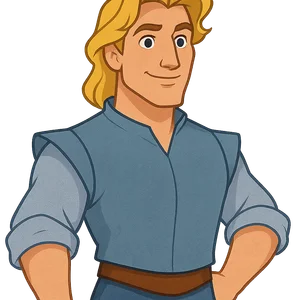
John Smith
John Smith was an English explorer, soldier, and author who was a leader in the establishment of Jamestown…
Reads at Grades 6–8 Listens at Grades 4–8
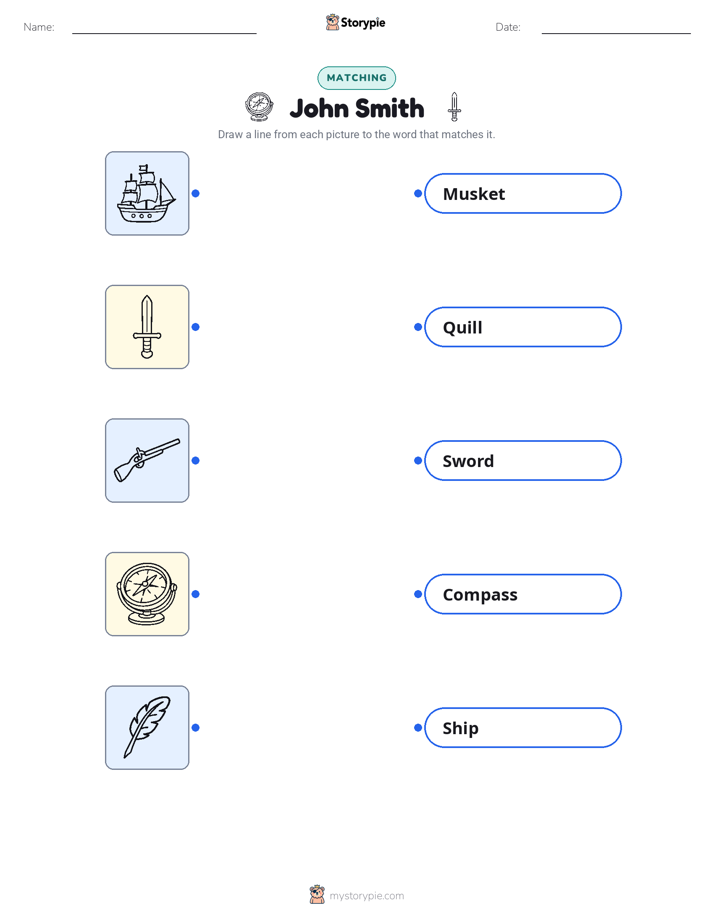
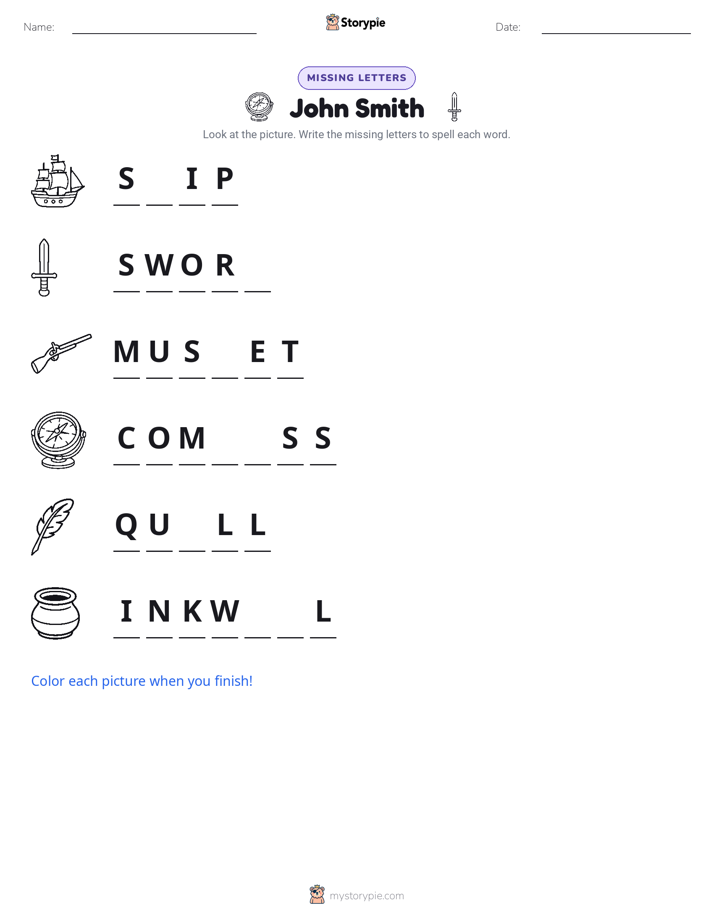
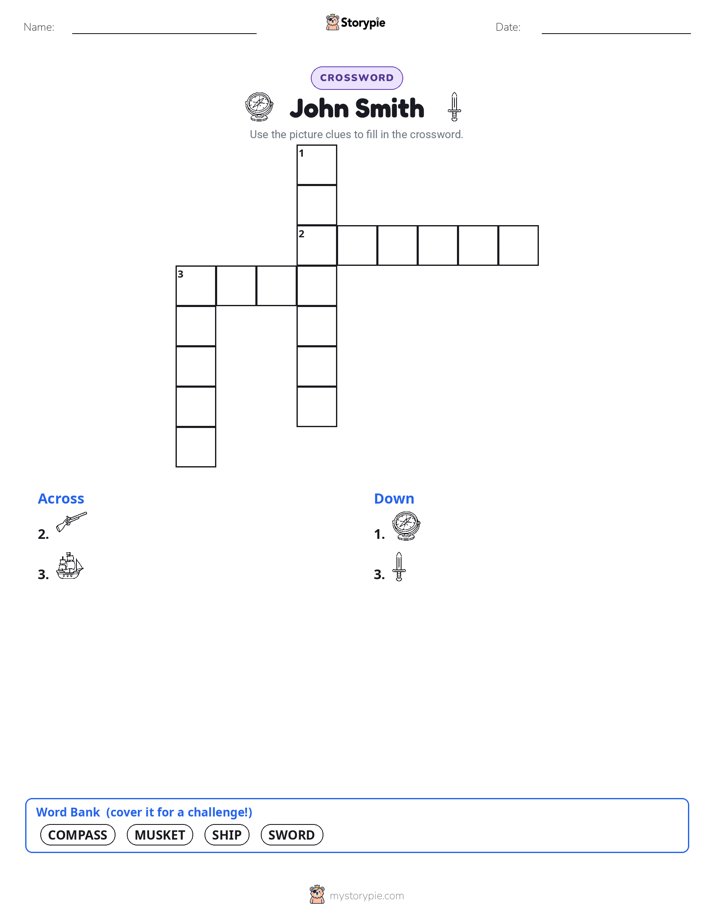
Print & create
Answer keys·No prep·Free with an account
24 worksheets · answer keys · full story · quiz · Ages 10-12 · CEFR B2
Plus adds 102,000+ more stories in 27 languages, audio for every one, and printables for all of them.
Just want John Smith?
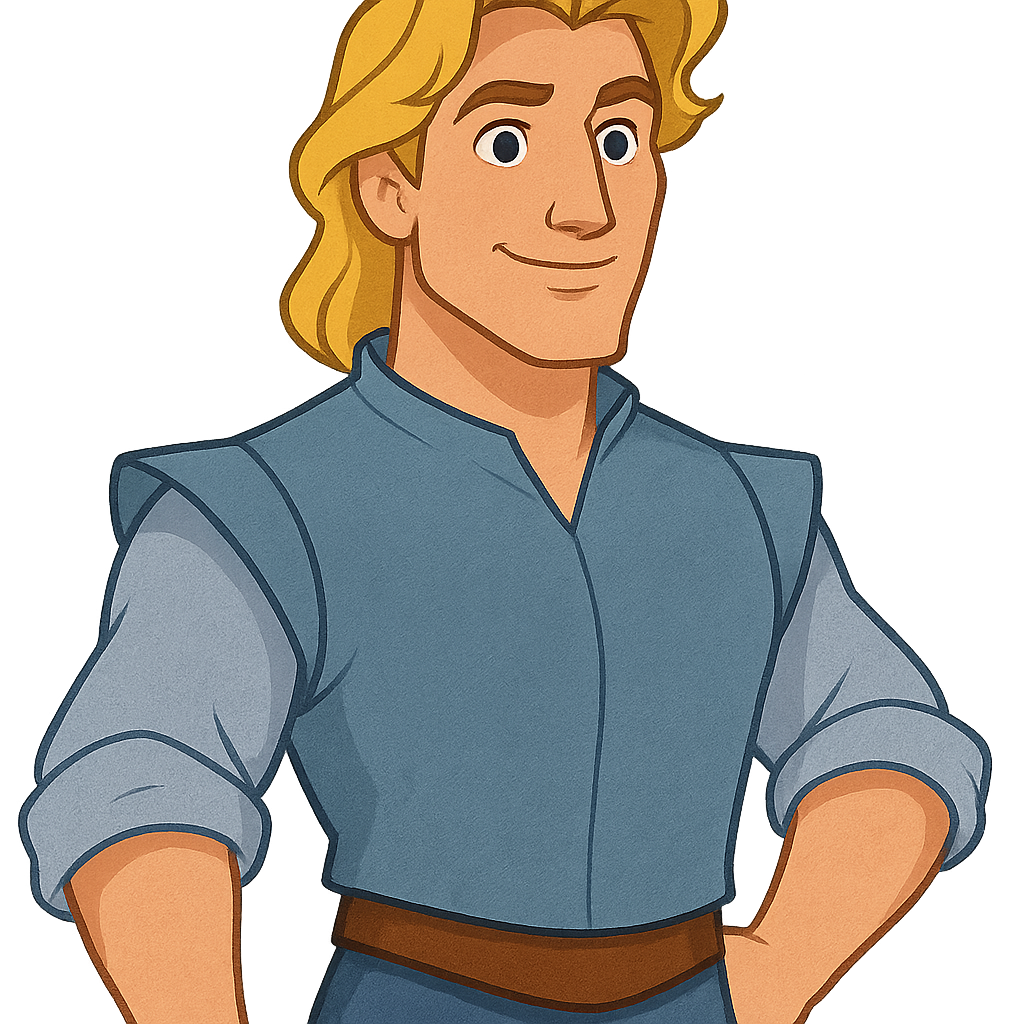
Hello, my name is John Smith. Though I am remembered for my adventures in a new world, my story began in a quiet English village called Willoughby, where I was born in 1580. My home was peaceful, but my heart was filled with a desire for excitement and exploration. I spent my youth dreaming of seeing the world beyond my small town. When my father passed away, I was just sixteen years old, and I knew it was time to make those dreams a reality. I left home and became a soldier, seeking the adventure I had always craved. My journey took me across Europe, where I fought in several conflicts, including battles against the powerful Ottoman Empire. It was a life of great risk. During this time, I was captured in a battle and sold into slavery. It was a terrifying experience, but I refused to give up hope. Using my wits and courage, I managed to escape my captors around the year 1602. I traveled a great distance, making my way back across Europe and finally returning to England, more experienced and ready for whatever challenge came next.
Back in England, I heard whispers of an incredible opportunity. The Virginia Company of London was planning to establish a colony in North America, a land of mystery and promise. I knew instantly that this was the great adventure I had been waiting for, and I joined the expedition. In December of 1606, I set sail with more than 100 other men and boys. We were crowded onto three small ships: the Susan Constant, the Godspeed, and the Discovery. The journey across the Atlantic Ocean was long and perilous. We faced powerful storms that tossed our ships on the waves, and many of us grew weary during the months at sea. At last, in April of 1607, our long wait was over when we finally spotted land. We navigated our ships into a large bay and sailed up a river, which we named the James River in honor of our king. There, on a marshy piece of land, we chose a spot to build our new home. We called it Jamestown, and it would become the very first permanent English settlement in America.
John Smith: Leader of Jamestown
Hello, my name is John Smith. Though I am remembered for my adventures in a new world, my story began in a quiet English village called Willoughby, where I was born in 1580. My home was peaceful, but my heart was filled with a desire for excitement and exploration. I spent my youth dreaming of seeing the world beyond my small town. When my father passed away, I was just sixteen years old, and I knew it was time to make those dreams a reality. I left home and became a soldier, seeking the adventure I had always craved. My journey took me across Europe, where I fought in several conflicts, including battles against the powerful Ottoman Empire. It was a life of great risk. During this time, I was captured in a battle and sold into slavery. It was a terrifying experience, but I refused to give up hope. Using my wits and courage, I managed to escape my captors around the year 1602. I traveled a great distance, making my way back across Europe and finally returning to England, more experienced and ready for whatever challenge came next.
Back in England, I heard whispers of an incredible opportunity. The Virginia Company of London was planning to establish a colony in North America, a land of mystery and promise. I knew instantly that this was the great adventure I had been waiting for, and I joined the expedition. In December of 1606, I set sail with more than 100 other men and boys. We were crowded onto three small ships: the Susan Constant, the Godspeed, and the Discovery. The journey across the Atlantic Ocean was long and perilous. We faced powerful storms that tossed our ships on the waves, and many of us grew weary during the months at sea. At last, in April of 1607, our long wait was over when we finally spotted land. We navigated our ships into a large bay and sailed up a river, which we named the James River in honor of our king. There, on a marshy piece of land, we chose a spot to build our new home. We called it Jamestown, and it would become the very first permanent English settlement in America.
Our new life in Jamestown was a constant struggle for survival. The location we chose was swampy and unhealthy, clean water was hard to find, and food quickly became scarce. Many of the settlers fell ill from disease and hunger, and a sense of despair began to grow. I saw that if we were going to survive, we could not afford to have anyone be idle. I established a rule that became famous: 'He that will not work shall not eat.' It was a strict policy, but it ensured that everyone contributed to the tasks necessary for our survival, such as farming, building, and defense. In December of 1607, while on an expedition to find food, I was captured by a group of warriors from the Powhatan Confederacy. I was taken to meet their powerful leader, Chief Powhatan. It was a tense and frightening moment, and I believed my life was about to end. But then, something remarkable happened. The chief’s young daughter, Pocahontas, bravely stepped forward and pleaded for my life, saving me from execution. This event created a fragile link between our peoples. The following year, in September of 1608, I was elected president of the colony. I dedicated myself to securing Jamestown's future, which included exploring the surrounding lands and creating detailed maps of the Chesapeake Bay. These charts were not just drawings; they were vital tools that would help countless future sailors navigate these unknown waters.
My leadership in Virginia came to an unexpected and painful end in 1609. I was carrying a bag of gunpowder when it suddenly ignited and exploded, leaving me with a severe injury. The medical care available in Jamestown was not enough to treat such a wound, and I had no choice but to sail back to England. I left the colony I had worked so hard to build, and I was never able to return. But my spirit of exploration was not broken. After recovering, I was eager for another voyage. In 1614, I commanded a ship that sailed to the northern coast of America, a region less known to the English at the time. I spent months carefully charting the coastline from what is now Maine down to Massachusetts. I was deeply impressed by the land's rich forests, good harbors, and abundant fish. Believing it was the perfect place for future English colonies, I gave the region a name that has lasted to this day: 'New England.' Through this work, I discovered that I could contribute to England's future in the New World in a different way. Even if I could no longer lead settlers in person, my maps and writings could guide them and inspire them to build new lives across the ocean.
For the remainder of my days, I lived in England, trading the wild dangers of the New World for the quiet work of a writer. I dedicated my time to documenting my adventures and the lands I had explored. I wrote several books, hoping to share my knowledge and encourage others to take the risk and build a prosperous new life in America. My most famous work, 'The Generall Historie of Virginia, New-England, and the Summer Isles,' was published in 1624 and became an important source of information for future colonists. I lived to be 51 years old. While my life was full of narrow escapes and grand adventures, my most lasting legacy is my role as a leader who helped the Jamestown colony survive its desperate early years, and as the explorer whose maps and writings helped shape the future of a new nation.
Wow facts
About
John Smith was an English explorer, soldier, and author who was a leader in the establishment of Jamestown, the first permanent English settlement in North America, in 1607.
Take a Quiz
Question 1 of 5
Why did John Smith establish the rule, 'He that will not work shall not eat,' in Jamestown?
Explore next



Want to do even more?
Go beyond exploring. Unlock tools that turn every story into real learning.

Storypie Plus for families
Full stories, quizzes, and printables. Nights and car rides, sorted.
- Unlimited audio stories
- Create Mode: your child stars in the story
- Offline downloads
- Printable worksheets & coloring pages

Why Storypie for Schools
Students engaged. Prep in seconds. Evenings back to you.
- Worksheets & Quizzes
- Classroom Management
- Formative Assessment
- Custom Curriculum & Lesson Plans
- 27 Languages

Why Storypie for Homeschool
Curriculum done. They'll ask for more. Hours back in your day.
- Worksheet Generator
- First-Person Audio Stories
- Built-in Comprehension Quizzes
- Custom Curriculum & Lesson Plans
- Print & Go Activities