English

Joseph Banks
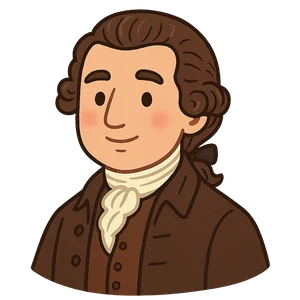
Sir Joseph Banks was an English naturalist, botanist…
Reads at Grades 6–8 Listens at Grades 4–8
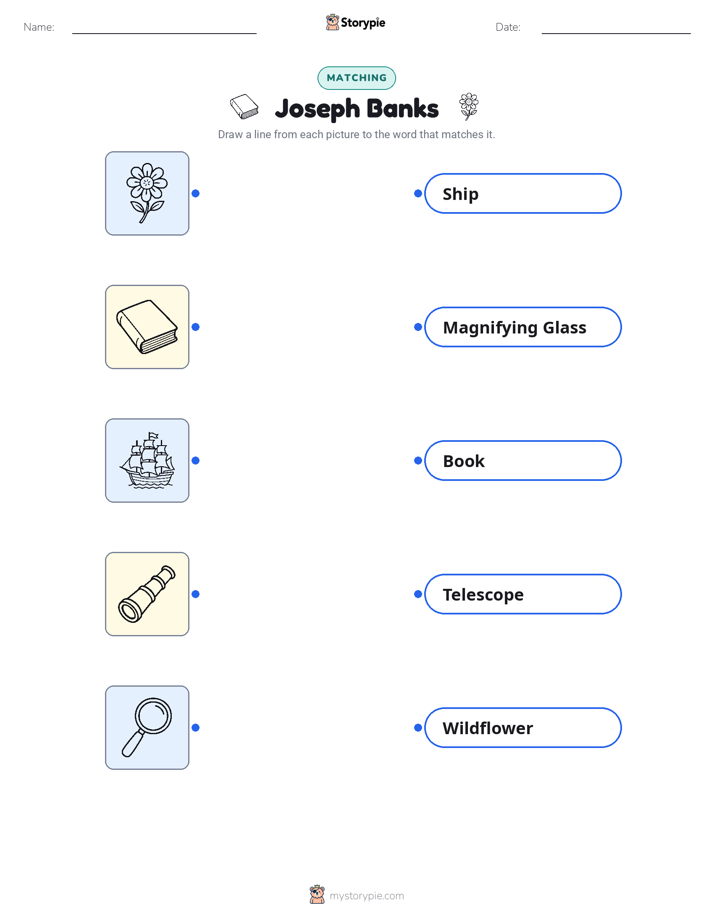
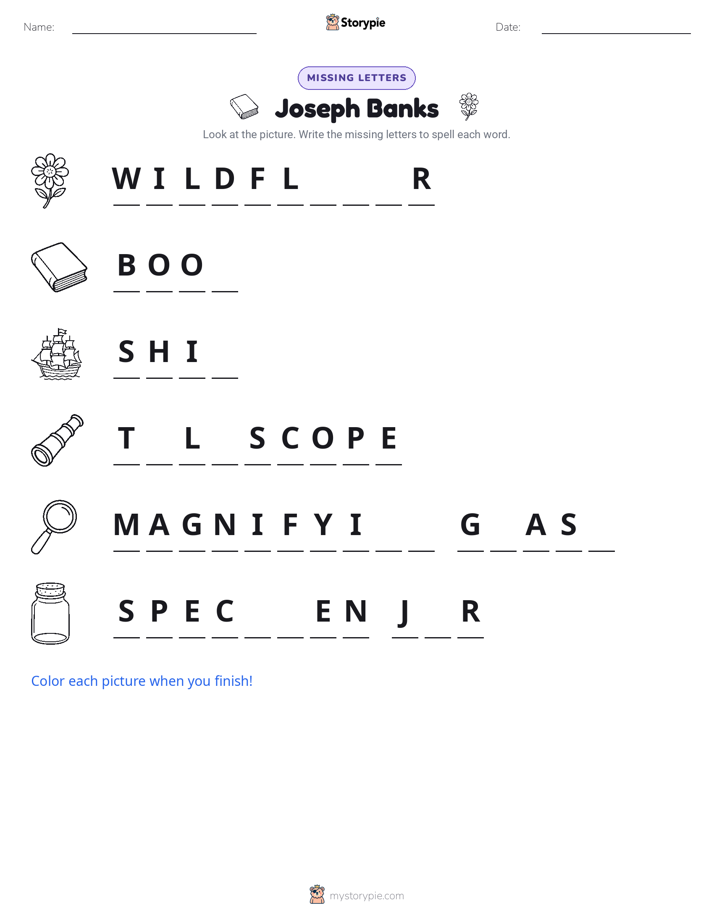
Print & create
Answer keys·No prep·Free with an account
28 worksheets · answer keys · full story · quiz · Ages 10-12 · CEFR B2
Plus adds 244,000+ more stories in 27 languages, audio for every one, and printables for all of them.
Just want Joseph Banks?
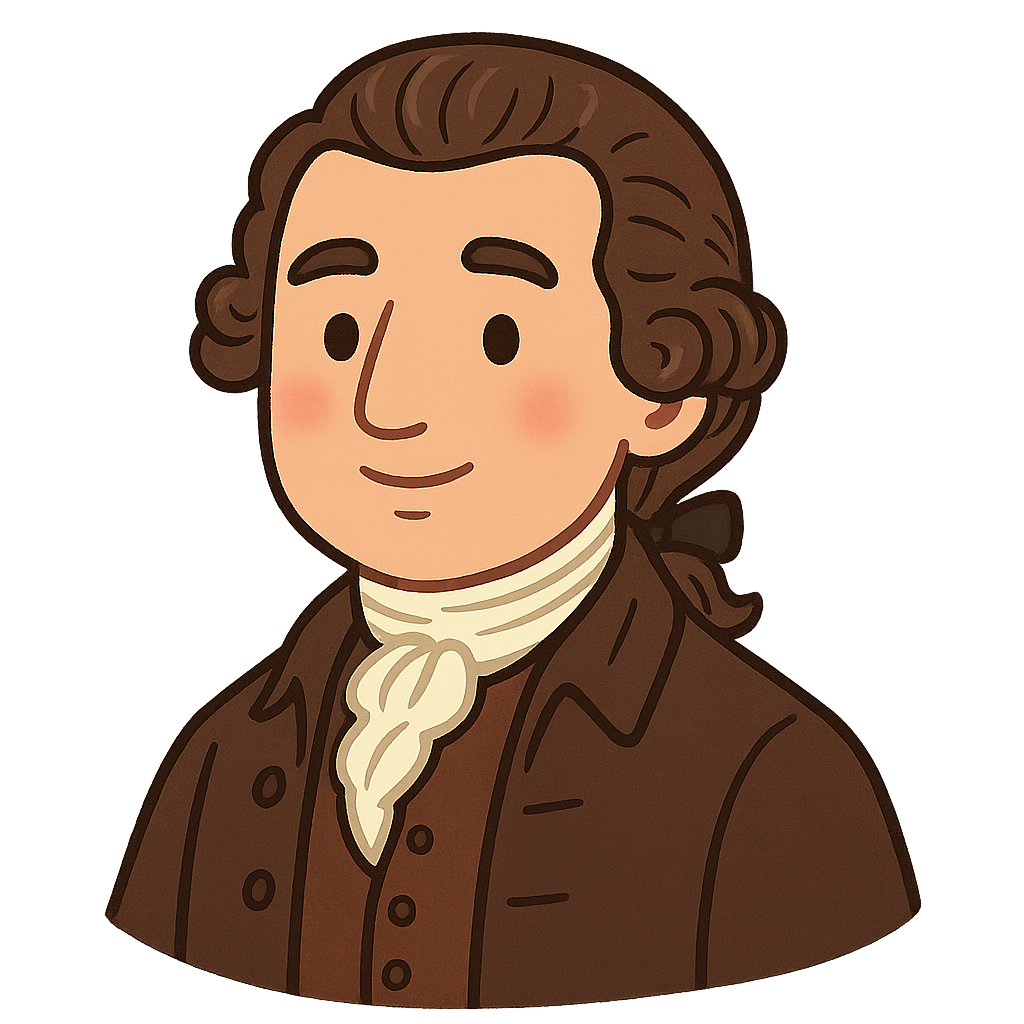
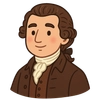
Hello, my name is Joseph Banks, and I spent my life exploring the incredible variety of plants and animals our world has to offer. I was born in London on February 13th, 1743, into a wealthy family. This good fortune meant that instead of having to work in a trade, I was free to follow my own interests. My great passion was sparked by a simple walk. Around the year 1757, while I was a student at Eton College, I took a stroll through the countryside and was completely fascinated by the beautiful wildflowers I saw. From that day on, I knew I wanted to dedicate my life to botany, the study of plants. My new goal led me to Oxford University in 1760. To my surprise, the university did not have a professor of botany. I was so determined to learn that I used my own money to hire a private teacher, a botanist named Israel Lyons, to teach me everything he knew.
After I inherited my family's fortune in 1761, I had the freedom and resources to plan scientific journeys that others could only dream of. My first significant expedition began in 1766 when I joined the crew of a Royal Navy ship, the HMS Niger. It was an incredible adventure sailing across the Atlantic Ocean to the coasts of Newfoundland and Labrador in what is now Canada. For months, I explored these wild, unfamiliar lands. I carefully collected, documented, and preserved plants, insects, and animals that had never been seen before in England. This journey was more than just an adventure; it was serious scientific work that helped me earn a reputation as a dedicated and knowledgeable naturalist among my peers in London.
Joseph Banks: A Voyage of Discovery
Hello, my name is Joseph Banks, and I spent my life exploring the incredible variety of plants and animals our world has to offer. I was born in London on February 13th, 1743, into a wealthy family. This good fortune meant that instead of having to work in a trade, I was free to follow my own interests. My great passion was sparked by a simple walk. Around the year 1757, while I was a student at Eton College, I took a stroll through the countryside and was completely fascinated by the beautiful wildflowers I saw. From that day on, I knew I wanted to dedicate my life to botany, the study of plants. My new goal led me to Oxford University in 1760. To my surprise, the university did not have a professor of botany. I was so determined to learn that I used my own money to hire a private teacher, a botanist named Israel Lyons, to teach me everything he knew.
After I inherited my family's fortune in 1761, I had the freedom and resources to plan scientific journeys that others could only dream of. My first significant expedition began in 1766 when I joined the crew of a Royal Navy ship, the HMS Niger. It was an incredible adventure sailing across the Atlantic Ocean to the coasts of Newfoundland and Labrador in what is now Canada. For months, I explored these wild, unfamiliar lands. I carefully collected, documented, and preserved plants, insects, and animals that had never been seen before in England. This journey was more than just an adventure; it was serious scientific work that helped me earn a reputation as a dedicated and knowledgeable naturalist among my peers in London.
My greatest adventure began in 1768 when I received an invitation to join Captain James Cook on his first voyage around the world. The ship was the HMS Endeavour, and our mission was one of scientific exploration. I was so committed to the voyage that I paid for my own team of eight people to join me, including the brilliant Swedish botanist Daniel Solander and a talented artist named Sydney Parkinson, who would draw the new species we discovered. Our first major stop was the island of Tahiti, where we successfully observed the transit of Venus across the sun in 1769, a key astronomical event. From there, we sailed south and spent months charting the coastline of New Zealand. In 1770, our journey took us to a vast, unknown land, and we became the first Europeans to explore the eastern coast of Australia. We were astounded by the number of new plants we found at our first landing spot, so we named it Botany Bay. The thrill of discovery was immense; we collected thousands of specimens of plants and animals. The journey was also filled with danger. At one point, our ship was badly damaged when it struck the Great Barrier Reef, and we were fortunate to make repairs and continue our voyage. We finally returned to England in 1771 as heroes, celebrated for the incredible discoveries we had made.
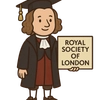
Returning from the Endeavour voyage made me a scientific celebrity in England. My collections and stories from the South Pacific were the talk of London. In 1778, my peers honored me by electing me President of the Royal Society, which was one of the most prestigious scientific organizations in the world. It was a role I took very seriously, and I held the position for more than 41 years, until my passing. During this time, I became a trusted advisor to King George III and the British government on all kinds of scientific matters. I was particularly passionate about developing the Royal Botanic Gardens at Kew. I helped organize expeditions to send plant collectors all over the globe, bringing back exotic specimens that transformed Kew into the world's most important center for botanical research and a beautiful treasure for everyone to enjoy.
I lived a long and adventurous life, filled with discovery and science. I lived to be 77 years old, passing away in the summer of 1820. My greatest legacy is the enormous collection of plants and animals I introduced to European science, which fundamentally changed our understanding of the natural world. Many of the thousands of specimens I collected are still carefully preserved and studied in museums today. I am remembered for my historic voyage with Captain Cook, my long leadership of the Royal Society, and my essential role in building the magnificent Kew Gardens. If you ever see a beautiful Australian wildflower called the Banksia, you will be looking at just one of the many plants named in my honor.
Wow facts
About
Sir Joseph Banks was an English naturalist, botanist, and patron of the natural sciences who is best known for his participation in Captain James Cook's first great voyage of discovery from 1768 to 1771.
Take a Quiz
Question 1 of 5
Based on the story, what motivated Joseph Banks to hire his own teacher at Oxford University?
Explore next


Want to do even more?
Go beyond exploring. Unlock tools that turn every story into real learning.

Storypie Plus for families
Full stories, quizzes, and printables. Nights and car rides, sorted.
- Unlimited audio stories
- Create Mode: your child stars in the story
- Offline downloads
- Printable worksheets & coloring pages

Why Storypie for Schools
Students engaged. Prep in seconds. Evenings back to you.
- Worksheets & Quizzes
- Classroom Management
- Formative Assessment
- Custom Curriculum & Lesson Plans
- 27 Languages

Why Storypie for Homeschool
Curriculum done. They'll ask for more. Hours back in your day.
- Worksheet Generator
- First-Person Audio Stories
- Built-in Comprehension Quizzes
- Custom Curriculum & Lesson Plans
- Print & Go Activities