English

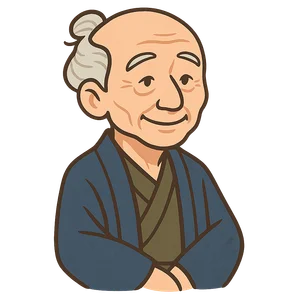
Katsushika Hokusai
Katsushika Hokusai was a Japanese artist, ukiyo-e painter, and printmaker of the Edo period…
Reads at Grades 6–8 Listens at Grades 4–8
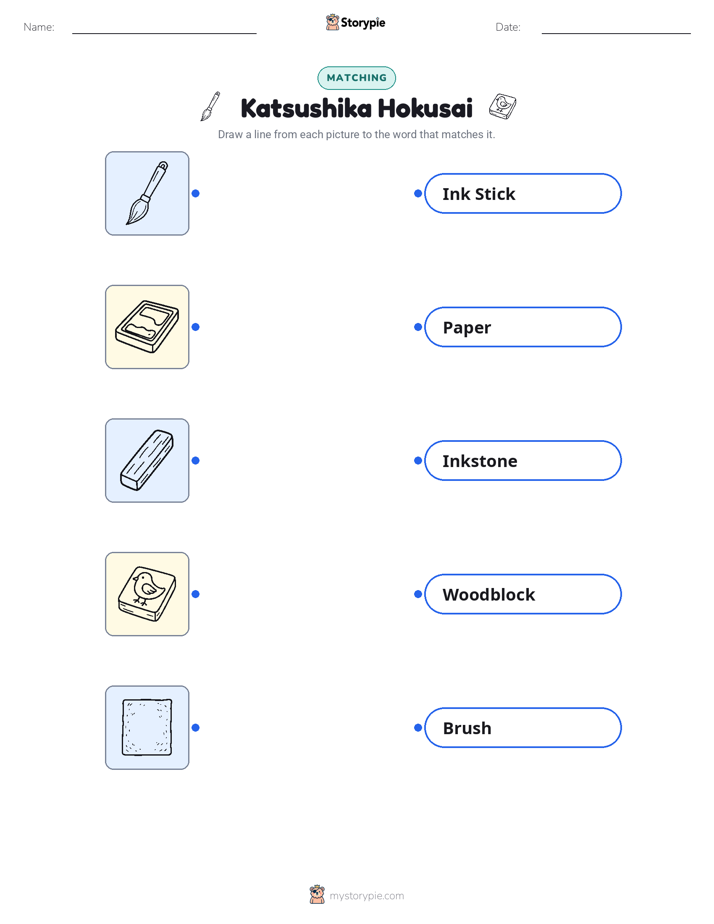
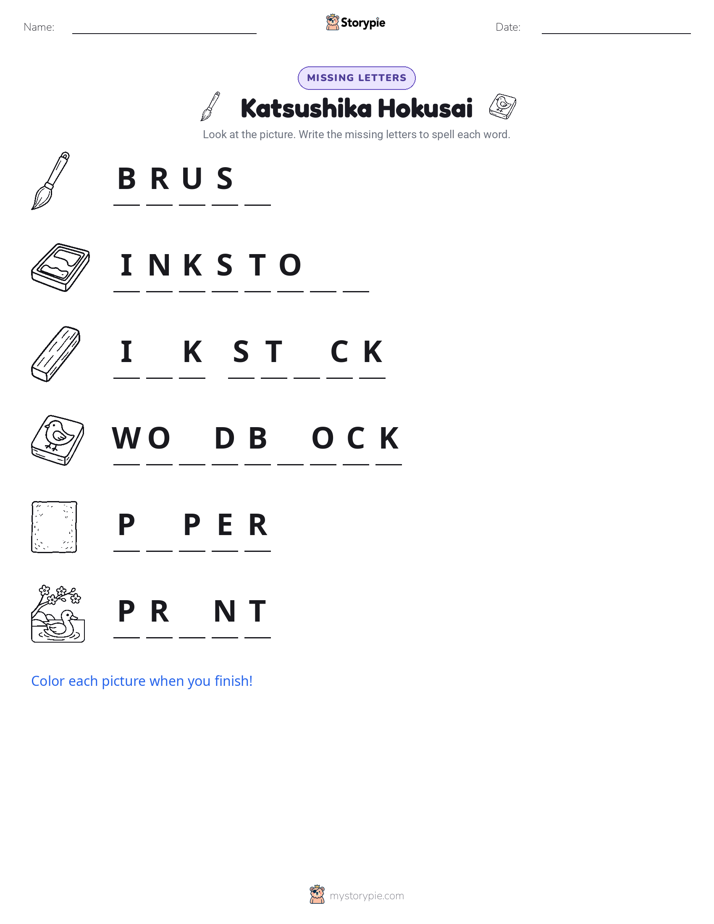
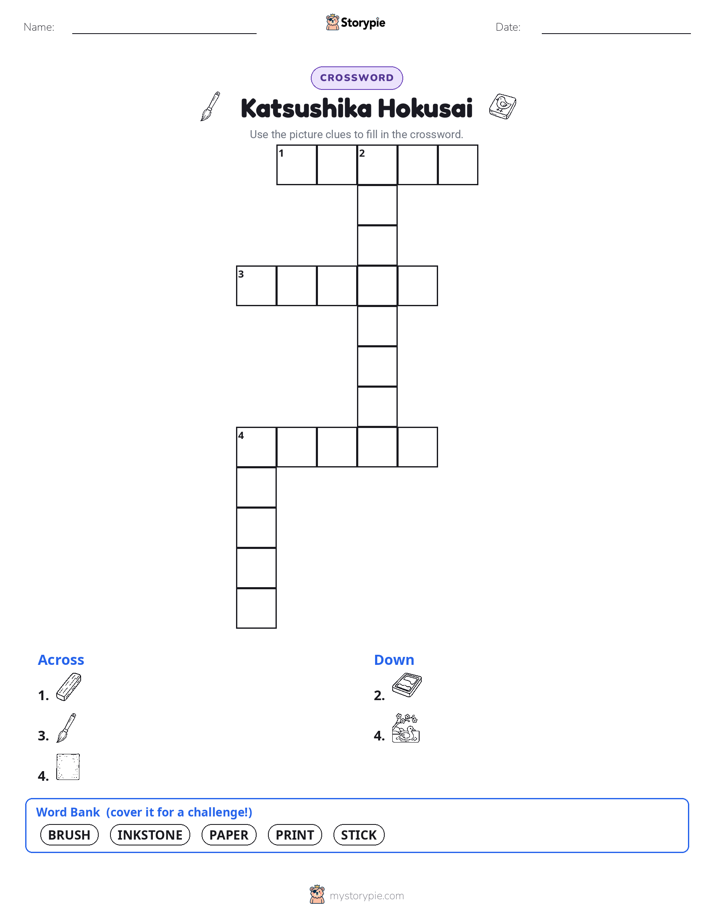
Print & create
Answer keys·No prep·Free with an account
28 worksheets · answer keys · full story · quiz · Ages 10-12 · CEFR B2
Plus adds 164,000+ more stories in 27 languages, audio for every one, and printables for all of them.
Just want Katsushika Hokusai?
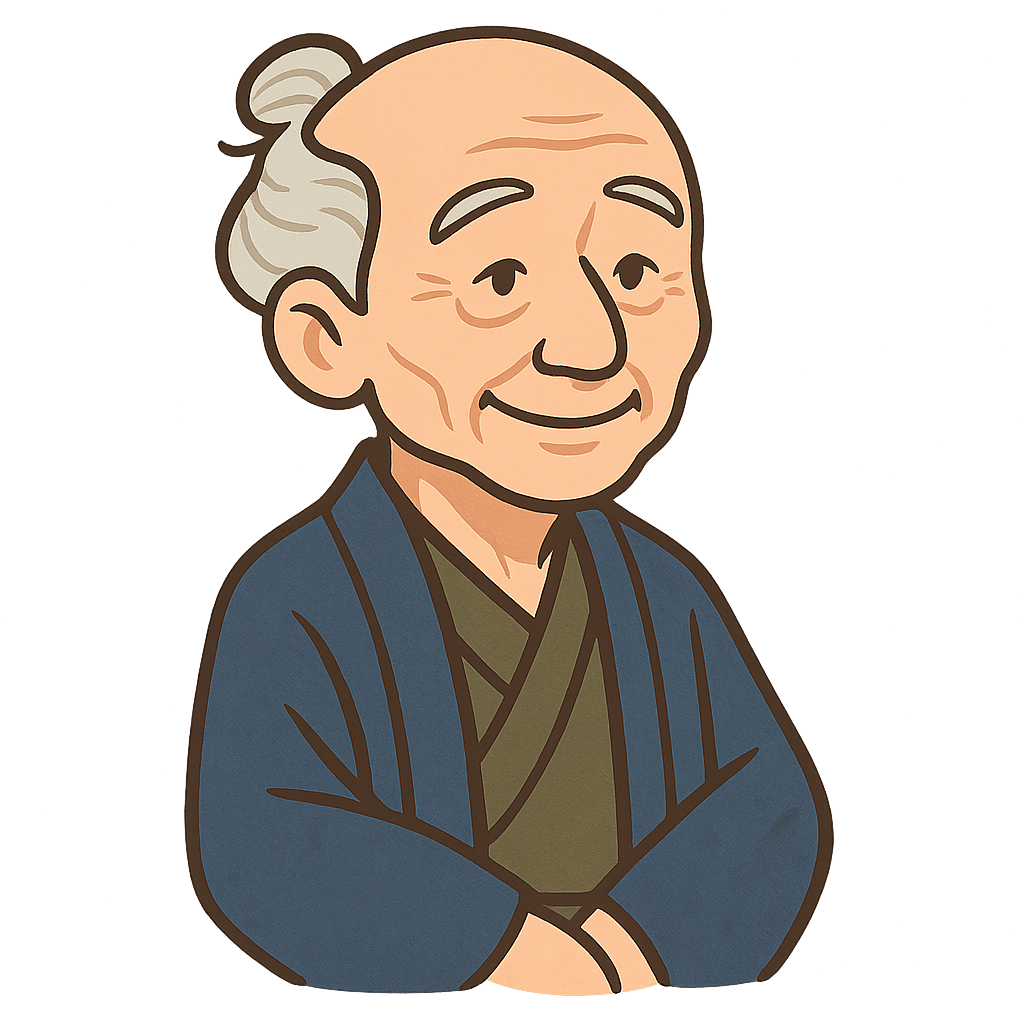
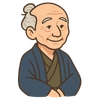
Hello. The name you probably know me by is Katsushika Hokusai, but my story begins with a different name. I was born in Edo, Japan, around October 31st, 1760, and my parents named me Tokitarō. From a very young age, the world of art called to me. I started drawing when I was just six years old, and I couldn't stop. My father worked as a mirror-maker for the shogun, the military ruler of Japan, and his workshop was a place of careful craftsmanship. Seeing his detailed work likely inspired my own desire to create. My formal artistic journey began around 1774, when I became a teenager. I started as an apprentice for a wood-carver. It was there that I learned the fundamental skills of printmaking, carefully carving designs into wood blocks. This early training was the first step on a path that would define my entire life, teaching me the patience and precision needed to bring images to life.
In 1778, when I was eighteen, a truly exciting chapter of my life began when I was accepted into the studio of Katsukawa Shunshō, a very famous artist. Under his guidance, I learned the art of ukiyo-e, which means 'pictures of the floating world.' These were woodblock prints that captured the popular culture of the time, often showing scenes from the theater with famous kabuki actors. I worked hard and learned everything I could. However, after my master passed away in 1793, I felt a strong need to follow my own path. The school focused on popular subjects, but my curiosity was much bigger. I didn’t just want to draw actors; I wanted to draw everything—the rushing rivers, the quiet mountains, the hardworking fishermen, the entire world as I saw it. This decision led me to change my name, something I would do many times throughout my life. Each new name, like Hokusai, marked a new chapter in my artistic development and represented my constant, restless desire to grow and improve as an artist.
Katsushika Hokusai: The Old Man Mad About Painting
Hello. The name you probably know me by is Katsushika Hokusai, but my story begins with a different name. I was born in Edo, Japan, around October 31st, 1760, and my parents named me Tokitarō. From a very young age, the world of art called to me. I started drawing when I was just six years old, and I couldn't stop. My father worked as a mirror-maker for the shogun, the military ruler of Japan, and his workshop was a place of careful craftsmanship. Seeing his detailed work likely inspired my own desire to create. My formal artistic journey began around 1774, when I became a teenager. I started as an apprentice for a wood-carver. It was there that I learned the fundamental skills of printmaking, carefully carving designs into wood blocks. This early training was the first step on a path that would define my entire life, teaching me the patience and precision needed to bring images to life.
In 1778, when I was eighteen, a truly exciting chapter of my life began when I was accepted into the studio of Katsukawa Shunshō, a very famous artist. Under his guidance, I learned the art of ukiyo-e, which means 'pictures of the floating world.' These were woodblock prints that captured the popular culture of the time, often showing scenes from the theater with famous kabuki actors. I worked hard and learned everything I could. However, after my master passed away in 1793, I felt a strong need to follow my own path. The school focused on popular subjects, but my curiosity was much bigger. I didn’t just want to draw actors; I wanted to draw everything—the rushing rivers, the quiet mountains, the hardworking fishermen, the entire world as I saw it. This decision led me to change my name, something I would do many times throughout my life. Each new name, like Hokusai, marked a new chapter in my artistic development and represented my constant, restless desire to grow and improve as an artist.
My deepest inspiration came from the world around me, especially the magnificent and sacred Mount Fuji, which I could often see from my home. The mountain felt like a powerful, unchanging presence in a constantly moving world. In the early 1830s, when I was already in my seventies, I decided to dedicate a series of artworks to it. This became my most famous collection, 'Thirty-six Views of Mount Fuji.' Within this series, I created the print that would become my most recognized work, 'The Great Wave off Kanagawa,' around 1831. With this piece, I wanted to capture a dramatic moment: the immense, terrifying power of a giant ocean wave about to crash down on tiny fishing boats, while in the distance, Mount Fuji stands small but perfectly calm and unshaken. It was a study in contrasts—the chaos of nature against its eternal stillness. But my work didn't stop there. I created thousands of other pieces, including my sketchbooks known as the 'Hokusai Manga,' which were filled with drawings of people, animals, and myths. I eventually started calling myself 'Gakyō Rōjin Manji,' which means 'The Old Man Mad About Painting,' because that is exactly what I was.
I was completely dedicated to my art for my entire life. I truly believed that my skills would continue to improve as I aged, and I once said that I would only become a truly great artist if I lived past 100. I lived a very long life for my time, reaching the age of 88. My life's journey came to a peaceful end on May 10th, 1849. After my passing, my work began a new journey. In the late 1800s, my prints traveled far beyond the shores of Japan and deeply inspired many famous European artists with their unique style and perspective. Today, 'The Great Wave off Kanagawa' is one of the most famous and recognizable images in the entire world. I hope that when people see my art, they feel the same passion I did for capturing the incredible beauty and power of nature.
Wow facts
About
Katsushika Hokusai was a Japanese artist, ukiyo-e painter, and printmaker of the Edo period, best known for his woodblock print series 'Thirty-six Views of Mount Fuji,' which includes the iconic 'The Great Wave off Kanagawa.'
Take a Quiz
Question 1 of 5
What was Hokusai's main motivation for leaving Katsukawa Shunshō's school after his master passed away?
Explore next



Want to do even more?
Go beyond exploring. Unlock tools that turn every story into real learning.

Storypie Plus for families
Full stories, quizzes, and printables. Nights and car rides, sorted.
- Unlimited audio stories
- Create Mode: your child stars in the story
- Offline downloads
- Printable worksheets & coloring pages

Why Storypie for Schools
Students engaged. Prep in seconds. Evenings back to you.
- Worksheets & Quizzes
- Classroom Management
- Formative Assessment
- Custom Curriculum & Lesson Plans
- 27 Languages

Why Storypie for Homeschool
Curriculum done. They'll ask for more. Hours back in your day.
- Worksheet Generator
- First-Person Audio Stories
- Built-in Comprehension Quizzes
- Custom Curriculum & Lesson Plans
- Print & Go Activities