English

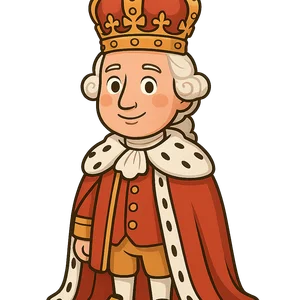
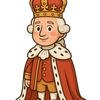
King George III
King George III was the King of Great Britain and Ireland from 1760 to 1820.
Reads at Grades 6–8 Listens at Grades 4–8
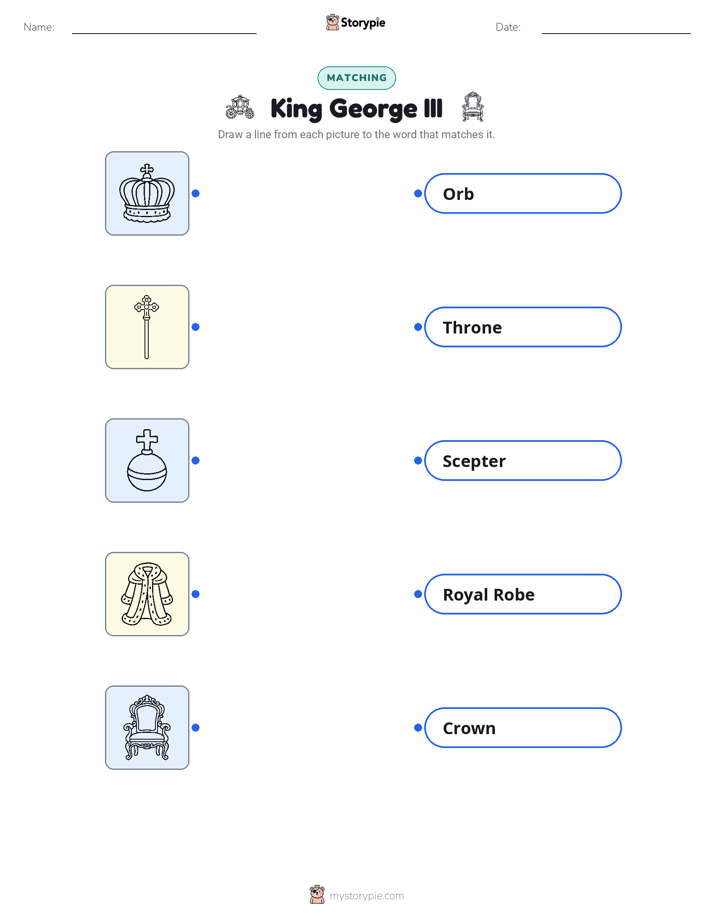
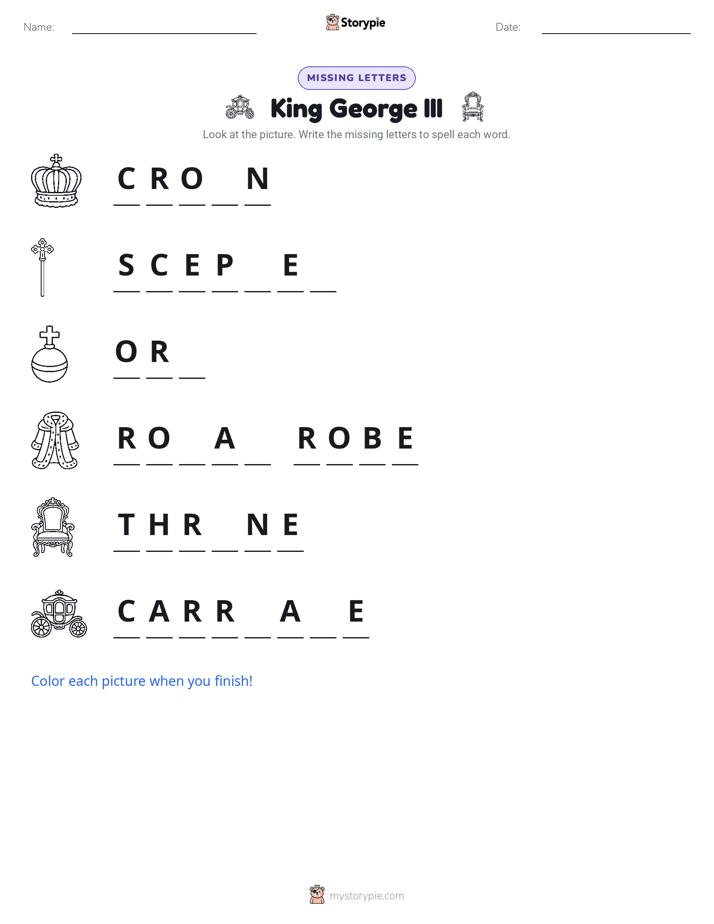
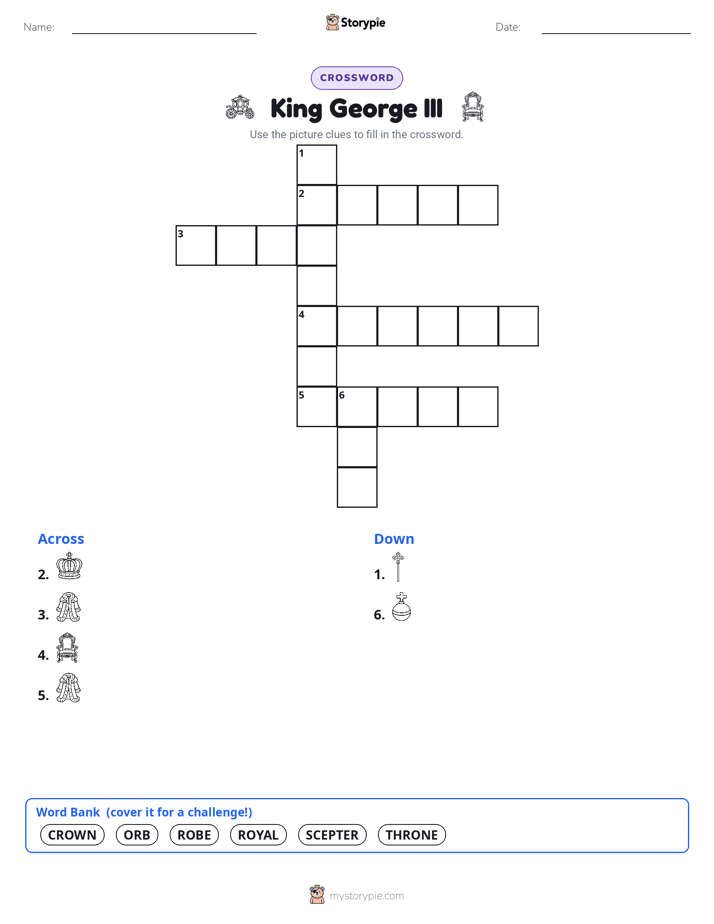
Print & create
Answer keys·No prep·Free with an account
28 worksheets · answer keys · full story · quiz · Ages 10-12 · CEFR B2
Plus adds 102,000+ more stories in 27 languages, audio for every one, and printables for all of them.
Just want King George III?
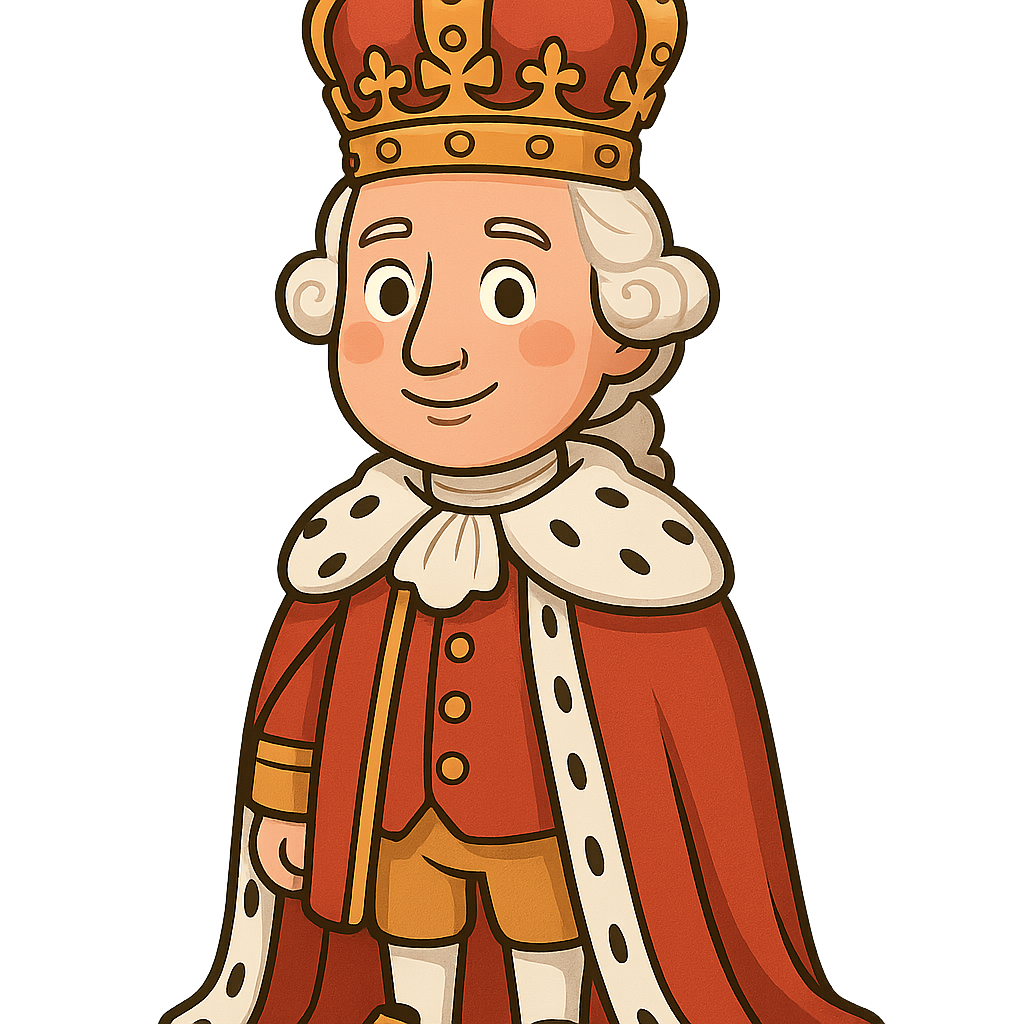
Hello, I am King George III, and I would like to tell you the story of my long and eventful life. I was born on June 4th, 1738, in London, England. Unlike my grandfather, King George II, and my great-grandfather before him, I was born right here in Britain. English was my first language, and this always made me feel a deep connection to the British people. From a young age, I was educated to one day be king. I studied many subjects, but I had a special passion for science and music. I also loved agriculture and farming, an interest that later earned me the affectionate nickname 'Farmer George'. In the year 1760, when I was just 22 years old, my grandfather passed away, and I became the King of Great Britain. I was determined to be a strong and dedicated ruler for my country.
My reign began during an exciting time. In 1761, I married Princess Charlotte of Mecklenburg-Strelitz, who became my beloved queen. Our family life was very important to me, and together we had fifteen children, filling the royal palaces with life and activity. Just a few years later, in 1763, the long and costly Seven Years' War finally came to an end with Great Britain as the victor. This victory was a moment of great pride, as it meant our empire grew larger and more powerful than ever before. We gained vast new territories in North America and India. While this was a great triumph, it also brought with it an enormous responsibility to govern so many different people and lands spread all across the globe.
King George III: A King's Story
Hello, I am King George III, and I would like to tell you the story of my long and eventful life. I was born on June 4th, 1738, in London, England. Unlike my grandfather, King George II, and my great-grandfather before him, I was born right here in Britain. English was my first language, and this always made me feel a deep connection to the British people. From a young age, I was educated to one day be king. I studied many subjects, but I had a special passion for science and music. I also loved agriculture and farming, an interest that later earned me the affectionate nickname 'Farmer George'. In the year 1760, when I was just 22 years old, my grandfather passed away, and I became the King of Great Britain. I was determined to be a strong and dedicated ruler for my country.
My reign began during an exciting time. In 1761, I married Princess Charlotte of Mecklenburg-Strelitz, who became my beloved queen. Our family life was very important to me, and together we had fifteen children, filling the royal palaces with life and activity. Just a few years later, in 1763, the long and costly Seven Years' War finally came to an end with Great Britain as the victor. This victory was a moment of great pride, as it meant our empire grew larger and more powerful than ever before. We gained vast new territories in North America and India. While this was a great triumph, it also brought with it an enormous responsibility to govern so many different people and lands spread all across the globe.
This great responsibility soon led to great challenges, particularly with my colonies across the Atlantic Ocean in America. The Seven Years' War had been very expensive, and we needed money to maintain the army required to protect our vast new empire. I, along with my government, believed it was only fair that the American colonists should help pay for the soldiers who were there to defend them. To raise this money, we introduced several new taxes. One of the most famous was the Stamp Act of 1765, which placed a tax on paper goods. However, this caused great anger in the colonies. Many colonists argued that they should not be taxed by a government in which they had no elected representatives, a belief they summed up in the cry, 'taxation without representation.' Over the next few years, tensions continued to rise, leading to protests like the Boston Tea Party in 1773. I felt I had a duty to be firm and maintain order to keep the British Empire united.
My firmness was met with even greater resistance, and soon the disagreements turned into war. The American Revolutionary War began in 1775. The colonists, under the military leadership of men like George Washington, decided they no longer wanted to be my subjects. On July 4th, 1776, their leaders signed a Declaration of Independence, stating their intention to form a new, separate country. It was deeply painful for me to be at war with people I considered my own. The conflict was long and difficult for both sides. Eventually, France joined the war on the side of the Americans, which turned the tide against us. In 1783, I had to accept the terms of the Treaty of Paris. This treaty officially recognized the United States of America as an independent nation. Losing the American colonies was one of the greatest and most painful disappointments of my entire reign.
Even after the loss of America, the challenges for my kingdom were far from over. A new and formidable foe emerged in Europe: the French general and later emperor, Napoleon Bonaparte. Beginning in 1803, Great Britain was plunged into a long series of conflicts known as the Napoleonic Wars. These were dangerous times, but Britain's strength at sea was unmatched. Our navy secured a legendary victory against the French and Spanish fleets at the Battle of Trafalgar in 1805. While my country fought these great wars, I was fighting a personal battle of my own. I began to suffer from a serious illness that affected my mind. It would come and go for many years, but by 1811, I had become too unwell to continue my duties as king. My eldest son, George, took over as the Prince Regent, ruling the country in my name.
My reign lasted for nearly 60 years, making it one of the longest in the history of Britain. I lived to be 81 years old and passed away at Windsor Castle in the year 1820. Many people remember me as the king who lost America, and that is a true and significant part of my story. However, I hope I am also remembered for my deep love for my country, my devotion to my family, and my unwavering dedication to my duties as king. During my time on the throne, I was a great supporter of the arts and sciences and encouraged new advances in farming. My life was filled with incredible triumphs and deep sorrows, but through it all, I always tried my best to serve my people and be a good king.
Wow facts
About
King George III was the King of Great Britain and Ireland from 1760 to 1820. His long reign saw the loss of the American colonies but also some growth in land and new ideas in art and science.
Take a Quiz
Question 1 of 5
In your own words, explain the main reasons for the conflict between Great Britain and the American colonies as described in the story.
Explore next





Want to do even more?
Go beyond exploring. Unlock tools that turn every story into real learning.

Storypie Plus for families
Full stories, quizzes, and printables. Nights and car rides, sorted.
- Unlimited audio stories
- Create Mode: your child stars in the story
- Offline downloads
- Printable worksheets & coloring pages

Why Storypie for Schools
Students engaged. Prep in seconds. Evenings back to you.
- Worksheets & Quizzes
- Classroom Management
- Formative Assessment
- Custom Curriculum & Lesson Plans
- 27 Languages

Why Storypie for Homeschool
Curriculum done. They'll ask for more. Hours back in your day.
- Worksheet Generator
- First-Person Audio Stories
- Built-in Comprehension Quizzes
- Custom Curriculum & Lesson Plans
- Print & Go Activities