English

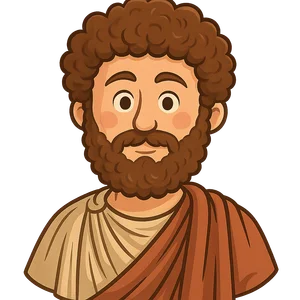
Marcus Aurelius
A Roman emperor from 161 to 180 CE…
Reads at Grades 6–8 Listens at Grades 4–8
Print & create
Answer keys·No prep·Free with an account
28 worksheets · answer keys · full story · quiz · Ages 10-12 · CEFR B2
Plus adds 244,000+ more stories in 27 languages, audio for every one, and printables for all of them.
Just want Marcus Aurelius?
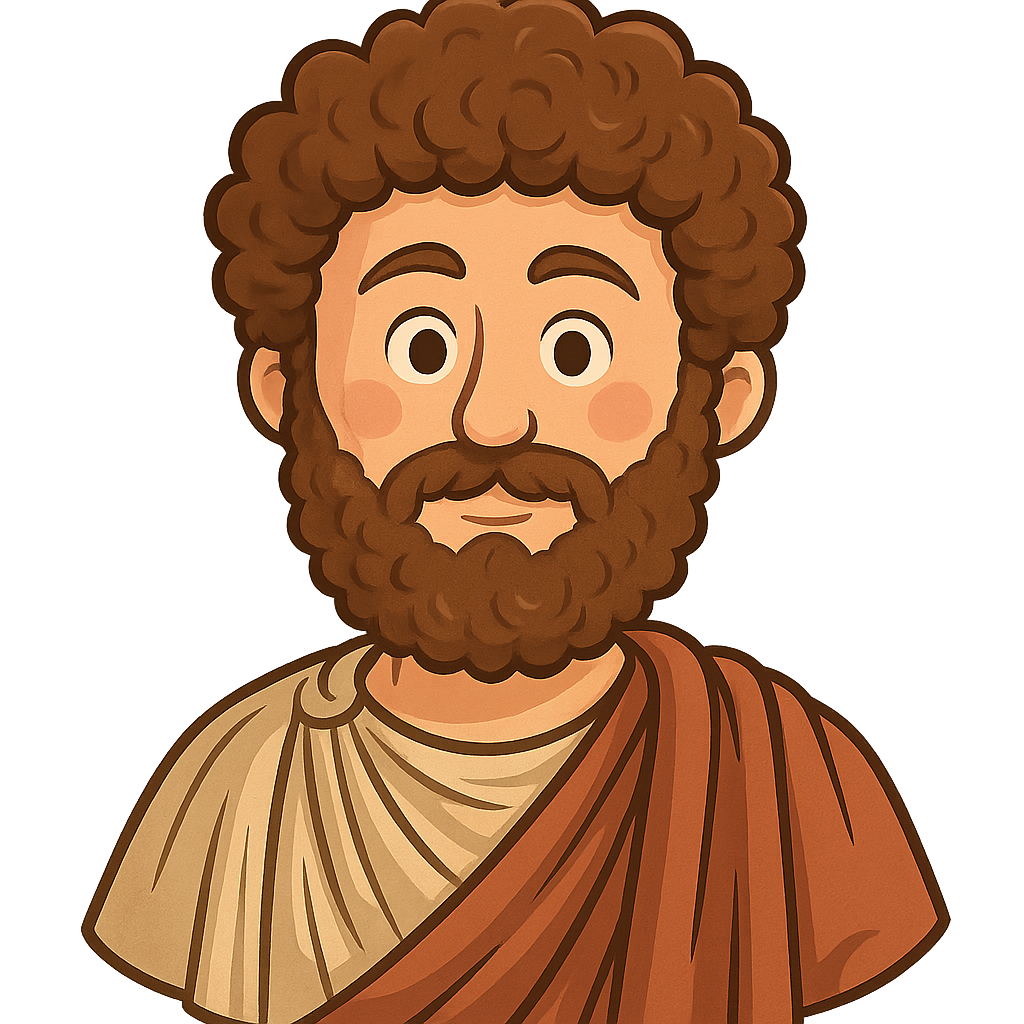
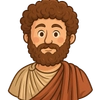
Hello, my name is Marcus Aurelius. I am known as one of the great emperors of Rome and as a philosopher. I was born in the grand city of Rome on April 26th, 121 CE. My family held an important place in society, and from my earliest years, my greatest passion was learning. While other children might have spent their days playing games, I found my joy in books and in long discussions with my tutors. I was particularly drawn to philosophy, which is the study of how to live a life of wisdom and goodness. My serious nature did not go unnoticed. The Emperor at the time, a man named Hadrian, observed my dedication to learning and gave me the nickname 'Verissimus,' which means 'most truthful one.' He saw something in me and began to form a plan that would set the course for the rest of my life.
My future was decided in the year 138 CE, when I was still a teenager. Emperor Hadrian chose his successor, a respected man named Antoninus Pius, but he did so with a specific instruction. Antoninus was required to adopt me and another young man, Lucius Verus. In that moment, I became the heir to the Roman Empire. This was an immense responsibility, and I knew I had to prepare myself. For the next two decades, I devoted myself to my studies. I learned about law, how to speak in public, and the strategies of leading an army. Most importantly, I deepened my understanding of Stoic philosophy, which taught the values of duty, self-control, and treating all people with fairness. Antoninus was a wonderful father figure to me, and for 23 years, I watched him rule with great wisdom and kindness, learning from his example every day.
Marcus Aurelius
Hello, my name is Marcus Aurelius. I am known as one of the great emperors of Rome and as a philosopher. I was born in the grand city of Rome on April 26th, 121 CE. My family held an important place in society, and from my earliest years, my greatest passion was learning. While other children might have spent their days playing games, I found my joy in books and in long discussions with my tutors. I was particularly drawn to philosophy, which is the study of how to live a life of wisdom and goodness. My serious nature did not go unnoticed. The Emperor at the time, a man named Hadrian, observed my dedication to learning and gave me the nickname 'Verissimus,' which means 'most truthful one.' He saw something in me and began to form a plan that would set the course for the rest of my life.
My future was decided in the year 138 CE, when I was still a teenager. Emperor Hadrian chose his successor, a respected man named Antoninus Pius, but he did so with a specific instruction. Antoninus was required to adopt me and another young man, Lucius Verus. In that moment, I became the heir to the Roman Empire. This was an immense responsibility, and I knew I had to prepare myself. For the next two decades, I devoted myself to my studies. I learned about law, how to speak in public, and the strategies of leading an army. Most importantly, I deepened my understanding of Stoic philosophy, which taught the values of duty, self-control, and treating all people with fairness. Antoninus was a wonderful father figure to me, and for 23 years, I watched him rule with great wisdom and kindness, learning from his example every day.
On March 7th, 161 CE, my beloved adoptive father Antoninus passed away, and the full weight of the empire fell upon my shoulders. I became the emperor of Rome. Understanding the magnitude of the job ahead, I did something that no emperor before me had ever done. I asked my adoptive brother, Lucius Verus, to rule alongside me as a co-emperor, believing that two heads would be better than one. Our reign was immediately tested with great challenges. The Tiber River overflowed its banks and flooded Rome, famines struck our people, and a devastating plague spread throughout the empire. It was a period of great suffering, but I was determined to lead with compassion. To help our people, I sold some of the valuable treasures from the imperial palace to raise money and worked to make sure the supply of grain remained stable for everyone.
Despite being emperor, I spent much of my rule not in a comfortable palace but on the cold and often muddy frontiers of our empire. Beginning around 166 CE, I was called to lead the Roman army in a series of long and difficult wars against tribes along the Danube River. These conflicts became known as the Marcomannic Wars. For years, my home was a military tent, and I was separated from my family and my beloved books. Life on the battlefield was filled with stress and constant danger. To maintain my focus and to hold onto the philosophical principles I valued so deeply, I began to keep a personal journal. Each night, by the light of a lamp, I would write down my private thoughts on how to be a better person, how to lead with justice, and how to face the hardships of life with courage and tranquility.
I never wrote my journal for others to read; it was a private conversation with myself. It was a collection of personal notes and reminders on how to live well. I wrote to remind myself to be grateful for what I had, to always act with kindness toward others, and to accept the things that were outside of my control. In its pages, I wrote thoughts like, 'The best revenge is to be unlike him who performed the injury.' This was my way of coaching myself through the immense pressures of leadership and the difficulties of war. My journal was filled with reflections on the importance of doing one's duty, working for the good of all people, and finding a sense of peace within, regardless of the chaos happening outside. Centuries after my time, these private writings were discovered and published for the world to see, and today people know this collection as 'Meditations.'
I spent the final years of my life doing my duty, defending the empire's borders from constant threats. My life came to an end on March 17th, 180 CE, while I was still at my military post near the frontier. I lived to be 58 years old. History often remembers me as the last of the 'Five Good Emperors,' a period of relative peace and prosperity for Rome. However, I believe my true legacy lies in the private thoughts I wrote down in a military tent so long ago. My journal, 'Meditations,' has survived for nearly two thousand years and is still read by people all over the world who are searching for guidance on how to live a life of meaning, purpose, and virtue.
Wow facts
About
A Roman emperor from 161 to 180 CE, known as the last of the 'Five Good Emperors' and a prominent Stoic philosopher whose personal writings, the Meditations, are still widely read today.
Take a Quiz
Question 1 of 5
What was the main purpose of Marcus Aurelius's journal, which later became 'Meditations'?
Explore next




Want to do even more?
Go beyond exploring. Unlock tools that turn every story into real learning.

Storypie Plus for families
Full stories, quizzes, and printables. Nights and car rides, sorted.
- Unlimited audio stories
- Create Mode: your child stars in the story
- Offline downloads
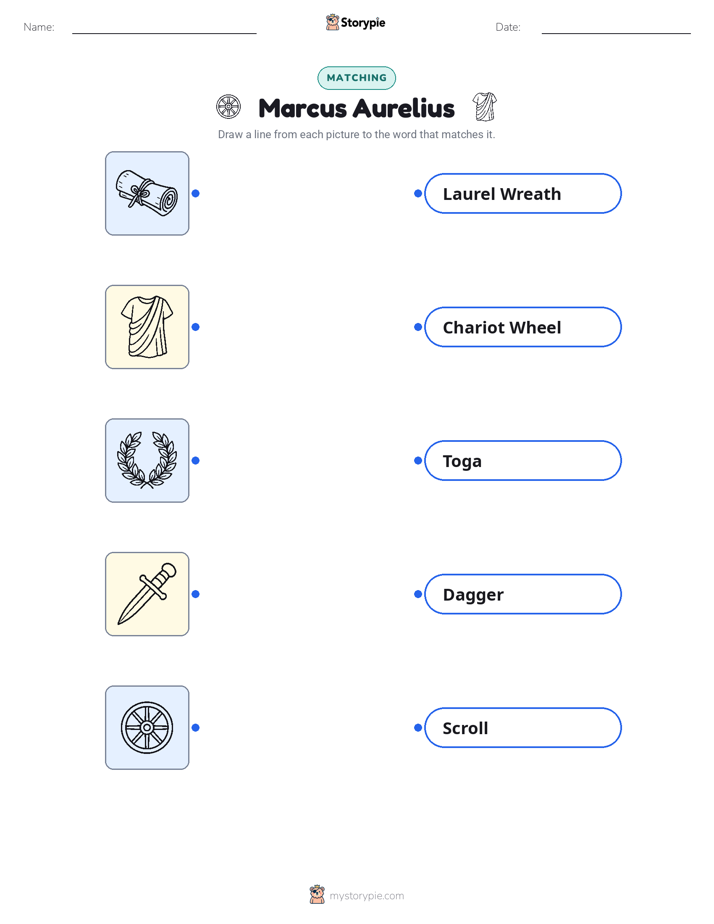
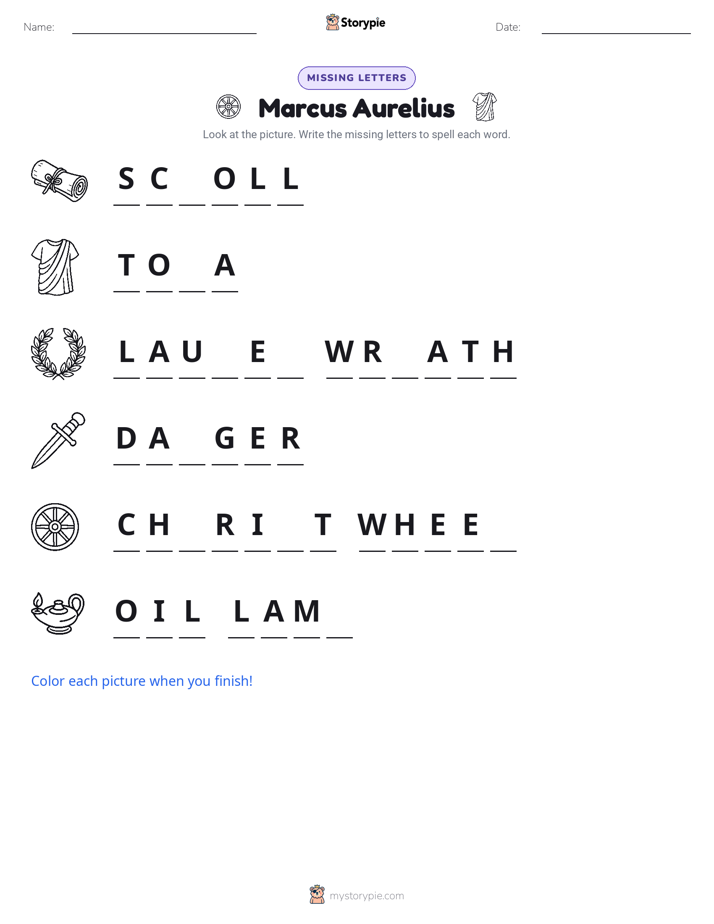
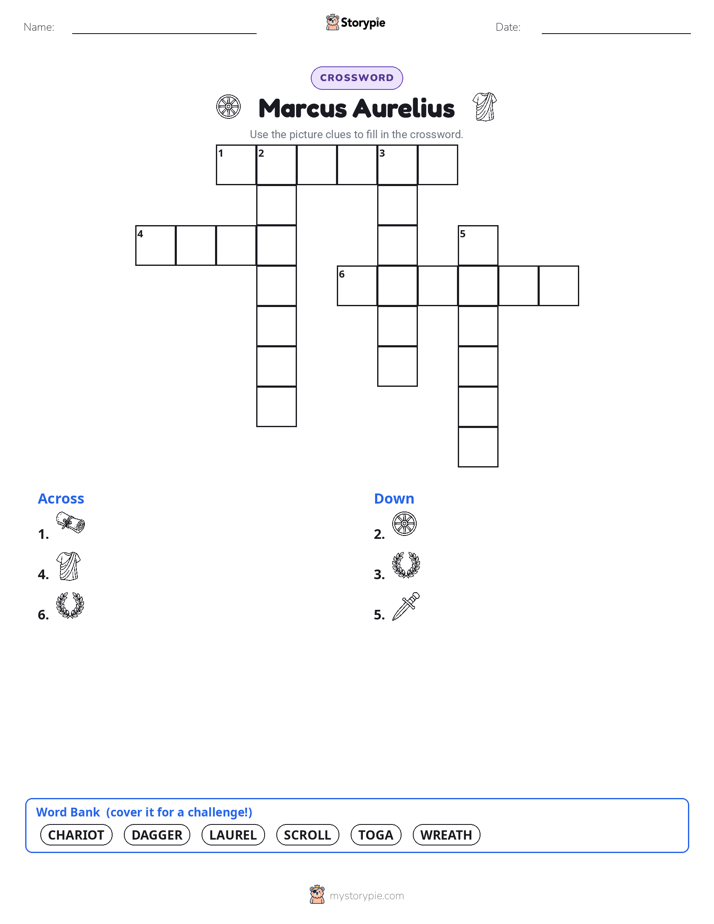
- Printable worksheets & coloring pages

Why Storypie for Schools
Students engaged. Prep in seconds. Evenings back to you.
- Worksheets & Quizzes
- Classroom Management
- Formative Assessment
- Custom Curriculum & Lesson Plans
- 27 Languages

Why Storypie for Homeschool
Curriculum done. They'll ask for more. Hours back in your day.
- Worksheet Generator
- First-Person Audio Stories
- Built-in Comprehension Quizzes
- Custom Curriculum & Lesson Plans
- Print & Go Activities