English

María Elena Walsh
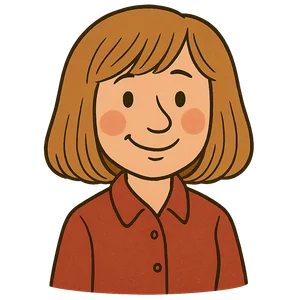
María Elena Walsh was a celebrated Argentine poet, writer, musician, and composer…
Reads at Grades 6–8 Listens at Grades 4–8
Print & create
Answer keys·No prep·Free with an account
28 worksheets · answer keys · full story · quiz · Ages 10-12 · CEFR B2
Plus adds 164,000+ more stories in 27 languages, audio for every one, and printables for all of them.
Just want María Elena Walsh?
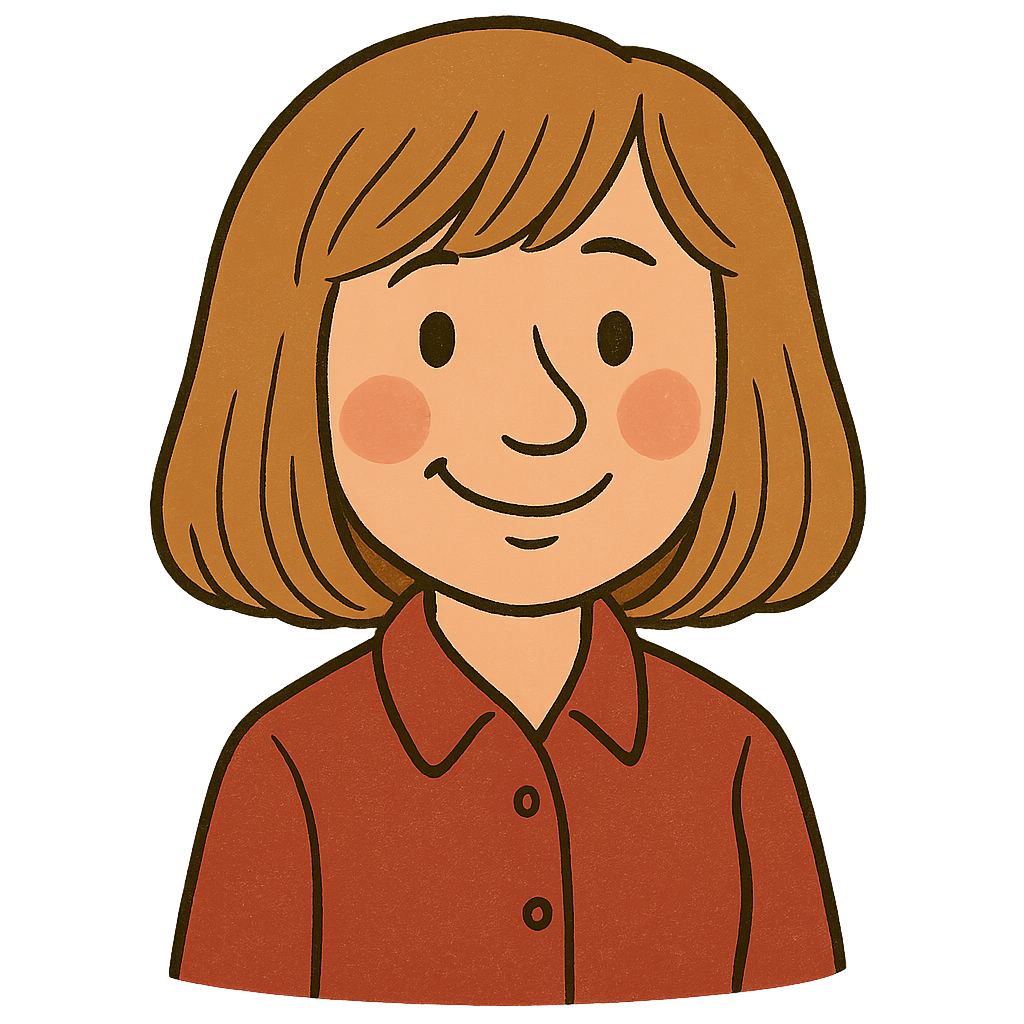
Hello, my name is María Elena Walsh, and I want to share the story of my life, which was filled with words, music, and a little bit of wonderful nonsense. I was born on February 1st, 1930, in a town called Ramos Mejía, just outside of Buenos Aires, Argentina. My home was a magical place, a blend of two cultures. My father was an Englishman who worked for the railway, and my mother was an Argentine woman with a great love for her country. Our house was always brimming with books in both Spanish and English, and the sound of music, from classical tunes on the piano to traditional Argentine folk songs, filled the air. This environment was like a garden for my imagination. I spent countless hours reading stories and writing my own poems, feeling the rhythm of the words as if they were melodies. It was a world that encouraged me to create. My passion for writing grew so strong that in 1947, when I was only seventeen years old, I published my very first book of poems. It was called 'Otoño imperdonable', which means 'Unforgivable Autumn'. To my astonishment, it caught the attention of some of the most famous writers in Latin America. Receiving their praise at such a young age was a powerful and encouraging start to my journey as an artist.
As much as I loved my home, a desire to see the world began to stir within me. I wanted to experience different cultures and find new inspirations for my art. In 1952, I made the exciting decision to travel to Europe, and I settled in Paris, France. I wasn't alone on this adventure; I went with my dear friend and talented musical partner, Leda Valladares. Together, we formed a musical duo we called 'Leda y María'. We wanted to share the beautiful, historic music of our homeland with a new audience. We performed traditional folk songs from the rural regions of Argentina, singing tales of our country's landscapes and people in cafes and small theaters across Paris. Living so far from home was a profound experience. It taught me about independence and gave me a new perspective on my own culture. Singing those traditional songs in a foreign land helped me understand my own identity and voice more clearly. Those years in Paris were not just about performing; they were a critical time of personal and artistic growth that would shape everything I did later in life.
María Elena Walsh: A World of Imagination
Hello, my name is María Elena Walsh, and I want to share the story of my life, which was filled with words, music, and a little bit of wonderful nonsense. I was born on February 1st, 1930, in a town called Ramos Mejía, just outside of Buenos Aires, Argentina. My home was a magical place, a blend of two cultures. My father was an Englishman who worked for the railway, and my mother was an Argentine woman with a great love for her country. Our house was always brimming with books in both Spanish and English, and the sound of music, from classical tunes on the piano to traditional Argentine folk songs, filled the air. This environment was like a garden for my imagination. I spent countless hours reading stories and writing my own poems, feeling the rhythm of the words as if they were melodies. It was a world that encouraged me to create. My passion for writing grew so strong that in 1947, when I was only seventeen years old, I published my very first book of poems. It was called 'Otoño imperdonable', which means 'Unforgivable Autumn'. To my astonishment, it caught the attention of some of the most famous writers in Latin America. Receiving their praise at such a young age was a powerful and encouraging start to my journey as an artist.
As much as I loved my home, a desire to see the world began to stir within me. I wanted to experience different cultures and find new inspirations for my art. In 1952, I made the exciting decision to travel to Europe, and I settled in Paris, France. I wasn't alone on this adventure; I went with my dear friend and talented musical partner, Leda Valladares. Together, we formed a musical duo we called 'Leda y María'. We wanted to share the beautiful, historic music of our homeland with a new audience. We performed traditional folk songs from the rural regions of Argentina, singing tales of our country's landscapes and people in cafes and small theaters across Paris. Living so far from home was a profound experience. It taught me about independence and gave me a new perspective on my own culture. Singing those traditional songs in a foreign land helped me understand my own identity and voice more clearly. Those years in Paris were not just about performing; they were a critical time of personal and artistic growth that would shape everything I did later in life.
In 1956, I returned to Argentina with a new sense of purpose. As I looked around, I noticed that the books, songs, and plays available for children were often very serious, formal, and, to be honest, not very fun. I felt that children deserved a world filled with more laughter, imagination, and joyful nonsense. I wanted to create stories and songs that respected their intelligence and their natural love for play. This idea sparked a new direction for my work. In 1962, I created one of my most famous characters, 'Manuelita la tortuga', or Manuelita the turtle. She was a curious turtle from a small town who traveled all the way to Paris to find a boyfriend, only to realize she was happiest back home. Her story was quirky and sweet, and children loved her. I also created 'El reino del revés' (The Upside-Down Kingdom), a song about a world where everything is backward, which celebrated silliness and imagination. In 1966, I published a novel called 'Dailan Kifki', about an elephant who is adopted by a family. Through these characters and stories, I tried to build a universe where creativity was the most important rule.
My work was always about freedom—the freedom to imagine, to laugh, and to be yourself. But in 1976, Argentina entered a very dark and difficult period when a military dictatorship took control of the country. Freedom of expression was suddenly taken away. The government practiced censorship, meaning artists and writers were not allowed to share ideas that the leaders disagreed with. It was a time of fear and silence for many. I felt I could not continue to sing my joyful songs on stage while my country was suffering. As a form of quiet protest, I made the difficult decision to stop performing in public in 1978. Instead, I turned to writing for adults. I wrote articles and essays for newspapers, speaking out for human rights, democracy, and women's rights. It was my way of fighting for the values I believed in. When democracy was finally restored to Argentina in 1983, it was a moment of incredible joy and relief. I was able to return to the stage and once again share my music with the people, this time with an even deeper appreciation for the freedom we had regained.
I lived to be 80 years old, and over my long life, I had the great privilege of seeing my songs and stories become a fundamental part of childhood for millions of people across the Spanish-speaking world. In 1985, I was deeply moved to be named an Illustrious Citizen of the City of Buenos Aires, a great honor in the country I loved so much. Today, people remember me not just for the whimsical characters and playful melodies I created, but also for my courage in using my voice to stand up for justice during difficult times. My songs like 'Manuelita' and 'El reino del revés' are still sung in classrooms and homes, and my books are still read at bedtime. It brings me great peace to know that the world of fantasy, freedom, and imagination I worked so hard to build lives on.
Wow facts
About
María Elena Walsh was a celebrated Argentine poet, writer, musician, and composer, best known for her beloved children's songs and books that have become cultural staples across the Spanish-speaking world.
Take a Quiz
Question 1 of 5
What major life event happened in 1952 that shaped María Elena Walsh's perspective?
Explore next



Want to do even more?
Go beyond exploring. Unlock tools that turn every story into real learning.

Storypie Plus for families
Full stories, quizzes, and printables. Nights and car rides, sorted.
- Unlimited audio stories
- Create Mode: your child stars in the story
- Offline downloads
- Printable worksheets & coloring pages

Why Storypie for Schools
Students engaged. Prep in seconds. Evenings back to you.
- Worksheets & Quizzes
- Classroom Management
- Formative Assessment
- Custom Curriculum & Lesson Plans
- 27 Languages

Why Storypie for Homeschool
Curriculum done. They'll ask for more. Hours back in your day.
- Worksheet Generator
- First-Person Audio Stories
- Built-in Comprehension Quizzes
- Custom Curriculum & Lesson Plans
- Print & Go Activities