English

Maria Sibylla Merian
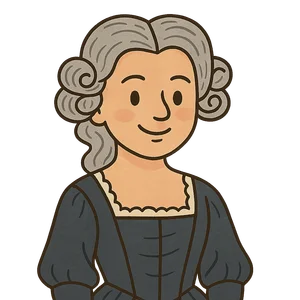
Maria Sibylla Merian was a pioneering German naturalist and scientific illustrator who documented the…
Reads at Grades 6–8 Listens at Grades 4–8
Print & create
Answer keys·No prep·Free with an account
28 worksheets · answer keys · full story · quiz · Ages 10-12 · CEFR B2
Plus adds 164,000+ more stories in 27 languages, audio for every one, and printables for all of them.
Just want Maria Sibylla Merian?
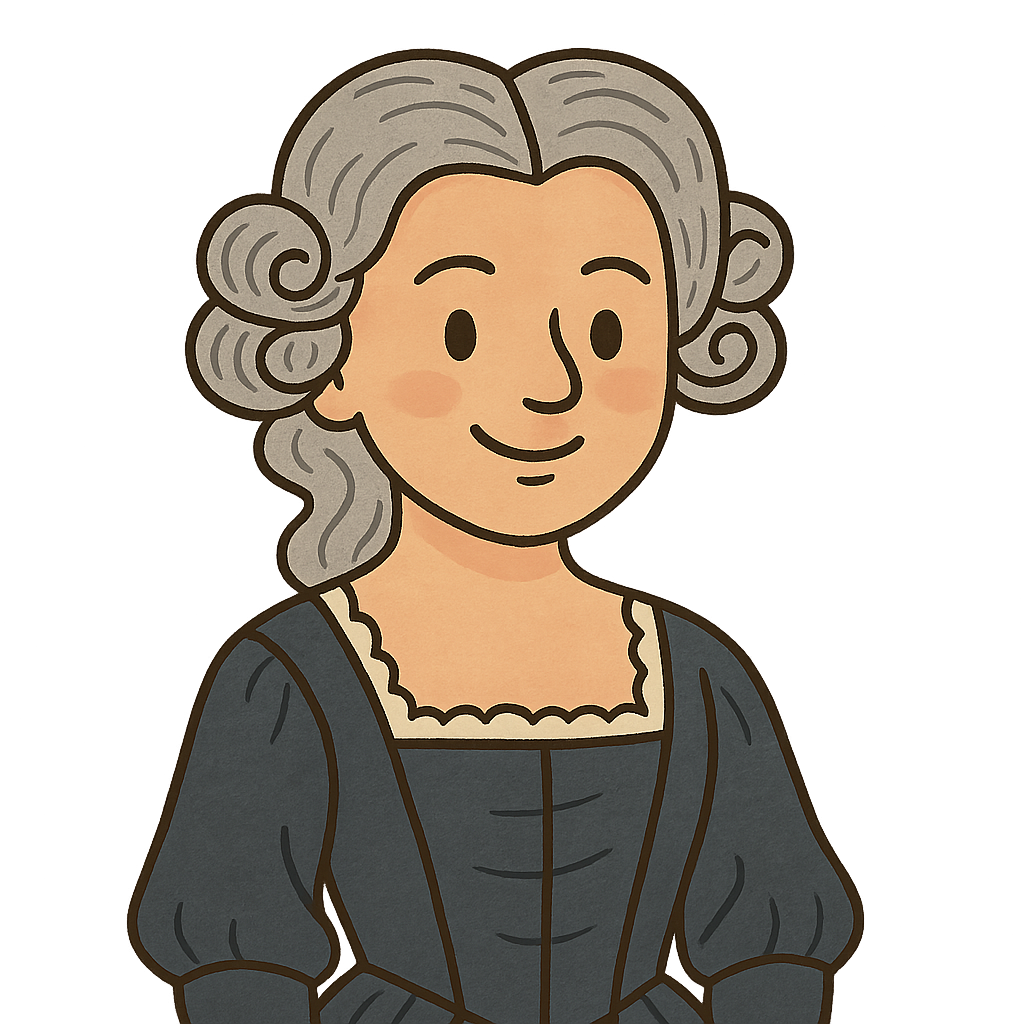
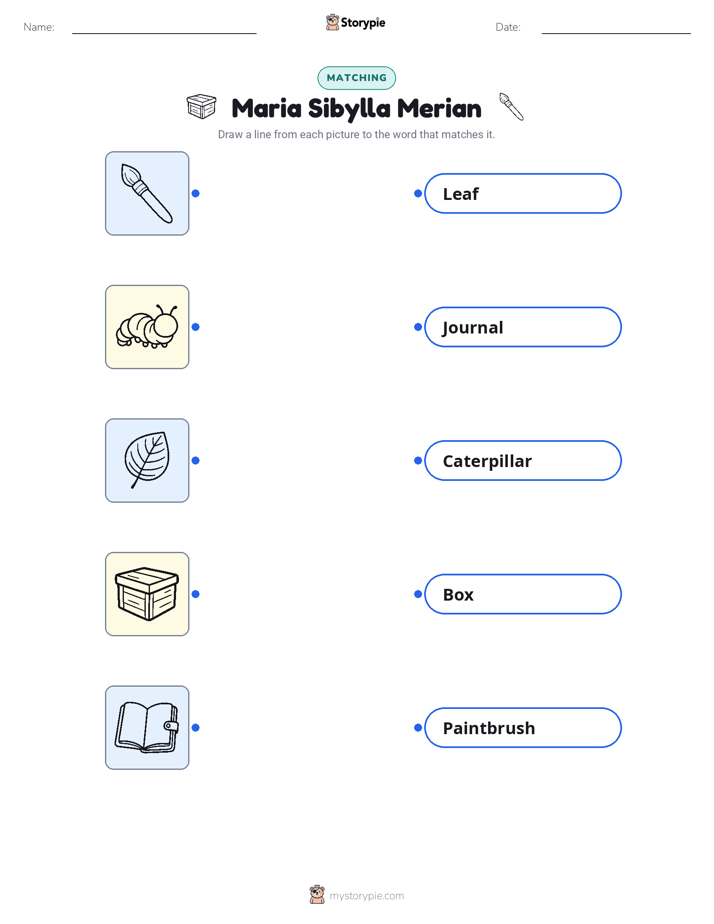
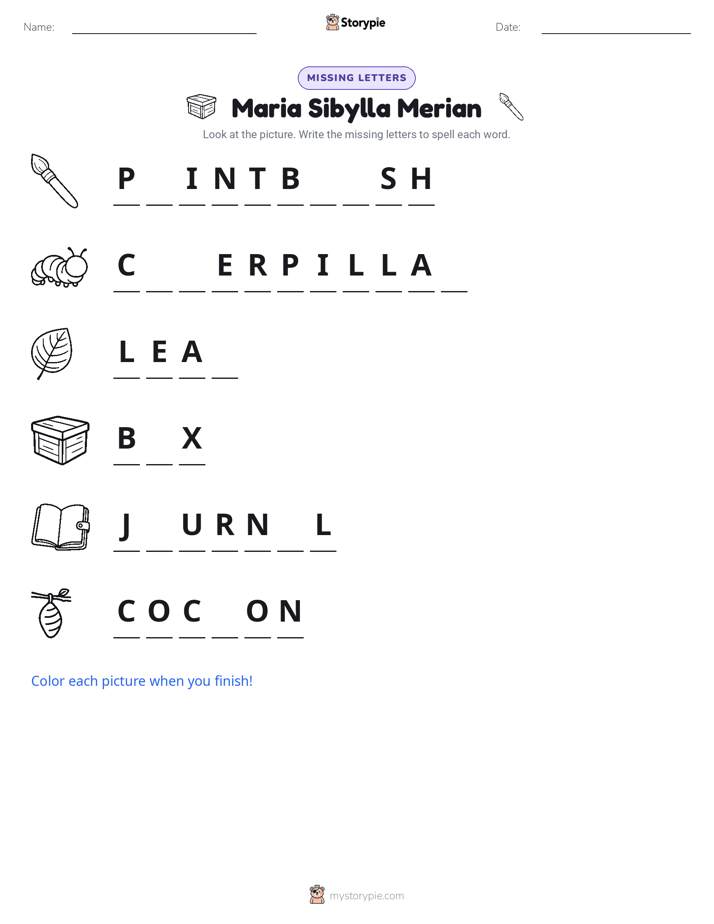
Hello! My name is Maria Sibylla Merian, and I’d like to tell you the story of my life, a life filled with art, science, and a deep love for the smallest of creatures. I was born on April 2nd, 1647, in the city of Frankfurt, which is now in Germany. My father, Matthäus Merian, was a famous artist and publisher, so I grew up surrounded by paints, paper, and the beautiful images he created. He passed away when I was very young, and my mother remarried a wonderful painter named Jacob Marrel. It was my stepfather who first put a paintbrush in my hand and taught me how to capture the beauty of flowers. But while I loved painting petals and leaves, I was even more fascinated by the tiny creatures that crawled upon them: caterpillars! In the 1600s, most people thought insects were nasty, worthless pests that appeared from mud. But I saw something different. I saw wonder.
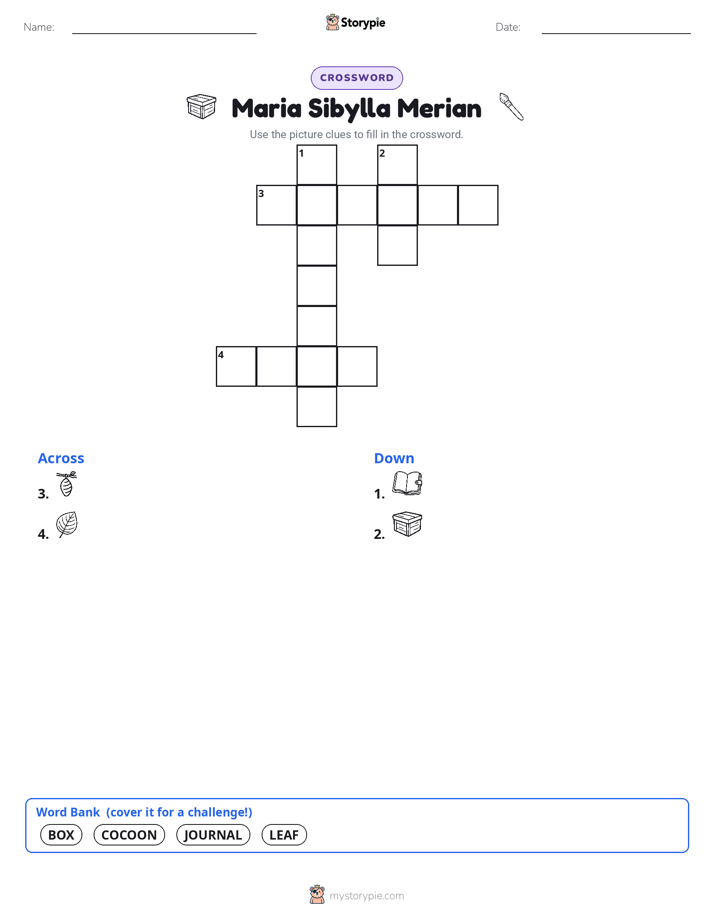
As a teenager, I began collecting caterpillars and silkworms. I would keep them in boxes, feeding them fresh leaves and watching them every day. I wanted to solve a mystery: where did butterflies come from? I carefully recorded every change in my journals, drawing the caterpillars as they ate, shed their skin, and spun their cocoons or formed a chrysalis. Then, the most magical moment would arrive—a butterfly or moth would emerge! I was documenting a process we now call metamorphosis. In 1665, I married one of my stepfather's students, Johann Andreas Graff, and we eventually moved to Nuremberg. Even as a wife and a mother to my two daughters, Johanna and Dorothea, I never stopped my work. I taught painting to young women to earn money, but my passion project was my book about caterpillars. In 1679, I published my first book on the subject, *The Wonderful Transformation of Caterpillars and their Strange Flower Food*. It was different from other nature books because it showed insects on the plants they actually ate, revealing the connections in nature.
Maria Sibylla Merian: The Woman Who Painted Butterflies
Hello! My name is Maria Sibylla Merian, and I’d like to tell you the story of my life, a life filled with art, science, and a deep love for the smallest of creatures. I was born on April 2nd, 1647, in the city of Frankfurt, which is now in Germany. My father, Matthäus Merian, was a famous artist and publisher, so I grew up surrounded by paints, paper, and the beautiful images he created. He passed away when I was very young, and my mother remarried a wonderful painter named Jacob Marrel. It was my stepfather who first put a paintbrush in my hand and taught me how to capture the beauty of flowers. But while I loved painting petals and leaves, I was even more fascinated by the tiny creatures that crawled upon them: caterpillars! In the 1600s, most people thought insects were nasty, worthless pests that appeared from mud. But I saw something different. I saw wonder.
As a teenager, I began collecting caterpillars and silkworms. I would keep them in boxes, feeding them fresh leaves and watching them every day. I wanted to solve a mystery: where did butterflies come from? I carefully recorded every change in my journals, drawing the caterpillars as they ate, shed their skin, and spun their cocoons or formed a chrysalis. Then, the most magical moment would arrive—a butterfly or moth would emerge! I was documenting a process we now call metamorphosis. In 1665, I married one of my stepfather's students, Johann Andreas Graff, and we eventually moved to Nuremberg. Even as a wife and a mother to my two daughters, Johanna and Dorothea, I never stopped my work. I taught painting to young women to earn money, but my passion project was my book about caterpillars. In 1679, I published my first book on the subject, The Wonderful Transformation of Caterpillars and their Strange Flower Food. It was different from other nature books because it showed insects on the plants they actually ate, revealing the connections in nature.
As time went on, my marriage became unhappy. I wanted to dedicate my life to my scientific and artistic work, a goal my husband did not share. Around 1685, I made a very bold decision for a woman of my time: I left him and moved with my daughters to a religious community in the Netherlands. A few years later, in 1691, we moved to the bustling city of Amsterdam. Amsterdam was like a window to the world! Ships arrived every day carrying amazing things from faraway lands. In the homes of wealthy collectors, I saw collections of preserved snakes, lizards, and enormous, brightly colored butterflies from a place called Suriname in South America. The specimens were beautiful, but they were lifeless. They couldn't tell me how these creatures lived, what they ate, or how they transformed. A daring idea began to form in my mind: What if I went to see them for myself?
Everyone thought I was crazy. I was 52 years old, a woman traveling without a man for protection, heading into a jungle thousands of miles away. But my curiosity was stronger than my fear. In 1699, I sold many of my paintings to fund the trip, and my younger daughter, Dorothea, agreed to come with me as my assistant. The voyage across the Atlantic Ocean took two months. Suriname was unlike anything I had ever experienced. It was incredibly hot and humid, and the rainforest was buzzing with life. There were giant spiders, ants that marched in armies, and butterflies with wings like blue jewels. With the help of local guides, we would venture into the forest to find specimens. I painted furiously, documenting caterpillars munching on exotic leaves and spiders devouring hummingbirds. I studied the entire life cycle, from egg to adult. It was difficult, dangerous work, and after two years, in 1701, I fell ill with a fever and had to return home.
Though my time in Suriname was cut short, I returned to Amsterdam with chests full of drawings, notes, and preserved specimens. It took me years to organize everything. Finally, in 1705, I published the book of my life's work: The Metamorphosis of the Insects of Suriname. It was a large, beautiful book filled with 60 detailed illustrations, or plates. Each plate was a work of art, but it was also a piece of science. I showed the insects in their habitat, eating, growing, and changing. I showed that a certain caterpillar only ate a certain plant. This was a new way of seeing the world, showing how all living things are connected in what we now call an ecosystem. My book made me famous across Europe. Scientists and art lovers admired my work, and I continued to study and sell my art for many years.
I lived to be 69 years old, passing away in Amsterdam in 1717. I am proud to know that my work changed the way people understood the natural world. I helped show that insects weren't monsters, but complex and beautiful creatures with incredible life stories. By combining art and science, I was able to share my discoveries in a way that everyone could understand and appreciate. Today, I am remembered as a pioneering entomologist and one of the world's first ecologists, a woman who followed her passion for science and adventure, no matter how impossible it seemed.
Wow facts
About
Maria Sibylla Merian was a pioneering German naturalist and scientific illustrator who documented the metamorphosis of insects. Her detailed observations and illustrations, particularly from her expedition to Suriname, significantly advanced the field of entomology.
Take a Quiz
Question 1 of 5
What was the main problem Maria had with the insect specimens she saw in Amsterdam?
Explore next



Want to do even more?
Go beyond exploring. Unlock tools that turn every story into real learning.

Storypie Plus for families
Full stories, quizzes, and printables. Nights and car rides, sorted.
- Unlimited audio stories
- Create Mode: your child stars in the story
- Offline downloads
- Printable worksheets & coloring pages

Why Storypie for Schools
Students engaged. Prep in seconds. Evenings back to you.
- Worksheets & Quizzes
- Classroom Management
- Formative Assessment
- Custom Curriculum & Lesson Plans
- 27 Languages

Why Storypie for Homeschool
Curriculum done. They'll ask for more. Hours back in your day.
- Worksheet Generator
- First-Person Audio Stories
- Built-in Comprehension Quizzes
- Custom Curriculum & Lesson Plans
- Print & Go Activities