English

Mario Molina
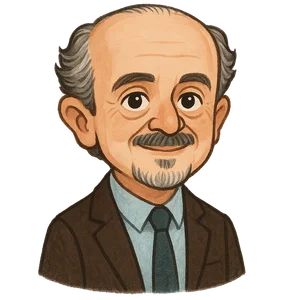
Mario Molina was a Mexican chemist who was a co-recipient of the 1995 Nobel Prize in Chemistry for his role…
Reads at Grades 3–5 Listens at Grades 1–5
Print & create
Answer keys·No prep·Free with an account
28 worksheets · answer keys · full story · quiz · Ages 8-10 · CEFR B1
Plus adds 164,000+ more stories in 27 languages, audio for every one, and printables for all of them.
Just want Mario Molina?
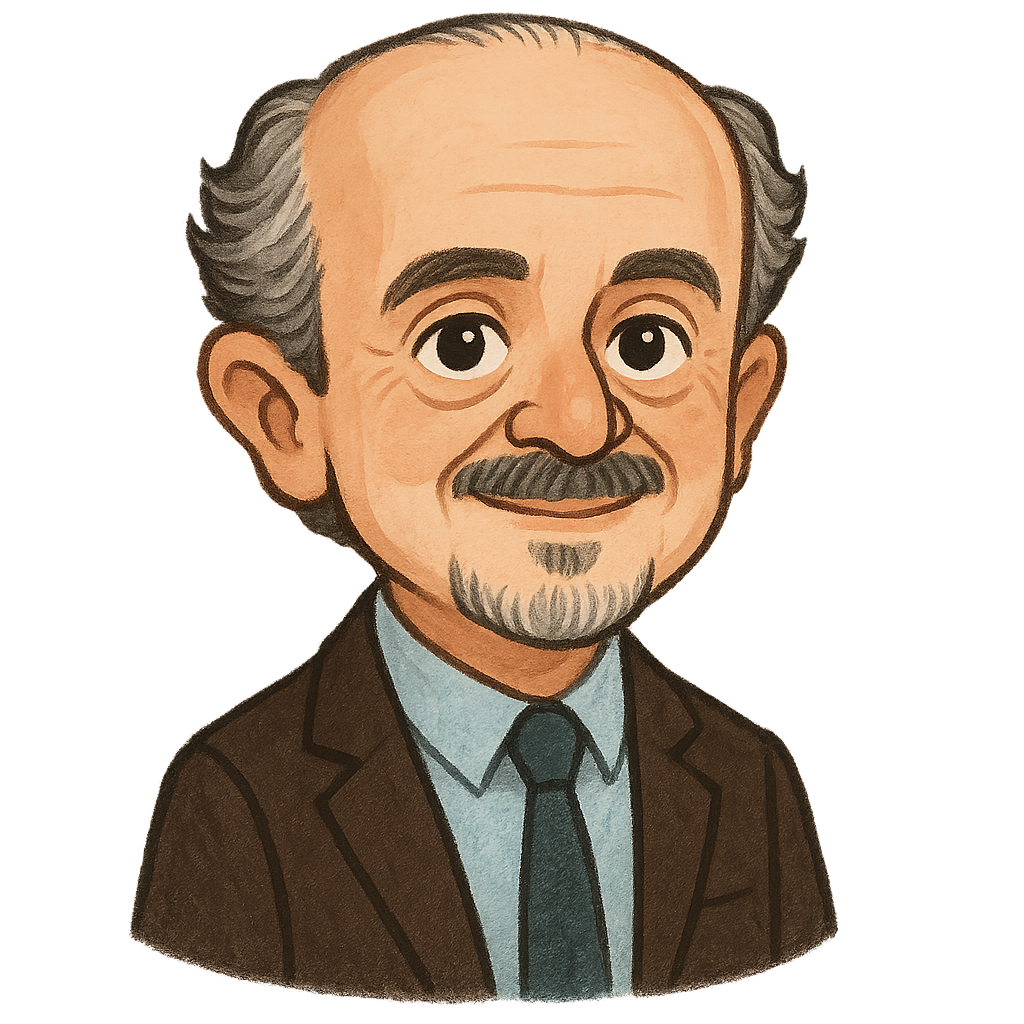
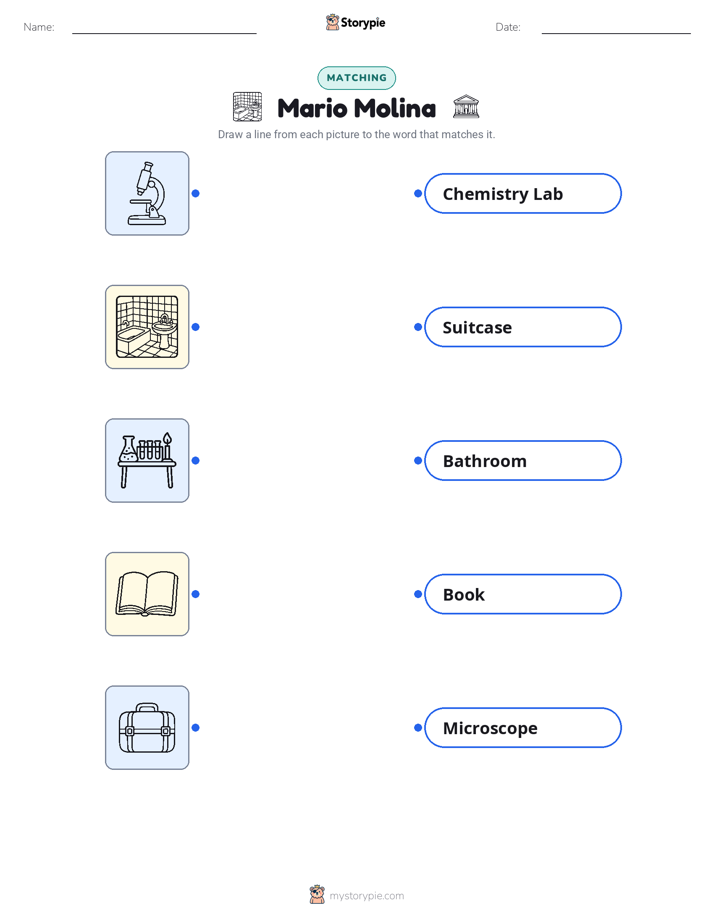
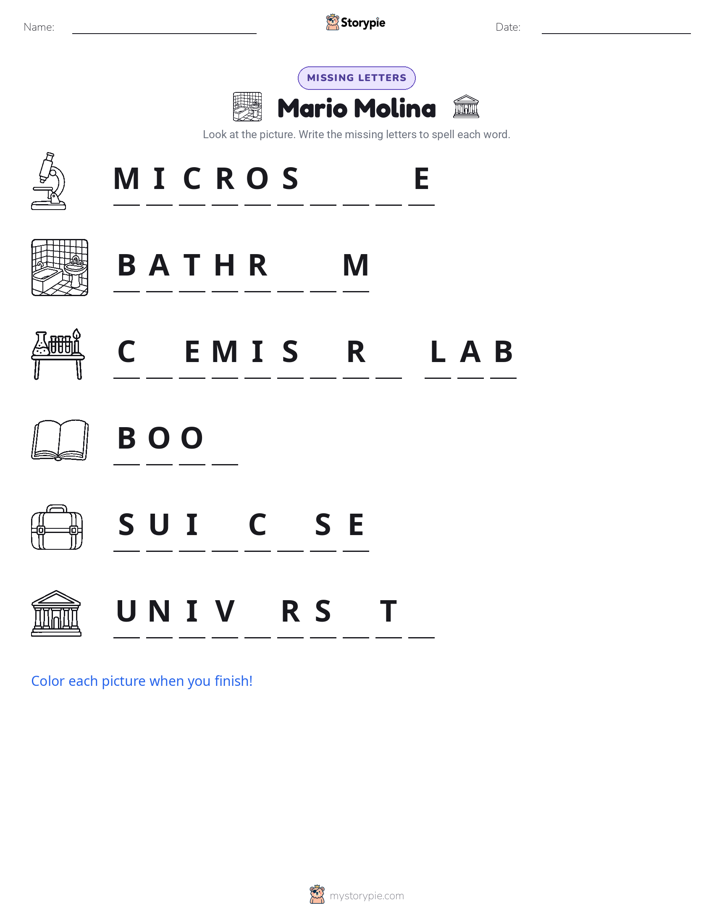
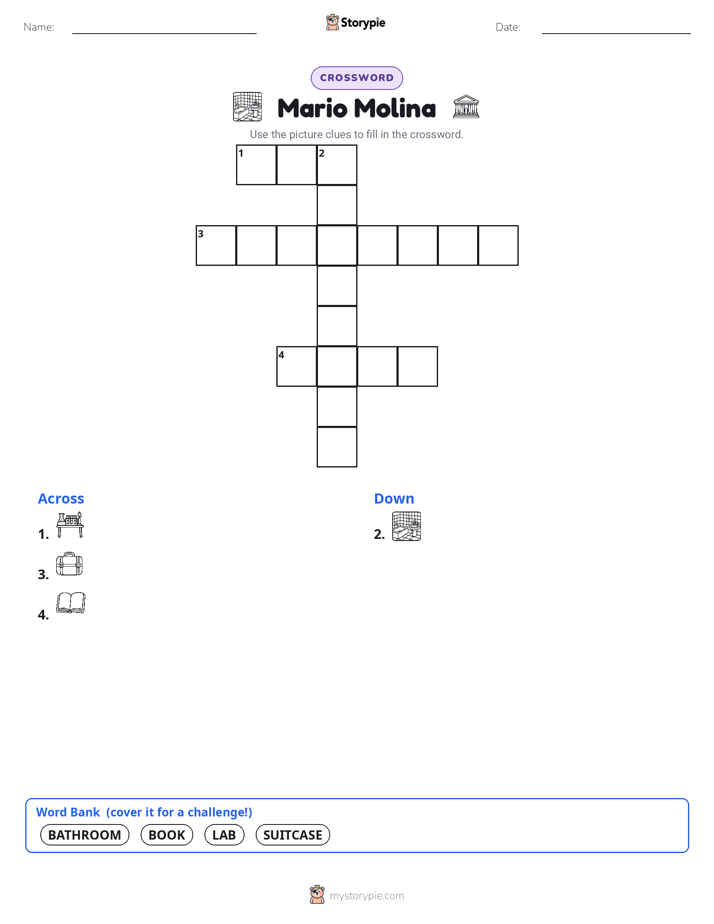
Hello! My name is Mario Molina, and I am a scientist who helped protect our planet. I was born in the big, bustling Mexico City on March 19th, 1943. Even as a little boy, I was fascinated by science. While other kids played outside, my favorite thing to do was play with my chemistry set. I was so serious about it that I even turned one of our bathrooms into my very own science laboratory! It was my special place where I could explore the world. I would spend hours looking at tiny organisms through my toy microscope and mixing chemicals just to see what would happen. My parents saw how much I loved learning and always encouraged my curiosity, which helped me on my path to becoming a scientist.
My love for chemistry took me all around the world to study. After finishing my first years of school in Mexico, I traveled to Germany and then to the United States to become a better scientist and learn from the best. It was a long journey, but I was determined. In 1972, I earned my doctorate degree, which is the highest degree you can get in a subject, from the University of California, Berkeley. A year later, in 1973, I joined a research team led by a scientist named F. Sherwood Rowland. He gave me a list of research projects to choose from. I chose one that sounded very interesting: finding out what happens to man-made chemicals called chlorofluorocarbons, or CFCs, once they float up high into the air.
At the time, CFCs were used in all sorts of things, like hairspray cans and refrigerators. Nobody thought they were harmful at all. But when my partner, Sherry Rowland, and I studied them, we made a shocking discovery. We learned that high up in the sky, the sun's powerful rays were breaking the CFCs apart. This process was releasing atoms that were destroying something very important: the ozone layer. You can think of the ozone layer as a giant, invisible shield that wraps around the Earth. It protects everyone and everything on our planet from the sun's harmful ultraviolet rays. We realized that if people kept using CFCs, this important shield would get weaker and weaker, which would be very dangerous. We knew we had to tell the world, so we published our findings in a science magazine called *Nature* in 1974.
Mario Molina
Hello! My name is Mario Molina, and I am a scientist who helped protect our planet. I was born in the big, bustling Mexico City on March 19th, 1943. Even as a little boy, I was fascinated by science. While other kids played outside, my favorite thing to do was play with my chemistry set. I was so serious about it that I even turned one of our bathrooms into my very own science laboratory! It was my special place where I could explore the world. I would spend hours looking at tiny organisms through my toy microscope and mixing chemicals just to see what would happen. My parents saw how much I loved learning and always encouraged my curiosity, which helped me on my path to becoming a scientist.
My love for chemistry took me all around the world to study. After finishing my first years of school in Mexico, I traveled to Germany and then to the United States to become a better scientist and learn from the best. It was a long journey, but I was determined. In 1972, I earned my doctorate degree, which is the highest degree you can get in a subject, from the University of California, Berkeley. A year later, in 1973, I joined a research team led by a scientist named F. Sherwood Rowland. He gave me a list of research projects to choose from. I chose one that sounded very interesting: finding out what happens to man-made chemicals called chlorofluorocarbons, or CFCs, once they float up high into the air.
At the time, CFCs were used in all sorts of things, like hairspray cans and refrigerators. Nobody thought they were harmful at all. But when my partner, Sherry Rowland, and I studied them, we made a shocking discovery. We learned that high up in the sky, the sun's powerful rays were breaking the CFCs apart. This process was releasing atoms that were destroying something very important: the ozone layer. You can think of the ozone layer as a giant, invisible shield that wraps around the Earth. It protects everyone and everything on our planet from the sun's harmful ultraviolet rays. We realized that if people kept using CFCs, this important shield would get weaker and weaker, which would be very dangerous. We knew we had to tell the world, so we published our findings in a science magazine called Nature in 1974.
At first, many people didn't believe our research. It was a scary idea, and some companies that made products with CFCs didn't want to stop using them. But we knew how important our discovery was, so we didn't give up. We talked to other scientists, politicians, and reporters to explain the danger. Soon, other scientists did their own experiments and confirmed our work. Then, in 1985, they discovered a large 'hole' in the ozone layer over Antarctica. That’s when the world really started to listen. Countries from all over the globe came together, and in 1987, they signed an important agreement called the Montreal Protocol to ban the harmful CFCs. It was an amazing example of how everyone can work together to solve a big problem and protect our home.
For our discovery that saved the ozone layer, I, along with Sherry Rowland and another scientist named Paul Crutzen, received the Nobel Prize in Chemistry in 1995. It was one of the proudest moments of my life because it showed how science can help all of humanity. I spent the rest of my career working to understand and protect our atmosphere. I lived a full and happy life, and I got to be 77 years old. My story shows that curiosity is a superpower. If you ask big questions and work hard to find the answers, you might just discover something that can change the world for the better.
Wow facts
About
Mario Molina was a Mexican chemist who was a co-recipient of the 1995 Nobel Prize in Chemistry for his role in discovering the threat to the Earth's ozone layer from chlorofluorocarbon (CFC) gases.
Take a Quiz
Question 1 of 5
What was the name of the 'invisible shield' that I discovered was being harmed by chemicals?
Explore next




Want to do even more?
Go beyond exploring. Unlock tools that turn every story into real learning.

Storypie Plus for families
Full stories, quizzes, and printables. Nights and car rides, sorted.
- Unlimited audio stories
- Create Mode: your child stars in the story
- Offline downloads
- Printable worksheets & coloring pages

Why Storypie for Schools
Students engaged. Prep in seconds. Evenings back to you.
- Worksheets & Quizzes
- Classroom Management
- Formative Assessment
- Custom Curriculum & Lesson Plans
- 27 Languages

Why Storypie for Homeschool
Curriculum done. They'll ask for more. Hours back in your day.
- Worksheet Generator
- First-Person Audio Stories
- Built-in Comprehension Quizzes
- Custom Curriculum & Lesson Plans
- Print & Go Activities