English

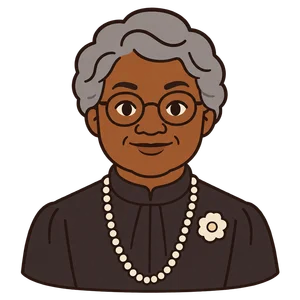
Mary McLeod Bethune
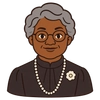
Mary McLeod Bethune was an American educator, civil rights leader…
Reads at Grades 6–8 Listens at Grades 4–8
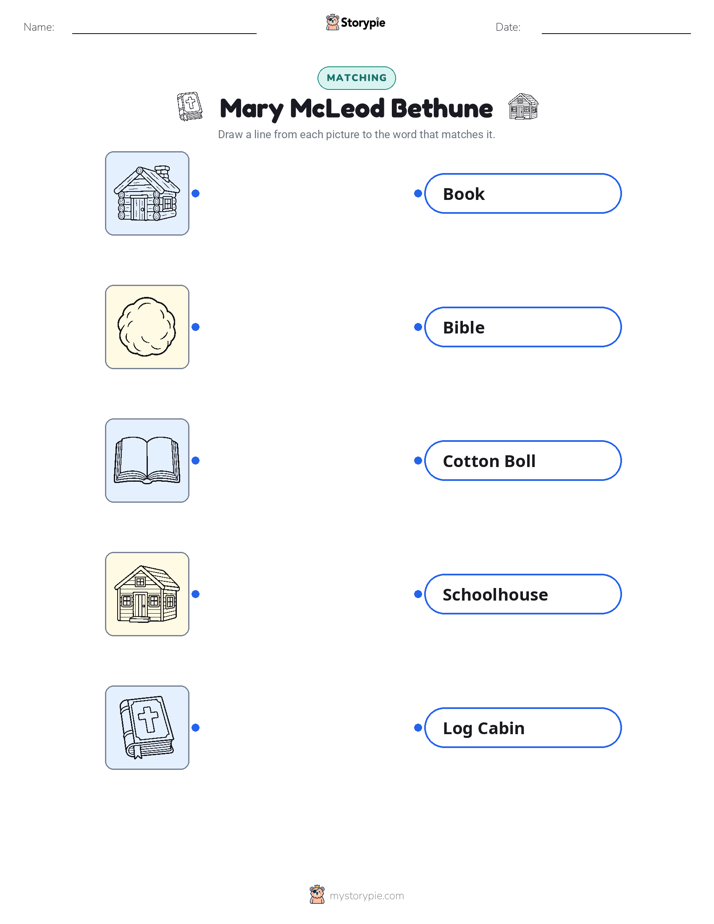
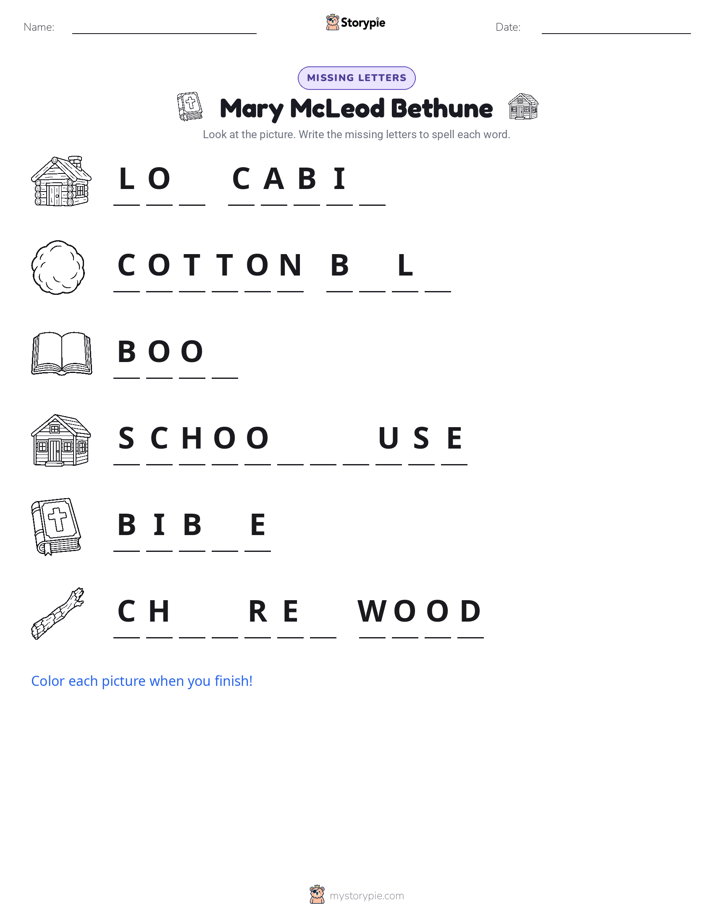
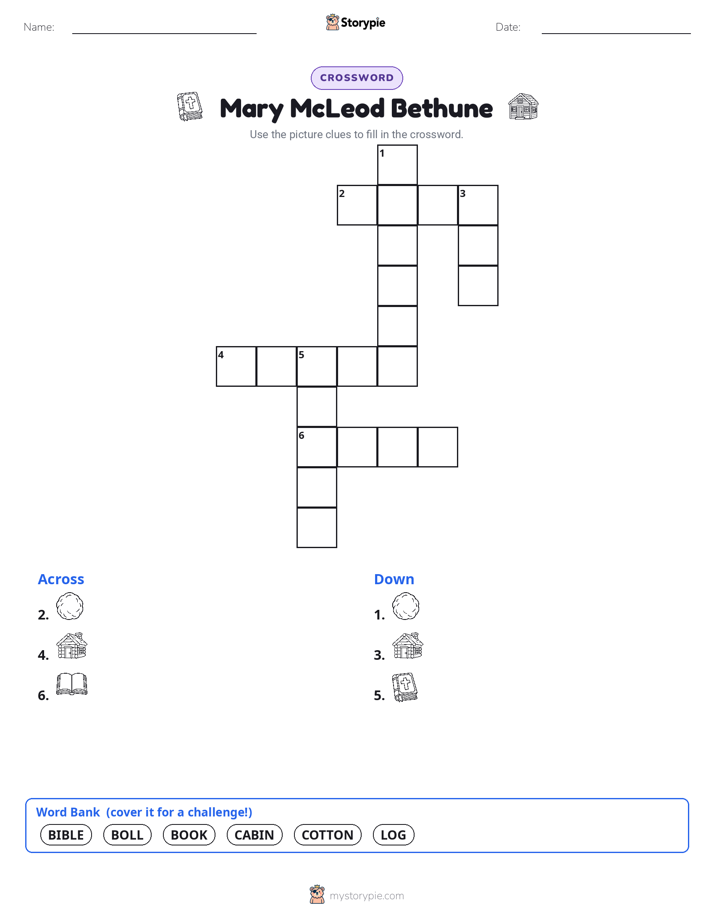
Print & create
Answer keys·No prep·Free with an account
28 worksheets · answer keys · full story · quiz · Ages 10-12 · CEFR B2
Plus adds 290,000+ more stories in 27 languages, audio for every one, and printables for all of them.
Just want Mary McLeod Bethune?
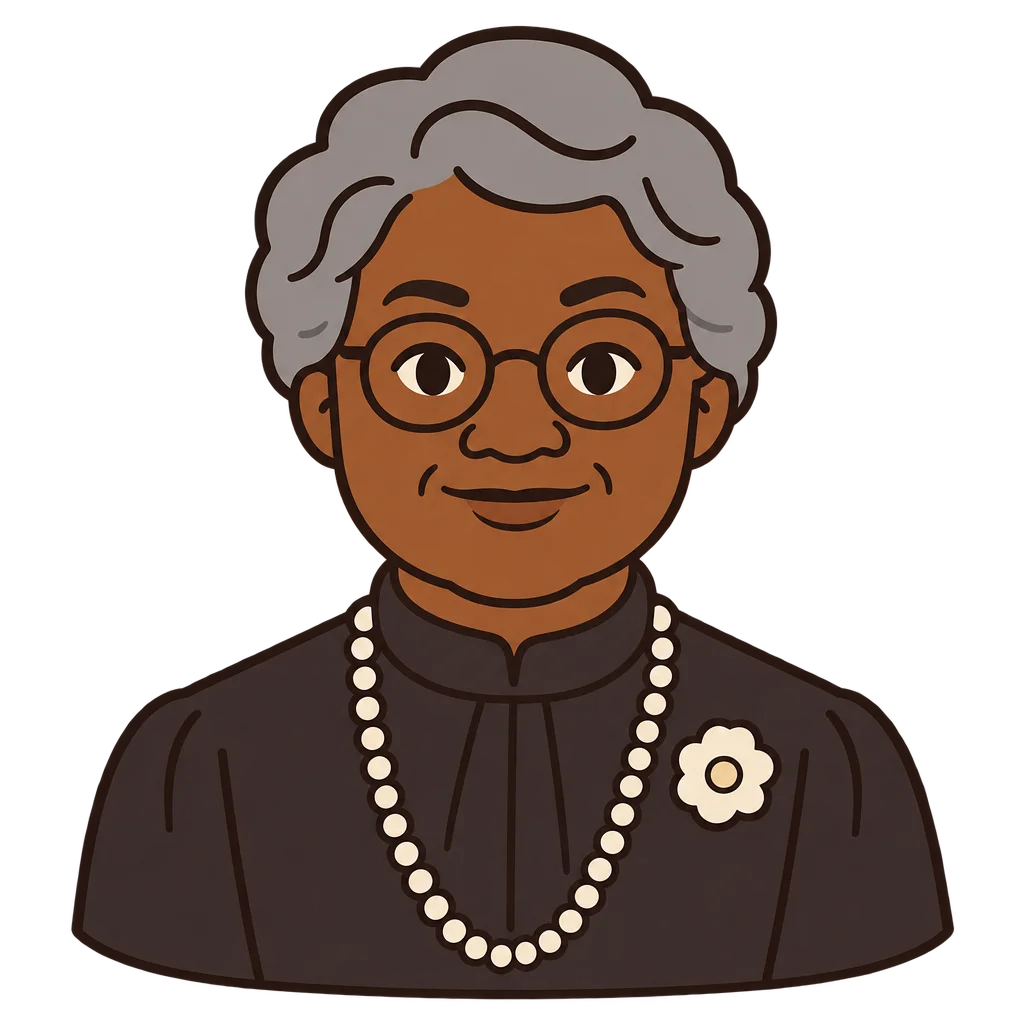
Hello, my name is Mary McLeod Bethune, and I want to share my story with you. I was born on July 10th, 1875, in a small log cabin in Mayesville, South Carolina. This was just a decade after the end of the Civil War and slavery in America. I was the 15th of 17 children born to my parents, Samuel and Patsy McLeod, who had both been enslaved. My childhood was spent in the fields, picking cotton under the hot sun. Though life was hard, my family was filled with love and faith. One day, a life-changing moment set me on a new path. I was with a friend, a young white girl, who was reading a book. When I reached out to look at it, she pulled it away, telling me I couldn't touch it because I didn't know how to read. In that moment, something ignited within me. I understood that the ability to read and write was a powerful tool, and I became determined to learn. That experience lit a fire in me that would never go out. Soon after, a small school for Black children opened nearby, and I finally had my chance. Learning to read and write felt like opening a door to the entire world.
My thirst for knowledge was far from quenched. I knew that my elementary education was just the beginning. In 1888, a kind woman offered me a scholarship to attend Scotia Seminary in North Carolina, a school for Black girls. It was a wonderful opportunity, and I studied hard, dreaming of my future. My greatest desire was to become a missionary and travel to Africa to teach and help people there. To prepare for this calling, I enrolled at the Moody Bible Institute in Chicago in 1894. I completed my studies, ready to fulfill my dream. However, I was met with a great disappointment when I was told that Black missionaries were not being sent to Africa at that time. My heart was heavy, but I did not let this setback stop me. I decided that if I could not go to Africa to serve, I would dedicate my life to serving my people right here in America. I realized that the need for education and opportunity was immense in my own country. I began a new chapter, starting my career as a teacher and eventually starting my own family.
Mary McLeod Bethune: A Dream for Education
Hello, my name is Mary McLeod Bethune, and I want to share my story with you. I was born on July 10th, 1875, in a small log cabin in Mayesville, South Carolina. This was just a decade after the end of the Civil War and slavery in America. I was the 15th of 17 children born to my parents, Samuel and Patsy McLeod, who had both been enslaved. My childhood was spent in the fields, picking cotton under the hot sun. Though life was hard, my family was filled with love and faith. One day, a life-changing moment set me on a new path. I was with a friend, a young white girl, who was reading a book. When I reached out to look at it, she pulled it away, telling me I couldn't touch it because I didn't know how to read. In that moment, something ignited within me. I understood that the ability to read and write was a powerful tool, and I became determined to learn. That experience lit a fire in me that would never go out. Soon after, a small school for Black children opened nearby, and I finally had my chance. Learning to read and write felt like opening a door to the entire world.
My thirst for knowledge was far from quenched. I knew that my elementary education was just the beginning. In 1888, a kind woman offered me a scholarship to attend Scotia Seminary in North Carolina, a school for Black girls. It was a wonderful opportunity, and I studied hard, dreaming of my future. My greatest desire was to become a missionary and travel to Africa to teach and help people there. To prepare for this calling, I enrolled at the Moody Bible Institute in Chicago in 1894. I completed my studies, ready to fulfill my dream. However, I was met with a great disappointment when I was told that Black missionaries were not being sent to Africa at that time. My heart was heavy, but I did not let this setback stop me. I decided that if I could not go to Africa to serve, I would dedicate my life to serving my people right here in America. I realized that the need for education and opportunity was immense in my own country. I began a new chapter, starting my career as a teacher and eventually starting my own family.
My journey as an educator led me to Daytona Beach, Florida. There, I saw hundreds of Black laborers working to build a new railroad, but their daughters had no school to attend. I knew I had to do something. With a heart full of faith but only $1.50 in my pocket, I started a school on October 3rd, 1904. My first students were five little girls, and my own son, Albertus, also joined our small class. Our beginnings were incredibly humble. We rented a small, rundown cabin, and since we had no supplies, we had to be creative. We used charred pieces of wood as pencils and mashed elderberries to make ink for our pens. To raise money for our school, I worked tirelessly. I baked and sold sweet potato pies to the railroad workers and organized concerts, singing for wealthy winter tourists who visited the area. Slowly but surely, our little school began to grow. Word spread about the work we were doing, and more students and support came our way. In 1923, our school merged with a nearby boys' institute, and together we became Bethune-Cookman College. I proudly served as its president, guiding the institution as it continued to provide an education for thousands of young African Americans.
My work did not stop at the doors of my school. I understood that education was a powerful tool, but it was only one part of the larger struggle for equality and justice for my people. I became a passionate advocate for civil rights and for women's suffrage, believing that everyone deserved a voice in our nation's future. To help unify the efforts of Black women across the country, I founded the National Council of Negro Women in 1935. This organization gave us a powerful, collective voice to fight for justice and opportunity. During this time, I also developed a close friendship with the First Lady, Eleanor Roosevelt, and became a trusted advisor to her husband, President Franklin D. Roosevelt. In 1936, the president appointed me as the Director of the Division of Negro Affairs in the National Youth Administration. This was a tremendous honor, as it made me the highest-ranking African American woman in the federal government at that time. In this role, I led an informal group of Black policy advisors known as the 'Black Cabinet,' and together, we worked to ensure that the needs of the African American community were heard at the highest levels of government.
I lived a full life dedicated to service, faith, and creating opportunities for others where there were none. I lived to be 79 years old. The little school I started with less than two dollars and a dream has grown into Bethune-Cookman University, a place of higher learning that continues to educate thousands of students. My story is proof that faith, determination, and a love for humanity can truly move mountains. Before I passed, I wrote down my 'Last Will and Testament.' In it, I did not leave behind money or jewels, but instead, I left my hopes and beliefs for the future. My greatest hope was that future generations would carry on the important work of creating a world where every single child has the chance to learn, to dream, and to reach their full potential.
Wow facts
About
Mary McLeod Bethune was an American educator, civil rights leader, and government official who founded the National Council of Negro Women and what is now Bethune-Cookman University. She was a tireless advocate for African American rights and education.
Take a Quiz
Question 1 of 5
What is the central theme of Mary McLeod Bethune's story?
Explore next




Want to do even more?
Go beyond exploring. Unlock tools that turn every story into real learning.
Storypie Plus for families
Full stories, quizzes, and printables. Nights and car rides, sorted.
- Unlimited audio stories
- Create Mode: your child stars in the story
- Offline downloads
- Printable worksheets & coloring pages

Why Storypie for Schools
Students engaged. Prep in seconds. Evenings back to you.
- Worksheets & Quizzes
- Classroom Management
- Formative Assessment
- Custom Curriculum & Lesson Plans
- 27 Languages

Why Storypie for Homeschool
Curriculum done. They'll ask for more. Hours back in your day.
- Worksheet Generator
- First-Person Audio Stories
- Built-in Comprehension Quizzes
- Custom Curriculum & Lesson Plans
- Print & Go Activities