English

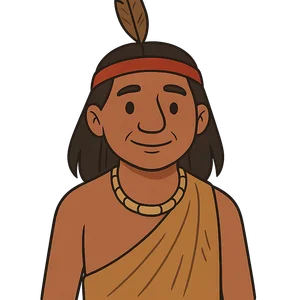
Massasoit
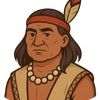
Massasoit was the sachem (leader) of the Wampanoag people in the early 17th century.
Reads at Grades 6–8 Listens at Grades 4–8
Print & create
Answer keys·No prep·Free with an account
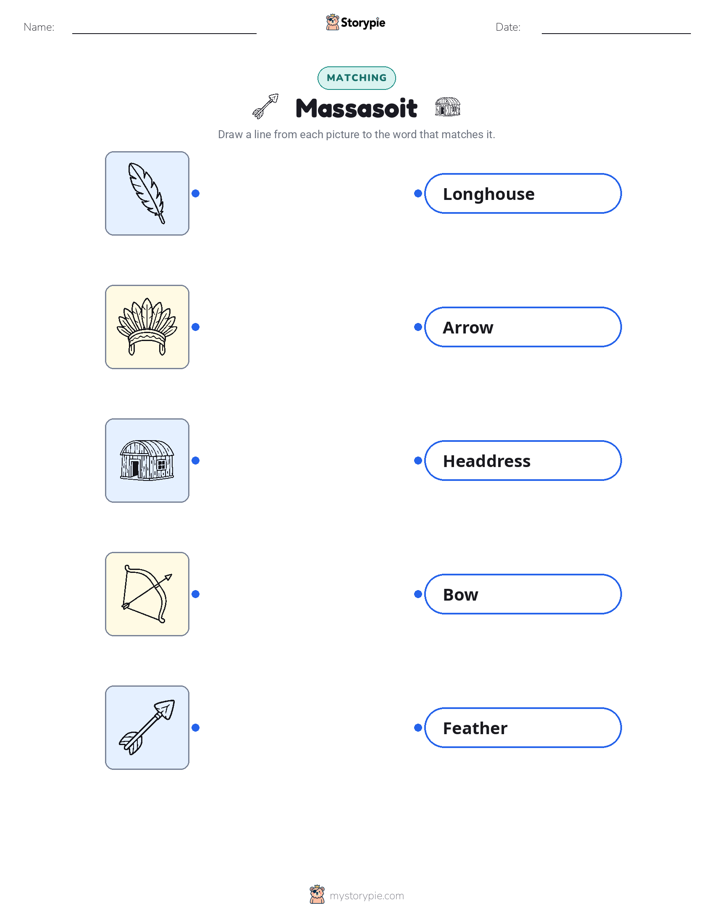
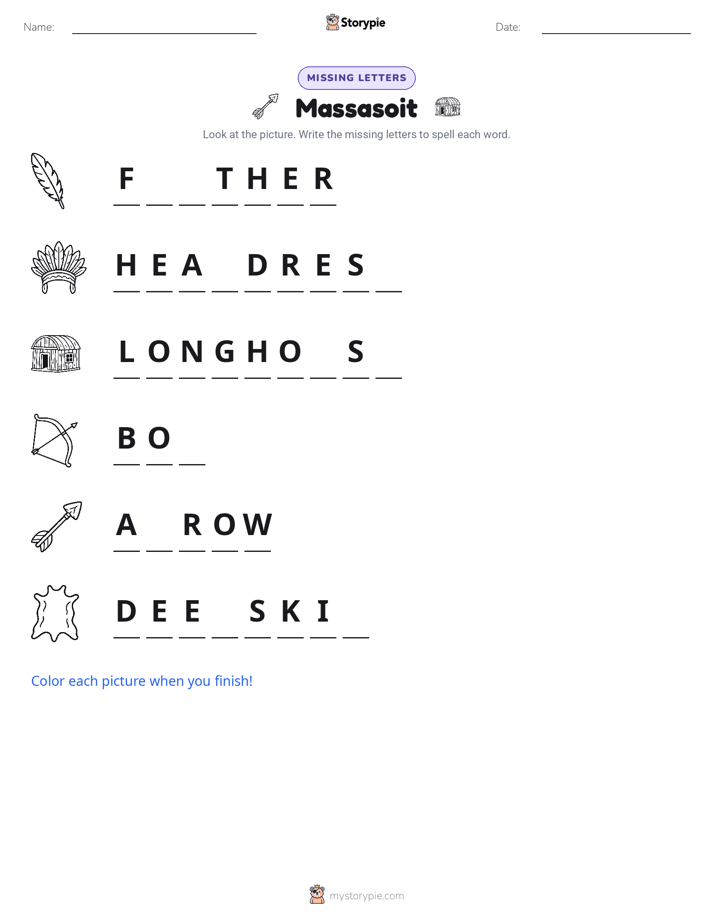
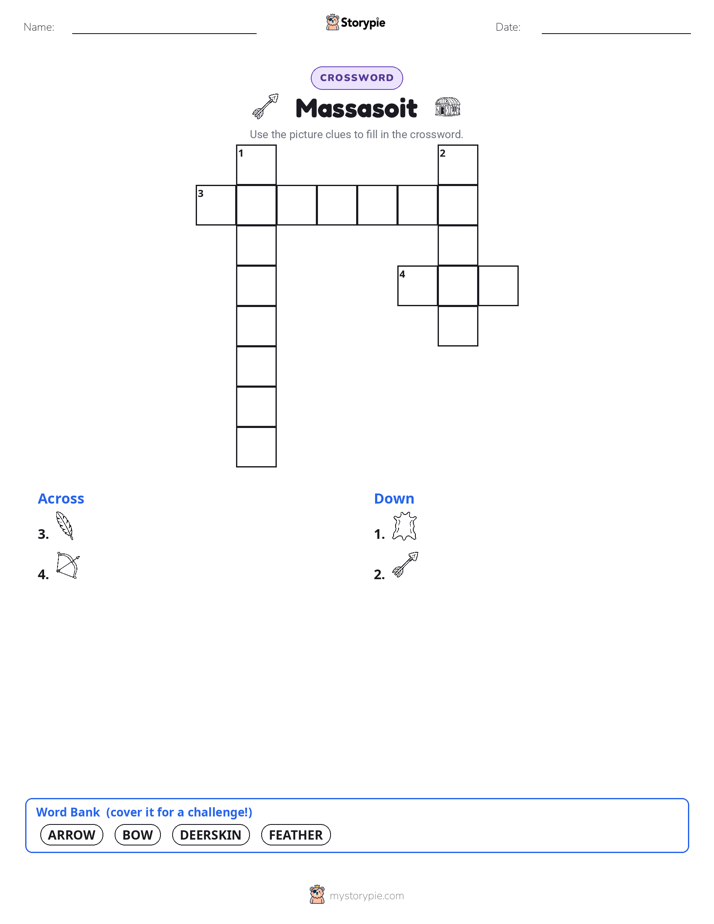
28 worksheets · answer keys · full story · quiz · Ages 10-12 · CEFR B2
Plus adds 102,000+ more stories in 27 languages, audio for every one, and printables for all of them.
Just want Massasoit?
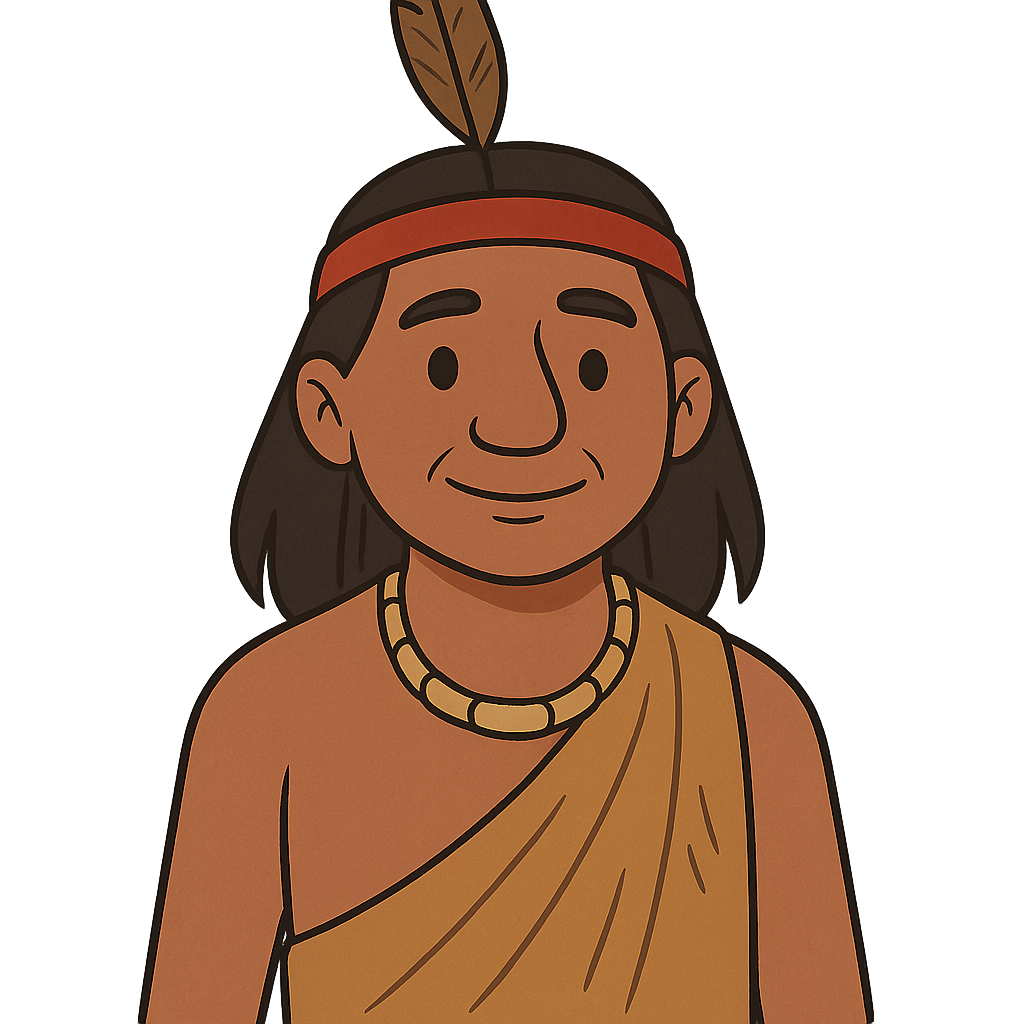
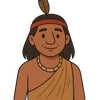
My people know me as Massasoit, but my given name is Ousamequin, which means 'Yellow Feather.' I am the sachem, the great leader, of the Wampanoag people. For generations, we have lived in our home, Pokanoket, a land of forests, rivers, and shores that today is part of Rhode Island and Massachusetts. We lived in balance with the seasons, but our world was forever changed between the years 1616 and 1619. A terrible sickness, one we had never seen before, swept through our many villages. It moved faster than any warrior and could not be stopped by any medicine we knew. The Great Dying, as it came to be called, took many of my people, leaving our communities smaller and our hearts heavy with loss. This tragedy weakened us greatly, making us vulnerable to our rivals.
In the cold winter of 1620, a new and unexpected sight appeared off our shores: a great wooden ship, which the newcomers called the Mayflower. These English strangers were not the first Europeans we had seen, but they were different. They came with their families and began to build a permanent settlement. I watched them with great caution. My first duty as sachem was to protect the Wampanoag, and I needed to understand their intentions. The sickness had left us with few warriors, while our powerful rivals, the Narragansett tribe, had been spared and remained strong. An alliance with these newcomers could help protect us. I observed them as they struggled through that first harsh winter, losing many of their own people to hunger and cold. In the spring of 1621, I decided the time was right to make contact. I first sent a brave envoy named Samoset to greet them, and later, Tisquantum, whom the English called Squanto, who could speak their language well.
Massasoit: A Leader for Peace
My people know me as Massasoit, but my given name is Ousamequin, which means 'Yellow Feather.' I am the sachem, the great leader, of the Wampanoag people. For generations, we have lived in our home, Pokanoket, a land of forests, rivers, and shores that today is part of Rhode Island and Massachusetts. We lived in balance with the seasons, but our world was forever changed between the years 1616 and 1619. A terrible sickness, one we had never seen before, swept through our many villages. It moved faster than any warrior and could not be stopped by any medicine we knew. The Great Dying, as it came to be called, took many of my people, leaving our communities smaller and our hearts heavy with loss. This tragedy weakened us greatly, making us vulnerable to our rivals.
In the cold winter of 1620, a new and unexpected sight appeared off our shores: a great wooden ship, which the newcomers called the Mayflower. These English strangers were not the first Europeans we had seen, but they were different. They came with their families and began to build a permanent settlement. I watched them with great caution. My first duty as sachem was to protect the Wampanoag, and I needed to understand their intentions. The sickness had left us with few warriors, while our powerful rivals, the Narragansett tribe, had been spared and remained strong. An alliance with these newcomers could help protect us. I observed them as they struggled through that first harsh winter, losing many of their own people to hunger and cold. In the spring of 1621, I decided the time was right to make contact. I first sent a brave envoy named Samoset to greet them, and later, Tisquantum, whom the English called Squanto, who could speak their language well.
After these initial meetings, I went myself to meet with their governor, John Carver. On March 22nd, 1621, a day that would shape the future for us all, we sat down and forged an important agreement. This was not a casual conversation; it was a formal treaty, a promise between two peoples. We agreed that my people would not harm any of his, and his people would not harm any of mine. It was a simple but powerful pledge of mutual respect. To ensure justice was served, we also agreed that if anyone from either side broke this rule, they would be sent to the other for a fair punishment. Perhaps the most critical part of our treaty was the promise of mutual defense. We vowed to become allies, to help each other if we were ever attacked by our enemies. This treaty became the foundation of our relationship, creating a peace that would last for many years.
To celebrate our survival and our new alliance, we came together in the autumn of 1621 for a great harvest feast. This gathering was more than just a shared meal; it was a symbol of our cooperation and hope for the future. The English had managed a successful harvest, thanks in large part to the guidance of Tisquantum, and we were all grateful for the bounty of the land. I arrived at their settlement with ninety of my warriors, and they welcomed us. For three days, we feasted together, sharing food and friendship. My hunters contributed five deer to the meal, adding to the tables filled with corn, fowl, and other foods. We played games and demonstrated our skills, learning about one another's customs. Today, this event is remembered by many as the 'First Thanksgiving,' a moment of peace between our two worlds.
Keeping that peace was my life's work, but it was a difficult path to walk. As years passed, more and more English settlers arrived, and their settlements began to expand across the land. Their ways were very different from ours, and I worried about what this would mean for our future. There were moments of true friendship, however. I became close with one of the English leaders, Edward Winslow. Around the year 1623, I fell into a serious illness, and many thought I would not survive. But Edward Winslow traveled to my home and used his knowledge to care for me, helping me recover. This act of kindness deepened the trust between us. Still, I could not ignore the growing number of English towns. I often thought about what would happen to my sons, Wamsutta and Metacom, and what kind of world they would inherit. I knew the balance we had found was a fragile one.
I lived to be about 80 years old, and for over forty years, I worked to maintain the peace between the Wampanoag and the English. I passed away around the year 1661. Although the peace I had carefully built did not last forever after I was gone, my efforts were not in vain. I am remembered as a diplomat and a leader who chose a path of cooperation during a time of great uncertainty and change. My story serves as a reminder that even when people come from different worlds with different beliefs, it is possible to find common ground and live together in peace.
Wow facts
About
Massasoit was the sachem (leader) of the Wampanoag people in the early 17th century. He is known for forging a critical alliance with the Pilgrims of Plymouth Colony in 1621, which helped ensure their survival and led to the event known as the first Thanksgiving.
Take a Quiz
Question 1 of 5
Based on the story, what character trait best describes Massasoit's decision to form an alliance with the English settlers?
Explore next


Want to do even more?
Go beyond exploring. Unlock tools that turn every story into real learning.

Storypie Plus for families
Full stories, quizzes, and printables. Nights and car rides, sorted.
- Unlimited audio stories
- Create Mode: your child stars in the story
- Offline downloads
- Printable worksheets & coloring pages

Why Storypie for Schools
Students engaged. Prep in seconds. Evenings back to you.
- Worksheets & Quizzes
- Classroom Management
- Formative Assessment
- Custom Curriculum & Lesson Plans
- 27 Languages

Why Storypie for Homeschool
Curriculum done. They'll ask for more. Hours back in your day.
- Worksheet Generator
- First-Person Audio Stories
- Built-in Comprehension Quizzes
- Custom Curriculum & Lesson Plans
- Print & Go Activities