English

Patricia Bath
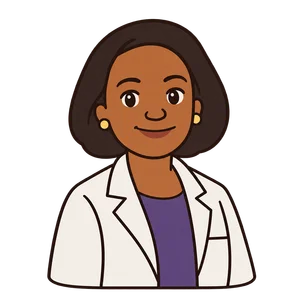
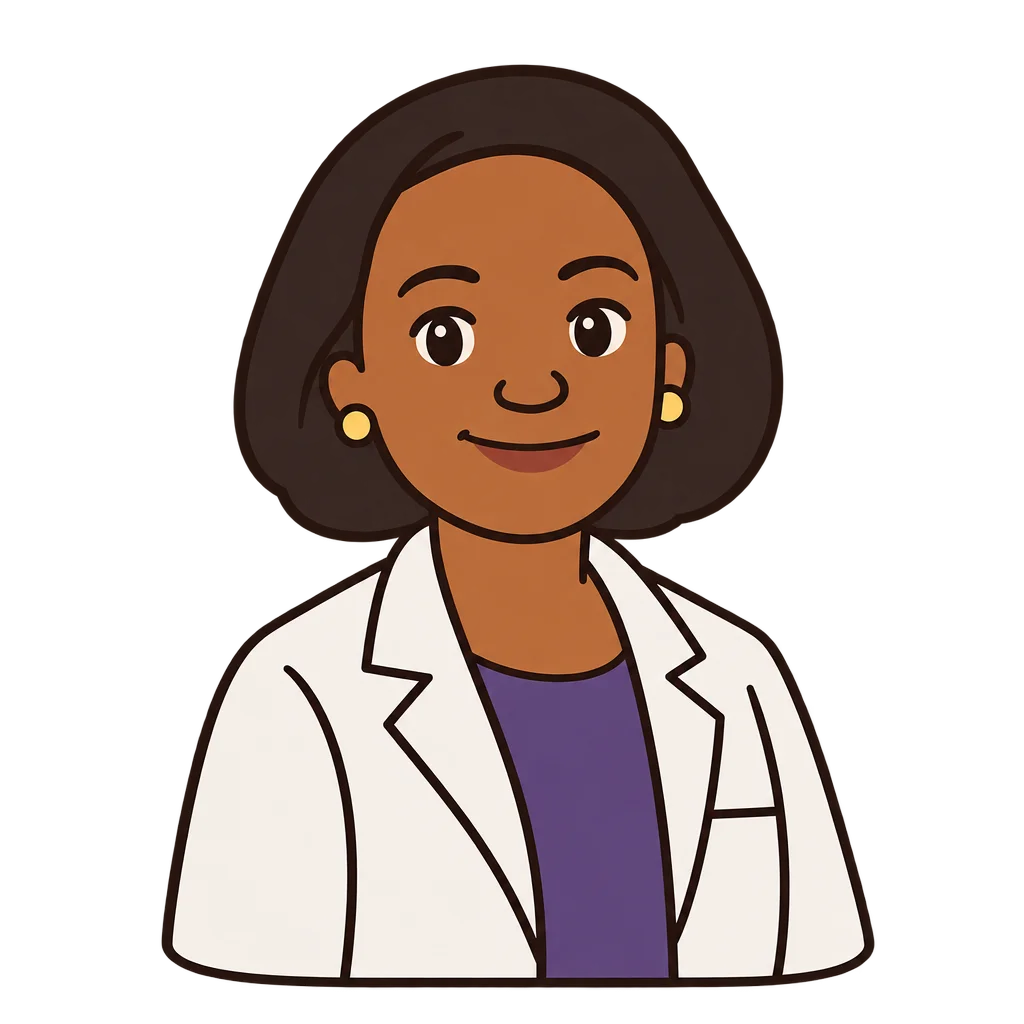
Patricia Bath was an American ophthalmologist, inventor, and academic.
Reads at Grades K-2 Listens at K–3
Print & create
Answer keys·No prep·Free with an account
28 worksheets · answer keys · full story · quiz · Ages 6-8 · CEFR A2
Plus adds 290,000+ more stories in 27 languages, audio for every one, and printables for all of them.
Just want Patricia Bath?
Hello. My name is Patricia Bath, and I want to tell you my story. I was born in a busy part of New York City called Harlem on November 4th, 1942. I had wonderful parents who always told me to dream big and work hard. One day, they gave me a chemistry set as a gift. Mixing the colorful chemicals and watching them bubble and change was like magic. That special gift made me fall in love with science, and I knew I wanted to spend my life discovering new things.
I always worked very hard in school because I loved learning. In 1959, when I was still a teenager, I was chosen for a special summer program all about science. It was so exciting. That experience helped me know for sure that I wanted to become a doctor. I went to a school called Howard University to study medicine, and in 1968, I officially became a doctor. While I was working, I noticed something that worried me. Many people who were poor or who were Black had more problems with their eyesight than others. I knew in my heart that this wasn't fair, and I decided I had to do something to help.
I became a special kind of doctor who takes care of eyes, called an ophthalmologist. I wanted to make sure everyone could get help, not just people who lived near a doctor's office. So, in 1976, I came up with an idea I called 'community ophthalmology'. It was a simple but powerful idea: if people couldn't come to the eye doctor, then the eye doctor should go to them. I believed that good eye care should be for everyone, no matter who they were or where they lived. My goal was to bring help right into their neighborhoods.
Patricia Bath: A Vision for Helping
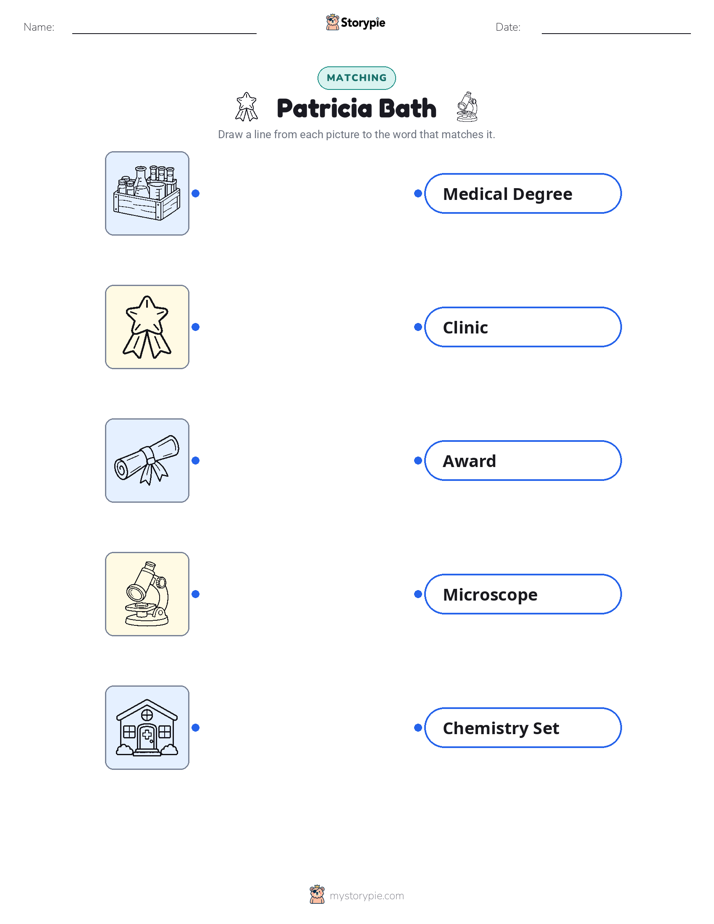
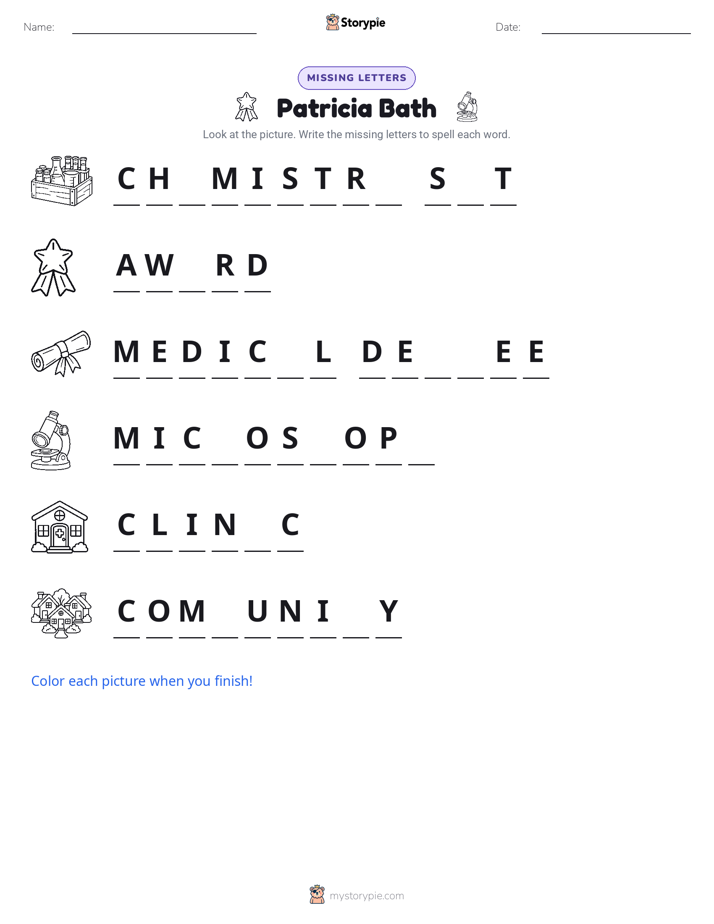
Hello. My name is Patricia Bath, and I want to tell you my story. I was born in a busy part of New York City called Harlem on November 4th, 1942. I had wonderful parents who always told me to dream big and work hard. One day, they gave me a chemistry set as a gift. Mixing the colorful chemicals and watching them bubble and change was like magic. That special gift made me fall in love with science, and I knew I wanted to spend my life discovering new things.
I always worked very hard in school because I loved learning. In 1959, when I was still a teenager, I was chosen for a special summer program all about science. It was so exciting. That experience helped me know for sure that I wanted to become a doctor. I went to a school called Howard University to study medicine, and in 1968, I officially became a doctor. While I was working, I noticed something that worried me. Many people who were poor or who were Black had more problems with their eyesight than others. I knew in my heart that this wasn't fair, and I decided I had to do something to help.
I became a special kind of doctor who takes care of eyes, called an ophthalmologist. I wanted to make sure everyone could get help, not just people who lived near a doctor's office. So, in 1976, I came up with an idea I called 'community ophthalmology'. It was a simple but powerful idea: if people couldn't come to the eye doctor, then the eye doctor should go to them. I believed that good eye care should be for everyone, no matter who they were or where they lived. My goal was to bring help right into their neighborhoods.
My biggest idea came to me when I was thinking about a problem called a cataract. A cataract is like a little cloudy window that forms in your eye, making it hard to see. Many people were losing their sight because of it. In 1981, I had a bright idea to use a laser, which is a special kind of light beam, to gently clean that cloudy window. I worked on my idea for many years to make it perfect and safe. Finally, in 1988, I received a patent for my invention, the Laserphaco Probe. A patent means the idea was all mine. I was so proud to be the very first African American woman doctor to receive a patent for a medical invention.
My invention, the Laserphaco Probe, has helped people all over the world see clearly again. It feels wonderful to know that because of my idea, someone can see a beautiful sunset or the face of a person they love. I also helped start the American Institute for the Prevention of Blindness to keep helping people protect their eyesight. I lived to be 76 years old, and I am so happy that my work gave the gift of sight back to so many. I hope my story shows you that if you have a dream to help others, you can find a way to make it come true.
Wow facts
About
Patricia Bath was an American ophthalmologist, inventor, and academic. She was the first African American female doctor to receive a patent for a medical purpose for her invention, the Laserphaco Probe for cataract treatment.
Take a Quiz
Question 1 of 4
What gift from her parents made Patricia fall in love with science?
Explore next






Want to do even more?
Go beyond exploring. Unlock tools that turn every story into real learning.

Storypie Plus for families
Full stories, quizzes, and printables. Nights and car rides, sorted.
- Unlimited audio stories
- Create Mode: your child stars in the story
- Offline downloads
- Printable worksheets & coloring pages

Why Storypie for Schools
Students engaged. Prep in seconds. Evenings back to you.
- Worksheets & Quizzes
- Classroom Management
- Formative Assessment
- Custom Curriculum & Lesson Plans
- 27 Languages

Why Storypie for Homeschool
Curriculum done. They'll ask for more. Hours back in your day.
- Worksheet Generator
- First-Person Audio Stories
- Built-in Comprehension Quizzes
- Custom Curriculum & Lesson Plans
- Print & Go Activities