English

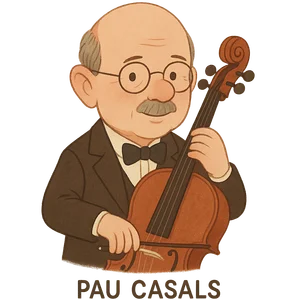
Pau Casals
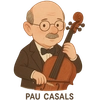
Pau Casals was a world-renowned Spanish Catalan cellist, conductor, and composer…
Reads at Grades 3–5 Listens at Grades 1–5
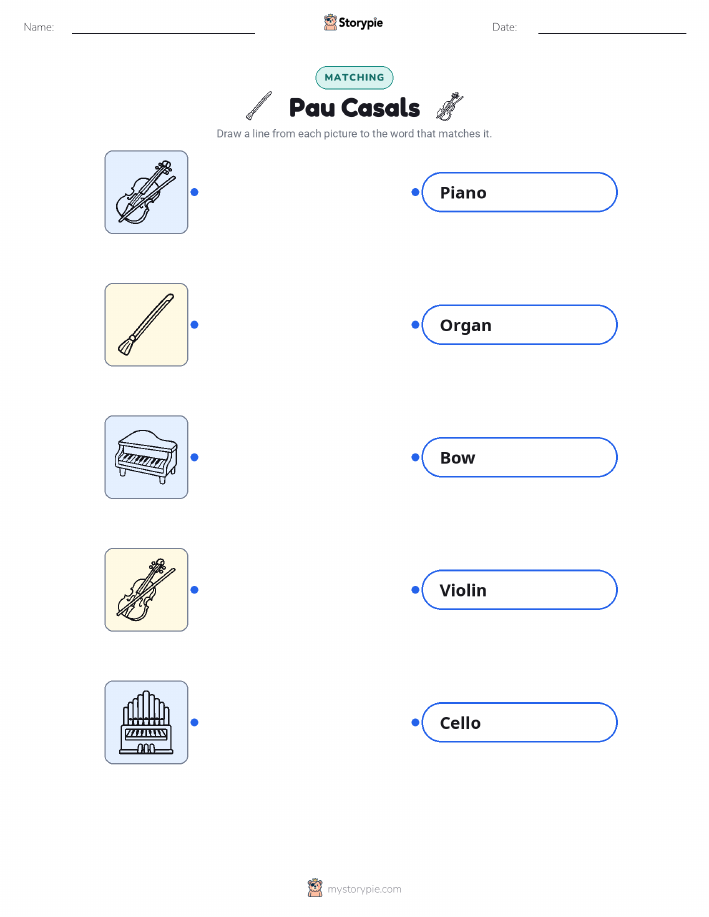
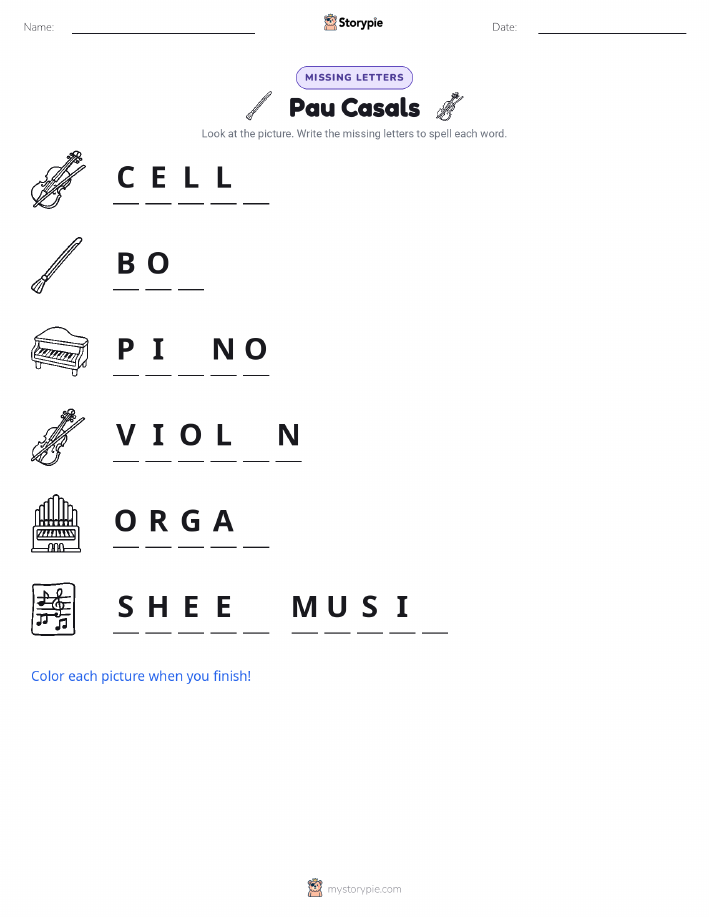
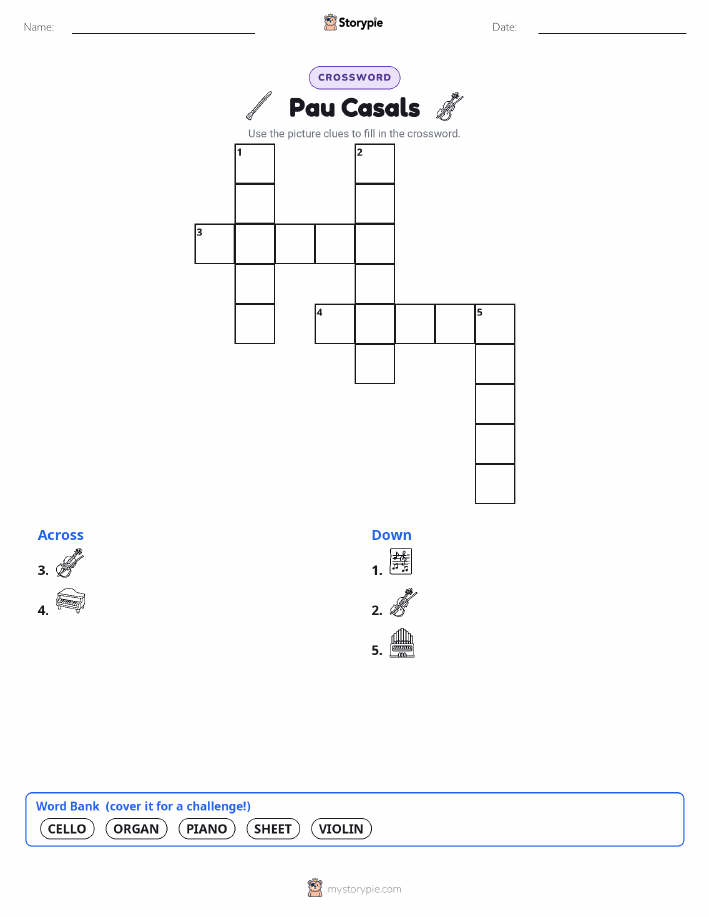
Print & create
Answer keys·No prep·Free with an account
28 worksheets · answer keys · full story · quiz · Ages 8-10 · CEFR B1
Plus adds 280,000+ more stories in 27 languages, audio for every one, and printables for all of them.
Just want Pau Casals?
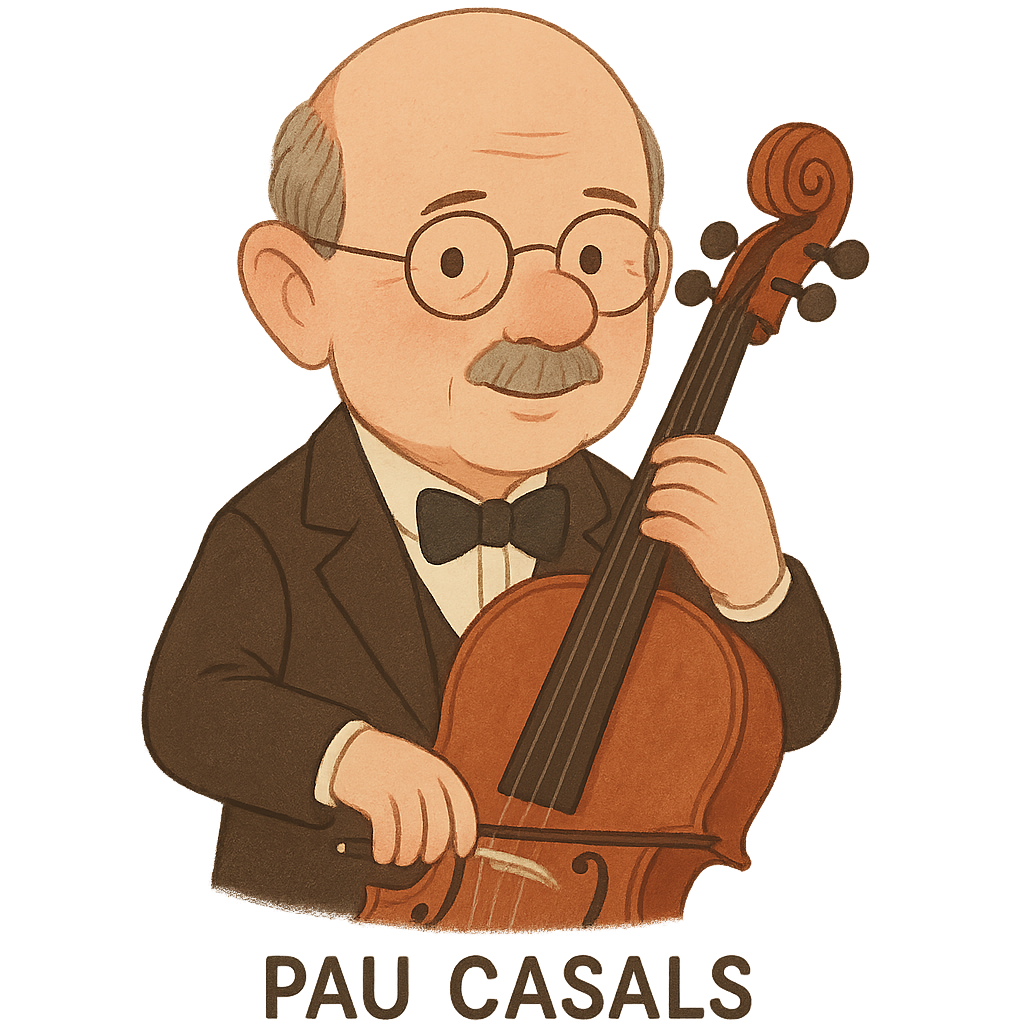
Hello! My name is Pau Casals, and I want to tell you the story of my life and my best friend: my cello. I was born on December 29th, 1876, in a small town in Catalonia, Spain, called El Vendrell. My father was a musician, so our home was always filled with beautiful sounds. From a young age, music felt like the air I breathed. When I was just 11 years old, in 1888, I went to a concert and saw a cello for the very first time. The deep, rich sound of the instrument spoke to me in a way nothing ever had before. In that moment, I knew I had found the instrument for me. It felt like I had discovered my own voice, a way to share all the feelings I had inside me with the world.
I was so excited that I began to practice for hours and hours every single day. My family saw how serious I was, and they decided to move to the big city of Barcelona so I could study music with the best teachers. It was a big change for us, but they believed in me. One day, around the year 1890, when I was 13 years old, I was wandering through the city and stopped at an old music shop. As I looked through stacks of dusty sheet music, I found a collection of pieces I had never seen before. It was the Six Cello Suites by a composer named Johann Sebastian Bach. At that time, most musicians didn't know about them, and they were almost never played. But as I started to practice them, I realized I had discovered the most beautiful music I had ever heard. I treasured them, and I practiced those suites every day for the next 12 years before I finally felt brave enough to play them for other people.
Pau Casals: The Cello's Voice for Peace
Hello! My name is Pau Casals, and I want to tell you the story of my life and my best friend: my cello. I was born on December 29th, 1876, in a small town in Catalonia, Spain, called El Vendrell. My father was a musician, so our home was always filled with beautiful sounds. From a young age, music felt like the air I breathed. When I was just 11 years old, in 1888, I went to a concert and saw a cello for the very first time. The deep, rich sound of the instrument spoke to me in a way nothing ever had before. In that moment, I knew I had found the instrument for me. It felt like I had discovered my own voice, a way to share all the feelings I had inside me with the world.
I was so excited that I began to practice for hours and hours every single day. My family saw how serious I was, and they decided to move to the big city of Barcelona so I could study music with the best teachers. It was a big change for us, but they believed in me. One day, around the year 1890, when I was 13 years old, I was wandering through the city and stopped at an old music shop. As I looked through stacks of dusty sheet music, I found a collection of pieces I had never seen before. It was the Six Cello Suites by a composer named Johann Sebastian Bach. At that time, most musicians didn't know about them, and they were almost never played. But as I started to practice them, I realized I had discovered the most beautiful music I had ever heard. I treasured them, and I practiced those suites every day for the next 12 years before I finally felt brave enough to play them for other people.
After many years of hard work, I began to share my music with the world. I traveled on big ships and trains to perform in concert halls far from my home, from America all the way to Russia. It was thrilling to play my cello for huge audiences and see the joy on their faces. In 1905, I formed a famous musical group with two of my good friends, the talented pianist Alfred Cortot and the wonderful violinist Jacques Thibaud. Together, we played music that touched people’s hearts. Many people said that I changed the way the cello was played, making it a star instrument that could sing on its own instead of just playing in the background. For me, it was always simple. I just wanted to share the powerful feelings in the music—the joy, the sadness, and the incredible beauty.
My life was not only about music; it was also about what I believed in. In 1936, a terrible war, the Spanish Civil War, began in my beloved home country. It was a sad and frightening time for everyone. When the war ended in 1939, a new government came to power that I felt was very unfair to my people. My heart told me I had to do something. I believed so strongly in freedom and peace that I made a very difficult decision. I left Spain and promised not to perform in public in any country that supported the new government. I chose to use my silence as a message for peace. For many years, my cello was quiet. Then, on October 24th, 1971, I broke my promise for a very special reason. I played at the United Nations, an organization that works for world peace. I chose a Catalan folk song called 'El Cant dels Ocells,' which means 'Song of the Birds,' because birds fly freely across all borders and sing for peace.
I spent the final years of my life in Puerto Rico, a place I grew to love. There, I continued to share my passion for music by teaching young students and starting music festivals. I lived to be 96 years old, and my life came to an end in 1973. People today remember me not just for my music, but for my courage in standing up for my beliefs. I hope my story shows you that music is more than just notes on a page; it is a way to connect with others and a powerful voice for peace and hope in our world.
Wow facts
About
Pau Casals was a world-renowned Spanish Catalan cellist, conductor, and composer, celebrated for his virtuosic performances and his firm public stance for peace and democracy, most notably his opposition to the Franco regime in Spain.
Take a Quiz
Question 1 of 5
What was the name of the special music Pau Casals found in a shop when he was 13?
Explore next






Want to do even more?
Go beyond exploring. Unlock tools that turn every story into real learning.

Storypie Plus for families
Full stories, quizzes, and printables. Nights and car rides, sorted.
- Unlimited audio stories
- Create Mode: your child stars in the story
- Offline downloads
- Printable worksheets & coloring pages

Why Storypie for Schools
Students engaged. Prep in seconds. Evenings back to you.
- Worksheets & Quizzes
- Classroom Management
- Formative Assessment
- Custom Curriculum & Lesson Plans
- 27 Languages

Why Storypie for Homeschool
Curriculum done. They'll ask for more. Hours back in your day.
- Worksheet Generator
- First-Person Audio Stories
- Built-in Comprehension Quizzes
- Custom Curriculum & Lesson Plans
- Print & Go Activities