English

Qin Shi Huang
The founder of the Qin dynasty and the first emperor of a unified China from 221 BCE to 210 BCE.
Reads at Grades 6–8 Listens at Grades 4–8
Print & create
Answer keys·No prep·Free with an account
28 worksheets · answer keys · full story · quiz · Ages 10-12 · CEFR B2
Plus adds 102,000+ more stories in 27 languages, audio for every one, and printables for all of them.
Just want Qin Shi Huang?
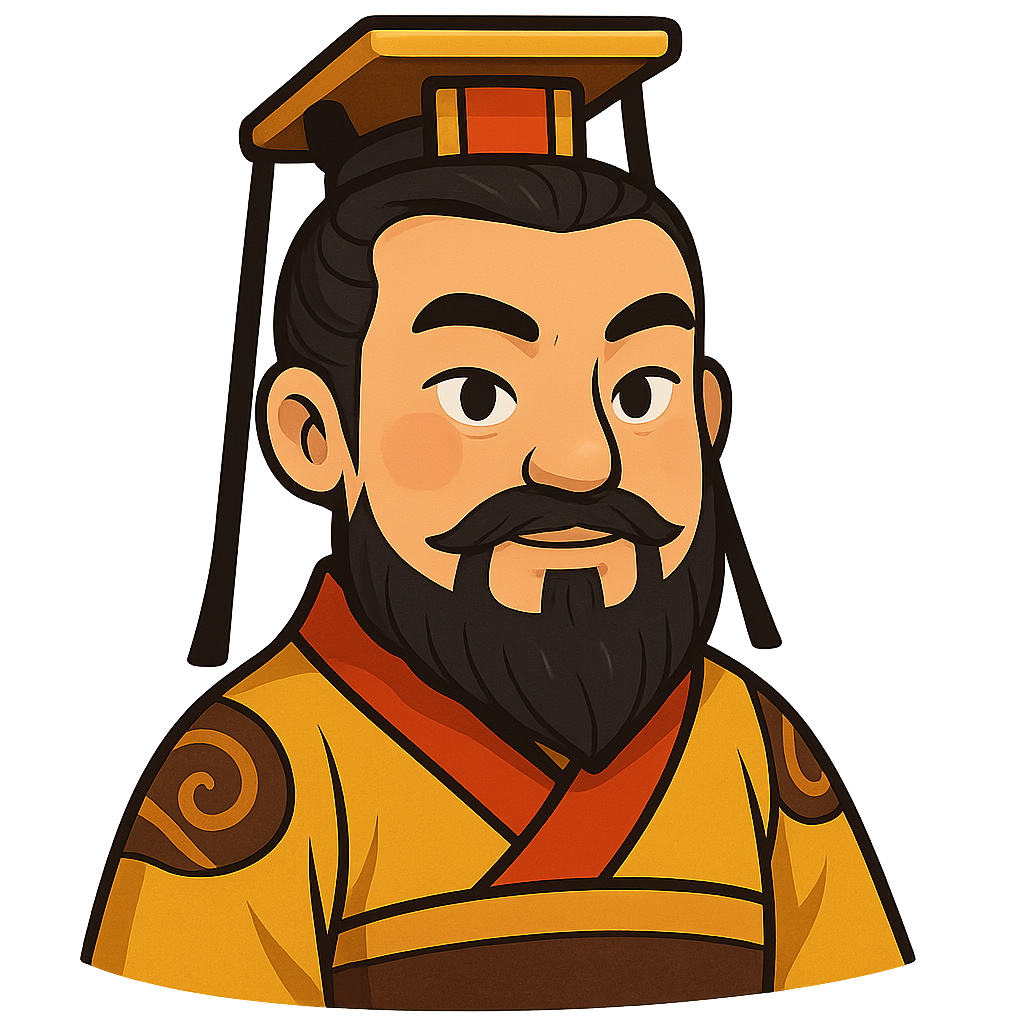
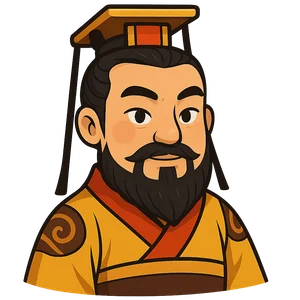
Hello! My name is Ying Zheng, but the world would come to know me as Qin Shi Huang, the First Emperor of China. I was born in the year 259 BCE, during a very chaotic time known as the Warring States Period. Imagine the land split into seven separate kingdoms, all constantly fighting each other. I was born a prince of the state of Qin, one of these seven kingdoms. When I was just 13 years old, in 246 BCE, my father passed away, and I became the King of Qin. Even as a young boy, I had a very big dream: to end the endless fighting and unite all the kingdoms into one single, powerful nation.
My dream was not an easy one to achieve. It took many years of careful planning, building a strong army, and leading my soldiers into difficult battles. For over two decades, my armies marched across the land. One by one, we conquered the other six states: Han, Zhao, Wei, Chu, Yan, and Qi. It was a long and challenging campaign, but my resolve never weakened. Finally, in the year 221 BCE, the last rival kingdom fell. For the first time in centuries, the land was united. To mark this incredible achievement, I took a new title for myself, one no one had ever used before: 'Qin Shi Huang.' It means 'First Emperor of Qin,' and it declared to everyone that a new era had begun.
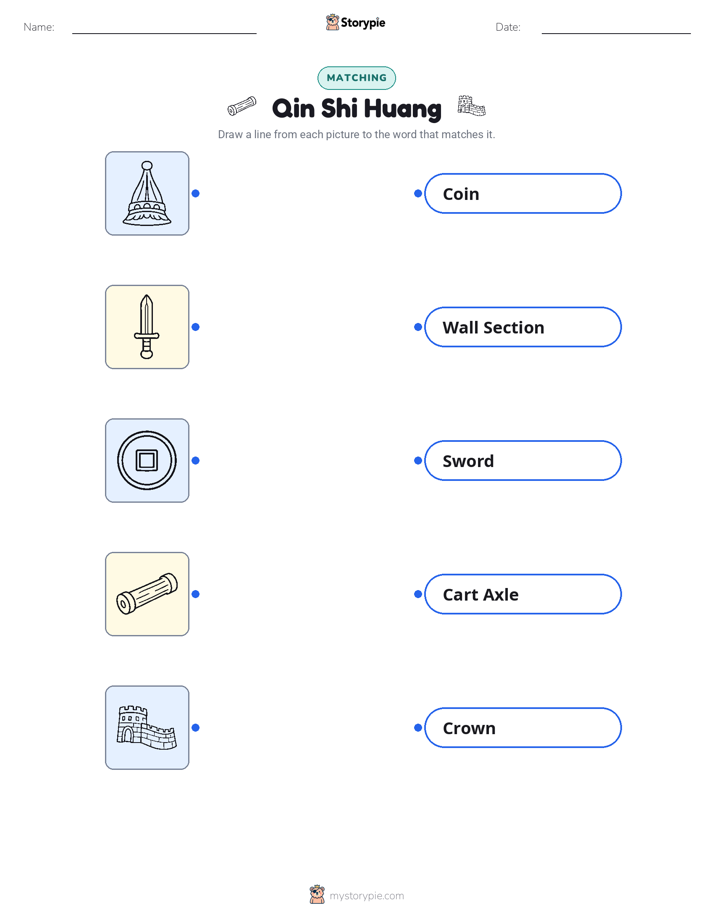
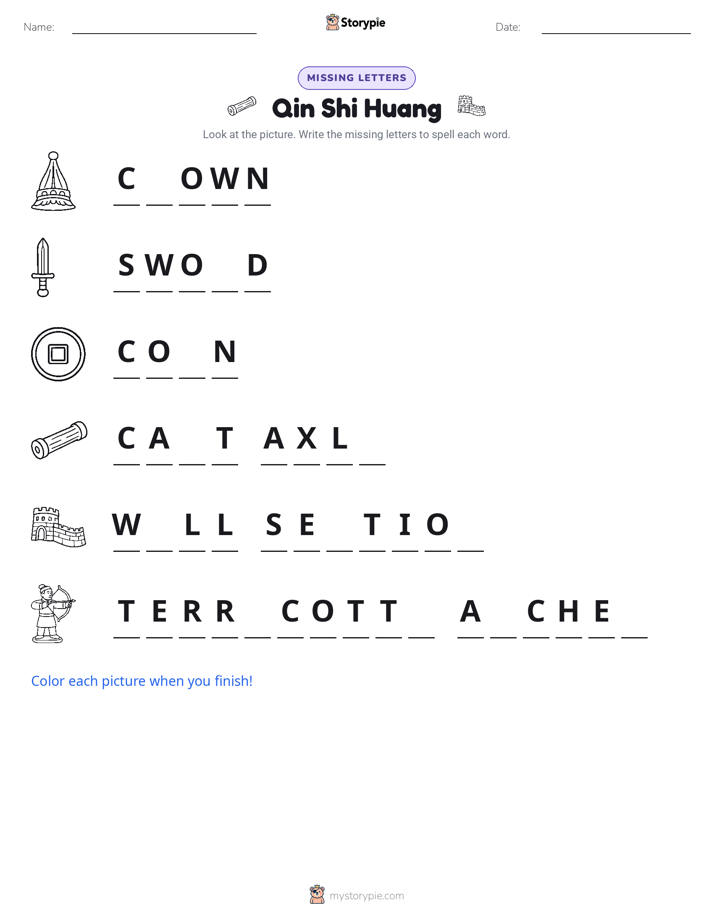
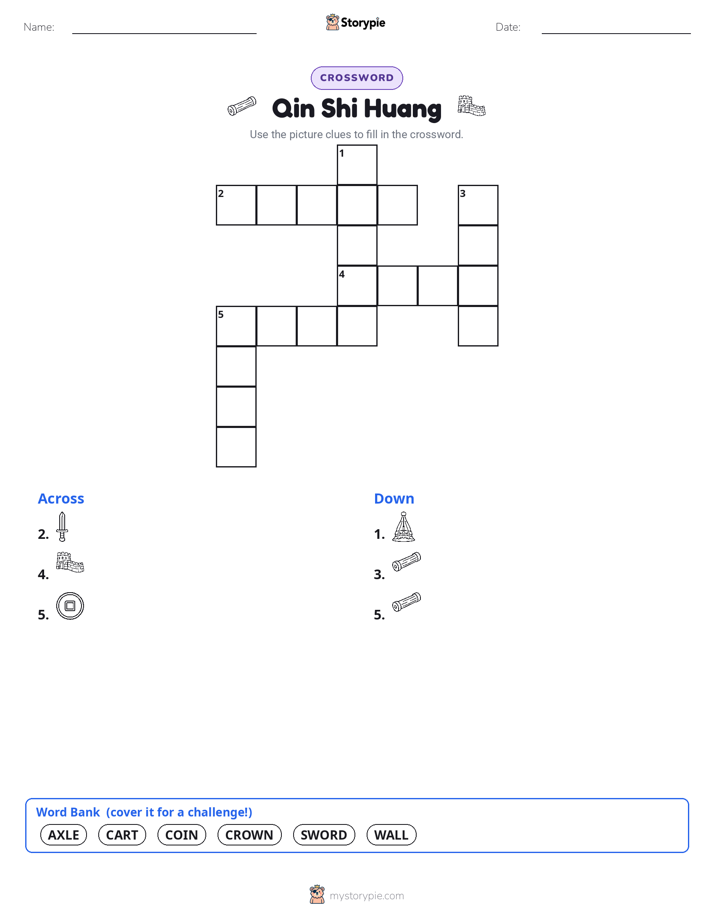
Uniting the kingdoms was only the first step; keeping them together was the real challenge. I knew I had to make everyone feel like part of the same empire. So, I created standards for everyone to follow. I made sure all writing used the same characters, so people from different regions could communicate. I created a single type of currency—round coins with a square hole—so trade would be easier. I even ordered that the axles of all carts be the same width, so they would fit in the ruts of the new roads we built across the empire. To protect our newly unified home from invaders in the north, around 221 BCE I ordered a massive project: to connect many smaller, older walls into one Great Wall. It was a huge undertaking, but it was necessary for the safety of my people.
Qin Shi Huang: The First Emperor of China
Hello! My name is Ying Zheng, but the world would come to know me as Qin Shi Huang, the First Emperor of China. I was born in the year 259 BCE, during a very chaotic time known as the Warring States Period. Imagine the land split into seven separate kingdoms, all constantly fighting each other. I was born a prince of the state of Qin, one of these seven kingdoms. When I was just 13 years old, in 246 BCE, my father passed away, and I became the King of Qin. Even as a young boy, I had a very big dream: to end the endless fighting and unite all the kingdoms into one single, powerful nation.
My dream was not an easy one to achieve. It took many years of careful planning, building a strong army, and leading my soldiers into difficult battles. For over two decades, my armies marched across the land. One by one, we conquered the other six states: Han, Zhao, Wei, Chu, Yan, and Qi. It was a long and challenging campaign, but my resolve never weakened. Finally, in the year 221 BCE, the last rival kingdom fell. For the first time in centuries, the land was united. To mark this incredible achievement, I took a new title for myself, one no one had ever used before: 'Qin Shi Huang.' It means 'First Emperor of Qin,' and it declared to everyone that a new era had begun.
Uniting the kingdoms was only the first step; keeping them together was the real challenge. I knew I had to make everyone feel like part of the same empire. So, I created standards for everyone to follow. I made sure all writing used the same characters, so people from different regions could communicate. I created a single type of currency—round coins with a square hole—so trade would be easier. I even ordered that the axles of all carts be the same width, so they would fit in the ruts of the new roads we built across the empire. To protect our newly unified home from invaders in the north, around 221 BCE I ordered a massive project: to connect many smaller, older walls into one Great Wall. It was a huge undertaking, but it was necessary for the safety of my people.
As I grew older, I thought a lot about what would happen after my life. I wanted to be protected in the afterlife just as I was in this one. So, I commanded the creation of a magnificent tomb for myself, larger than any that had come before. The most amazing part was what I had built to guard it: a secret, silent army. Craftsmen created more than 8,000 life-sized soldiers out of terracotta clay. Each soldier was unique, with his own face, armor, and weapons. There were archers, infantrymen, and generals, all standing in formation, ready for battle. They were joined by clay horses and real chariots, a silent legion to protect me for eternity.
I lived to be 49 years old and passed away in 210 BCE while touring my empire. My dynasty, the Qin, did not last long after me, but the idea of a unified China did. I am remembered as a powerful and determined ruler who ended an era of war and created a single nation. Some of my methods were very strict, and my rule was harsh, but the systems I put in place, from the writing to the Great Wall, shaped the future of China for thousands of years. Today, people from all over the world come to see the incredible Terracotta Army, the silent guardians who still stand watch, a reminder of the First Emperor of China.
Wow facts
About
The founder of the Qin dynasty and the first emperor of a unified China from 221 BCE to 210 BCE. He is known for major legal and cultural reforms, as well as massive construction projects including the precursor to the Great Wall and the Terracotta Army.
Take a Quiz
Question 1 of 5
What was Qin Shi Huang's primary goal when he became king?
Explore next




Want to do even more?
Go beyond exploring. Unlock tools that turn every story into real learning.

Storypie Plus for families
Full stories, quizzes, and printables. Nights and car rides, sorted.
- Unlimited audio stories
- Create Mode: your child stars in the story
- Offline downloads
- Printable worksheets & coloring pages

Why Storypie for Schools
Students engaged. Prep in seconds. Evenings back to you.
- Worksheets & Quizzes
- Classroom Management
- Formative Assessment
- Custom Curriculum & Lesson Plans
- 27 Languages

Why Storypie for Homeschool
Curriculum done. They'll ask for more. Hours back in your day.
- Worksheet Generator
- First-Person Audio Stories
- Built-in Comprehension Quizzes
- Custom Curriculum & Lesson Plans
- Print & Go Activities