English

Queen Seondeok of Silla
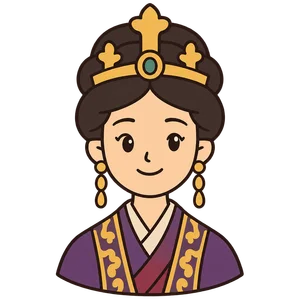
The first reigning queen of Silla, one of the Three Kingdoms of Korea, who ruled from 632 to 647 CE.
Reads at Grades 6–8 Listens at Grades 4–8
Print & create
Answer keys·No prep·Free with an account
28 worksheets · answer keys · full story · quiz · Ages 10-12 · CEFR B2
Plus adds 290,000+ more stories in 27 languages, audio for every one, and printables for all of them.
Just want Queen Seondeok of Silla?
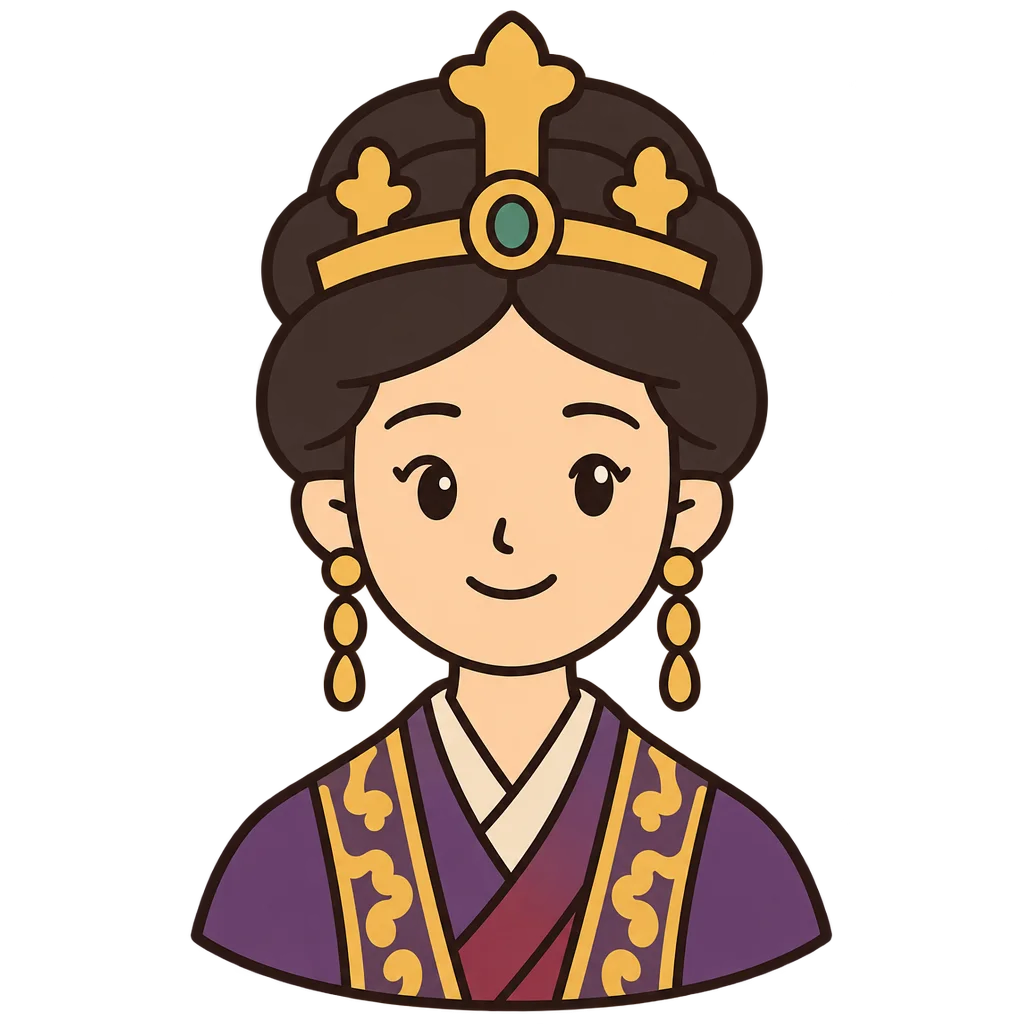
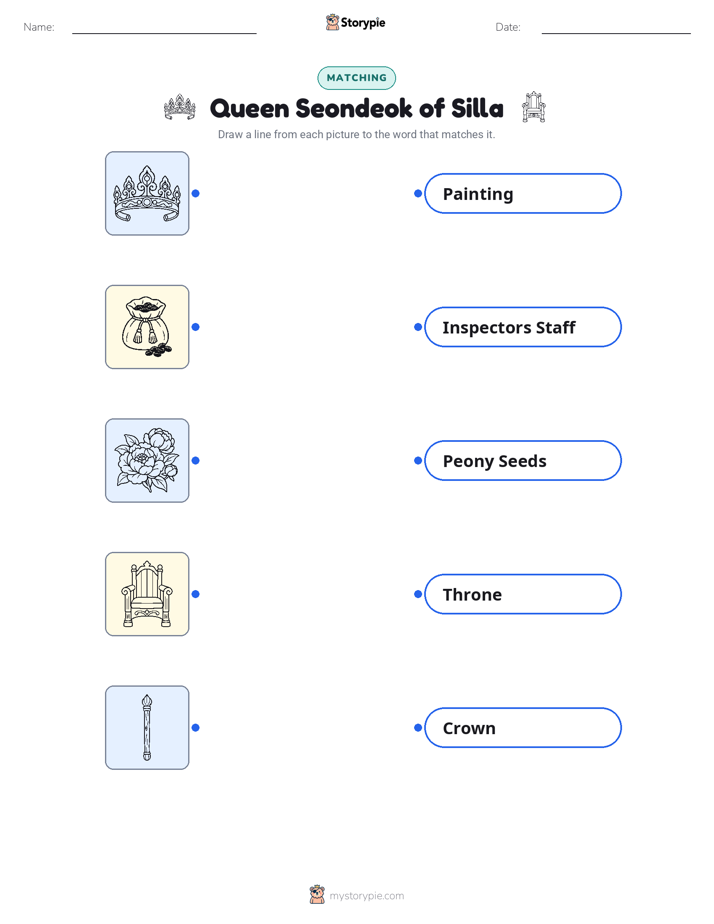
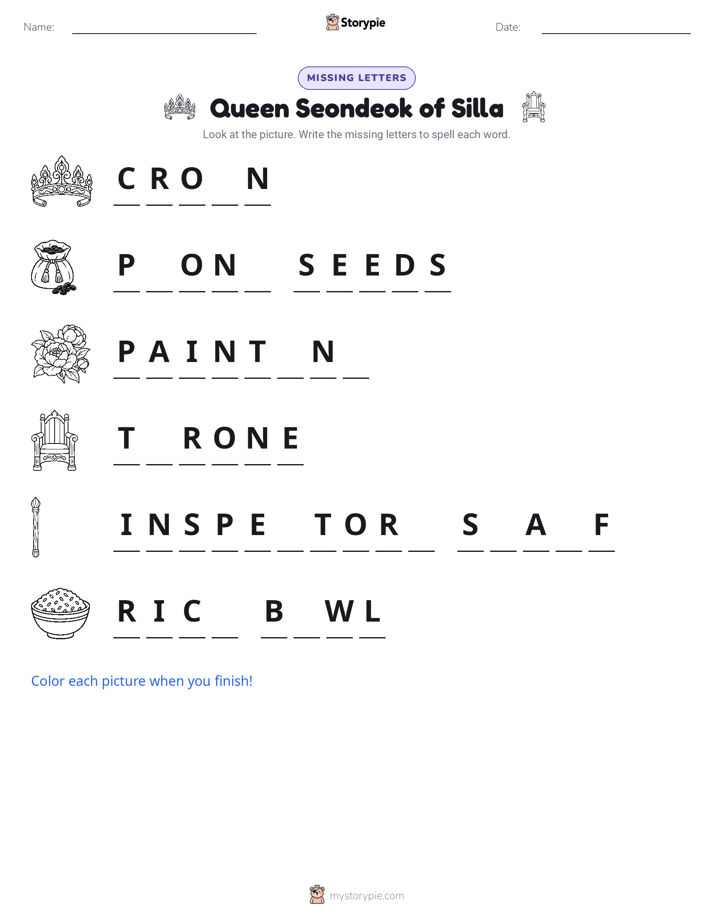
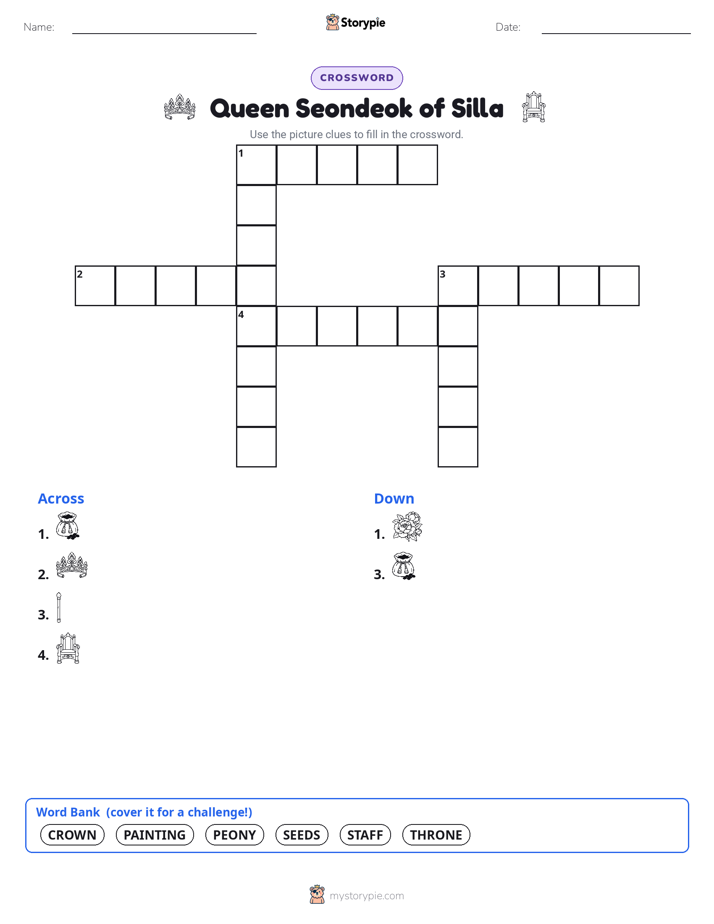
Hello. My name is Princess Deokman, but history remembers me by the name I took when I became a ruler: Queen Seondeok of Silla. I grew up during the 7th century in our kingdom's magnificent capital, Seorabeol. It was a time of great change and culture on the Korean peninsula. My father was King Jinpyeong, a respected and powerful king. However, he had no sons to inherit his throne, which presented a unique situation for our kingdom. In Silla, society was structured by a strict ranking system we called the 'bone-rank system.' My family was of the 'seonggol,' or 'sacred bone,' which was the highest rank possible. This special status meant that if there were no male heirs, a woman from the 'seonggol' line was permitted to rule. From the time I was young, people often remarked on how clever I was. There is a famous story that illustrates this. The Emperor of Tang China sent my father a gift of peony seeds along with a beautiful painting of the flowers. As I studied the painting, I noticed there were no butterflies or bees fluttering around the blossoms. From this simple observation, I predicted that when the seeds grew, the flowers would have no scent. And I was right.
When my dear father, the king, passed away in the year 632, the responsibility of leading our kingdom fell to me. I became the first reigning queen of Silla, a position that was both a great honor and a tremendous challenge. My path was not an easy one, as not everyone in the court was pleased to be led by a woman. Some powerful nobles and officials believed a queen could not govern effectively and whispered that our kingdom would grow weak under my rule. They spread doubt and questioned my authority simply because I was not a man. I was determined to prove them all wrong, not with words, but with my actions. I turned my full attention and heart to the well-being of my people. I sent royal inspectors to every corner of the kingdom to check on the welfare of the poor, the widowed, and those who were lonely and needed help. When our lands were struck by terrible droughts and the crops failed, I ordered that taxes be lowered for the struggling farmers. I made it my mission to ensure that no one in my kingdom went hungry, distributing food from the royal storehouses. I wanted to build a Silla that was known not only for the strength of its armies but also for the depth of its kindness and compassion.
Queen Seondeok of Silla
Hello. My name is Princess Deokman, but history remembers me by the name I took when I became a ruler: Queen Seondeok of Silla. I grew up during the 7th century in our kingdom's magnificent capital, Seorabeol. It was a time of great change and culture on the Korean peninsula. My father was King Jinpyeong, a respected and powerful king. However, he had no sons to inherit his throne, which presented a unique situation for our kingdom. In Silla, society was structured by a strict ranking system we called the 'bone-rank system.' My family was of the 'seonggol,' or 'sacred bone,' which was the highest rank possible. This special status meant that if there were no male heirs, a woman from the 'seonggol' line was permitted to rule. From the time I was young, people often remarked on how clever I was. There is a famous story that illustrates this. The Emperor of Tang China sent my father a gift of peony seeds along with a beautiful painting of the flowers. As I studied the painting, I noticed there were no butterflies or bees fluttering around the blossoms. From this simple observation, I predicted that when the seeds grew, the flowers would have no scent. And I was right.
When my dear father, the king, passed away in the year 632, the responsibility of leading our kingdom fell to me. I became the first reigning queen of Silla, a position that was both a great honor and a tremendous challenge. My path was not an easy one, as not everyone in the court was pleased to be led by a woman. Some powerful nobles and officials believed a queen could not govern effectively and whispered that our kingdom would grow weak under my rule. They spread doubt and questioned my authority simply because I was not a man. I was determined to prove them all wrong, not with words, but with my actions. I turned my full attention and heart to the well-being of my people. I sent royal inspectors to every corner of the kingdom to check on the welfare of the poor, the widowed, and those who were lonely and needed help. When our lands were struck by terrible droughts and the crops failed, I ordered that taxes be lowered for the struggling farmers. I made it my mission to ensure that no one in my kingdom went hungry, distributing food from the royal storehouses. I wanted to build a Silla that was known not only for the strength of its armies but also for the depth of its kindness and compassion.
I firmly believed that a truly great kingdom must nourish the minds and spirits of its people, not just their bodies. The teachings of Buddhism were deeply important in Silla, and I made it a priority to support this faith. I sponsored the construction of many beautiful temples, including the famous Bunhwangsa Temple, which was known for its unique brick pagoda. To showcase the strength and spirit of our kingdom, I also commissioned a magnificent nine-story wooden pagoda to be built at the Hwangnyongsa temple. It was designed to be one of the tallest structures in East Asia at the time. However, the project I am perhaps most proud of is a special stone tower we began building around the year 634. We named it Cheomseongdae, which means 'Star-Gazing Tower.' It was an astronomical observatory, a dedicated place for our scholars to watch the moon, the planets, and the stars in their nightly dance across the sky. This was not just for wonder; it served a practical purpose. By studying the stars, our astronomers could better predict the changing of the seasons. This knowledge was vital for our farmers, helping them know the best times to plant their seeds and harvest their crops. To further enrich our kingdom, I also sent our most promising young scholars to Tang China, which was a great center of learning, to study everything they could and bring that advanced knowledge back home to Silla.
My reign was not always a time of peace and construction. I ruled during the Three Kingdoms period, a time when the Korean peninsula was divided. Our neighbors, the kingdoms of Baekje and Goguryeo, often launched attacks on our borders, threatening the safety of my people. Leading a kingdom during wartime was a heavy burden, but I knew I had to be a clever diplomat as well as a ruler. I understood that we could not stand alone against our rivals. Therefore, I worked diligently to form a strong and lasting alliance with the powerful Tang Dynasty in China. This strategic partnership provided us with the support we needed to help protect our kingdom from invasion. My leadership was also strengthened by brave and loyal generals who believed in my ability to rule. The great general Kim Yu-sin was one of my most trusted commanders, and he and his armies defended our kingdom fiercely on the battlefield. Even with these successes, challenges arose from within. Near the end of my rule, a high-ranking noble named Bidam led a rebellion against me. He used the old, tired excuse that 'a woman cannot rule' to justify his grab for power. It was a sad and difficult period, as it forced our people to fight against one another, but my loyal supporters fought hard to protect the throne and ensure the stability of our kingdom.
After reigning for fifteen years, my life came to an end in the year 647, while Bidam's rebellion was still underway. I lived a full life, and every moment of it was dedicated to serving my kingdom and my people. Although I did not live long enough to see it myself, the path of diplomacy and strong leadership that I forged helped Silla to eventually unite the Three Kingdoms, bringing about a new era of peace on the peninsula. I am remembered for commissioning Cheomseongdae, the 'Star-Gazing Tower,' which still stands proudly today as a beautiful symbol of our kingdom's love for science and learning. My reign is also remembered for helping to foster a golden age of art and culture in Silla. Most of all, I hope I am remembered as a queen who cared deeply for her people and who proved that a ruler should be measured by their wisdom, strength, and heart.
Wow facts
About
The first reigning queen of Silla, one of the Three Kingdoms of Korea, who ruled from 632 to 647 CE. She is celebrated for her intelligence, leadership, and support of science and Buddhism. The building of the Cheomseongdae observatory during Queen Seondeok's reign is traditionally thought to be her idea, but some sources say this is just a guess and not definitely proven.
Take a Quiz
Question 1 of 5
What were the main challenges Queen Seondeok faced when she first became the ruler of Silla?
Explore next




Want to do even more?
Go beyond exploring. Unlock tools that turn every story into real learning.

Storypie Plus for families
Full stories, quizzes, and printables. Nights and car rides, sorted.
- Unlimited audio stories
- Create Mode: your child stars in the story
- Offline downloads
- Printable worksheets & coloring pages

Why Storypie for Schools
Students engaged. Prep in seconds. Evenings back to you.
- Worksheets & Quizzes
- Classroom Management
- Formative Assessment
- Custom Curriculum & Lesson Plans
- 27 Languages

Why Storypie for Homeschool
Curriculum done. They'll ask for more. Hours back in your day.
- Worksheet Generator
- First-Person Audio Stories
- Built-in Comprehension Quizzes
- Custom Curriculum & Lesson Plans
- Print & Go Activities