English

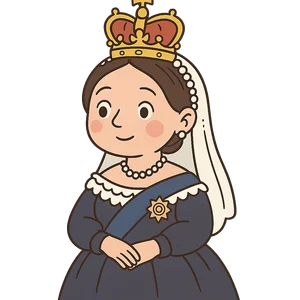
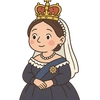
Queen Victoria
Queen of the United Kingdom of Great Britain and Ireland from 1837 until her death in 1901.
Reads at Grades 6–8 Listens at Grades 4–8
Print & create
Answer keys·No prep·Free with an account
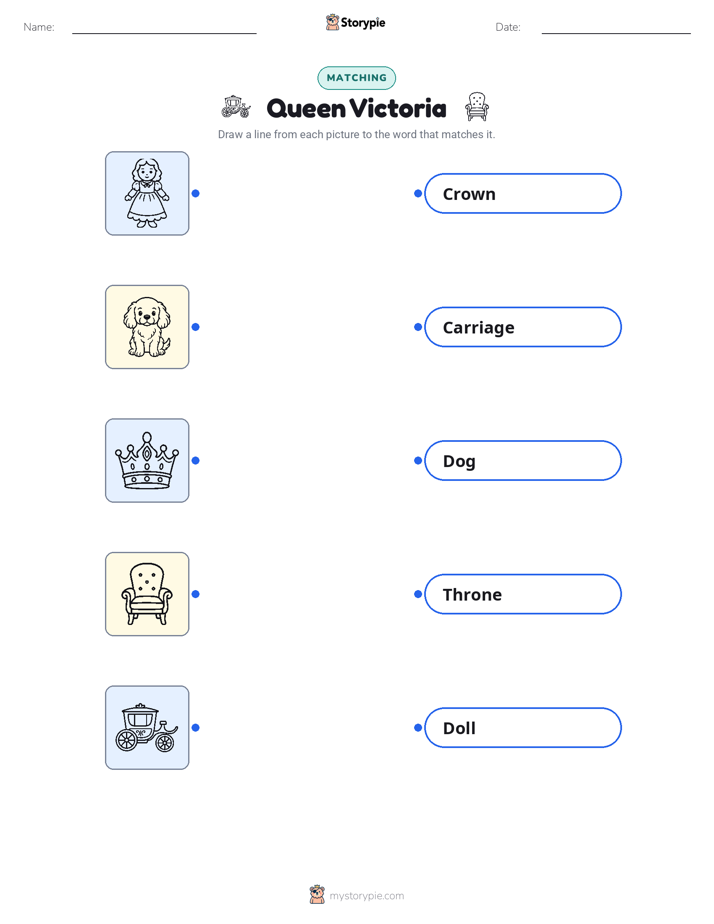
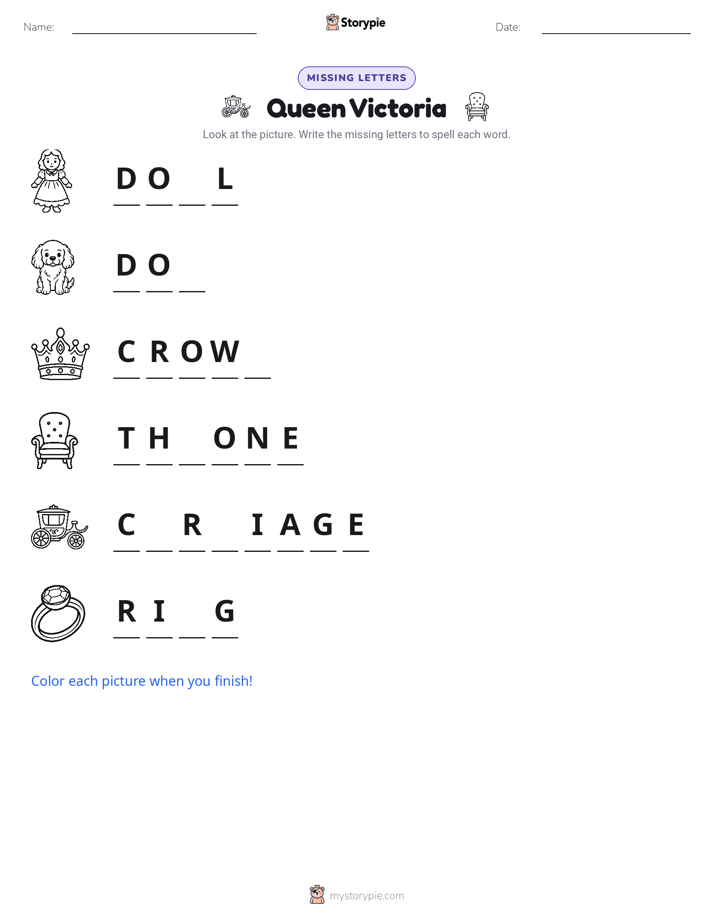
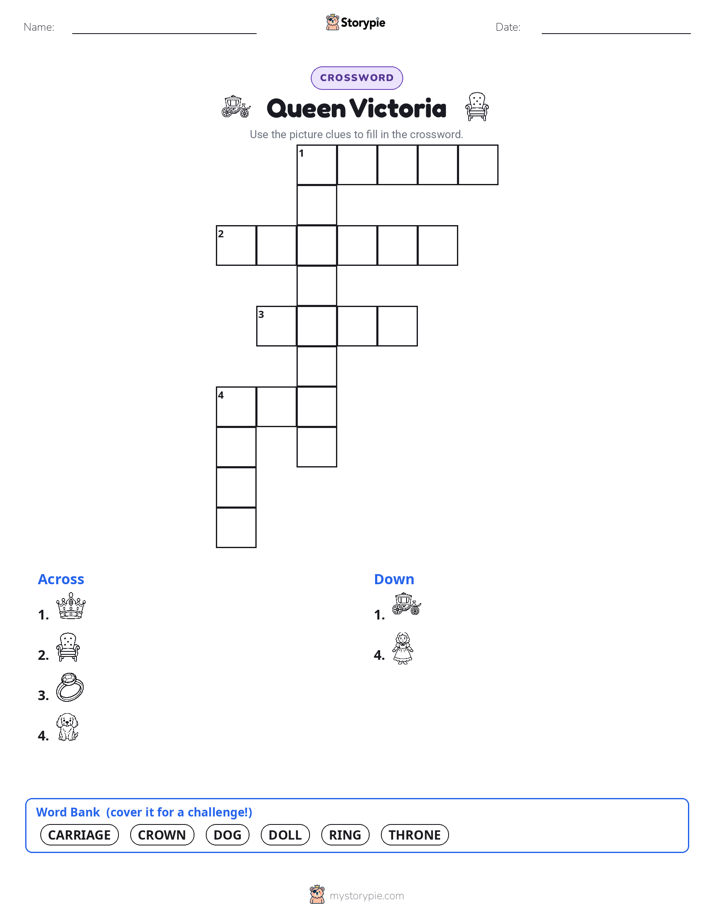
28 worksheets · answer keys · full story · quiz · Ages 10-12 · CEFR B2
Plus adds 164,000+ more stories in 27 languages, audio for every one, and printables for all of them.
Just want Queen Victoria?
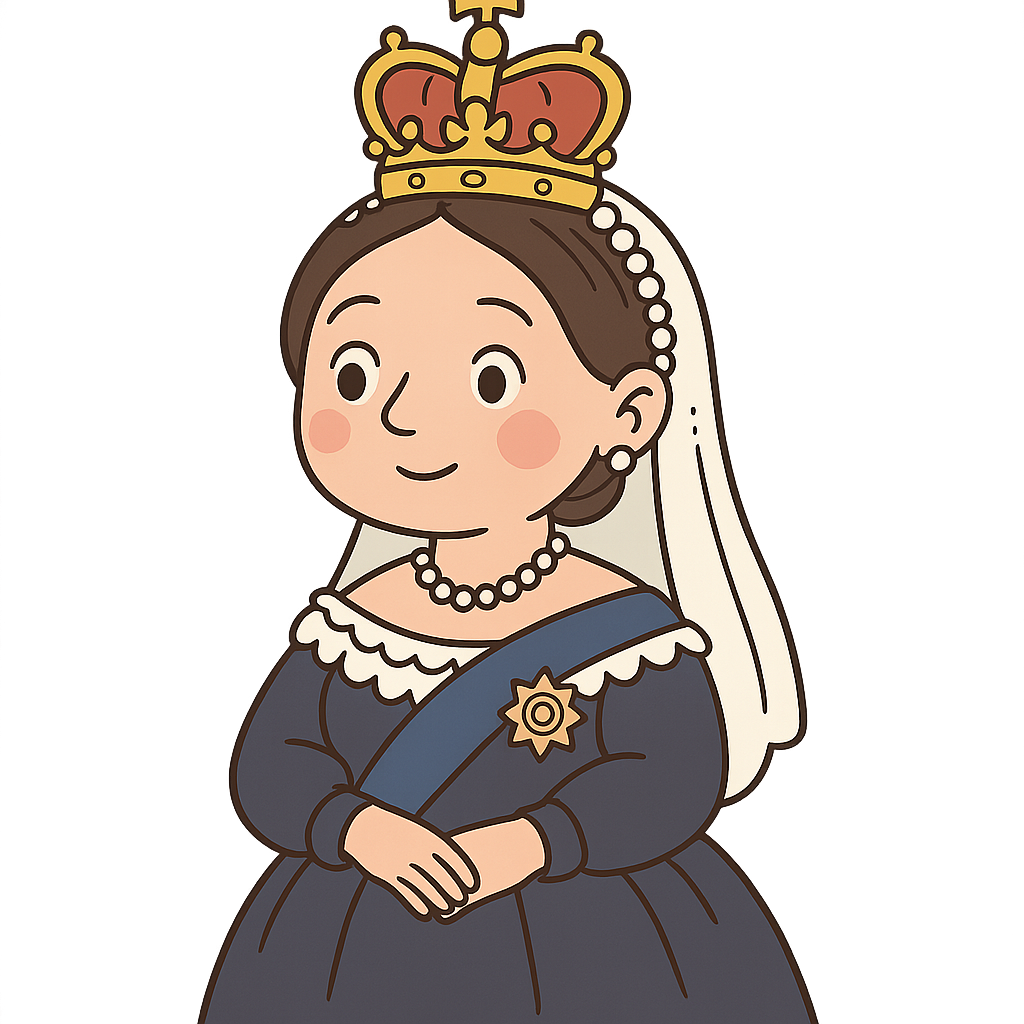
Hello, my name is Alexandrina Victoria, but the world would come to know me as Queen Victoria. I was born on May 24th, 1819, at Kensington Palace in London, a place of great quiet and strict rules. My childhood was far from ordinary. After my father passed away when I was just a baby, my mother and her advisor, Sir John Conroy, created a set of rules for my upbringing called the 'Kensington System.' It was designed to keep me safe, but it often felt like a cage. I was rarely allowed to be alone, I had to hold an adult's hand whenever I used the stairs, and I even shared a bedroom with my mother until the very day I became Queen. This made for a lonely childhood, but I found my own small joys. I spent hours with my collection of dolls, took comfort in the companionship of my little dog, Dash, and dedicated myself to my studies. In those quiet years, I never suspected that one day, the fate of a great nation and a vast empire would rest entirely on my very young shoulders.
On the morning of June 20th, 1837, my secluded world changed forever. I was awakened from my sleep and told that my uncle, King William IV, had passed away during the night. In that moment, at just eighteen years old, I became the Queen of the United Kingdom. It was a staggering responsibility to comprehend. One of my very first acts as Queen was a personal one; I asked to have my bed moved out of my mother's room and into a room of my own. It was a small, but significant, step toward my own independence. I also decided to be known by my second name, Victoria, as I felt it sounded stronger and more suited to a monarch. In those early years, I was inexperienced in the ways of government, so I relied heavily on the wise advice of my first Prime Minister, Lord Melbourne. He guided me through the complexities of my new role, and I was determined to learn everything I could to be a good and dedicated queen for all my people.
A Royal Life: Queen Victoria
Hello, my name is Alexandrina Victoria, but the world would come to know me as Queen Victoria. I was born on May 24th, 1819, at Kensington Palace in London, a place of great quiet and strict rules. My childhood was far from ordinary. After my father passed away when I was just a baby, my mother and her advisor, Sir John Conroy, created a set of rules for my upbringing called the 'Kensington System.' It was designed to keep me safe, but it often felt like a cage. I was rarely allowed to be alone, I had to hold an adult's hand whenever I used the stairs, and I even shared a bedroom with my mother until the very day I became Queen. This made for a lonely childhood, but I found my own small joys. I spent hours with my collection of dolls, took comfort in the companionship of my little dog, Dash, and dedicated myself to my studies. In those quiet years, I never suspected that one day, the fate of a great nation and a vast empire would rest entirely on my very young shoulders.
On the morning of June 20th, 1837, my secluded world changed forever. I was awakened from my sleep and told that my uncle, King William IV, had passed away during the night. In that moment, at just eighteen years old, I became the Queen of the United Kingdom. It was a staggering responsibility to comprehend. One of my very first acts as Queen was a personal one; I asked to have my bed moved out of my mother's room and into a room of my own. It was a small, but significant, step toward my own independence. I also decided to be known by my second name, Victoria, as I felt it sounded stronger and more suited to a monarch. In those early years, I was inexperienced in the ways of government, so I relied heavily on the wise advice of my first Prime Minister, Lord Melbourne. He guided me through the complexities of my new role, and I was determined to learn everything I could to be a good and dedicated queen for all my people.
Just a few years into my reign, my life changed once more, this time in the most wonderful way imaginable. My first cousin, Prince Albert of Saxe-Coburg and Gotha, came to visit me from Germany. I had met him before, but this time was different. I fell deeply in love with him. Because I was the reigning monarch, royal tradition dictated that no one could propose to me; I had to be the one to ask. So, I gathered my courage and proposed to him. We were married on February 10th, 1840, and it was the beginning of the happiest years of my life. Albert was not just my husband; he became my most trusted advisor, my closest friend, and the greatest love of my life. He was brilliant and hardworking, helping me with state papers and encouraging my interests in science, art, and improving the lives of the working class. Together, we had nine children, and our happy, bustling family life became a model that many of my subjects looked up to.
My reign, which people now call the Victorian Era, was a time of astonishing progress and transformation. It felt as though the world was being remade before our very eyes. Factories rose in cities, railways began to connect all corners of the country, and remarkable new inventions like the photograph and the telephone changed the way people lived and communicated. One of our proudest moments came in 1851 with the Great Exhibition. It was my dearest Albert’s brilliant idea to showcase the wonders of industry and art from around the world. He planned a magnificent building made of glass and iron, called the Crystal Palace, to be built in London's Hyde Park. It was a tremendous success and a symbol of the era's innovation. During these decades, the British Empire also expanded across the globe. My own role evolved, and in 1876, I was granted the title Empress of India, officially connecting me to the millions of people living in that vast land.
The deepest sorrow of my life arrived in the year 1861. My beloved Albert, my constant companion and guide, became very ill and passed away. I was completely heartbroken. For a time, I felt that the best part of my life was over, and I could not imagine how I would continue without him. To show my unending grief, I began to wear black every single day, a practice I would continue for the rest of my life. I withdrew from public life for many years, earning me the name the 'Widow of Windsor.' It was a long and difficult period of mourning, but I knew I still had a duty to my country and my children. Slowly, with the gentle encouragement of my family and my prime ministers, I began to return to my public responsibilities, though I never stopped missing Albert.
I reigned for more than 63 years, which was a longer reign than any British monarch who had come before me. The nation celebrated my time on the throne with great festivals for my Golden Jubilee in 1887 and my Diamond Jubilee in 1897. I lived to be 81 years old, passing away in 1901, surrounded by my loving children and grandchildren. My long reign is remembered as the Victorian Era, a time of incredible progress, invention, and social change that helped shape the modern world. I hope that I am remembered not just for the length of my reign, but as a queen who loved her family and her country with all her heart.
Wow facts
About
Queen of the United Kingdom of Great Britain and Ireland from 1837 until her death in 1901. Her reign of over 63 years, known as the Victorian era, was a period of significant industrial, cultural, and imperial expansion for Britain.
Take a Quiz
Question 1 of 5
In your own words, describe the 'Kensington System' and its effect on Victoria's childhood.
Explore next


Want to do even more?
Go beyond exploring. Unlock tools that turn every story into real learning.

Storypie Plus for families
Full stories, quizzes, and printables. Nights and car rides, sorted.
- Unlimited audio stories
- Create Mode: your child stars in the story
- Offline downloads
- Printable worksheets & coloring pages

Why Storypie for Schools
Students engaged. Prep in seconds. Evenings back to you.
- Worksheets & Quizzes
- Classroom Management
- Formative Assessment
- Custom Curriculum & Lesson Plans
- 27 Languages

Why Storypie for Homeschool
Curriculum done. They'll ask for more. Hours back in your day.
- Worksheet Generator
- First-Person Audio Stories
- Built-in Comprehension Quizzes
- Custom Curriculum & Lesson Plans
- Print & Go Activities