English

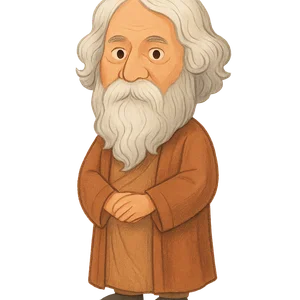
Rabindranath Tagore
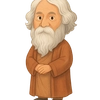
Rabindranath Tagore was a Bengali poet, writer, composer, philosopher…
Reads at Grades 6–8 Listens at Grades 4–8
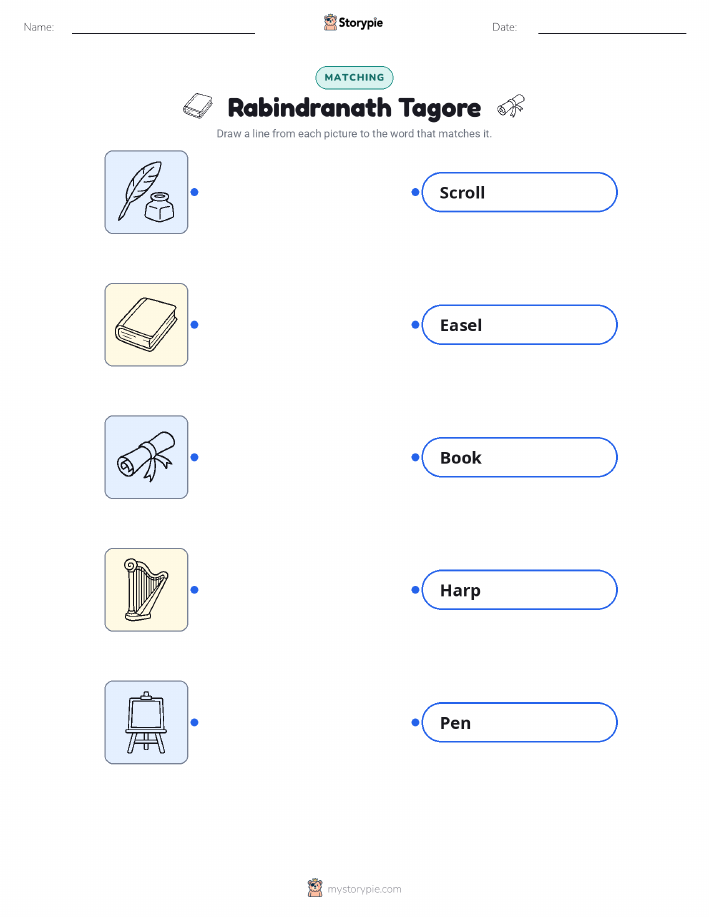
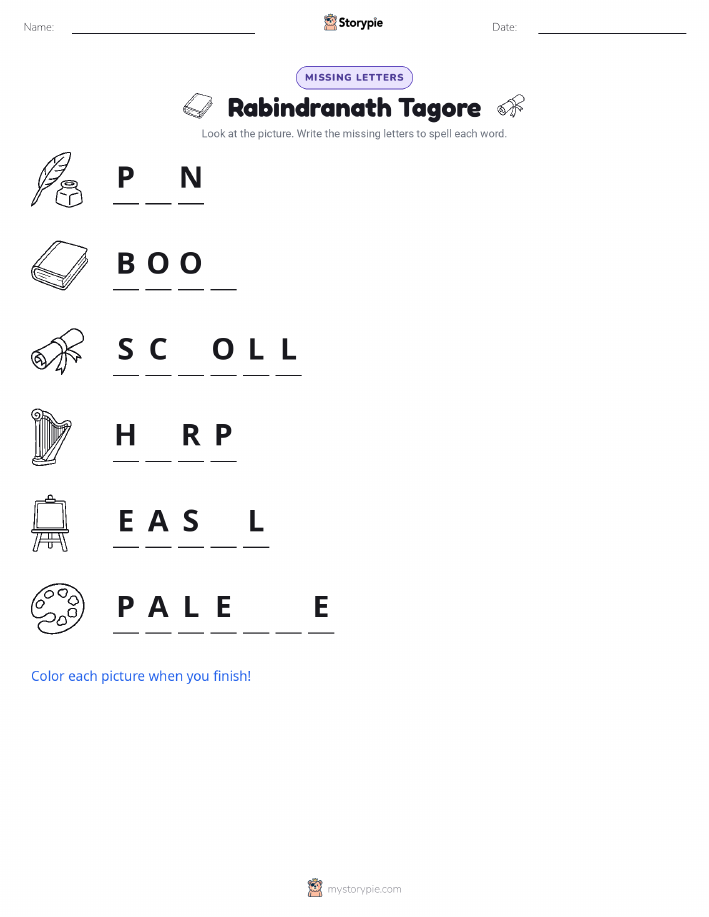
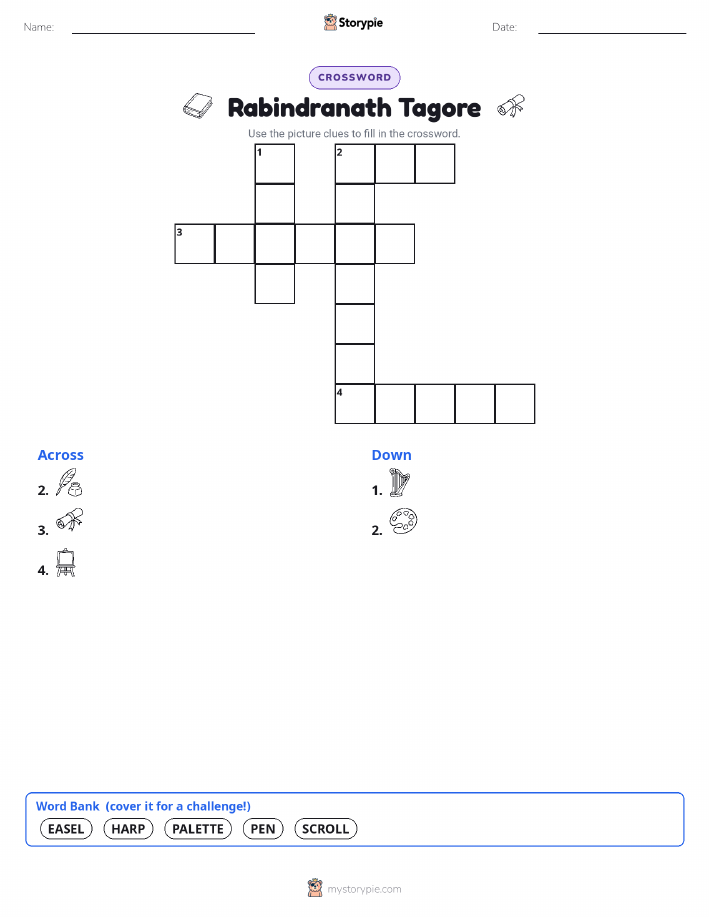
Print & create
Answer keys·No prep·Free with an account
28 worksheets · answer keys · full story · quiz · Ages 10-12 · CEFR B2
Plus adds 279,000+ more stories in 27 languages, audio for every one, and printables for all of them.
Just want Rabindranath Tagore?
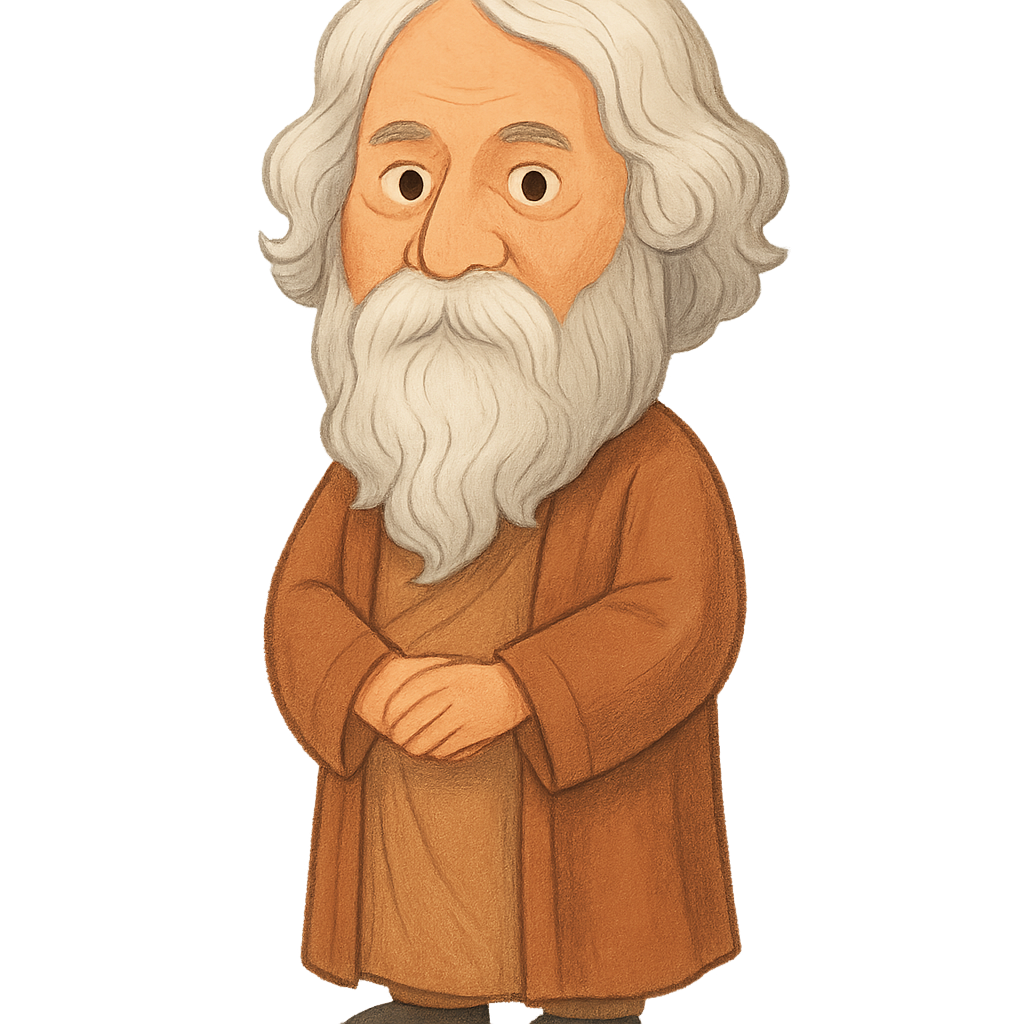
Hello, my name is Rabindranath Tagore, and I was a poet, writer, and artist who wanted to share the beauty of my culture with the world. My story begins in Calcutta, India, where I was born on May 7th, 1861. I grew up in a large and lively home filled with the sounds of music, the colors of art, and the endless stories found in books. My family loved creativity, and our house was a hub for writers and musicians. While I was surrounded by learning, I did not enjoy formal school. I found the classrooms to be too rigid and uninspiring. Instead, my real education happened when I explored my family's huge library or wandered through the gardens around our home. It was in this world of freedom and curiosity that I discovered my own voice. When I was just eight years old, I wrote my very first poem, and I knew that words would be an important part of my life.
As a young man, my family sent me to England in 1878 with the hope that I would study to become a lawyer. But while I was there, I found myself drawn more to literature and poetry than to legal texts. I soon realized that my true calling was in the arts. I returned to India and began to write stories, poems, and songs in my native language, Bengali. A significant part of my life was spent managing my family’s estates in the countryside. This work allowed me to travel through villages and meet people from all walks of life. Listening to their stories and observing the beauty and hardships of their daily lives deeply inspired my writing. My goal became clear: I wanted to create a new kind of Bengali literature, one that felt modern and fresh but was still deeply rooted in the rich traditions and spirit of our own culture.
Rabindranath Tagore: A Song for the World
Hello, my name is Rabindranath Tagore, and I was a poet, writer, and artist who wanted to share the beauty of my culture with the world. My story begins in Calcutta, India, where I was born on May 7th, 1861. I grew up in a large and lively home filled with the sounds of music, the colors of art, and the endless stories found in books. My family loved creativity, and our house was a hub for writers and musicians. While I was surrounded by learning, I did not enjoy formal school. I found the classrooms to be too rigid and uninspiring. Instead, my real education happened when I explored my family's huge library or wandered through the gardens around our home. It was in this world of freedom and curiosity that I discovered my own voice. When I was just eight years old, I wrote my very first poem, and I knew that words would be an important part of my life.
As a young man, my family sent me to England in 1878 with the hope that I would study to become a lawyer. But while I was there, I found myself drawn more to literature and poetry than to legal texts. I soon realized that my true calling was in the arts. I returned to India and began to write stories, poems, and songs in my native language, Bengali. A significant part of my life was spent managing my family’s estates in the countryside. This work allowed me to travel through villages and meet people from all walks of life. Listening to their stories and observing the beauty and hardships of their daily lives deeply inspired my writing. My goal became clear: I wanted to create a new kind of Bengali literature, one that felt modern and fresh but was still deeply rooted in the rich traditions and spirit of our own culture.
My efforts led to what many consider my most famous work, a collection of poems called 'Gitanjali', which translates to 'Song Offerings'. I first published it in Bengali in 1910. A couple of years later, during a trip to London in 1912, I decided to translate some of these poems into English so I could share them with a few friends. I had no idea what was about to happen. The English version of 'Gitanjali' was published, and it found its way into the hands of readers across Europe. Then, in 1913, I received the most astonishing news of my life. I had been awarded the Nobel Prize in Literature. I was overcome with surprise and humility. At that time, the award had never been given to anyone from outside of Europe. Winning the prize was an incredible honor, not just for me, but for all of India. It was as if a light had suddenly been shone on the depth and richness of our literature for the entire world to see.
My experiences taught me that true learning could not be confined within four walls. I believed that education should be a joyful experience, one that connected students to the world around them. I dreamed of a school where learning happened out in nature, under the open sky, where a child's natural curiosity and creativity could be encouraged to grow. This dream became a reality when I founded a small school based on these ideals. Over time, it grew, and in 1921, it became a university that I named Visva-Bharati. I chose a motto for it that meant, 'Where the world makes its home in a single nest.' My vision for Visva-Bharati was to create a place of learning that would blend the best ideas from both Eastern and Western cultures, fostering understanding and respect among people from all over the globe.
As my voice became known, I felt a deep responsibility to speak for my people. In 1915, the British King George V granted me a knighthood, which was a great honor. However, a few years later, my conscience would not allow me to keep it. In 1919, a terrible event occurred in the city of Amritsar known as the Jallianwala Bagh massacre, where British troops fired on a peaceful gathering of unarmed Indians. I was heartbroken and horrified by this act of violence. I knew I could not hold a title of honor from a government that was responsible for causing such profound pain to my people. I made the difficult decision to renounce my knighthood, and I wrote a letter explaining that this was my way of standing in protest and in solidarity with my fellow Indians who had suffered.
In my later years, I discovered a new passion for painting, and I created thousands of artworks in my sixties and beyond. I continued to write, compose music, and travel the world, sharing my ideas about education, humanity, and art. It fills me with pride that two of my songs were chosen to become the national anthems for two different countries, India and Bangladesh. I lived a full and creative life for 80 years. Today, I hope my stories, poems, and songs continue to inspire people everywhere to connect with nature, with each other, and with the beautiful world of ideas that unites us all.
Wow facts
About
Rabindranath Tagore was a Bengali poet, writer, composer, philosopher, and painter who reshaped his region's literature and music. In 1913, he became the first non-European to win the Nobel Prize in Literature.
Take a Quiz
Question 1 of 5
Why did Rabindranath Tagore decide to return his knighthood in 1919?
Explore next





Want to do even more?
Go beyond exploring. Unlock tools that turn every story into real learning.

Storypie Plus for families
Full stories, quizzes, and printables. Nights and car rides, sorted.
- Unlimited audio stories
- Create Mode: your child stars in the story
- Offline downloads
- Printable worksheets & coloring pages

Why Storypie for Schools
Students engaged. Prep in seconds. Evenings back to you.
- Worksheets & Quizzes
- Classroom Management
- Formative Assessment
- Custom Curriculum & Lesson Plans
- 27 Languages

Why Storypie for Homeschool
Curriculum done. They'll ask for more. Hours back in your day.
- Worksheet Generator
- First-Person Audio Stories
- Built-in Comprehension Quizzes
- Custom Curriculum & Lesson Plans
- Print & Go Activities