English

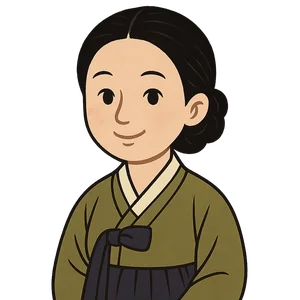
Shin Saimdang
A Korean artist, writer, calligrapher, and poet of the Joseon Dynasty…
Reads at Grades 6–8 Listens at Grades 4–8
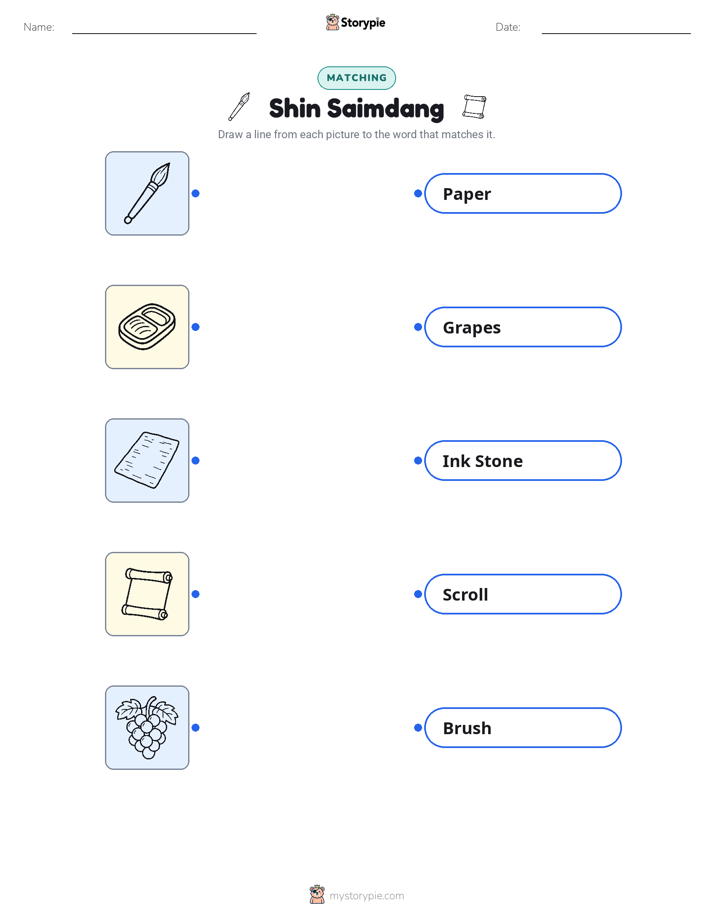
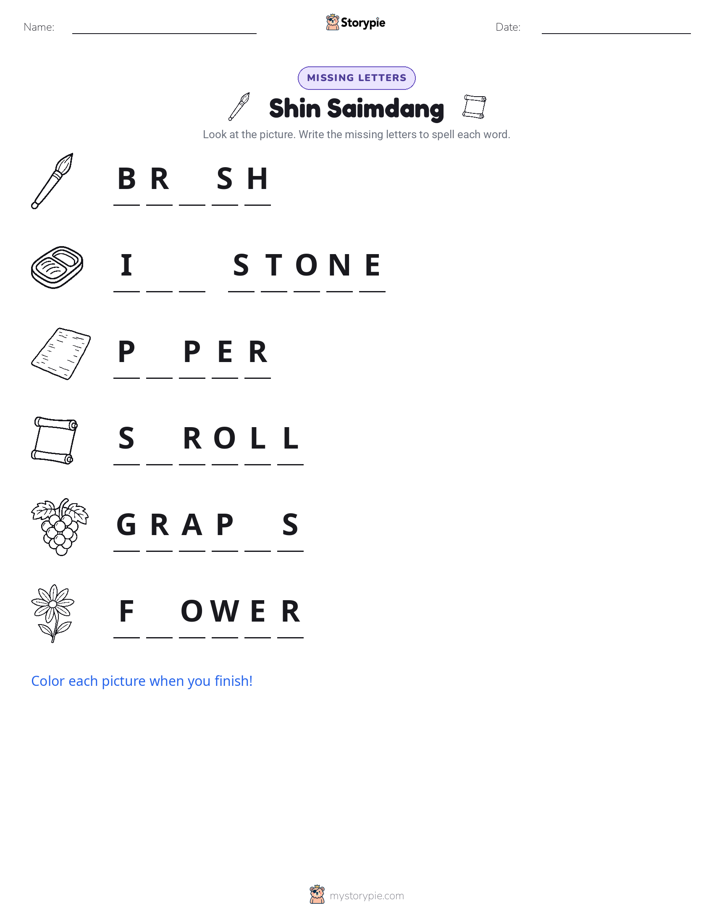
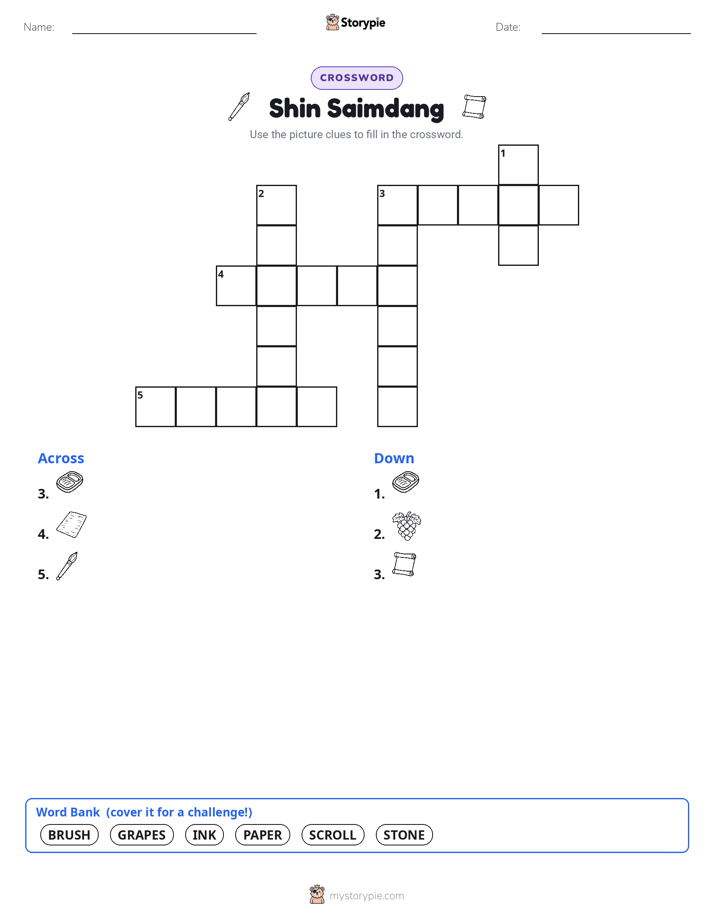
Print & create
Answer keys·No prep·Free with an account
28 worksheets · answer keys · full story · quiz · Ages 10-12 · CEFR B2
Plus adds 164,000+ more stories in 27 languages, audio for every one, and printables for all of them.
Just want Shin Saimdang?
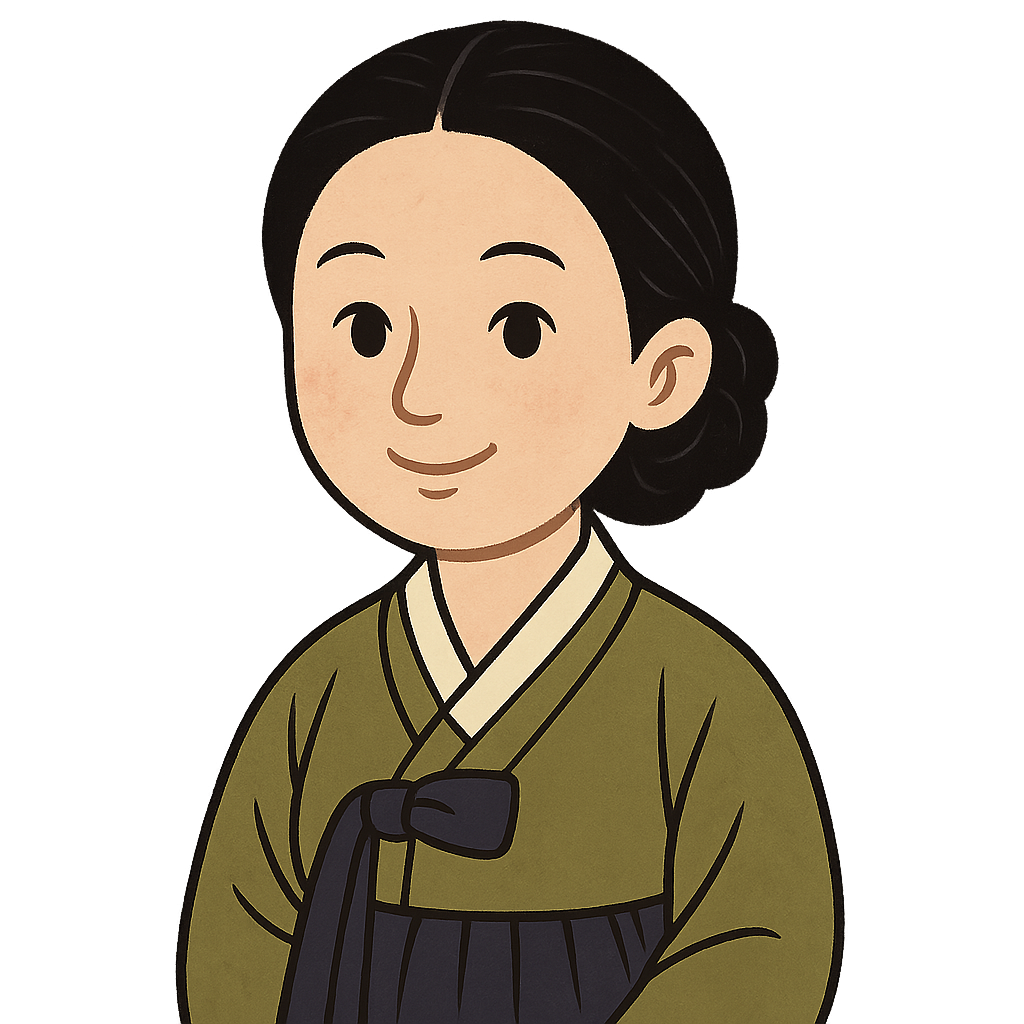
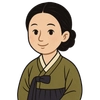
Hello! My name is Shin Saimdang. I want to tell you the story of my life in a time very different from yours, in a place that is now called Korea. I was born on October 29th, 1504, in a beautiful town called Gangneung. In my time, during the Joseon Dynasty, girls were not usually taught to read and write. But my family was different. I grew up in my mother's family home, and my grandfather believed that everyone, including girls, should have the chance to learn. He taught me all about classic books, poetry, and history, just as he would have taught a grandson. This was a rare and wonderful gift. From a very young age, I also discovered a deep love for painting and writing poems. I would spend hours capturing the world around me with my brush, painting delicate flowers, buzzing insects, and juicy-looking grapes. My education and my art were my greatest joys, and they shaped the person I would become.
When I was 19 years old, in the year 1522, I married a kind man named Yi Won-su. In those days, a wife would usually move to her husband's home right away, but my husband understood how much I loved my family and my home in Gangneung. He kindly agreed that I could spend much of my time there. This allowed me to continue caring for my mother and also gave me the freedom to keep painting and writing. My husband and I eventually had seven children—four sons and three daughters! Being a mother was a very important part of my life. I loved my children dearly and wanted to give them the best start in life. I tried to create a home filled with love, learning, and creativity. Even with a large family to care for, I never put my paintbrushes away. My art was a part of who I was, and I found ways to be a mother, a wife, and an artist all at the same time.
Shin Saimdang: The Wise Mother of Korea
Hello! My name is Shin Saimdang. I want to tell you the story of my life in a time very different from yours, in a place that is now called Korea. I was born on October 29th, 1504, in a beautiful town called Gangneung. In my time, during the Joseon Dynasty, girls were not usually taught to read and write. But my family was different. I grew up in my mother's family home, and my grandfather believed that everyone, including girls, should have the chance to learn. He taught me all about classic books, poetry, and history, just as he would have taught a grandson. This was a rare and wonderful gift. From a very young age, I also discovered a deep love for painting and writing poems. I would spend hours capturing the world around me with my brush, painting delicate flowers, buzzing insects, and juicy-looking grapes. My education and my art were my greatest joys, and they shaped the person I would become.
When I was 19 years old, in the year 1522, I married a kind man named Yi Won-su. In those days, a wife would usually move to her husband's home right away, but my husband understood how much I loved my family and my home in Gangneung. He kindly agreed that I could spend much of my time there. This allowed me to continue caring for my mother and also gave me the freedom to keep painting and writing. My husband and I eventually had seven children—four sons and three daughters! Being a mother was a very important part of my life. I loved my children dearly and wanted to give them the best start in life. I tried to create a home filled with love, learning, and creativity. Even with a large family to care for, I never put my paintbrushes away. My art was a part of who I was, and I found ways to be a mother, a wife, and an artist all at the same time.
People came to know me for my art. My favorite things to paint were scenes from nature. I created a series of paintings called 'Chochungdo,' which means 'grass and insects.' I loved to paint a praying mantis perched on a watermelon or a butterfly fluttering over a flower. I tried to make them look so real that you might think a real insect had landed on the paper! My paintings of grapes were also famous because they looked so plump and sweet. But my greatest creations were my children. I believed that a mother's most important job was to be her children's first teacher. I taught them all to read and write, and I shared my love of books and art with them. My third son, Yi I, who was born in 1536, was especially curious. He had a brilliant mind, and I did everything I could to encourage his love of learning. He grew up to become one of the most famous and respected scholars in Korean history, known by his pen name Yulgok. I was so proud to watch him grow into a wise and thoughtful man.
As my children grew, I became known not just for my art, but as a 'Wise Mother.' In the society I lived in, which was guided by the teachings of a great thinker named Confucius, a woman's role in the family was considered very important. People saw me as an example of the perfect mother—one who was educated, talented, and dedicated to raising good children who would contribute to society. When my husband received a government position, our family moved to the capital city, which is now Seoul. Life was different there, but I continued to manage our home and guide my children. I taught them about honesty, respect, and the importance of studying hard. I wanted them to be not just smart, but also good people. I always believed that a mother's gentle guidance could shape the future, and I took that responsibility very seriously.
My life was full of family, art, and learning, and I passed from this world in the year 1551. I lived to be 46 years old. Although my time was shorter than I would have wished, the lessons and love I shared lived on. My son, Yi I, always remembered me and wrote about how my teachings had guided him throughout his life. Today, people in Korea remember me for many reasons. They remember me as a talented artist who painted nature with a delicate touch, and as a poet who wrote with great feeling. But most of all, I am remembered as a symbol of a great mother. My story shows that a woman can be many things—an artist, a writer, a teacher, and a loving mother. To honor my legacy, my portrait was chosen for South Korea's highest-value banknote, the 50,000 won bill, so that my story will never be forgotten.
Wow facts
About
A Korean artist, writer, calligrapher, and poet of the Joseon Dynasty, celebrated for her artistic talent and as the mother of the renowned Confucian scholar Yi I.
Take a Quiz
Question 1 of 5
In your own words, summarize the main events of Shin Saimdang's life.
Explore next






Want to do even more?
Go beyond exploring. Unlock tools that turn every story into real learning.

Storypie Plus for families
Full stories, quizzes, and printables. Nights and car rides, sorted.
- Unlimited audio stories
- Create Mode: your child stars in the story
- Offline downloads
- Printable worksheets & coloring pages

Why Storypie for Schools
Students engaged. Prep in seconds. Evenings back to you.
- Worksheets & Quizzes
- Classroom Management
- Formative Assessment
- Custom Curriculum & Lesson Plans
- 27 Languages

Why Storypie for Homeschool
Curriculum done. They'll ask for more. Hours back in your day.
- Worksheet Generator
- First-Person Audio Stories
- Built-in Comprehension Quizzes
- Custom Curriculum & Lesson Plans
- Print & Go Activities