English

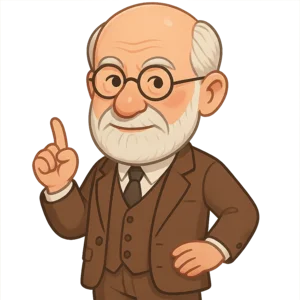
Sigmund Freud
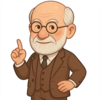
Sigmund Freud was an Austrian neurologist and the founder of psychoanalysis…
Reads at Grades 3–5 Listens at Grades 1–5
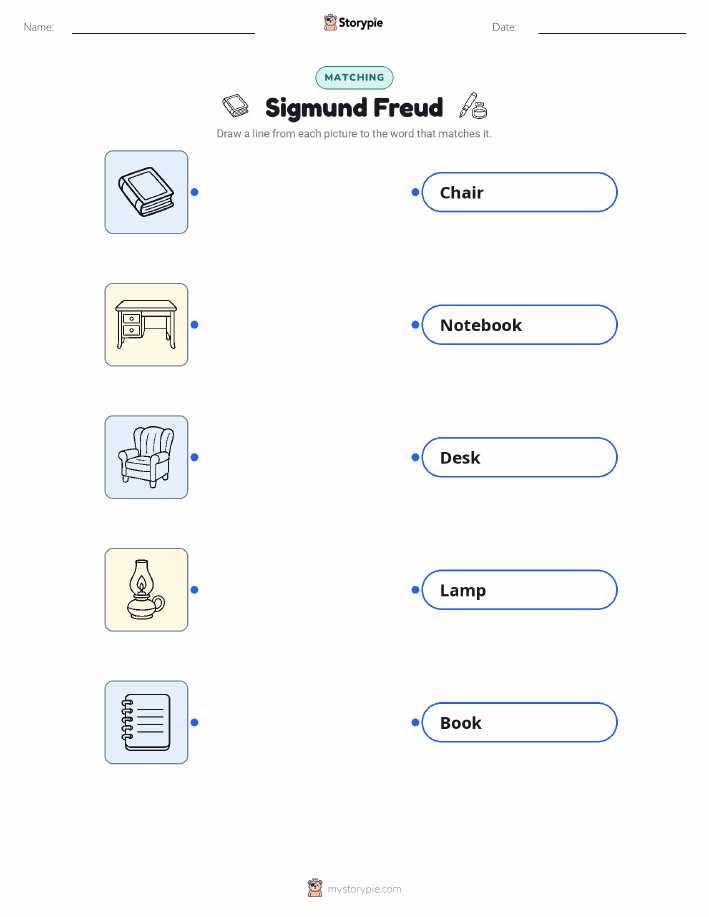
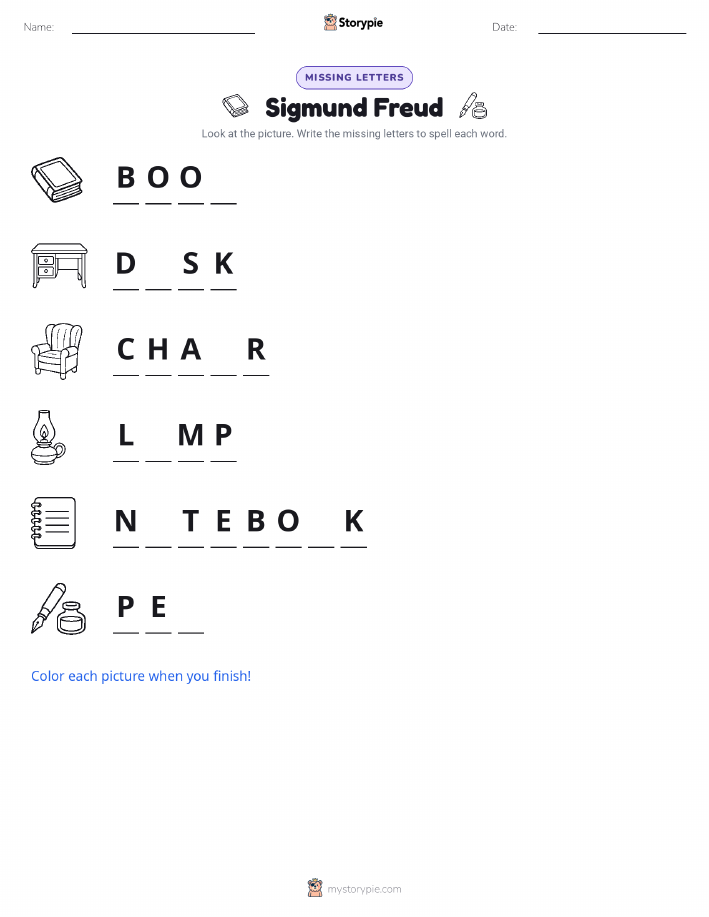
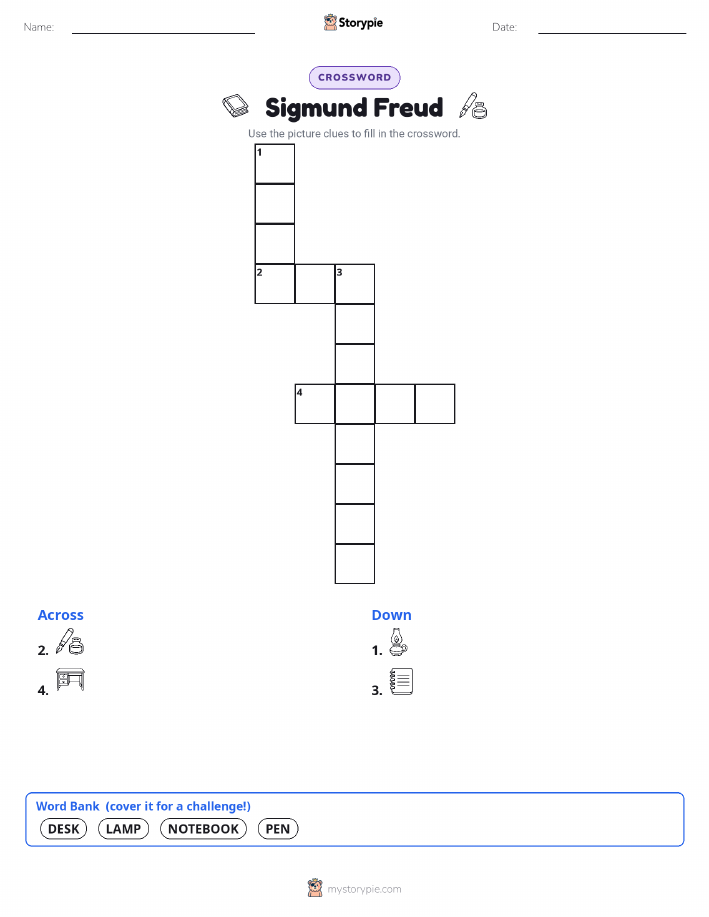
Print & create
Answer keys·No prep·Free with an account
28 worksheets · answer keys · full story · quiz · Ages 8-10 · CEFR B1
Plus adds 279,000+ more stories in 27 languages, audio for every one, and printables for all of them.
Just want Sigmund Freud?
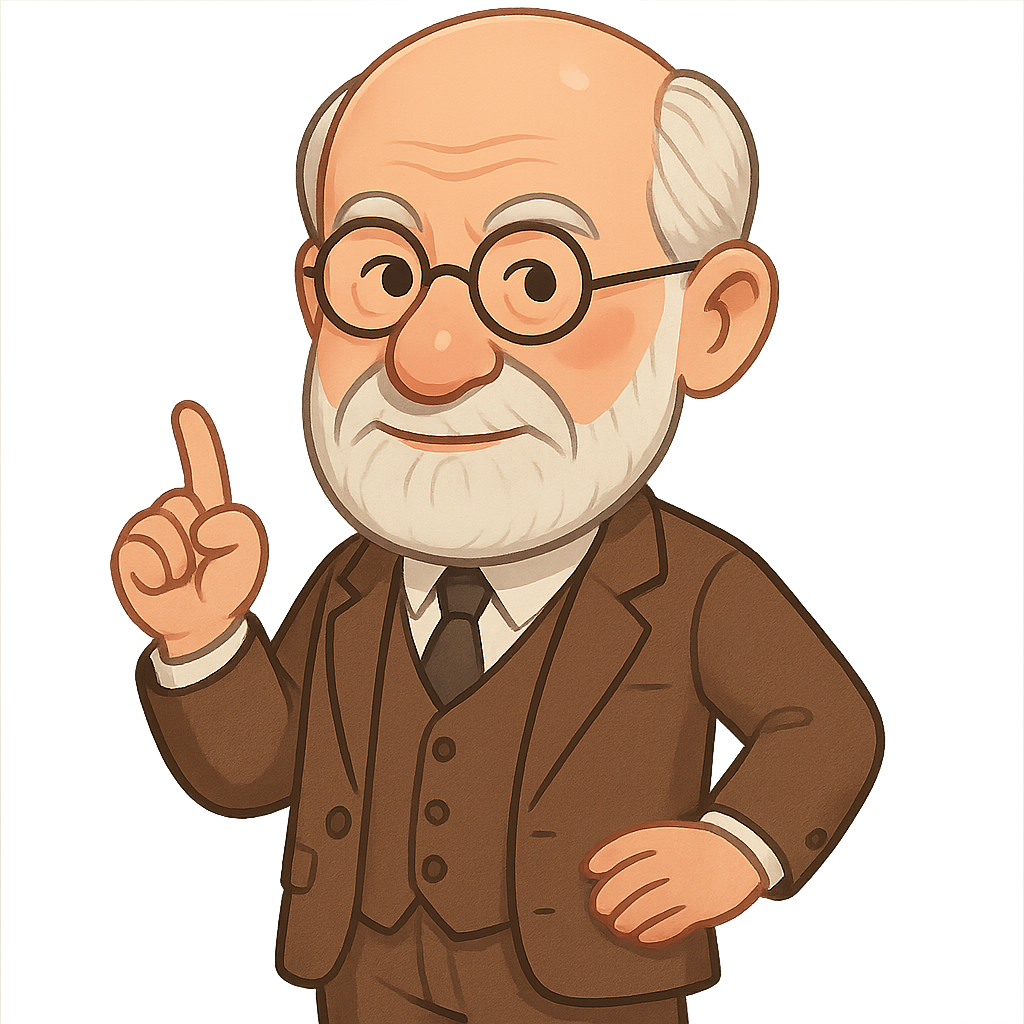
Hello, my name is Sigmund Freud. Long ago, back in 1856, I was born in a small town called Freiberg, which was part of the Austrian Empire. But when I was just a little boy, my family and I moved to the big, bustling city of Vienna. Our home was filled with books, and I loved them more than anything. I would spend hours reading stories, histories, and scientific ideas. But the puzzle that fascinated me most wasn't found in a book—it was people. I was always wondering why we do the things we do. What makes us happy or sad? Why do we have strange dreams when we sleep? I felt like our minds were the greatest mystery in the world, and even as a boy, I knew I wanted to spend my life trying to understand them.
When I grew up, I decided to become a doctor. I went to medical school in 1873 and learned all about the human body, from bones and muscles to how our hearts beat. But my old questions kept popping into my head. I realized I was far more interested in how our minds worked than how our bodies did. I wanted to be a doctor for the mind. Around this time, I started working with a good friend of mine, another doctor named Josef Breuer. We had a patient who felt much better after she talked about her past memories and feelings, even the sad or scary ones. It was like a light turned on for us. We realized that talking about our troubles wasn't just complaining; it was a way to heal. We called this new idea the 'talking cure.' It was the very beginning of my journey to understand the secret worlds inside each of us.
Sigmund Freud: A Journey into the Mind
Hello, my name is Sigmund Freud. Long ago, back in 1856, I was born in a small town called Freiberg, which was part of the Austrian Empire. But when I was just a little boy, my family and I moved to the big, bustling city of Vienna. Our home was filled with books, and I loved them more than anything. I would spend hours reading stories, histories, and scientific ideas. But the puzzle that fascinated me most wasn't found in a book—it was people. I was always wondering why we do the things we do. What makes us happy or sad? Why do we have strange dreams when we sleep? I felt like our minds were the greatest mystery in the world, and even as a boy, I knew I wanted to spend my life trying to understand them.
When I grew up, I decided to become a doctor. I went to medical school in 1873 and learned all about the human body, from bones and muscles to how our hearts beat. But my old questions kept popping into my head. I realized I was far more interested in how our minds worked than how our bodies did. I wanted to be a doctor for the mind. Around this time, I started working with a good friend of mine, another doctor named Josef Breuer. We had a patient who felt much better after she talked about her past memories and feelings, even the sad or scary ones. It was like a light turned on for us. We realized that talking about our troubles wasn't just complaining; it was a way to heal. We called this new idea the 'talking cure.' It was the very beginning of my journey to understand the secret worlds inside each of us.
The more I listened to people, the more I became convinced that our minds are like giant icebergs. You know how you only see the small tip of an iceberg floating above the water? Well, I believed our thoughts are like that. The small part we know about is our conscious mind. But underneath the water, there is a much, much bigger part that is hidden. I called this the unconscious mind. It’s where we keep feelings, memories, and wishes that we don't even know we have. But even though they're hidden, they can still affect how we act and feel every day. In 1899, I wrote a book about this called 'The Interpretation of Dreams.' I believed our dreams are like secret messages sent from our unconscious mind, trying to tell us something important. I gave my new method a special name: psychoanalysis. It was a way of exploring that hidden part of the mind through talking. Soon, other doctors, like a clever young man named Carl Jung, came to Vienna to learn from me. We were like detectives of the human mind.
I lived a long and busy life in my beloved city of Vienna. But when I was an old man, the world became a very scary place. A terrible war was beginning to spread across Europe. Because my family was Jewish, we were no longer safe in our home. In 1938, with the help of friends, my daughter Anna and I had to escape and move to London, England. It was sad to leave the city I loved, but we were lucky to be safe. My life ended there the next year, in 1939. But looking back, I am proud of the idea I left behind. The world has changed so much since I was a boy, but one thing hasn't: people still have worries, fears, and dreams. I hope my work taught the world that it’s brave to talk about our feelings and that understanding ourselves is the first step to feeling better. That idea, the talking cure, is still helping people all over the world today.
Wow facts
About
Sigmund Freud was an Austrian neurologist and the founder of psychoanalysis, a clinical method for evaluating and treating pathologies in the psyche through dialogue between a patient and a psychoanalyst.
Take a Quiz
Question 1 of 5
In the story, I describe the mind as an 'iceberg.' What does this comparison mean?
Explore next





Want to do even more?
Go beyond exploring. Unlock tools that turn every story into real learning.

Storypie Plus for families
Full stories, quizzes, and printables. Nights and car rides, sorted.
- Unlimited audio stories
- Create Mode: your child stars in the story
- Offline downloads
- Printable worksheets & coloring pages

Why Storypie for Schools
Students engaged. Prep in seconds. Evenings back to you.
- Worksheets & Quizzes
- Classroom Management
- Formative Assessment
- Custom Curriculum & Lesson Plans
- 27 Languages

Why Storypie for Homeschool
Curriculum done. They'll ask for more. Hours back in your day.
- Worksheet Generator
- First-Person Audio Stories
- Built-in Comprehension Quizzes
- Custom Curriculum & Lesson Plans
- Print & Go Activities