English

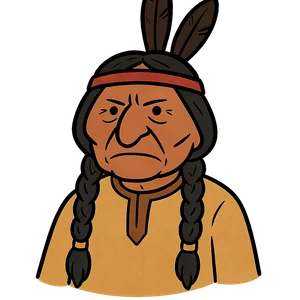
Sitting Bull
Sitting Bull was a Hunkpapa Lakota holy man and chief who led his people's resistance against United States…
Reads at Grades 6–8 Listens at Grades 4–8
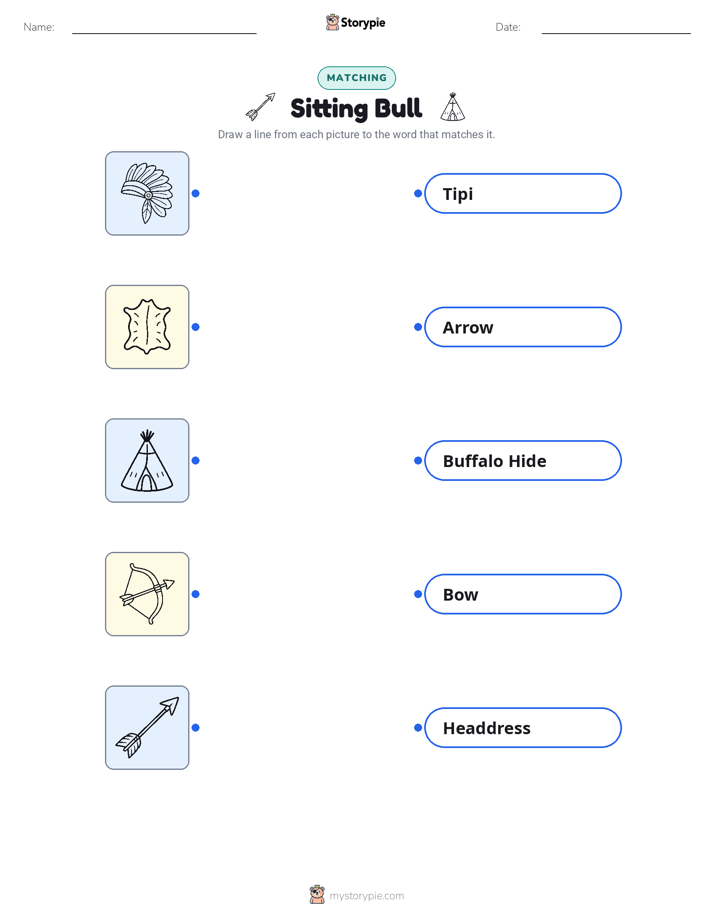
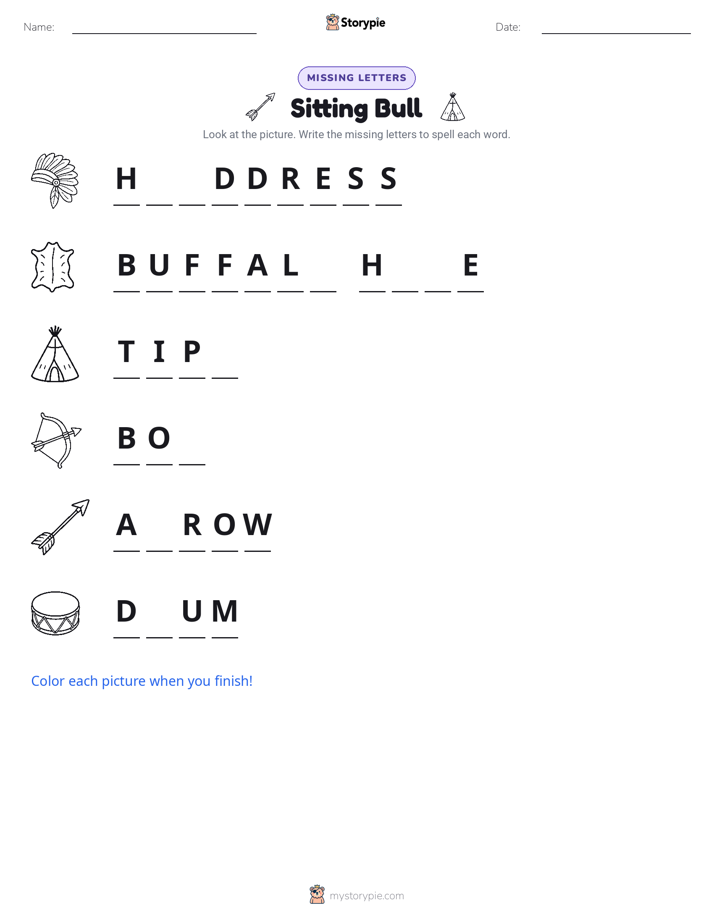
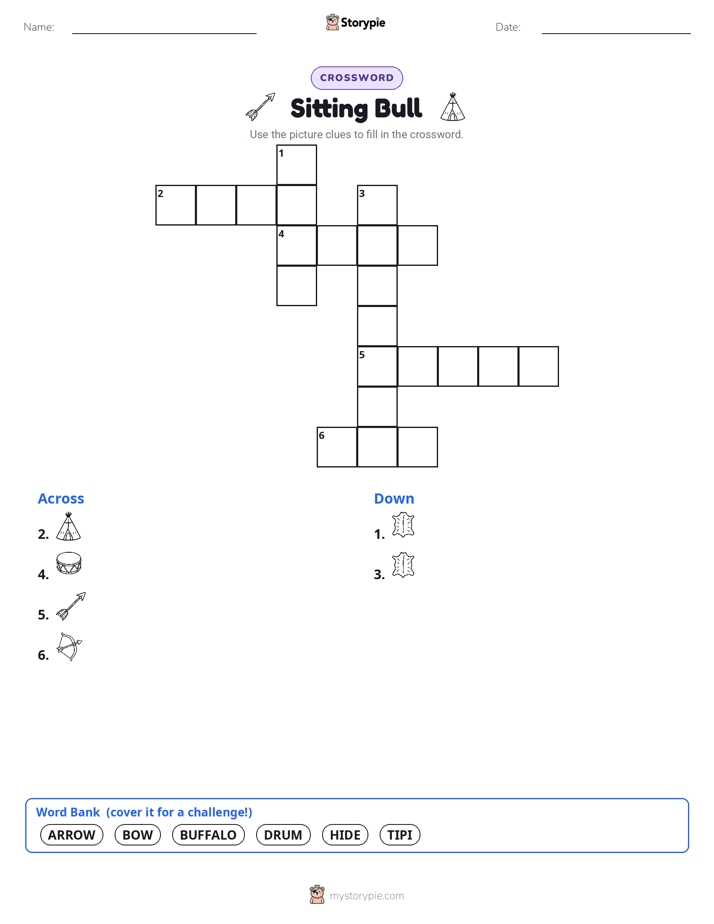
Print & create
Answer keys·No prep·Free with an account
28 worksheets · answer keys · full story · quiz · Ages 10-12 · CEFR B2
Plus adds 279,000+ more stories in 27 languages, audio for every one, and printables for all of them.
Just want Sitting Bull?
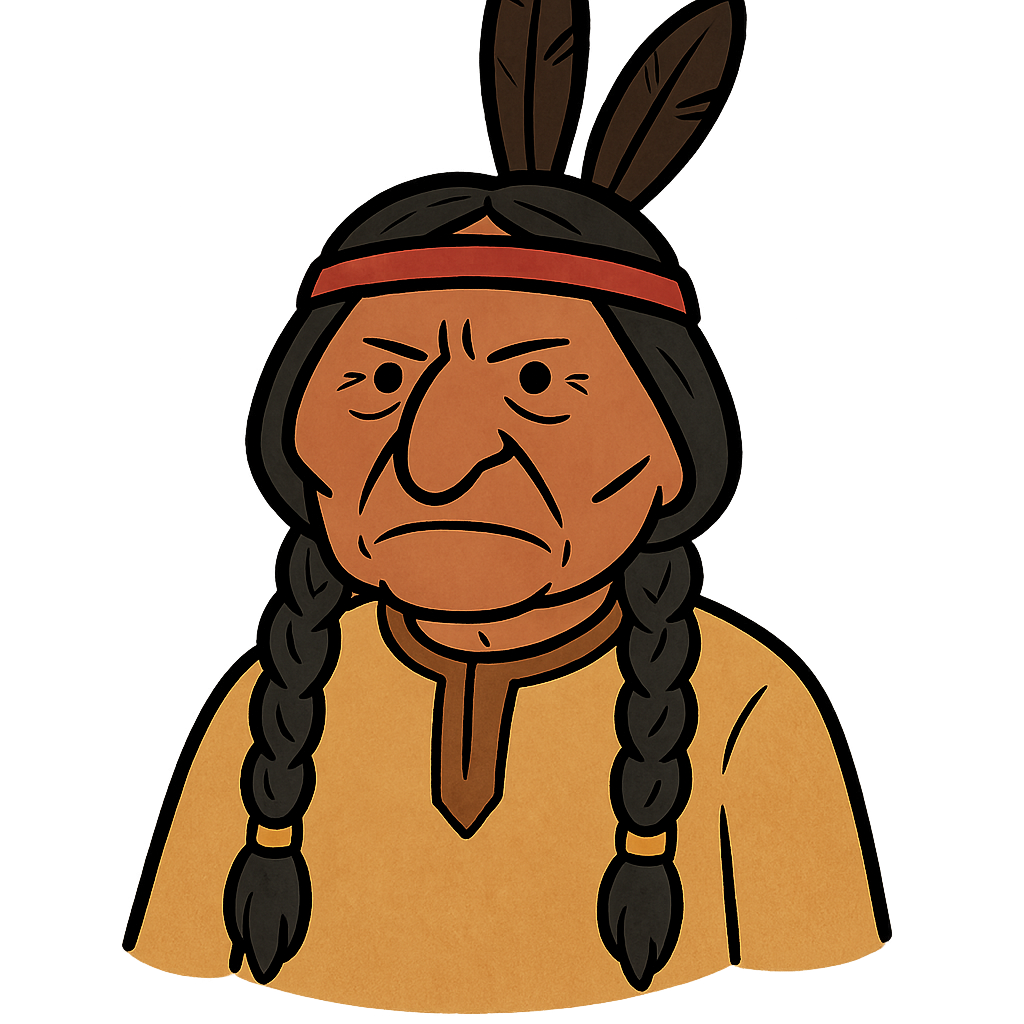
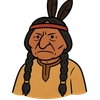
Hau, kola. Hello, my friend. My name is Tȟatȟáŋka Íyotake, which means an animal both strong and stubborn—a sitting bull. I was born around the year 1831 near the Grand River, in the land you now call South Dakota. My people are the Hunkpapa Lakota, and our home was the vast Great Plains, a world of wide-open skies and endless grass. I want to tell you my story, about my connection to this land, and my fight to protect our way of life from a world that was rapidly changing. When I was a boy, my name was Jumping Badger. I was quiet and thoughtful, but I learned the ways of a warrior to protect my people. I earned my man's name, Sitting Bull, when I was just a teenager by showing great bravery in a battle to defend our camp against attackers. It was a name I would carry for the rest of my life.
As I grew into a man, I became a spiritual leader, a holy man my people called a 'wichasha wakan,' and a chief of the Lakota nation. My responsibility was not just to lead in battle, but to provide for my people, to guide them with wisdom, and to protect our traditions. In the mid-1800s, our world began to shrink. More and more settlers from the east moved onto our lands, and the United States government tried to force us onto small, confined pieces of land called reservations. In 1868, some Lakota leaders signed the Fort Laramie Treaty, which created the Great Sioux Reservation. I refused to sign it. I could not agree to give up our freedom to roam the plains and hunt the buffalo, which gave us everything we needed. Most importantly, the treaty lands included our most sacred place, the Paha Sapa—the Black Hills.
The Story of Sitting Bull
Hau, kola. Hello, my friend. My name is Tȟatȟáŋka Íyotake, which means an animal both strong and stubborn—a sitting bull. I was born around the year 1831 near the Grand River, in the land you now call South Dakota. My people are the Hunkpapa Lakota, and our home was the vast Great Plains, a world of wide-open skies and endless grass. I want to tell you my story, about my connection to this land, and my fight to protect our way of life from a world that was rapidly changing. When I was a boy, my name was Jumping Badger. I was quiet and thoughtful, but I learned the ways of a warrior to protect my people. I earned my man's name, Sitting Bull, when I was just a teenager by showing great bravery in a battle to defend our camp against attackers. It was a name I would carry for the rest of my life.
As I grew into a man, I became a spiritual leader, a holy man my people called a 'wichasha wakan,' and a chief of the Lakota nation. My responsibility was not just to lead in battle, but to provide for my people, to guide them with wisdom, and to protect our traditions. In the mid-1800s, our world began to shrink. More and more settlers from the east moved onto our lands, and the United States government tried to force us onto small, confined pieces of land called reservations. In 1868, some Lakota leaders signed the Fort Laramie Treaty, which created the Great Sioux Reservation. I refused to sign it. I could not agree to give up our freedom to roam the plains and hunt the buffalo, which gave us everything we needed. Most importantly, the treaty lands included our most sacred place, the Paha Sapa—the Black Hills.
The peace of the treaty did not last long. In 1874, gold was discovered in the Black Hills, a place central to our spiritual life. The treaty was broken as thousands of miners rushed onto our sacred land, ignoring our rights. The government then ordered all Lakota who were living freely to report to the reservation or be considered hostile. We refused to surrender our land and our way of life. This led to the Great Sioux War of 1876. Before the most famous battle of that war, I had a powerful vision. I saw soldiers falling into our camp like grasshoppers from the sky, a sign that we would be victorious. This vision gave our warriors immense courage. On June 25th, 1876, at the Battle of the Little Bighorn, our warriors, led by great war chiefs like Crazy Horse, defended our families and our home. We won the battle that day, but it was a victory born from the desperate need to protect our world from being destroyed.
After our victory at the Little Bighorn, the U.S. Army pursued us relentlessly. To keep my people safe from the soldiers, I led them north into Canada in 1877. We stayed there for four difficult years, but life was not easy. The great buffalo herds were gone, and my people were hungry. Facing starvation, we made the hard decision to return to the United States. We surrendered on July 19th, 1881. Life on the reservation was a new and challenging world. A few years later, in 1885, I was given permission to travel with a popular show called 'Buffalo Bill's Wild West.' It was a strange experience, performing in front of large crowds. But I saw it as an opportunity to travel, to see more of the country, and to meet many different people. I hoped that through this, I could teach them about my people and our deep desire for respect and fairness.
I spent my final years on the Standing Rock Reservation. During this time, a new spiritual movement called the Ghost Dance spread among the tribes. It brought a message of hope, teaching that our old way of life could be restored. Many of my people found comfort in it, but the government officials on the reservation were afraid it would lead to another war. They believed I was a leader of this movement and decided I must be arrested. In the cold early morning of December 15th, 1890, Lakota police, sent by the government agent, came to my cabin. A struggle broke out between my friends and the police, and I was killed in the chaos. I lived to be about 59 years old. Today, I am remembered as a leader who never gave up his spirit and who dedicated his entire life to defending the land, the culture, and the freedom of the Lakota people. My story is a reminder to always stand for what you believe is right.
Wow facts
About
Sitting Bull was a Hunkpapa Lakota holy man and chief who led his people's resistance against United States government policies during the 19th century, most famously at the Battle of the Little Bighorn.
Take a Quiz
Question 1 of 5
According to the story, what were the key events that led to the Great Sioux War of 1876?
Explore next




Want to do even more?
Go beyond exploring. Unlock tools that turn every story into real learning.

Storypie Plus for families
Full stories, quizzes, and printables. Nights and car rides, sorted.
- Unlimited audio stories
- Create Mode: your child stars in the story
- Offline downloads
- Printable worksheets & coloring pages

Why Storypie for Schools
Students engaged. Prep in seconds. Evenings back to you.
- Worksheets & Quizzes
- Classroom Management
- Formative Assessment
- Custom Curriculum & Lesson Plans
- 27 Languages

Why Storypie for Homeschool
Curriculum done. They'll ask for more. Hours back in your day.
- Worksheet Generator
- First-Person Audio Stories
- Built-in Comprehension Quizzes
- Custom Curriculum & Lesson Plans
- Print & Go Activities