English

Vera Rubin
Vera Rubin was a pioneering American astronomer whose observations of galaxy rotation rates provided some of…
Reads at Grades 3–5 Listens at Grades 1–5
Print & create
Answer keys·No prep·Free with an account
28 worksheets · answer keys · full story · quiz · Ages 8-10 · CEFR B1
Plus adds 290,000+ more stories in 27 languages, audio for every one, and printables for all of them.
Just want Vera Rubin?
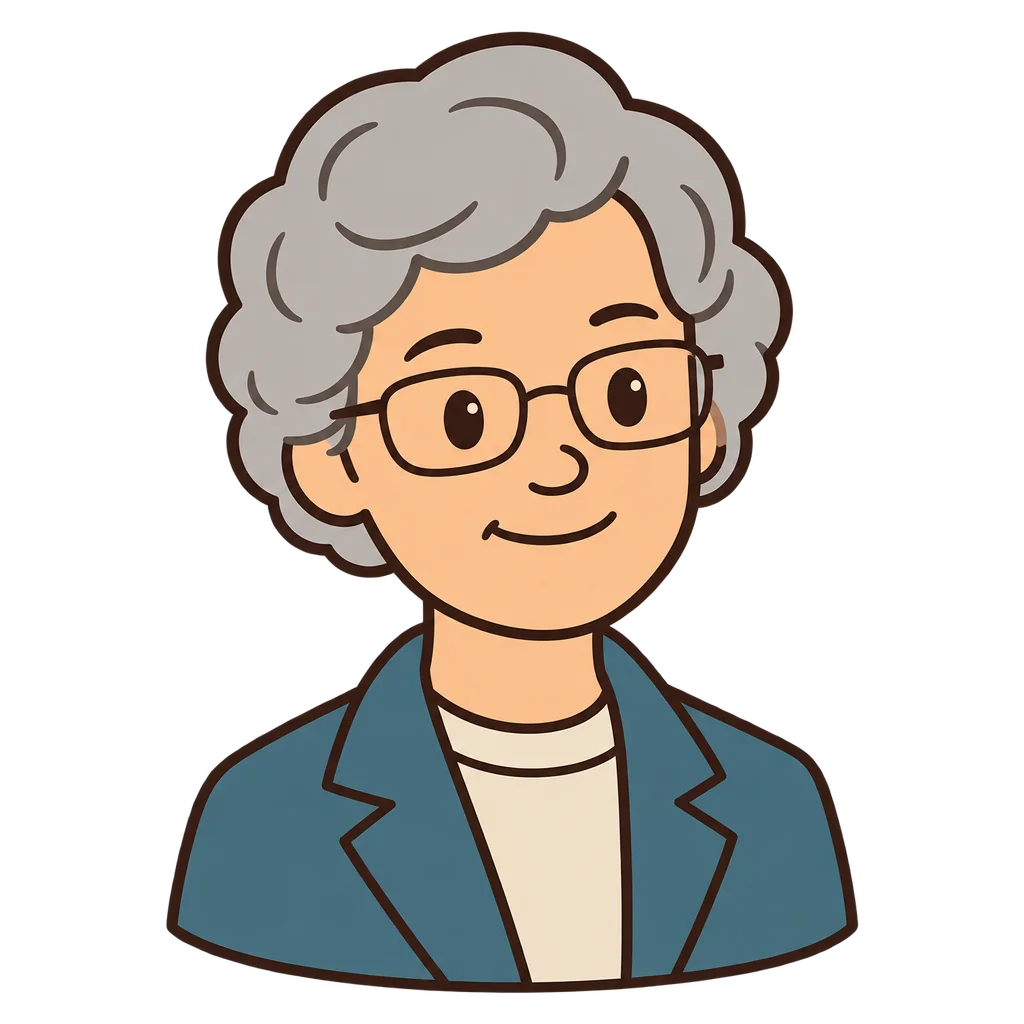
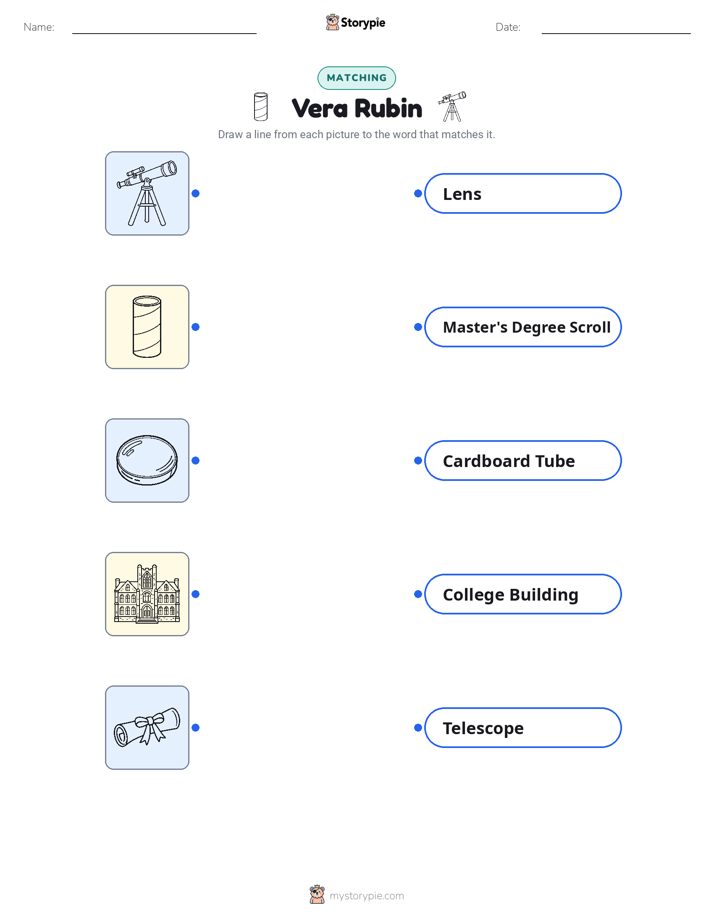
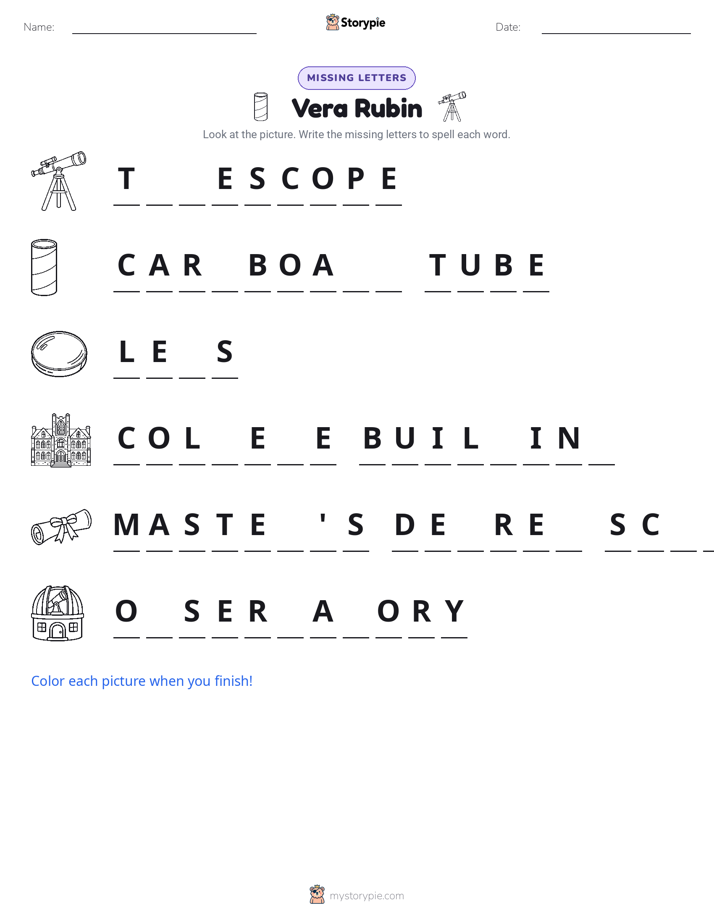
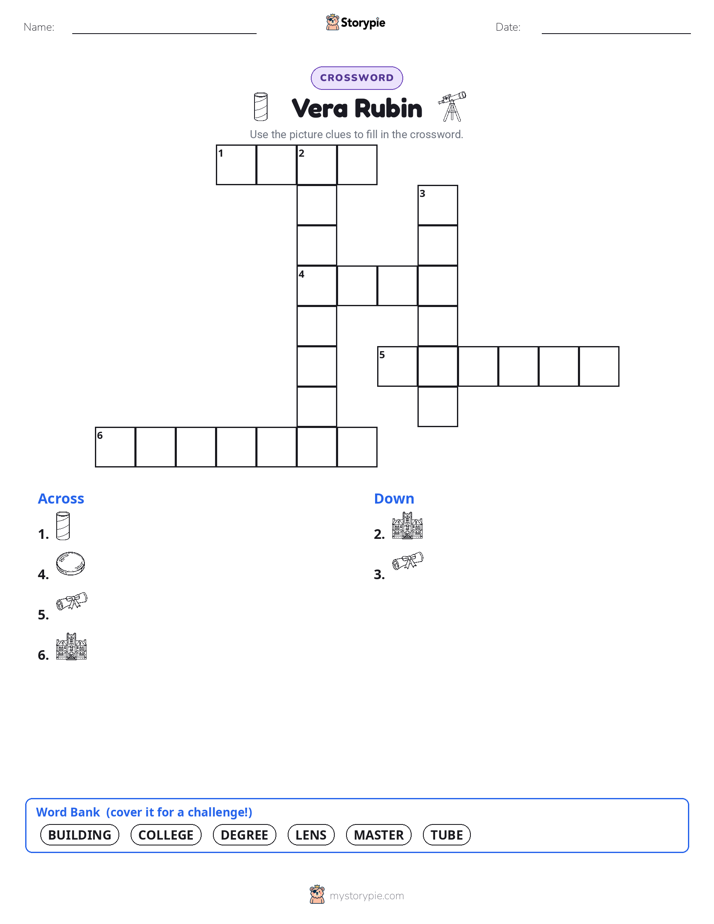
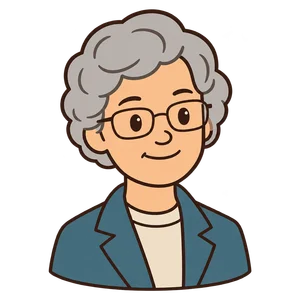
Hello! My name is Vera Rubin, and I was an astronomer. I was born on July 23rd, 1928, in Philadelphia, Pennsylvania. When I was about ten years old, my family moved to Washington, D.C. From my bedroom window, I would watch the stars spin across the night sky. I was fascinated! I wanted to know everything about them. I read every book about stars I could find in the library. My father was very supportive and even helped me build my very own telescope out of cardboard. I spent hours looking at meteor showers and charting the paths of stars. I knew, even as a young girl, that I wanted to spend my life studying the great mysteries of the universe.
When it was time for college, I knew exactly what I wanted to study: astronomy! I went to Vassar College and in 1948, I was the only person to graduate with a degree in astronomy that year. Back then, it was not easy for women to become scientists. After I graduated, I wanted to continue my studies at a big university called Princeton, but they told me women weren't allowed in their astronomy program. That was disappointing, but it didn't stop me. My husband, Robert Rubin, who was also a scientist, encouraged me to keep going. I ended up getting my master's degree from Cornell University in 1951 and then my Ph.D. from Georgetown University in 1954. I had a family and studied at night, but I was determined to follow my dream of exploring the cosmos.
In 1965, I started working at a place called the Carnegie Institution in Washington, D.C. There, I worked with another astronomer named Kent Ford. He had built a special new tool that could measure the light from very faint, faraway stars. We decided to study how galaxies spin. A galaxy is a huge collection of stars, dust, and gas, all held together by gravity. We thought that the stars on the outside of a galaxy would move much slower than the stars in the center, just like the outer planets in our solar system move slower than the inner ones. But what we found in the 1970s was amazing and strange. The stars on the edges of the galaxies were moving just as fast as the ones in the middle! They were going so fast they should have been flung out into space. The only way this was possible was if there was a lot of extra, invisible stuff in the galaxy whose gravity was holding everything together. We called this mysterious stuff 'dark matter.' We couldn't see it, but we could tell it was there by the way it pulled on the stars.
Vera Rubin
Hello! My name is Vera Rubin, and I was an astronomer. I was born on July 23rd, 1928, in Philadelphia, Pennsylvania. When I was about ten years old, my family moved to Washington, D.C. From my bedroom window, I would watch the stars spin across the night sky. I was fascinated! I wanted to know everything about them. I read every book about stars I could find in the library. My father was very supportive and even helped me build my very own telescope out of cardboard. I spent hours looking at meteor showers and charting the paths of stars. I knew, even as a young girl, that I wanted to spend my life studying the great mysteries of the universe.
When it was time for college, I knew exactly what I wanted to study: astronomy! I went to Vassar College and in 1948, I was the only person to graduate with a degree in astronomy that year. Back then, it was not easy for women to become scientists. After I graduated, I wanted to continue my studies at a big university called Princeton, but they told me women weren't allowed in their astronomy program. That was disappointing, but it didn't stop me. My husband, Robert Rubin, who was also a scientist, encouraged me to keep going. I ended up getting my master's degree from Cornell University in 1951 and then my Ph.D. from Georgetown University in 1954. I had a family and studied at night, but I was determined to follow my dream of exploring the cosmos.
In 1965, I started working at a place called the Carnegie Institution in Washington, D.C. There, I worked with another astronomer named Kent Ford. He had built a special new tool that could measure the light from very faint, faraway stars. We decided to study how galaxies spin. A galaxy is a huge collection of stars, dust, and gas, all held together by gravity. We thought that the stars on the outside of a galaxy would move much slower than the stars in the center, just like the outer planets in our solar system move slower than the inner ones. But what we found in the 1970s was amazing and strange. The stars on the edges of the galaxies were moving just as fast as the ones in the middle! They were going so fast they should have been flung out into space. The only way this was possible was if there was a lot of extra, invisible stuff in the galaxy whose gravity was holding everything together. We called this mysterious stuff 'dark matter.' We couldn't see it, but we could tell it was there by the way it pulled on the stars.
My discovery helped change the way we think about the universe, but I also wanted to make sure that other girls who loved science had a chance to follow their dreams. I remembered how hard it was for me to get started. In 1965, I became the first woman to officially be allowed to use the giant telescopes at the famous Palomar Observatory. I always encouraged other women to become astronomers and fought for them to have the same opportunities as men. In 1981, I was elected to the National Academy of Sciences, which is a big honor for a scientist. Then, in 1993, President Bill Clinton awarded me the National Medal of Science, the highest science award in the United States. I was so proud to be recognized for my work and for helping to clear a path for future scientists.
I spent my whole life looking up at the sky with wonder. I lived to be 88 years old, and I never stopped being curious. People remember me for providing the evidence that most of our universe is made of mysterious dark matter. My work showed us that there is so much more to the universe than what we can see with our eyes. I hope my story inspires you to look up at the stars, ask big questions, and never let anyone tell you that your dreams are out of reach. The universe is full of amazing secrets, and it's waiting for curious minds like yours to help uncover them.
Wow facts
About
Vera Rubin was a pioneering American astronomer whose observations of galaxy rotation rates provided some of the most direct and robust evidence for the existence of dark matter.
Take a Quiz
Question 1 of 5
In the story, I said I spent hours 'charting the paths of stars.' What does the word 'charting' mean here?
Explore next

Want to do even more?
Go beyond exploring. Unlock tools that turn every story into real learning.
Storypie Plus for families
Full stories, quizzes, and printables. Nights and car rides, sorted.
- Unlimited audio stories
- Create Mode: your child stars in the story
- Offline downloads
- Printable worksheets & coloring pages

Why Storypie for Schools
Students engaged. Prep in seconds. Evenings back to you.
- Worksheets & Quizzes
- Classroom Management
- Formative Assessment
- Custom Curriculum & Lesson Plans
- 27 Languages

Why Storypie for Homeschool
Curriculum done. They'll ask for more. Hours back in your day.
- Worksheet Generator
- First-Person Audio Stories
- Built-in Comprehension Quizzes
- Custom Curriculum & Lesson Plans
- Print & Go Activities