English

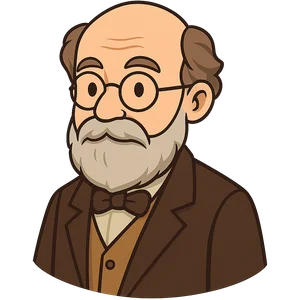
Wladimir Köppen
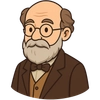
Wladimir Köppen was a German-Russian geographer, meteorologist, climatologist…
Reads at Grades 6–8 Listens at Grades 4–8
Print & create
Answer keys·No prep·Free with an account
28 worksheets · answer keys · full story · quiz · Ages 10-12 · CEFR B2
Plus adds 244,000+ more stories in 27 languages, audio for every one, and printables for all of them.
Just want Wladimir Köppen?
Hello! My name is Wladimir Köppen. My story begins on a crisp autumn day, September 25th, 1846, in Saint Petersburg, Russia, where I was born. My family moved to Crimea, a beautiful peninsula on the Black Sea, and I spent my days exploring the gardens and forests. Even as a boy, I was fascinated by the world around me. I noticed how different plants grew in different places and I wondered why. This curiosity about the connection between plants, the weather, and the land itself would guide my entire life's work.
When I was old enough for university in 1864, I decided to study botany—the science of plants. But soon my interests grew wider. I wanted to understand not just the plants, but the forces that shaped them. I moved to Germany to continue my studies, and in 1870, I earned my doctorate from the University of Leipzig. My final project was about how temperature affects the growth of plants. This was an important step for me, as I was beginning to see that the invisible forces of weather and climate held the key to understanding the patterns of life on Earth.
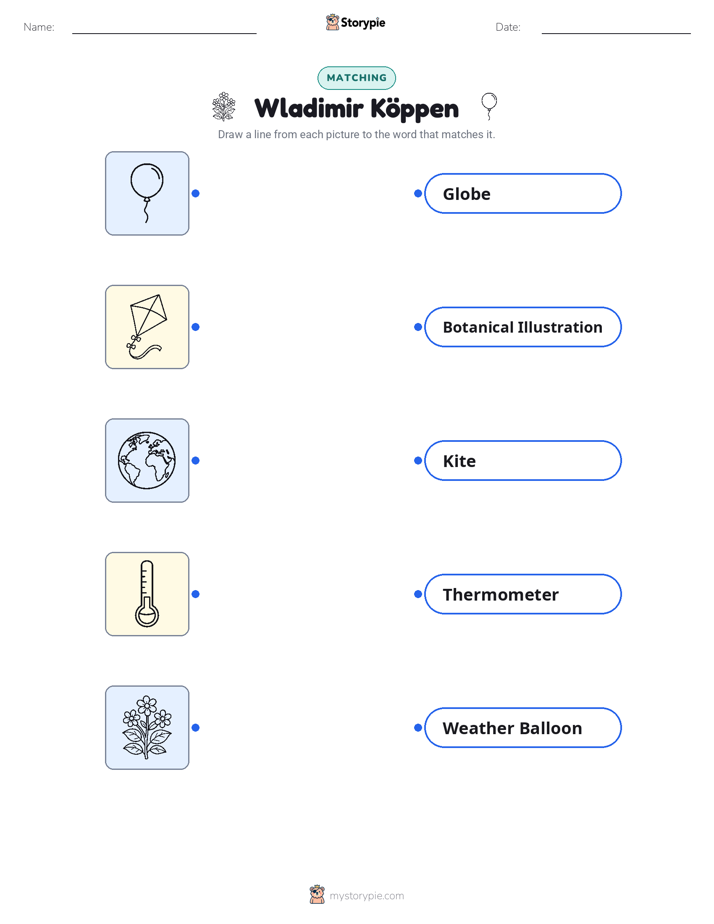
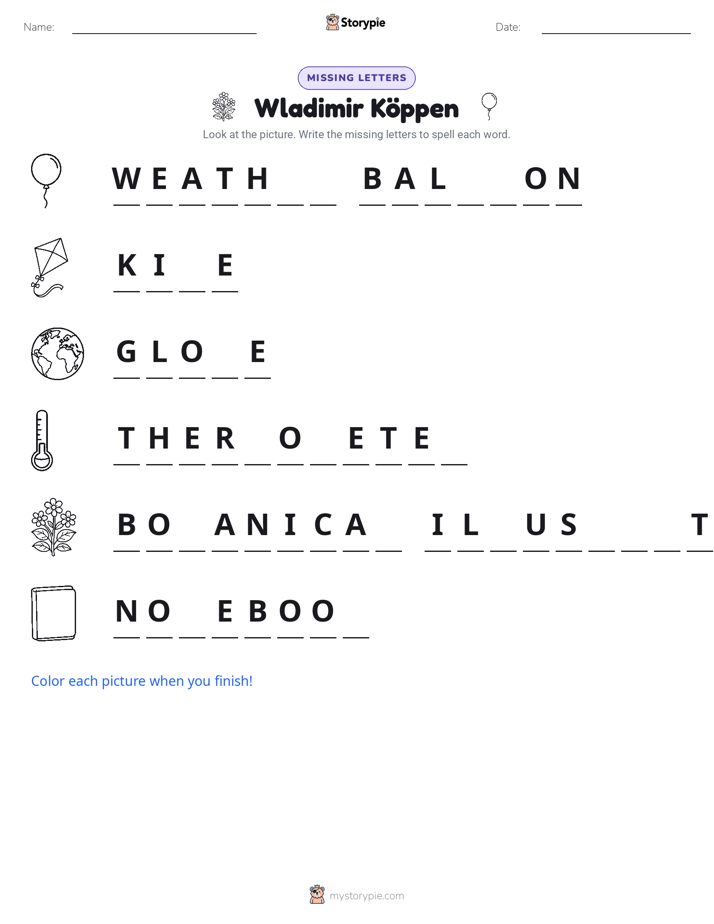
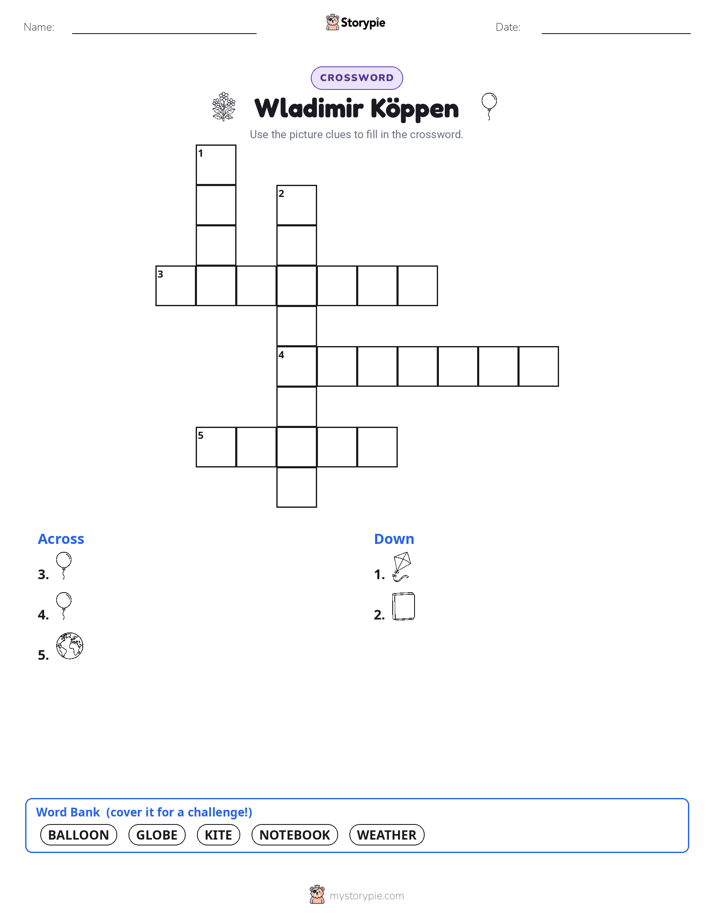
In 1875, I took a very important job in Hamburg, Germany. I became the director of a new department at the German Naval Observatory. My task was to study weather patterns to create forecasts for ships sailing on the seas. It was an exciting challenge! I studied data from weather balloons and kites to learn about the upper layers of the atmosphere. This work gave me access to weather reports and temperature readings from all over the globe. For the first time, I had the information I needed to start looking for big, worldwide patterns in the climate.
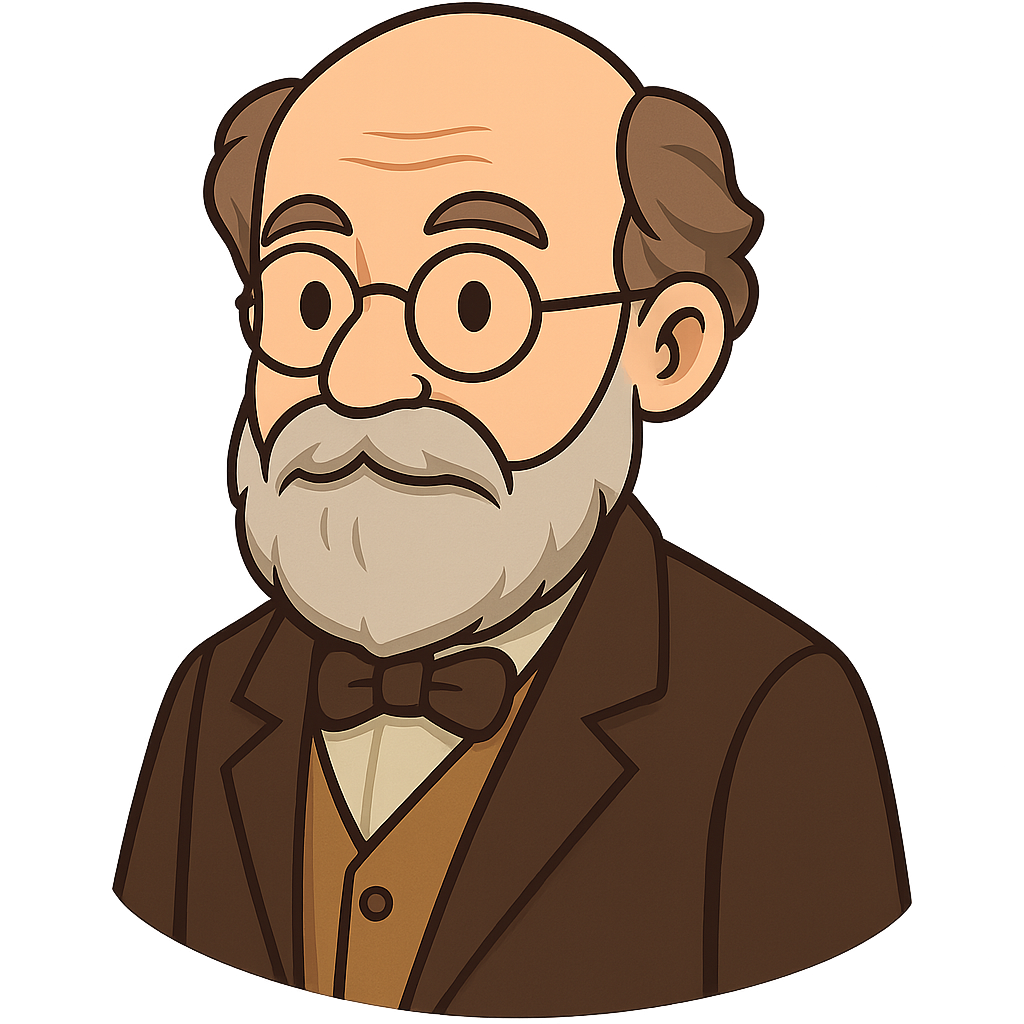
Wladimir Köppen
Hello! My name is Wladimir Köppen. My story begins on a crisp autumn day, September 25th, 1846, in Saint Petersburg, Russia, where I was born. My family moved to Crimea, a beautiful peninsula on the Black Sea, and I spent my days exploring the gardens and forests. Even as a boy, I was fascinated by the world around me. I noticed how different plants grew in different places and I wondered why. This curiosity about the connection between plants, the weather, and the land itself would guide my entire life's work.
When I was old enough for university in 1864, I decided to study botany—the science of plants. But soon my interests grew wider. I wanted to understand not just the plants, but the forces that shaped them. I moved to Germany to continue my studies, and in 1870, I earned my doctorate from the University of Leipzig. My final project was about how temperature affects the growth of plants. This was an important step for me, as I was beginning to see that the invisible forces of weather and climate held the key to understanding the patterns of life on Earth.
In 1875, I took a very important job in Hamburg, Germany. I became the director of a new department at the German Naval Observatory. My task was to study weather patterns to create forecasts for ships sailing on the seas. It was an exciting challenge! I studied data from weather balloons and kites to learn about the upper layers of the atmosphere. This work gave me access to weather reports and temperature readings from all over the globe. For the first time, I had the information I needed to start looking for big, worldwide patterns in the climate.
With all this data, I began to work on my biggest idea. I wanted to create a map that didn't just show countries and oceans, but also showed the different climate zones of the world. I realized that the best way to define a climate was by looking at the plants that naturally grew there. After all, a palm tree wouldn't grow in the icy arctic! I used measurements of temperature and rainfall to create a system of letters. For example, 'A' was for tropical climates, 'B' for dry desert climates, and 'E' for polar climates. I published my first climate map in 1884, but I wasn't finished. I spent the rest of my life improving it, publishing a much more detailed version in 1918. My goal was to create a simple, logical system that anyone could use to understand the climate of a place just by looking at a map.
I continued my work for many years, even collaborating with my son-in-law, Alfred Wegener, who had his own famous ideas about how the continents move. I lived to be 93 years old, passing away in 1940. I am so proud that the climate classification system I created is still one of the most widely used systems in the world today. When you see a map in a textbook with colorful zones showing tropical rainforests, deserts, and tundra, you are looking at an idea that grew from my childhood curiosity. I hope my work inspires you to look closely at the world, ask big questions, and search for the hidden patterns that connect us all.
Wow facts
About
Wladimir Köppen was a German-Russian geographer, meteorologist, climatologist, and botanist best known for developing the Köppen climate classification system, which is still widely used today.
Take a Quiz
Question 1 of 5
What was the main goal that I, Wladimir Köppen, worked on for most of my life?
Explore next



Want to do even more?
Go beyond exploring. Unlock tools that turn every story into real learning.

Storypie Plus for families
Full stories, quizzes, and printables. Nights and car rides, sorted.
- Unlimited audio stories
- Create Mode: your child stars in the story
- Offline downloads
- Printable worksheets & coloring pages

Why Storypie for Schools
Students engaged. Prep in seconds. Evenings back to you.
- Worksheets & Quizzes
- Classroom Management
- Formative Assessment
- Custom Curriculum & Lesson Plans
- 27 Languages

Why Storypie for Homeschool
Curriculum done. They'll ask for more. Hours back in your day.
- Worksheet Generator
- First-Person Audio Stories
- Built-in Comprehension Quizzes
- Custom Curriculum & Lesson Plans
- Print & Go Activities