English

Ancestral Puebloans (Anasazi)
The Ancestral Puebloans were an ancient Native American culture that spanned the present-day Four Corners…
Reads at Grades 6–8 Listens at Grades 4–8
Print & create
Answer keys·No prep·Free with an account
28 worksheets · answer keys · full story · quiz · Ages 10-12 · CEFR B2
Plus adds 244,000+ more stories in 27 languages, audio for every one, and printables for all of them.
Just want Ancestral Puebloans (Anasazi)?
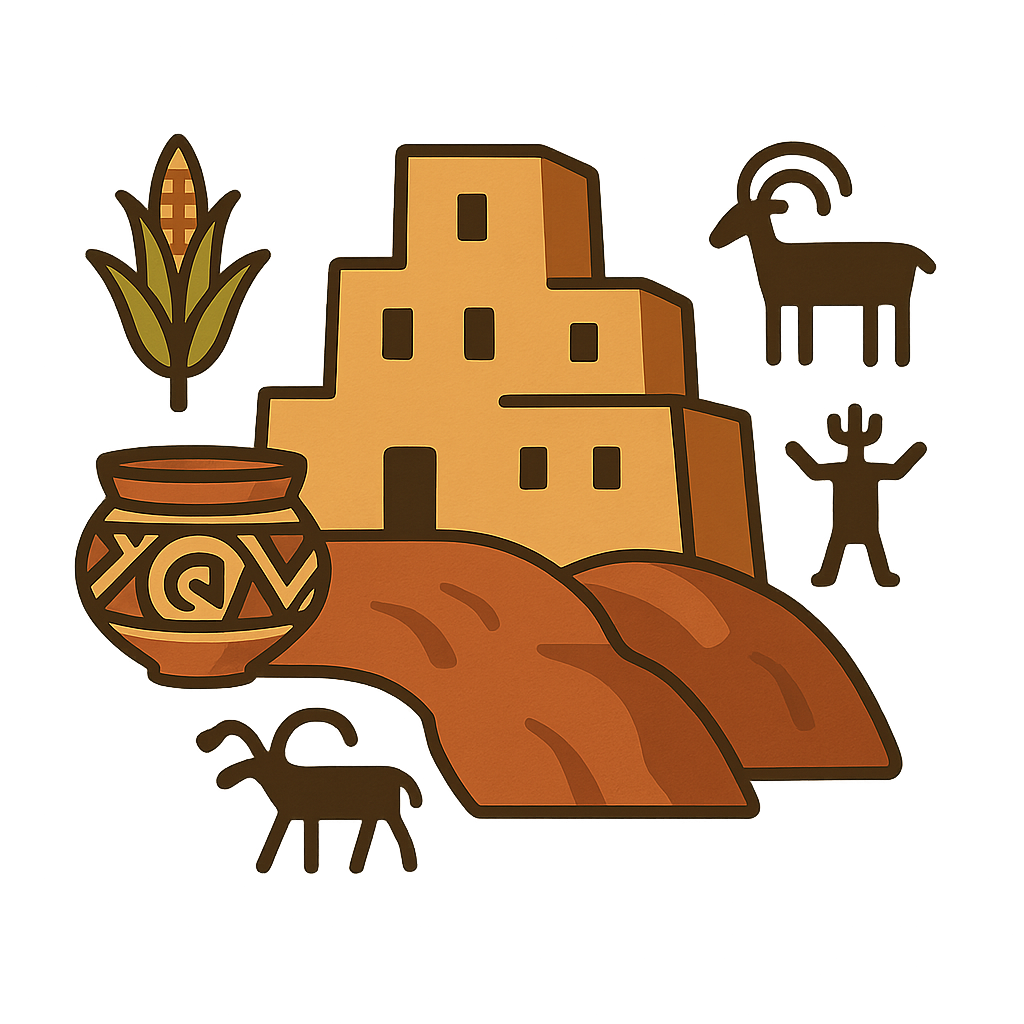
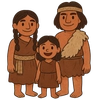
Imagine a land of red rock and endless blue sky. Picture a home tucked into the curve of a giant sandstone cliff, hundreds of feet above the canyon floor. Who could live in such a place? I can tell you. I am not a person, but the spirit of a people, a memory carried on the desert wind. I am the story of those who built these amazing homes. You might have heard me called the 'Anasazi,' a name given by others long ago, but my descendants, who still live in this land, call me the Ancestral Puebloans. My story is not just about silent stone ruins; it’s about families, farmers, artists, and astronomers who created a vibrant world here, thousands of years before the United States existed.
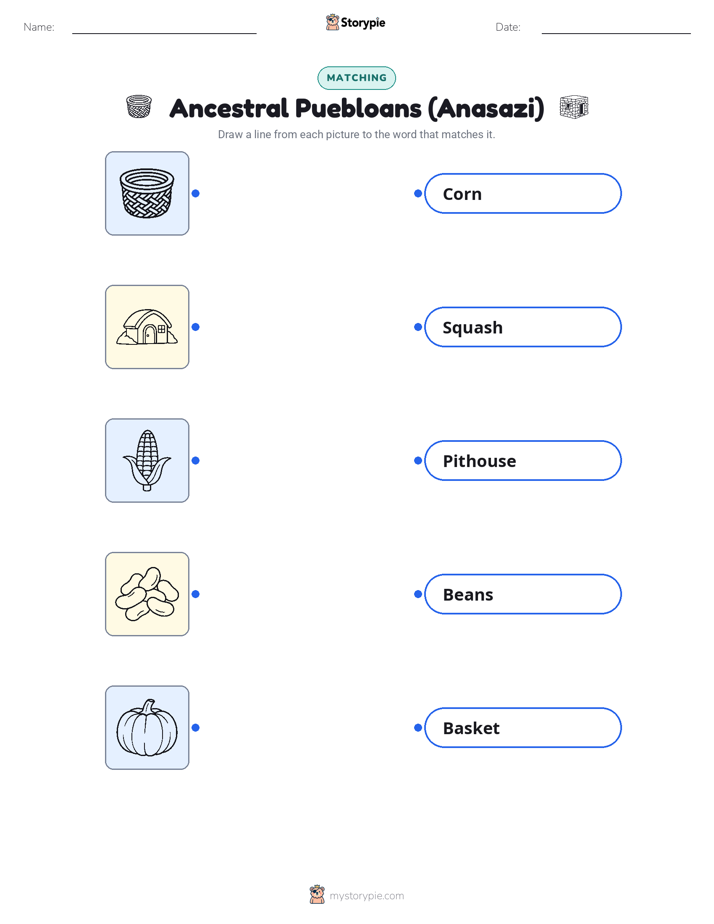
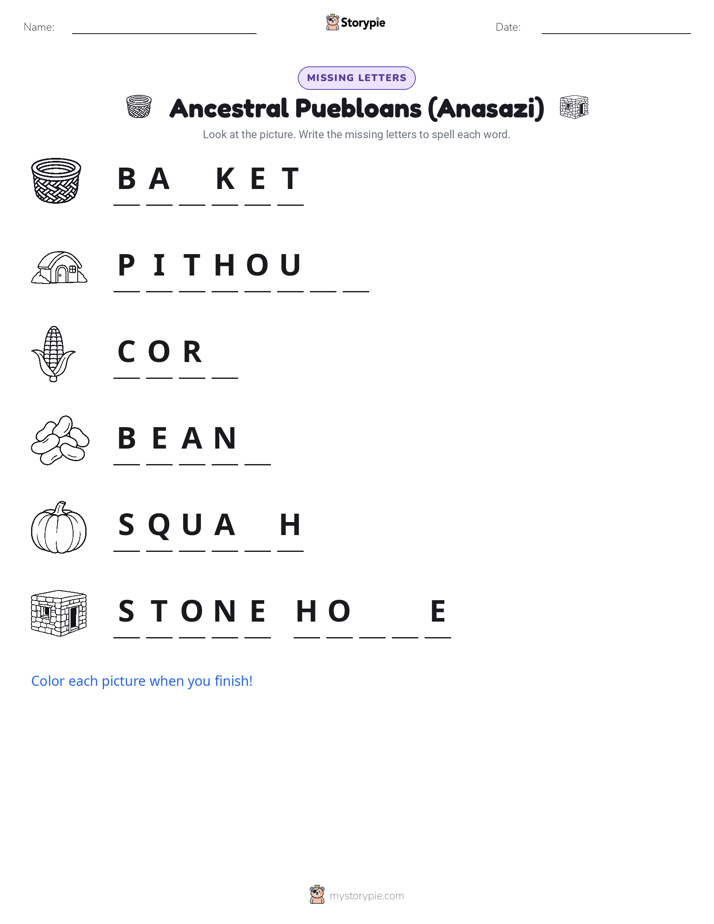
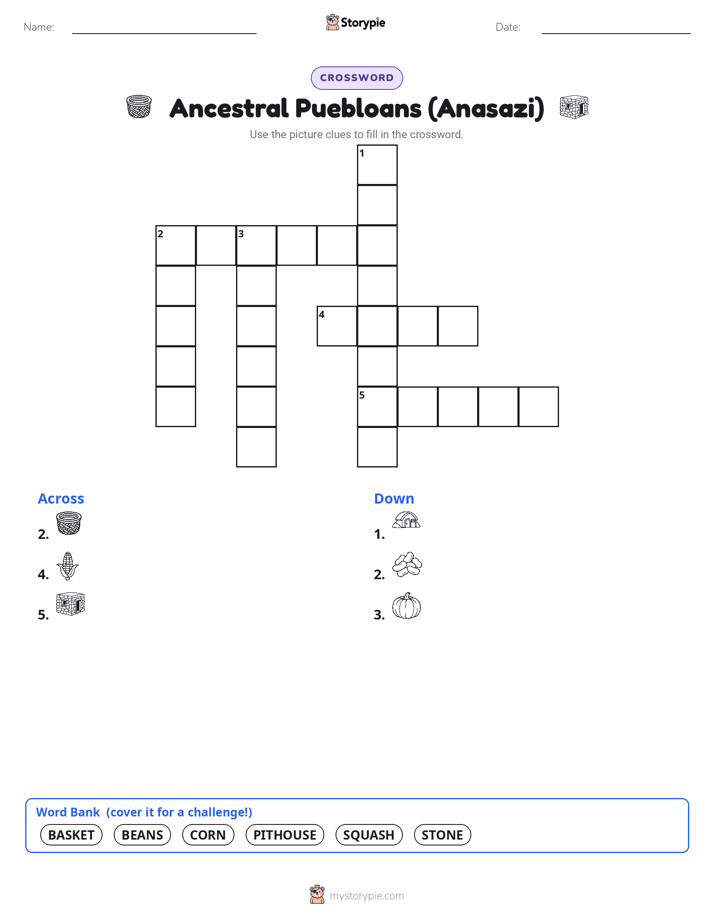
My journey began a very long time ago. During what scientists call the Basketmaker II period, starting around 1500 BCE, my people were masters of weaving. They could weave baskets from yucca plants so tightly they could hold water or cook food with hot stones. They lived in clever homes called pithouses, which were dug partially into the ground to stay cool in the summer and warm in the winter. Life revolved around the 'Three Sisters'—corn, beans, and squash—crops they learned to farm in this dry land. Around 750 CE, during the Pueblo I period, a big change happened. My people began building their homes above ground, using stones and mud mortar to create sturdy, rectangular rooms. They started grouping these houses into small villages. This was also when they perfected a new art form: making beautiful pottery, often painted with stunning black geometric designs on a white background. Each pot told a story, a pattern of belief and beauty.
The Spirit of the Stone Cities
Imagine a land of red rock and endless blue sky. Picture a home tucked into the curve of a giant sandstone cliff, hundreds of feet above the canyon floor. Who could live in such a place? I can tell you. I am not a person, but the spirit of a people, a memory carried on the desert wind. I am the story of those who built these amazing homes. You might have heard me called the 'Anasazi,' a name given by others long ago, but my descendants, who still live in this land, call me the Ancestral Puebloans. My story is not just about silent stone ruins; it’s about families, farmers, artists, and astronomers who created a vibrant world here, thousands of years before the United States existed.
My journey began a very long time ago. During what scientists call the Basketmaker II period, starting around 1500 BCE, my people were masters of weaving. They could weave baskets from yucca plants so tightly they could hold water or cook food with hot stones. They lived in clever homes called pithouses, which were dug partially into the ground to stay cool in the summer and warm in the winter. Life revolved around the 'Three Sisters'—corn, beans, and squash—crops they learned to farm in this dry land. Around 750 CE, during the Pueblo I period, a big change happened. My people began building their homes above ground, using stones and mud mortar to create sturdy, rectangular rooms. They started grouping these houses into small villages. This was also when they perfected a new art form: making beautiful pottery, often painted with stunning black geometric designs on a white background. Each pot told a story, a pattern of belief and beauty.
Between 900 CE and 1150 CE, my culture reached an incredible height. In a place you now call Chaco Canyon, my people built enormous stone buildings called 'great houses.' The largest, Pueblo Bonito, was a D-shaped structure four stories high with over 600 rooms. It was a center for trade, ceremony, and community that drew people from all over the region. They engineered long, straight roads that stretched for miles, connecting Chaco to dozens of other settlements. They were also expert astronomers, designing buildings to align with the movements of the sun and moon, which helped them track the seasons for planting and ceremonies. Then, starting around 1150 CE, another shift occurred. My people began building their villages in the protective shelter of massive cliff alcoves. In places like Mesa Verde, they constructed breathtaking multi-story 'cliff palaces.' Life was a vertical dance of climbing wooden ladders to reach homes and tending to farms on the flat mesa tops above. At the heart of every village were circular, underground rooms called kivas. These were sacred spaces for ceremonies, meetings, and storytelling, connecting the people to each other and to the world around them.
By the year 1300 CE, my people had left the great cliff dwellings and canyon centers. For a long time, people wondered why, calling it a mystery. But it wasn't a disappearance; it was a migration. After a severe drought that lasted for decades, life in the Four Corners region became incredibly difficult. My people did what they always had: they adapted. They gathered their families and traditions and journeyed to new homes where water was more reliable, like along the Rio Grande in New Mexico and the mesas of Arizona. This was not the end of my story. Today, my spirit, my knowledge, and my legacy are alive and well. The modern Pueblo peoples—including the Hopi, Zuni, Acoma, and the people of the many pueblos of the Rio Grande Valley—are my direct descendants. They carry on the traditions of farming, pottery, and ceremony. Their languages echo the past, and their deep connection to the land is a powerful reminder that a culture is not just about buildings, but about people and their enduring spirit. My story is one of resilience, innovation, and a journey that continues to this day.
Wow facts
About
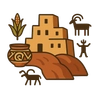
The Ancestral Puebloans were an ancient Native American culture that spanned the present-day Four Corners region of the United States, renowned for their agriculture, pottery, and unique cliff dwellings and pueblos.
Take a Quiz
Question 1 of 5
What is the main idea of this story?
Explore next

Want to do even more?
Go beyond exploring. Unlock tools that turn every story into real learning.

Storypie Plus for families
Full stories, quizzes, and printables. Nights and car rides, sorted.
- Unlimited audio stories
- Create Mode: your child stars in the story
- Offline downloads
- Printable worksheets & coloring pages

Why Storypie for Schools
Students engaged. Prep in seconds. Evenings back to you.
- Worksheets & Quizzes
- Classroom Management
- Formative Assessment
- Custom Curriculum & Lesson Plans
- 27 Languages

Why Storypie for Homeschool
Curriculum done. They'll ask for more. Hours back in your day.
- Worksheet Generator
- First-Person Audio Stories
- Built-in Comprehension Quizzes
- Custom Curriculum & Lesson Plans
- Print & Go Activities