English

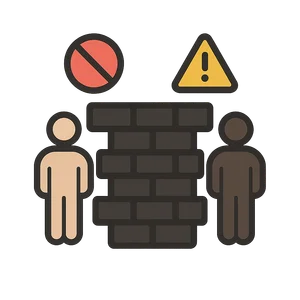
Apartheid
Apartheid was a system of institutionalized racial segregation and discrimination that existed in South…
Reads at Grades 3–5 Listens at Grades 1–5
Print & create
Answer keys·No prep·Free with an account
28 worksheets · answer keys · full story · quiz · Ages 8-10 · CEFR B1
Plus adds 102,000+ more stories in 27 languages, audio for every one, and printables for all of them.
Just want Apartheid?
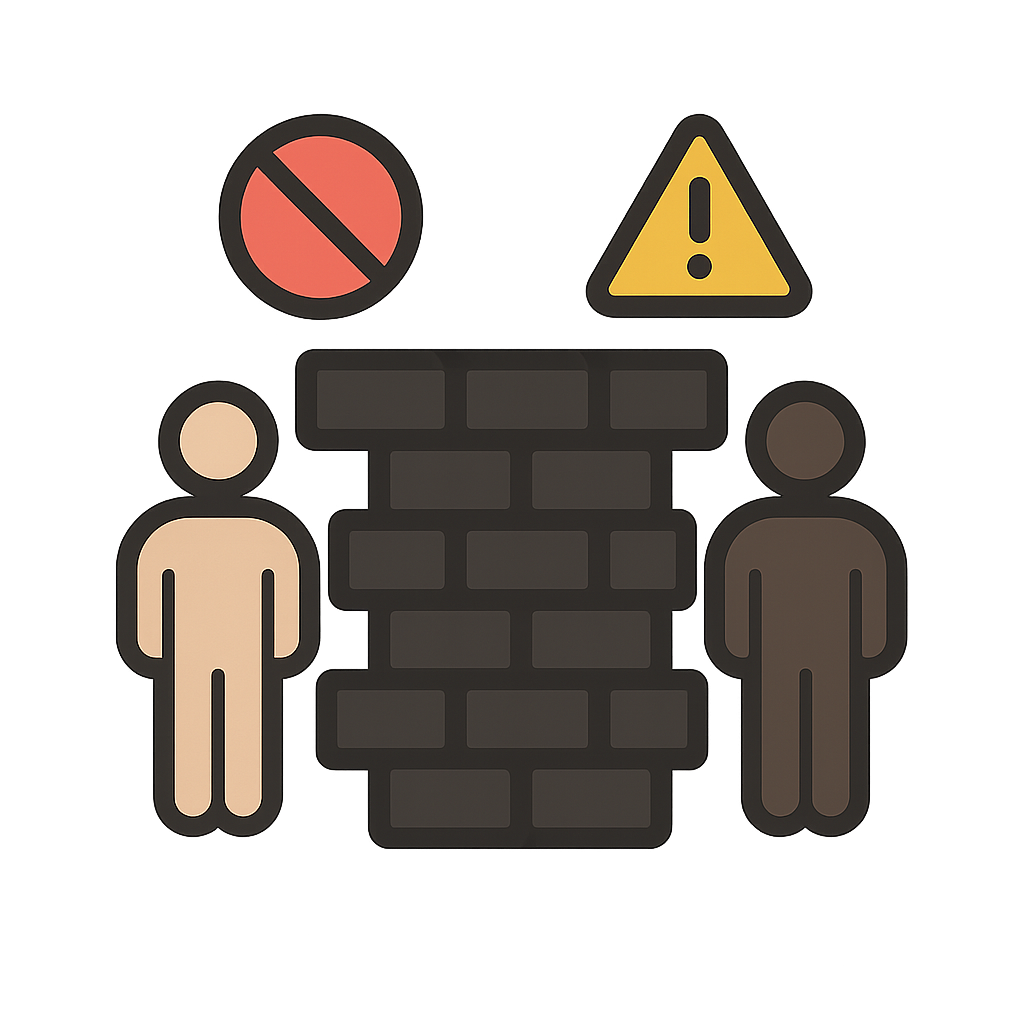
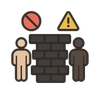
Hello. I am an idea. But I am not a happy one. I am a sad, heavy idea that once took over a whole country. Before I was given a name, I was a feeling of separation. Can you imagine a playground where children were told they couldn't play together just because their skin was a different color? Or a town where families were forced to move from their homes, leaving behind their friends and memories, all because of who they were? I was the invisible wall that stood between them, making people feel like strangers in their own land. I whispered a terrible lie into the ears of those in power: that being different made one person better than another. I built real walls too, not just invisible ones. I made rules that were not fair, rules that broke people's hearts and separated families for no good reason. I am a memory of a time when fairness was forgotten, a painful chapter in a nation's history, but one that must be remembered so it is never repeated.
In the beautiful country of South Africa, a land of sunny skies and vast landscapes, people finally gave me a name. They called me Apartheid, a word in the Afrikaans language that means 'apartness.' My story officially began on May 26th, 1948, when a new government, the National Party, came to power. They took me, a bad feeling, and turned me into a set of powerful, cruel laws. These laws weren't like rules for a game; they controlled every part of a person's life. The government classified every single person by the color of their skin—'White,' 'Black,' 'Coloured,' or 'Indian.' These labels decided everything for you. Can you imagine? They determined where you could live, which school you could attend, what job you could have, and even which hospital you could go to if you were sick. I put up signs on benches, beaches, and buses, telling people which ones they were allowed to use, separating them at every turn. For Black South Africans, who were the majority of the population, life became very hard. They were forced to carry special passbooks just to travel in their own country and were pushed into separate, crowded areas called townships, often far away from the cities where they worked. I was a system designed to keep people apart.
The Idea That Built Walls
Hello. I am an idea. But I am not a happy one. I am a sad, heavy idea that once took over a whole country. Before I was given a name, I was a feeling of separation. Can you imagine a playground where children were told they couldn't play together just because their skin was a different color? Or a town where families were forced to move from their homes, leaving behind their friends and memories, all because of who they were? I was the invisible wall that stood between them, making people feel like strangers in their own land. I whispered a terrible lie into the ears of those in power: that being different made one person better than another. I built real walls too, not just invisible ones. I made rules that were not fair, rules that broke people's hearts and separated families for no good reason. I am a memory of a time when fairness was forgotten, a painful chapter in a nation's history, but one that must be remembered so it is never repeated.
In the beautiful country of South Africa, a land of sunny skies and vast landscapes, people finally gave me a name. They called me Apartheid, a word in the Afrikaans language that means 'apartness.' My story officially began on May 26th, 1948, when a new government, the National Party, came to power. They took me, a bad feeling, and turned me into a set of powerful, cruel laws. These laws weren't like rules for a game; they controlled every part of a person's life. The government classified every single person by the color of their skin—'White,' 'Black,' 'Coloured,' or 'Indian.' These labels decided everything for you. Can you imagine? They determined where you could live, which school you could attend, what job you could have, and even which hospital you could go to if you were sick. I put up signs on benches, beaches, and buses, telling people which ones they were allowed to use, separating them at every turn. For Black South Africans, who were the majority of the population, life became very hard. They were forced to carry special passbooks just to travel in their own country and were pushed into separate, crowded areas called townships, often far away from the cities where they worked. I was a system designed to keep people apart.
But even the most powerful, unfair idea cannot silence the human heart's desire for freedom and fairness. Many brave people in South Africa and all around the world knew I was wrong. They refused to accept me. They stood up and said 'No!' with a voice that grew louder and louder. Leaders like Nelson Mandela and organizations like the African National Congress, or ANC, organized protests, marches, and speeches to fight against my rules. They risked their jobs, their homes, and even their lives for a future where everyone could be treated with dignity and respect. The fight was long and difficult. Tragic events, like the Sharpeville protest on March 21st, 1960, and the Soweto student uprising on June 16th, 1976, showed the world the deep sadness and pain I caused. When news of these events spread, people everywhere began to help. They put pressure on South Africa's government, with many countries refusing to trade or play sports with them until I was gone. For many years, the fight continued, fueled by the powerful hope for a new day of equality.
Finally, after decades of struggle, the voices of justice grew too loud to ignore. My heavy walls began to crumble. A huge step happened in 1990 when Nelson Mandela, a symbol of the fight for freedom, was freed after being in prison for 27 long years. Then, on April 27th, 1994, something truly wonderful happened. For the very first time in history, all South Africans, of every skin color, could vote together in a free and fair election. They chose Nelson Mandela as their new president. That was the day I officially ended. Today, I am no longer a law; I am a lesson. My story is remembered in museums and books so that no one ever builds those walls of separation again. It is a powerful reminder that people, working together with courage and hope, can overcome injustice and create a world where everyone belongs.
Wow facts
About
Apartheid was a system of institutionalized racial segregation and discrimination that existed in South Africa and South West Africa (now Namibia) from 1948 until the early 1990s.
Take a Quiz
Question 1 of 5
The story says Apartheid whispered a 'terrible lie.' In your own words, what was this lie?
Explore next


Want to do even more?
Go beyond exploring. Unlock tools that turn every story into real learning.

Storypie Plus for families
Full stories, quizzes, and printables. Nights and car rides, sorted.
- Unlimited audio stories
- Create Mode: your child stars in the story
- Offline downloads
- Printable worksheets & coloring pages

Why Storypie for Schools
Students engaged. Prep in seconds. Evenings back to you.
- Worksheets & Quizzes
- Classroom Management
- Formative Assessment
- Custom Curriculum & Lesson Plans
- 27 Languages

Why Storypie for Homeschool
Curriculum done. They'll ask for more. Hours back in your day.
- Worksheet Generator
- First-Person Audio Stories
- Built-in Comprehension Quizzes
- Custom Curriculum & Lesson Plans
- Print & Go Activities