English

Apartheid
Apartheid was a system of institutionalized racial segregation and discrimination that existed in South…
Reads at Grades 6–8 Listens at Grades 4–8
Print & create
Answer keys·No prep·Free with an account
28 worksheets · answer keys · full story · quiz · Ages 10-12 · CEFR B2
Plus adds 102,000+ more stories in 27 languages, audio for every one, and printables for all of them.
Just want Apartheid?
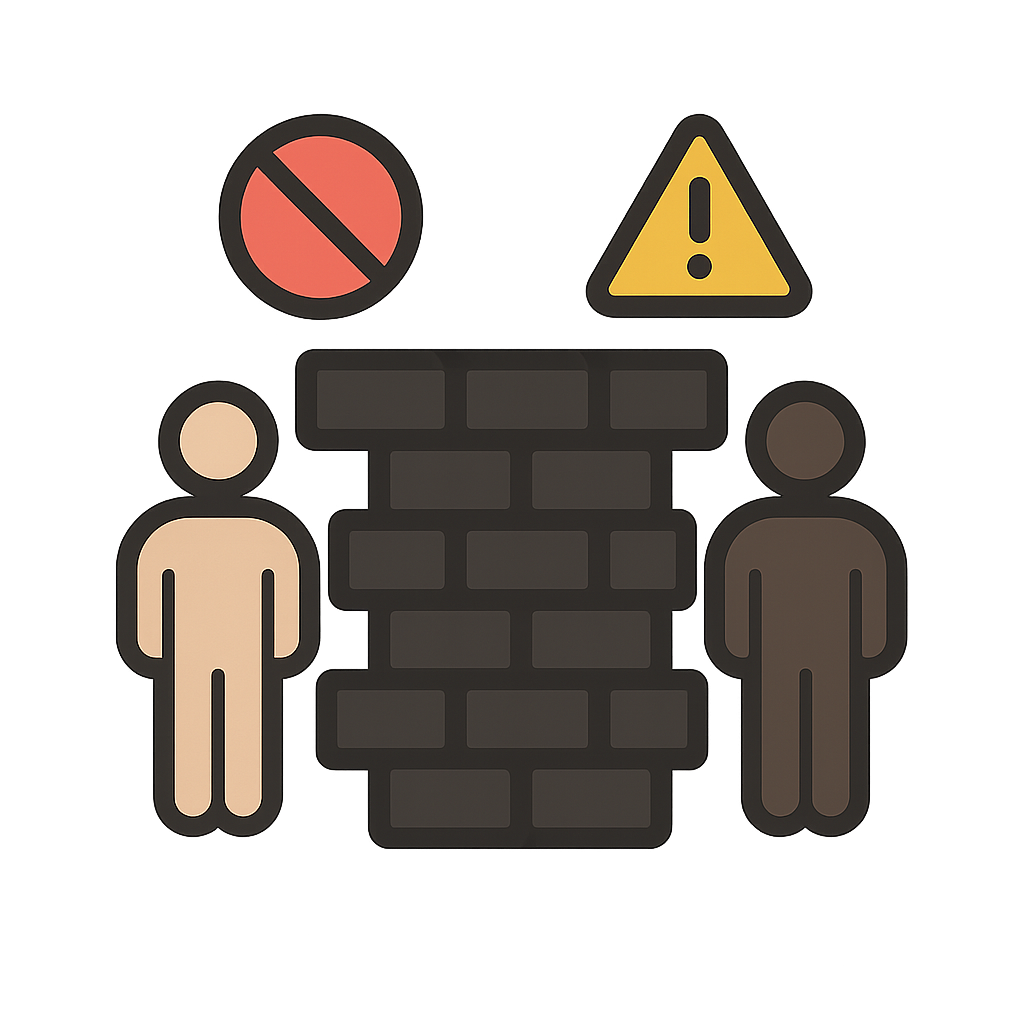
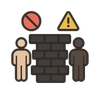
Imagine living in a world full of invisible walls. You can’t see them, but you feel their presence every day. They dictate where you can live, which school you are permitted to attend, and even which bench you can sit on in a public park. I am the idea that builds those walls. Before I was given a formal name, I was a feeling of profound unfairness, a shadow that stretched over a beautiful country, making people who lived side-by-side feel like complete strangers. I whispered that the color of a person’s skin was the most important thing about them, more significant than their kindness, their intelligence, their dreams, or their unique talents. I convinced one group of people that they were superior, granting them all the power, the best homes, and the greatest opportunities, while systematically taking those same things away from everyone else. I was not born from truth or logic; I was carefully constructed from fear and a deep-seated desire for control. I turned neighbors into outsiders in their own homeland, creating a society built on division and inequality. I was a poison that seeped into the heart of a nation, setting its people against one another based on nothing more than their appearance.
In the year 1948, in a country called South Africa, a new government came to power. They were called the National Party, and they decided it was time to give me a formal name and structure. They called me Apartheid. In the Afrikaans language, a language spoken there, my name simply means ‘apart-ness’ or ‘separateness.’ Suddenly, I wasn't just a shadowy idea anymore; I was the law of the land, enforced with the full power of the state. The government created a complex and cruel system to divide every single person into four main racial groups: White, Black, Coloured, and Indian. Then, they began passing laws designed to keep these groups completely separate and unequal. One of the most destructive laws was the Group Areas Act of 1950, which forcibly removed people from their homes and communities, relocating them into segregated neighborhoods. I dictated every aspect of life. There were separate hospitals, separate schools, separate entrances to buildings, and even separate beaches. The best of everything was legally reserved for white people, while black South Africans and other non-white groups were given inferior resources and services. I even made it a crime for people of different races to fall in love and marry each other through the Prohibition of Mixed Marriages Act in 1949. I was a meticulously designed system meant to control every part of a person's life, from birth to death, all based on the color of their skin.
The Story of Apartheid
Imagine living in a world full of invisible walls. You can’t see them, but you feel their presence every day. They dictate where you can live, which school you are permitted to attend, and even which bench you can sit on in a public park. I am the idea that builds those walls. Before I was given a formal name, I was a feeling of profound unfairness, a shadow that stretched over a beautiful country, making people who lived side-by-side feel like complete strangers. I whispered that the color of a person’s skin was the most important thing about them, more significant than their kindness, their intelligence, their dreams, or their unique talents. I convinced one group of people that they were superior, granting them all the power, the best homes, and the greatest opportunities, while systematically taking those same things away from everyone else. I was not born from truth or logic; I was carefully constructed from fear and a deep-seated desire for control. I turned neighbors into outsiders in their own homeland, creating a society built on division and inequality. I was a poison that seeped into the heart of a nation, setting its people against one another based on nothing more than their appearance.
In the year 1948, in a country called South Africa, a new government came to power. They were called the National Party, and they decided it was time to give me a formal name and structure. They called me Apartheid. In the Afrikaans language, a language spoken there, my name simply means ‘apart-ness’ or ‘separateness.’ Suddenly, I wasn't just a shadowy idea anymore; I was the law of the land, enforced with the full power of the state. The government created a complex and cruel system to divide every single person into four main racial groups: White, Black, Coloured, and Indian. Then, they began passing laws designed to keep these groups completely separate and unequal. One of the most destructive laws was the Group Areas Act of 1950, which forcibly removed people from their homes and communities, relocating them into segregated neighborhoods. I dictated every aspect of life. There were separate hospitals, separate schools, separate entrances to buildings, and even separate beaches. The best of everything was legally reserved for white people, while black South Africans and other non-white groups were given inferior resources and services. I even made it a crime for people of different races to fall in love and marry each other through the Prohibition of Mixed Marriages Act in 1949. I was a meticulously designed system meant to control every part of a person's life, from birth to death, all based on the color of their skin.
But an idea as fundamentally wrong as me could not exist without a fight. Brave South Africans of all races recognized my injustice and rose up to challenge me. Visionary leaders like Nelson Mandela, Walter Sisulu, Oliver Tambo, and many others in the African National Congress, or ANC, organized protests, marches, and strikes. They demanded a fair, democratic, and non-racial country for everyone. Their struggle was incredibly difficult and dangerous. The government that used me as their primary tool for control responded with brutal force. On March 21st, 1960, a peaceful protest against pass laws in the town of Sharpeville ended in tragedy when police opened fire on the crowd. This event shocked the world. Years later, on June 16th, 1976, courageous students in Soweto marched to protest the poor quality of their education and being forced to learn in Afrikaans. Their bravery inspired a new and determined generation of activists. The world watched these events in horror. People in other countries began to act. They refused to buy South African products in a movement called a boycott. Famous musicians and artists refused to perform in the country. South Africa's athletes were banned from international competitions like the Olympic Games. This global pressure, known as sanctions, helped to isolate the South African government economically and politically. The world was sending a clear, unified message: I, Apartheid, was morally wrong, and I had to be dismantled. The voices calling for freedom grew louder and louder, echoing from inside South Africa's prisons and across the oceans.
My power finally began to crumble in the late 1980s. The combination of sustained internal resistance and immense international pressure was too strong to withstand. The country's economy was suffering, and its moral standing was gone. A new president, F.W. de Klerk, recognized that I was unsustainable and that change was inevitable. On February 11th, 1990, something the world had long hoped for happened: Nelson Mandela was freed from prison after 27 long years. His release was a symbol of hope and was celebrated globally. Over the next few years, the very laws that gave me life were taken apart, one by one. The invisible walls started to come down. The final moment of my defeat came on April 27th, 1994. On that historic day, South Africa held its first-ever election where every citizen, regardless of their skin color, had the right to vote. Nelson Mandela was elected as the first president of a new, democratic South Africa. I, the idea of Apartheid, was officially replaced by a new, hopeful idea: a 'Rainbow Nation.' This term, famously used by Archbishop Desmond Tutu, described a country where all people could live together in peace and equality. My story is a sad and cautionary one, but it is also a powerful reminder. It shows that even the most deeply entrenched systems of injustice can be overcome by unwavering courage, relentless determination, and the universal belief that every human being deserves to be treated with dignity and respect. Remembering me helps ensure that no such idea is ever given power again.
Wow facts
About
Apartheid was a system of institutionalized racial segregation and discrimination that existed in South Africa and South West Africa (now Namibia) from 1948 until the early 1990s.
Take a Quiz
Question 1 of 5
In your own words, what was the main conflict in the story, and how was it resolved?
Explore next





Want to do even more?
Go beyond exploring. Unlock tools that turn every story into real learning.

Storypie Plus for families
Full stories, quizzes, and printables. Nights and car rides, sorted.
- Unlimited audio stories
- Create Mode: your child stars in the story
- Offline downloads
- Printable worksheets & coloring pages

Why Storypie for Schools
Students engaged. Prep in seconds. Evenings back to you.
- Worksheets & Quizzes
- Classroom Management
- Formative Assessment
- Custom Curriculum & Lesson Plans
- 27 Languages

Why Storypie for Homeschool
Curriculum done. They'll ask for more. Hours back in your day.
- Worksheet Generator
- First-Person Audio Stories
- Built-in Comprehension Quizzes
- Custom Curriculum & Lesson Plans
- Print & Go Activities