English

Cherokee Nation
The Cherokee Nation is a sovereign tribal government of the Cherokee people…
Reads at Grades 6–8 Listens at Grades 4–8
Print & create
Answer keys·No prep·Free with an account
28 worksheets · answer keys · full story · quiz · Ages 10-12 · CEFR B2
Plus adds 102,000+ more stories in 27 languages, audio for every one, and printables for all of them.
Just want Cherokee Nation?
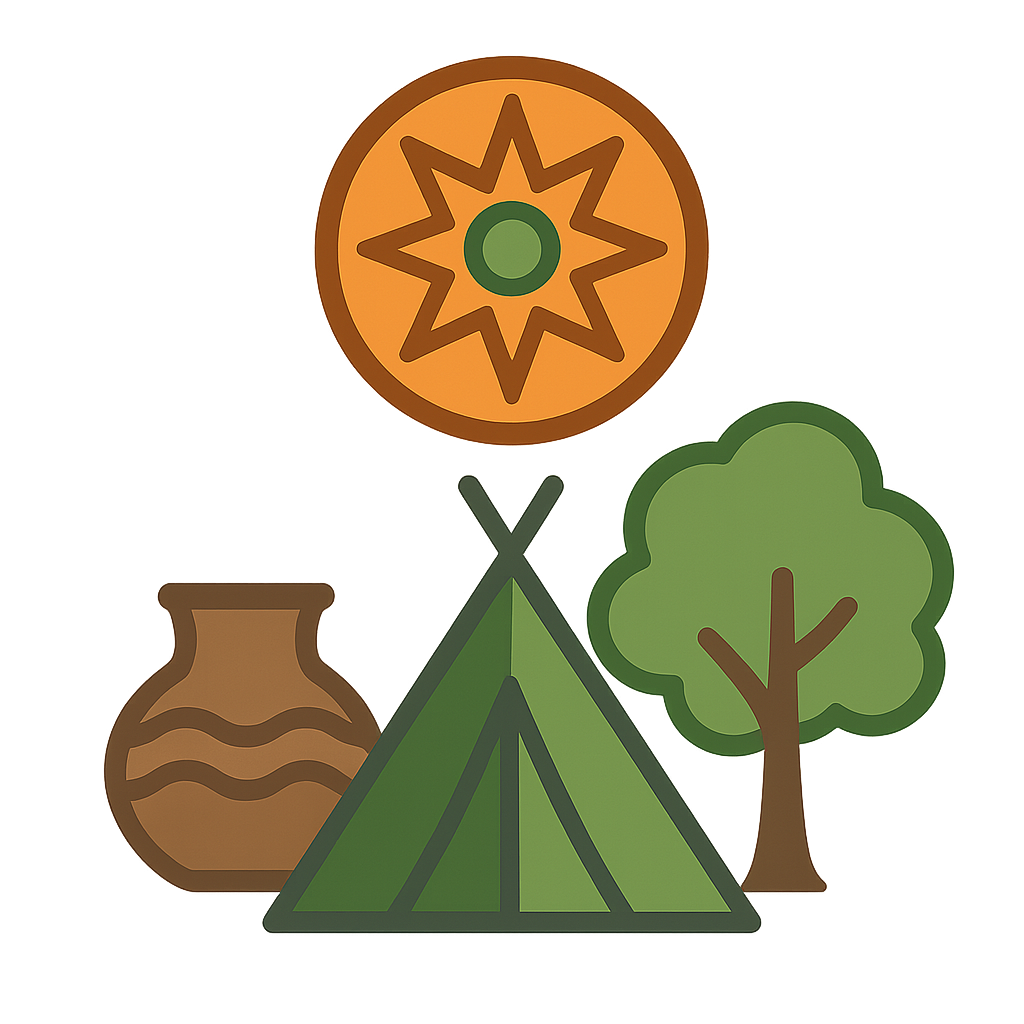
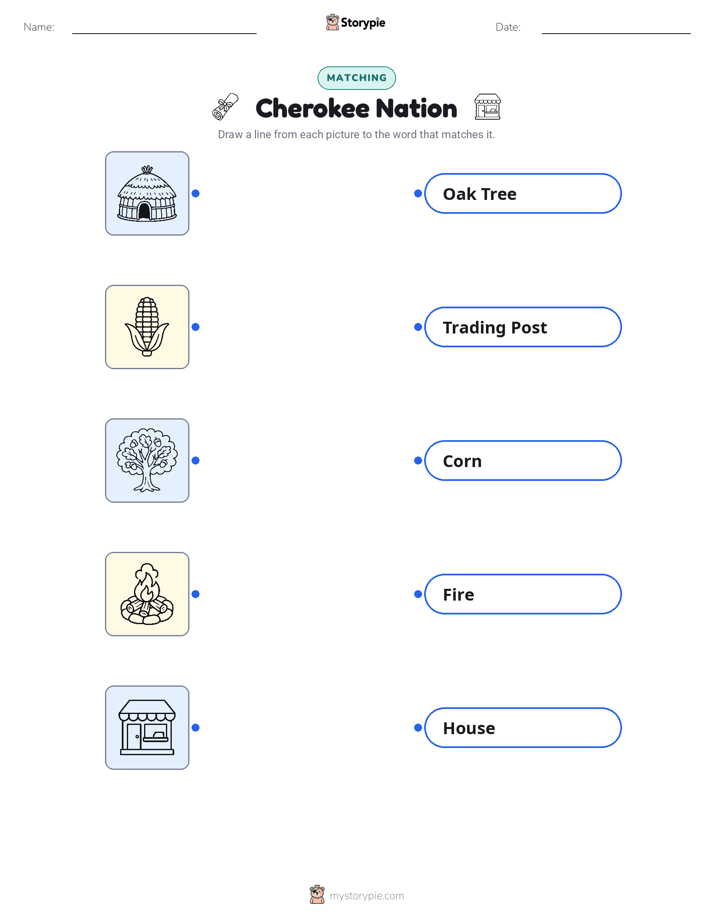
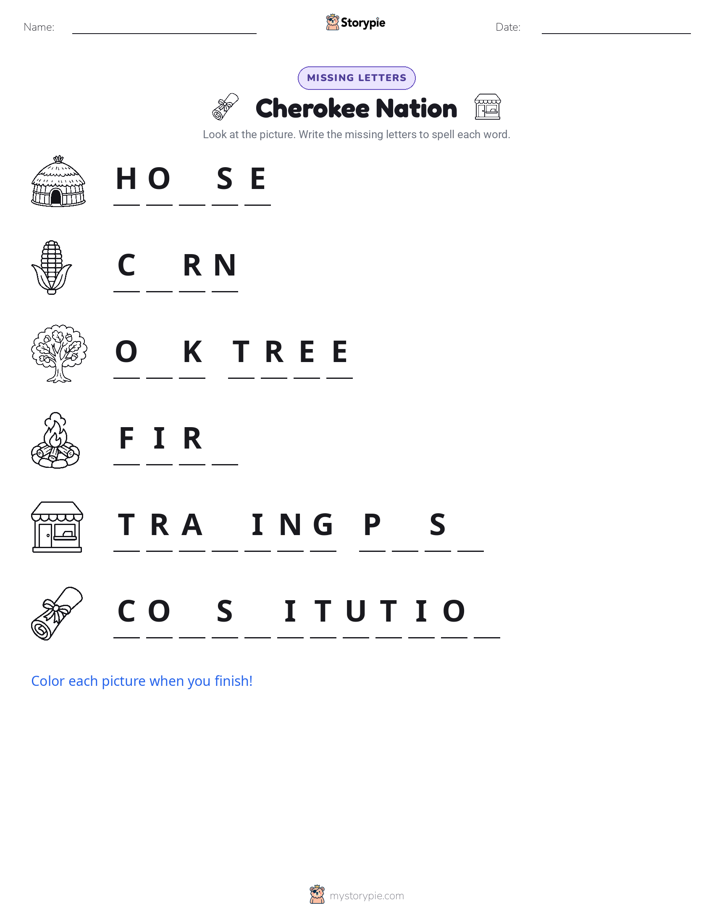
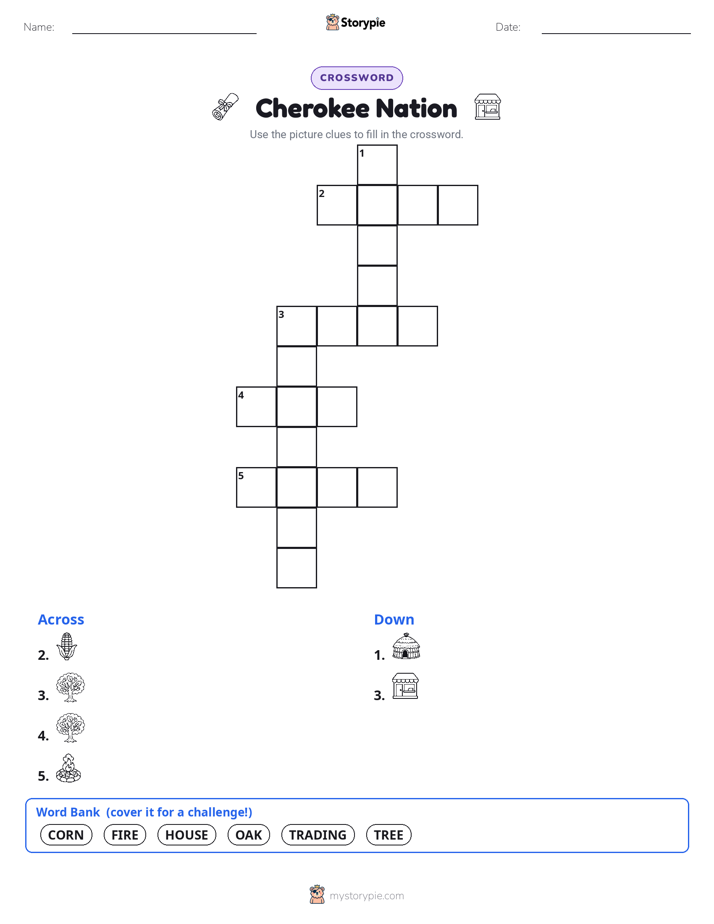
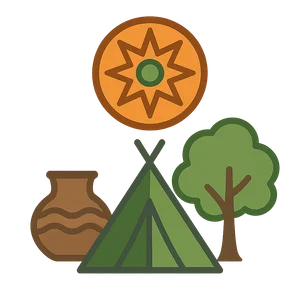
Before you knew my name, you would have known my home. Picture lush green mountains shrouded in mist, clear rivers carving paths through ancient forests, and valleys filled with the scent of woodsmoke and corn. For thousands of years, this was my heart. My children lived in towns of wood and earth, connected by winding trails and a deep respect for the world around them. They saw me in the strength of the oak tree, heard me in the wisdom of the flowing water, and felt me in the warmth of the community fire. They organized themselves into seven clans—like big, extended families—each with its own special duties, ensuring everyone had a place and everyone was cared for. Life was a rhythm of seasons, of planting and harvest, of ceremony and story. I was not just a piece of land; I was the spirit of a people living in balance. I am older than the countries you read about in books, a nation woven from family, tradition, and a sacred connection to the earth.
Then, new people arrived. The first were explorers from Spain who marched through my lands in 1540, but many more came after. They brought new tools, new ideas, and new challenges. My people, the Cherokee, have always been innovators. We learned, adapted, and found ways to make our lives stronger. We began to trade, to build new kinds of homes, and to create a government that could speak with the leaders of this new country called the United States. One of my proudest moments came in 1821, thanks to a brilliant man named Sequoyah. He saw the power of the newcomers' 'talking leaves'—their written words—and spent over a decade creating a way for us to write our own language. His invention, a syllabary, was so simple and smart that my people learned to read and write in weeks. Soon, we had our own newspaper, the Cherokee Phoenix, printed in both English and Cherokee. On July 4th, 1827, we adopted our own written constitution, creating a government with a Principal Chief, a council, and courts, just like the United States. I am the Cherokee Nation, a sovereign people with our own laws, language, and future.
My Name is the Cherokee Nation
Before you knew my name, you would have known my home. Picture lush green mountains shrouded in mist, clear rivers carving paths through ancient forests, and valleys filled with the scent of woodsmoke and corn. For thousands of years, this was my heart. My children lived in towns of wood and earth, connected by winding trails and a deep respect for the world around them. They saw me in the strength of the oak tree, heard me in the wisdom of the flowing water, and felt me in the warmth of the community fire. They organized themselves into seven clans—like big, extended families—each with its own special duties, ensuring everyone had a place and everyone was cared for. Life was a rhythm of seasons, of planting and harvest, of ceremony and story. I was not just a piece of land; I was the spirit of a people living in balance. I am older than the countries you read about in books, a nation woven from family, tradition, and a sacred connection to the earth.
Then, new people arrived. The first were explorers from Spain who marched through my lands in 1540, but many more came after. They brought new tools, new ideas, and new challenges. My people, the Cherokee, have always been innovators. We learned, adapted, and found ways to make our lives stronger. We began to trade, to build new kinds of homes, and to create a government that could speak with the leaders of this new country called the United States. One of my proudest moments came in 1821, thanks to a brilliant man named Sequoyah. He saw the power of the newcomers' 'talking leaves'—their written words—and spent over a decade creating a way for us to write our own language. His invention, a syllabary, was so simple and smart that my people learned to read and write in weeks. Soon, we had our own newspaper, the Cherokee Phoenix, printed in both English and Cherokee. On July 4th, 1827, we adopted our own written constitution, creating a government with a Principal Chief, a council, and courts, just like the United States. I am the Cherokee Nation, a sovereign people with our own laws, language, and future.
But our success made others greedy. Gold was discovered on my lands in Georgia, and suddenly, the world wanted what was ours. The United States government, led by President Andrew Jackson, passed a law called the Indian Removal Act on May 28th, 1830. This law demanded that we leave our ancestral homeland forever. My leaders fought this injustice with words and laws, even winning a case in the Supreme Court, but it was not enough. In the winter of 1838, soldiers arrived. They forced my people from their homes at gunpoint, gathering them into camps with little food or shelter. Then, they began to march us west, over a thousand miles, through the freezing cold and snow. The journey was filled with sorrow, sickness, and loss. More than 4,000 of my 16,000 children—elders, men, women, and little ones—perished along the way. This path of heartbreak is known as the Trail of Tears. It is the saddest chapter of my story, a scar on my heart, but it is not the end.
Even after so much loss, the spirit of my people could not be broken. We arrived in what is now Oklahoma, and we began to rebuild. We re-established our government, built new schools, and planted new farms. We held onto our language, our stories, and our traditions. It was not easy, and there were many more challenges to come. But we endured. In 1975, my people voted to ratify a new constitution, strengthening our modern sovereign government. Today, I am the Cherokee Nation, one of the largest tribal nations in the United States. I have my own capital city, my own leaders, hospitals, and language immersion schools where a new generation is learning to speak the words of their ancestors. My children are artists, doctors, scientists, and leaders who contribute to the world in countless ways. My story is one of survival, of resilience, and of a culture that refuses to fade. I am still here, and my future is bright.
Wow facts
About
The Cherokee Nation is a sovereign tribal government of the Cherokee people, originally from the Southeastern Woodlands of the United States, known for its rich history, sophisticated culture, and resilience.
Take a Quiz
Question 1 of 5
What is the main idea or theme of this story?
Explore next



Want to do even more?
Go beyond exploring. Unlock tools that turn every story into real learning.

Storypie Plus for families
Full stories, quizzes, and printables. Nights and car rides, sorted.
- Unlimited audio stories
- Create Mode: your child stars in the story
- Offline downloads
- Printable worksheets & coloring pages

Why Storypie for Schools
Students engaged. Prep in seconds. Evenings back to you.
- Worksheets & Quizzes
- Classroom Management
- Formative Assessment
- Custom Curriculum & Lesson Plans
- 27 Languages

Why Storypie for Homeschool
Curriculum done. They'll ask for more. Hours back in your day.
- Worksheet Generator
- First-Person Audio Stories
- Built-in Comprehension Quizzes
- Custom Curriculum & Lesson Plans
- Print & Go Activities