English

Composting
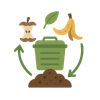
Composting is the managed process of recycling organic matter, such as leaves and food scraps…
Reads at Grades 3–5 Listens at Grades 1–5
Print & create
Answer keys·No prep·Free with an account
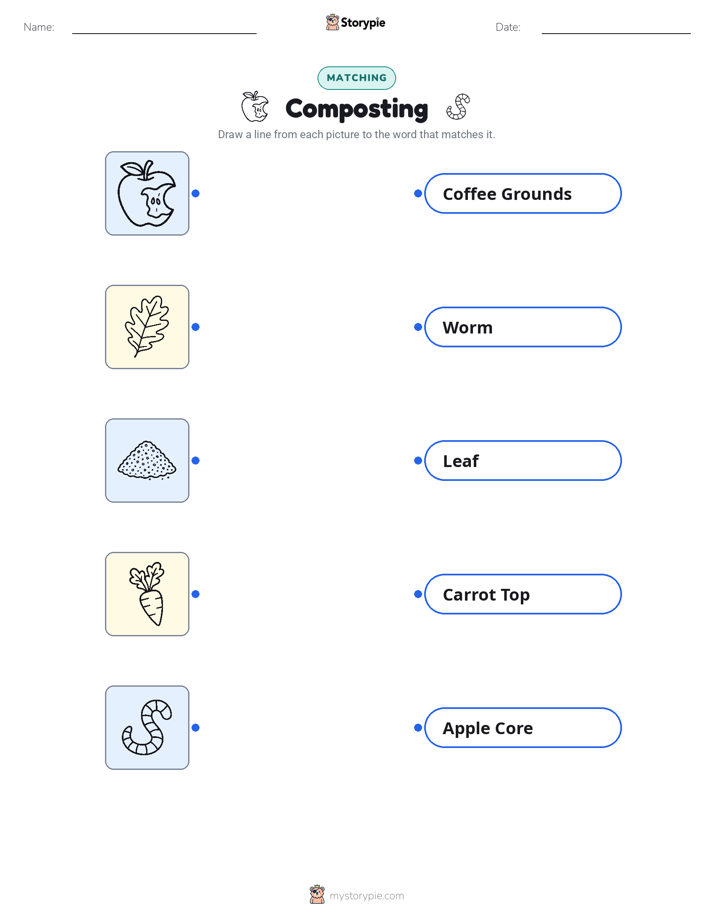
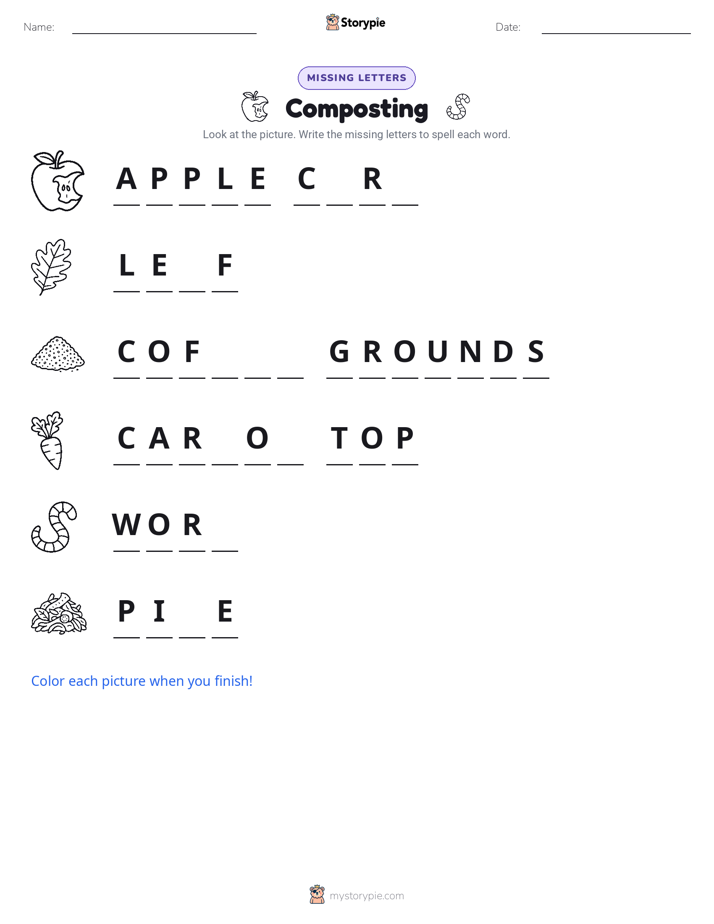
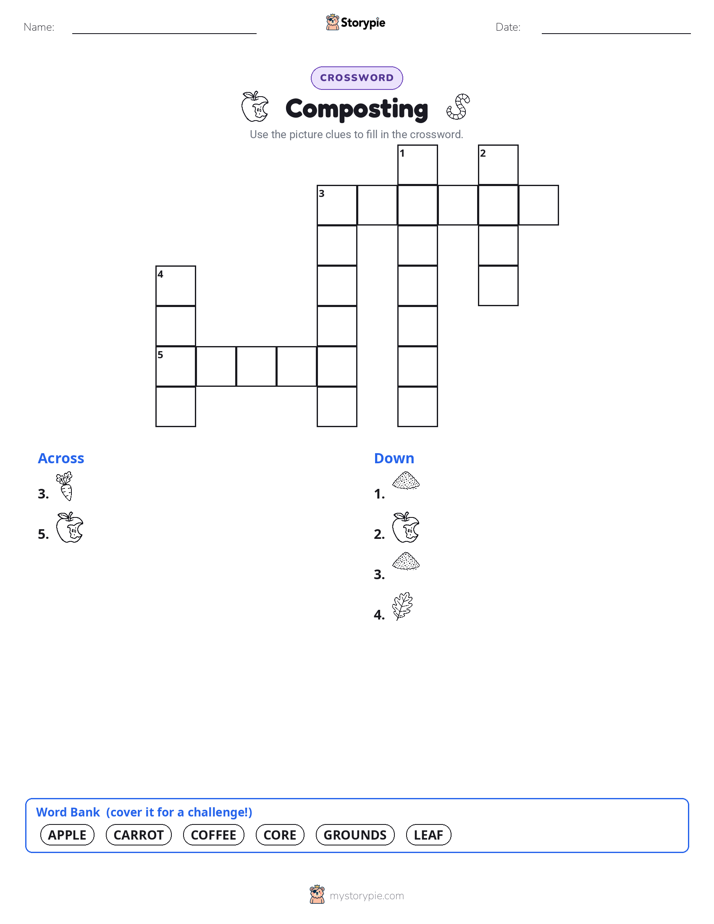
28 worksheets · answer keys · full story · quiz · Ages 8-10 · CEFR B1
Plus adds 244,000+ more stories in 27 languages, audio for every one, and printables for all of them.
Just want Composting?
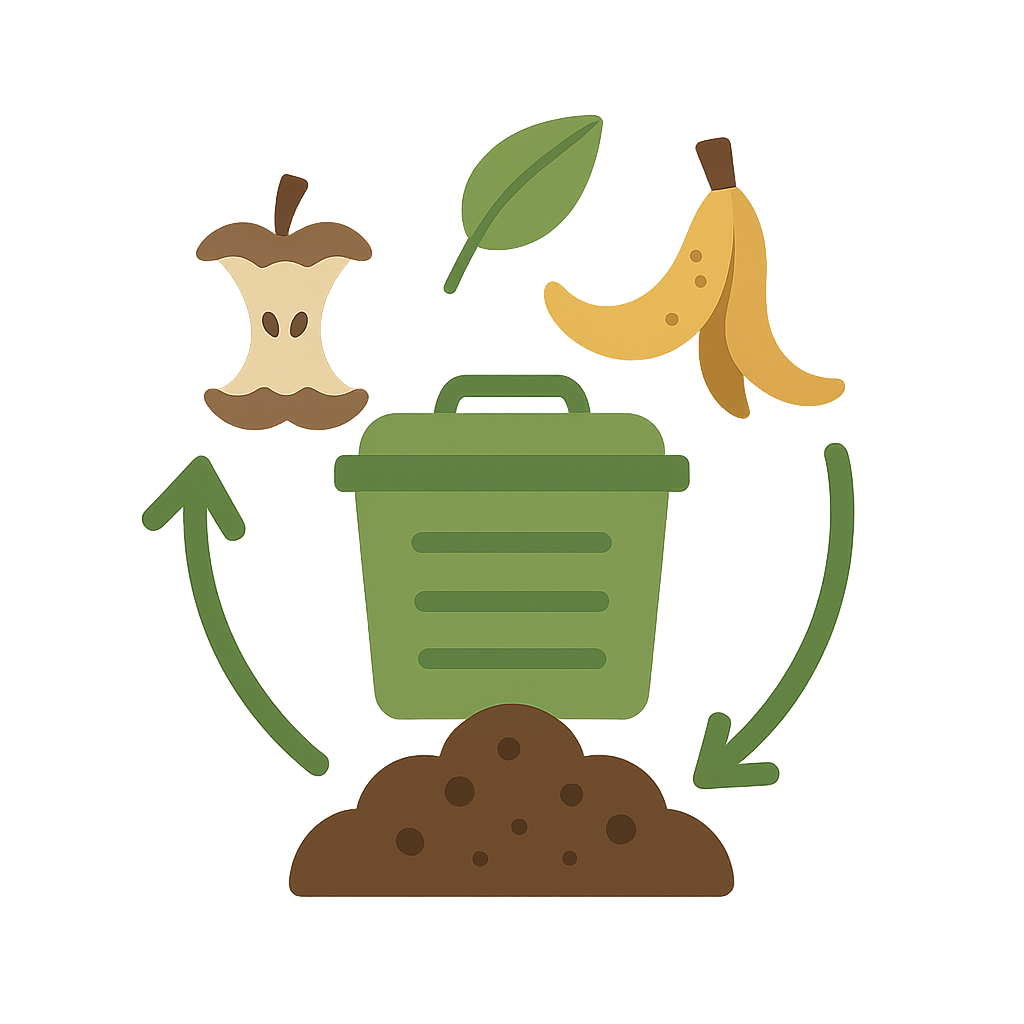
I am a warm, crumbly, sweet-smelling hug for the earth. You can’t see me, but you can feel my work. I take the things you don't need anymore—the crunchy brown leaves from your yard, the leftover apple cores, wilting lettuce, and old banana peels—and I turn them into a feast. It’s like being a magician. Deep inside my cozy, dark pile, millions of tiny helpers like bacteria and worms wiggle and munch, breaking everything down. It gets warm in here, like a little oven, as we all work together to transform scraps into treasure. This treasure looks like dark, rich soil, and it smells fresh like a forest after it rains. Can you imagine a world where nothing was ever wasted? I help make that happen. I am nature’s best recycler, and my secret ingredient is time. I am Composting.
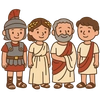
I’m not a new idea; I’m as old as the earth itself. For thousands of years, clever farmers have been my partners. Way back around 2300 BCE, farmers in a place called Mesopotamia noticed that adding old plants and animal manure to their fields made their crops grow bigger and stronger. A little later, the ancient Romans knew my secrets, too. A writer named Pliny the Elder wrote about me in the 1st century CE, telling everyone how wonderful I was for their gardens. Across the ocean, Native American farmers had their own special ways of working with me. They would often bury a fish with their corn seeds. As the fish broke down, it would release all its nutrients, giving the corn a power-packed meal to start its life. People learned by watching nature—they saw how fallen leaves and plants on the forest floor slowly disappeared and turned into rich, dark earth that helped new trees grow. They realized they could help nature do its job right in their own fields.
A Secret Recipe for the Earth
I am a warm, crumbly, sweet-smelling hug for the earth. You can’t see me, but you can feel my work. I take the things you don't need anymore—the crunchy brown leaves from your yard, the leftover apple cores, wilting lettuce, and old banana peels—and I turn them into a feast. It’s like being a magician. Deep inside my cozy, dark pile, millions of tiny helpers like bacteria and worms wiggle and munch, breaking everything down. It gets warm in here, like a little oven, as we all work together to transform scraps into treasure. This treasure looks like dark, rich soil, and it smells fresh like a forest after it rains. Can you imagine a world where nothing was ever wasted? I help make that happen. I am nature’s best recycler, and my secret ingredient is time. I am Composting.
I’m not a new idea; I’m as old as the earth itself. For thousands of years, clever farmers have been my partners. Way back around 2300 BCE, farmers in a place called Mesopotamia noticed that adding old plants and animal manure to their fields made their crops grow bigger and stronger. A little later, the ancient Romans knew my secrets, too. A writer named Pliny the Elder wrote about me in the 1st century CE, telling everyone how wonderful I was for their gardens. Across the ocean, Native American farmers had their own special ways of working with me. They would often bury a fish with their corn seeds. As the fish broke down, it would release all its nutrients, giving the corn a power-packed meal to start its life. People learned by watching nature—they saw how fallen leaves and plants on the forest floor slowly disappeared and turned into rich, dark earth that helped new trees grow. They realized they could help nature do its job right in their own fields.
Even though I’m ancient, people are always finding new ways to work with me. In the 18th century, even the first president of the United States, George Washington, was one of my biggest fans. At his farm, Mount Vernon, he built a special place called a 'dung repository' just for me, where he could mix all sorts of scraps to create the perfect food for his soil. Then, in the early 1900s, a scientist named Sir Albert Howard traveled to India and studied me very closely. Around 1924, he created a special recipe called the 'Indore method,' which showed people exactly how to layer green stuff, like grass clippings, and brown stuff, like dry leaves, to help me work my magic faster. A few decades later, in the 1940s, a man named J.I. Rodale was so inspired by Sir Albert Howard’s work that he started a magazine to tell everyone in America about me and the wonders of organic gardening. They helped the whole world see that I wasn’t just a pile of old scraps, but a powerful way to create healthy food and a healthy planet.
Today, I’m more important than ever. Every time you throw food scraps into a special bin instead of the trash can, you’re helping me do two amazing jobs at once. First, you keep that waste out of giant landfills, which helps our planet breathe a little easier. Second, you give me the ingredients I need to create my dark, crumbly treasure. Gardeners call this treasure 'black gold' because it helps them grow delicious vegetables and beautiful flowers without using yucky chemicals. You can be my partner, too. By saving your fruit and vegetable peels, eggshells, and coffee grounds, you become a soil superhero. You are helping me feed the earth, so the earth can keep feeding you. Together, we can make the world a greener, healthier, and happier place, one scrap at a time.
Wow facts
About
Composting is the managed process of recycling organic matter, such as leaves and food scraps, into a rich soil amendment called compost.
Take a Quiz
Question 1 of 5
The story calls the finished compost 'black gold.' What does this phrase mean?
Explore next



Want to do even more?
Go beyond exploring. Unlock tools that turn every story into real learning.

Storypie Plus for families
Full stories, quizzes, and printables. Nights and car rides, sorted.
- Unlimited audio stories
- Create Mode: your child stars in the story
- Offline downloads
- Printable worksheets & coloring pages

Why Storypie for Schools
Students engaged. Prep in seconds. Evenings back to you.
- Worksheets & Quizzes
- Classroom Management
- Formative Assessment
- Custom Curriculum & Lesson Plans
- 27 Languages

Why Storypie for Homeschool
Curriculum done. They'll ask for more. Hours back in your day.
- Worksheet Generator
- First-Person Audio Stories
- Built-in Comprehension Quizzes
- Custom Curriculum & Lesson Plans
- Print & Go Activities