English

Composting
Composting is the managed process of recycling organic matter, such as leaves and food scraps…
Reads at Grades 6–8 Listens at Grades 4–8
Print & create
Answer keys·No prep·Free with an account
28 worksheets · answer keys · full story · quiz · Ages 10-12 · CEFR B2
Plus adds 244,000+ more stories in 27 languages, audio for every one, and printables for all of them.
Just want Composting?
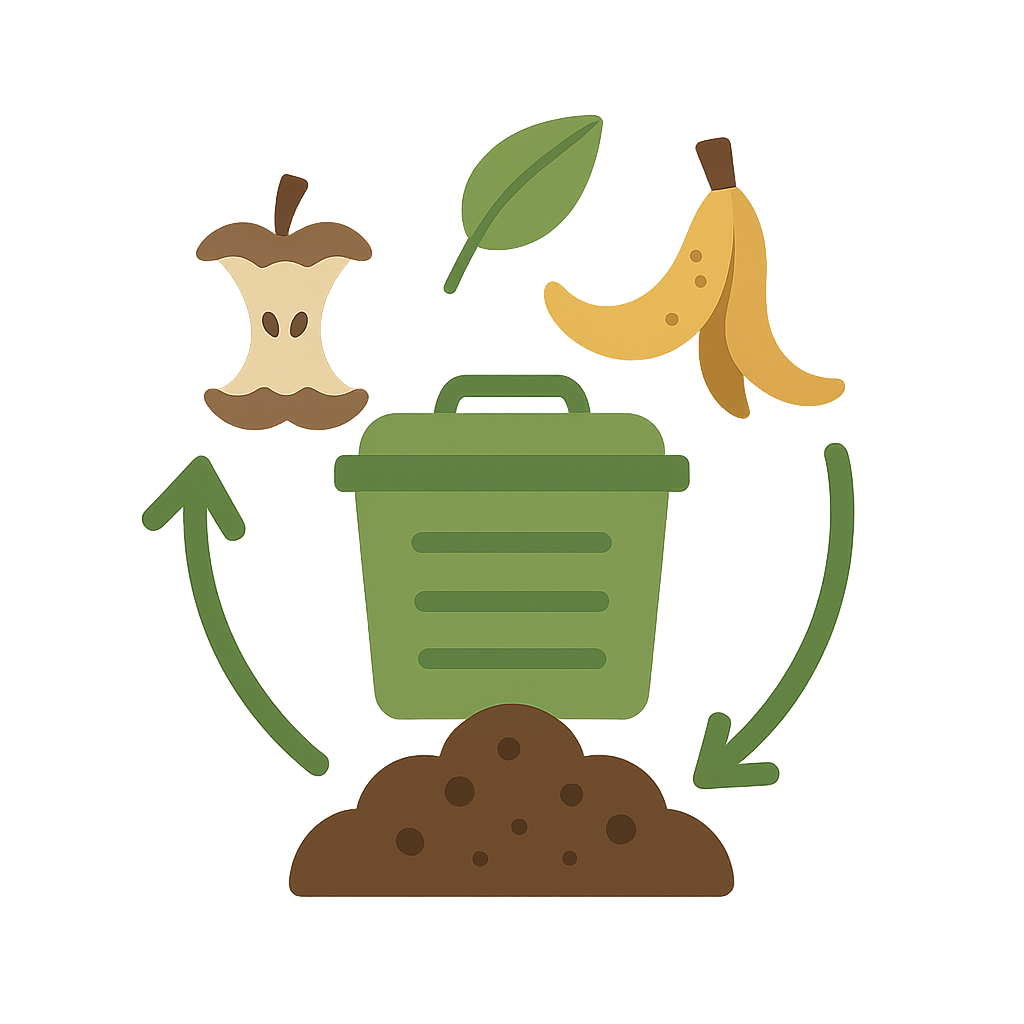
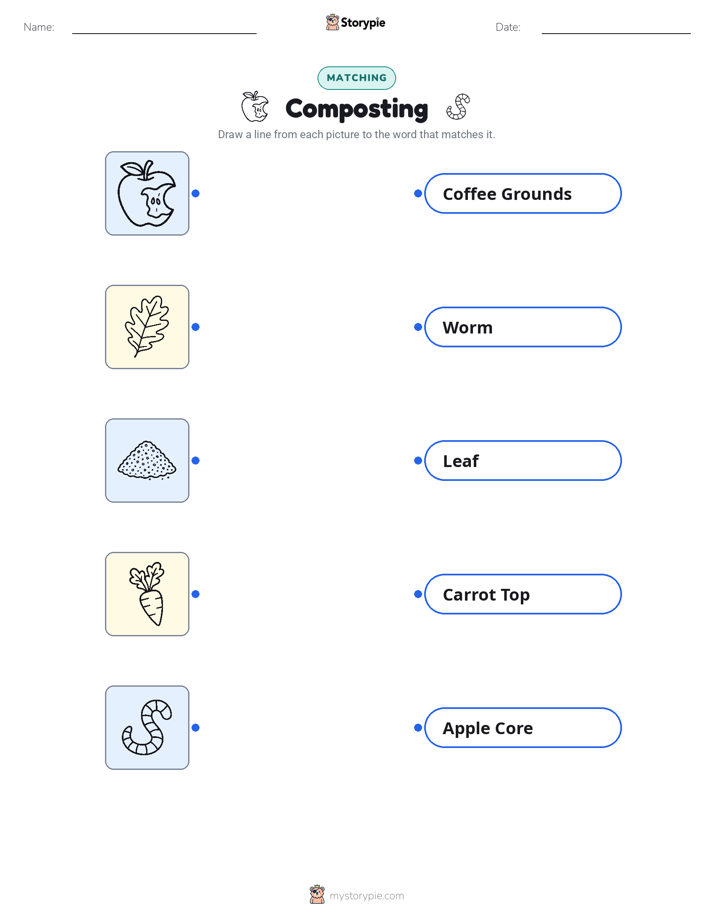
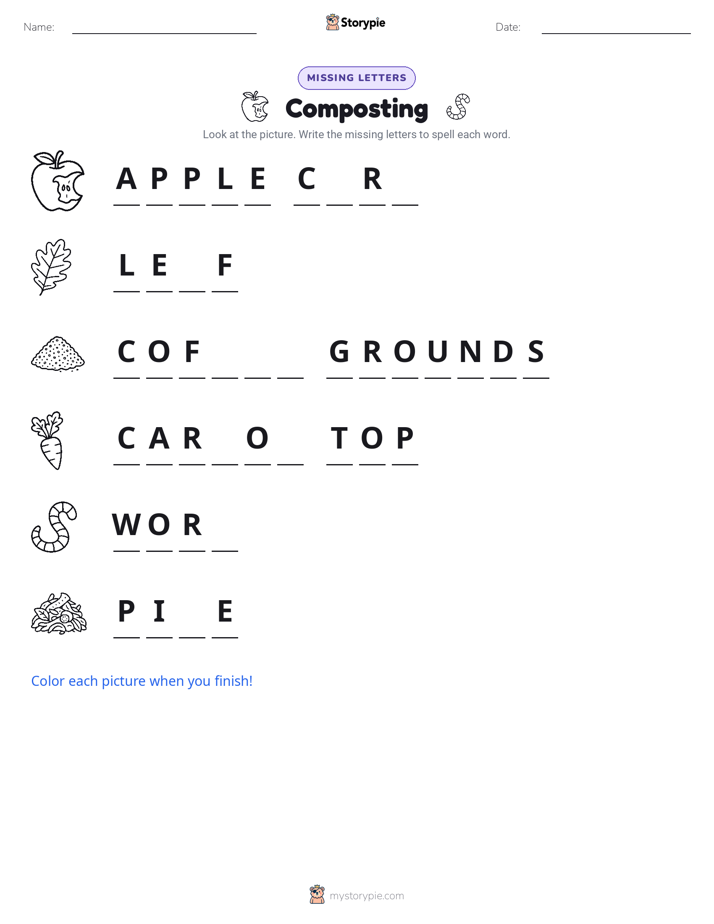
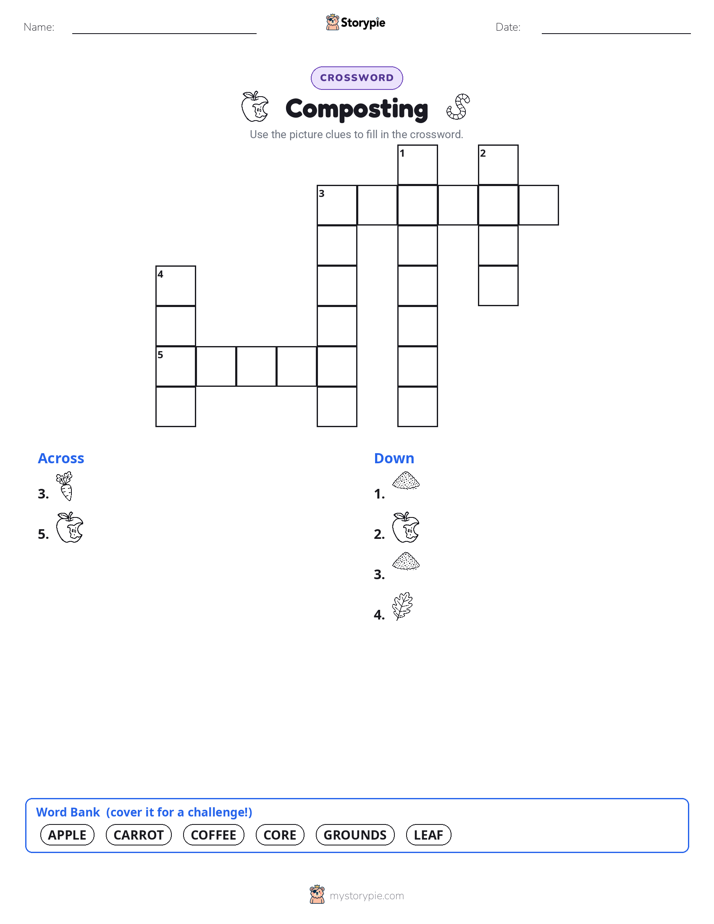
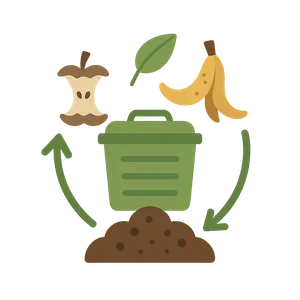
I begin with a sense of mystery. I am nature's secret magician, a silent transformer. I take things people throw away—apple cores, crunchy brown leaves, coffee grounds, and wilted carrot tops—and I perform a quiet, wonderful trick. With the help of my tiny friends, the microbes and worms, I break everything down, turning a pile of 'yuck' into a pile of treasure. It gets warm inside my piles, like a cozy blanket, and I smell earthy and rich, like a forest after the rain. I am the reason that nothing in nature truly goes to waste; I just change its form. Before you knew my name, you probably just thought of me as a pile of old food and yard scraps, but I am so much more. I am Composting, and I create new life from old.
I am not a new invention; I am as ancient as life itself. For thousands of years, smart people have understood my power, even if they didn't have a special name for me. Way back around 2350 BCE, farmers in Mesopotamia noticed that their crops grew stronger and healthier when they mixed animal manure into the soil. They were working with me. Later, the ancient Romans became my partners, too. A wise farmer named Cato the Elder wrote a book around 160 BCE called 'De Agri Cultura,' where he explained exactly how to pile up weeds, straw, and other scraps to create rich soil. All over the world, from ancient China to the Americas, people learned my secrets. They saw how I could turn the forest floor into a rich carpet of life, and they brought that magic to their own farms and gardens, ensuring they always had plenty of food to eat.
The Story of Composting
I begin with a sense of mystery. I am nature's secret magician, a silent transformer. I take things people throw away—apple cores, crunchy brown leaves, coffee grounds, and wilted carrot tops—and I perform a quiet, wonderful trick. With the help of my tiny friends, the microbes and worms, I break everything down, turning a pile of 'yuck' into a pile of treasure. It gets warm inside my piles, like a cozy blanket, and I smell earthy and rich, like a forest after the rain. I am the reason that nothing in nature truly goes to waste; I just change its form. Before you knew my name, you probably just thought of me as a pile of old food and yard scraps, but I am so much more. I am Composting, and I create new life from old.
I am not a new invention; I am as ancient as life itself. For thousands of years, smart people have understood my power, even if they didn't have a special name for me. Way back around 2350 BCE, farmers in Mesopotamia noticed that their crops grew stronger and healthier when they mixed animal manure into the soil. They were working with me. Later, the ancient Romans became my partners, too. A wise farmer named Cato the Elder wrote a book around 160 BCE called 'De Agri Cultura,' where he explained exactly how to pile up weeds, straw, and other scraps to create rich soil. All over the world, from ancient China to the Americas, people learned my secrets. They saw how I could turn the forest floor into a rich carpet of life, and they brought that magic to their own farms and gardens, ensuring they always had plenty of food to eat.
For centuries, people knew I worked, but the science behind my magic was still a mystery. That started to change in the 20th century. A British scientist named Sir Albert Howard, working in India in the 1920s, became one of my biggest fans. He watched me very closely and figured out my secret recipe for success: a perfect mix of 'greens' like fresh grass clippings and vegetable scraps, and 'browns' like dry leaves and twigs, with just the right amount of water and air. He called it the 'Indore method,' and it helped me work faster and better than ever before. He wrote about his discoveries in his book 'An Agricultural Testament' in 1940. A few years later, in the United States, a man named J.I. Rodale read Sir Albert's work and got incredibly excited. Starting in 1942 with his magazine 'Organic Gardening and Farming,' he told everyone in America about me, inspiring a whole new generation to start their own compost piles and work with me to grow healthy food in their own backyards.
Today, my job is more important than ever. I'm not just in backyards anymore; entire cities now work with me to recycle food scraps and yard waste, keeping millions of tons of material out of landfills. When organic waste is buried in a landfill, it releases a powerful greenhouse gas called methane, which isn't good for our planet's climate. But when you give that waste to me, I turn it into something useful without making those harmful gases. I help farmers and gardeners grow delicious, healthy food without needing chemical fertilizers. So, the next time you finish an apple or see a pile of leaves, remember my story. By putting that 'waste' in a compost bin, you are joining an ancient partnership. You are becoming a soil magician, helping me in my mission to recycle, renew, and heal our amazing planet, one banana peel at a time.
Wow facts
About
Composting is the managed process of recycling organic matter, such as leaves and food scraps, into a rich soil amendment called compost.
Take a Quiz
Question 1 of 5
In your own words, describe the journey of understanding composting from ancient times to the 20th century, mentioning at least two key historical figures.
Explore next




Want to do even more?
Go beyond exploring. Unlock tools that turn every story into real learning.

Storypie Plus for families
Full stories, quizzes, and printables. Nights and car rides, sorted.
- Unlimited audio stories
- Create Mode: your child stars in the story
- Offline downloads
- Printable worksheets & coloring pages

Why Storypie for Schools
Students engaged. Prep in seconds. Evenings back to you.
- Worksheets & Quizzes
- Classroom Management
- Formative Assessment
- Custom Curriculum & Lesson Plans
- 27 Languages

Why Storypie for Homeschool
Curriculum done. They'll ask for more. Hours back in your day.
- Worksheet Generator
- First-Person Audio Stories
- Built-in Comprehension Quizzes
- Custom Curriculum & Lesson Plans
- Print & Go Activities