English

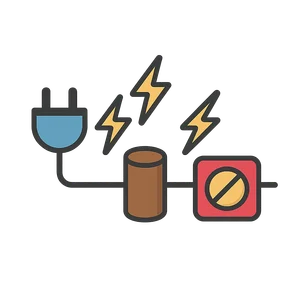
Conductors and Insulators
Conductors and Insulators are fundamental principles of electricity…
Reads at Grades 3–5 Listens at Grades 1–5
Print & create
Answer keys·No prep·Free with an account
28 worksheets · answer keys · full story · quiz · Ages 8-10 · CEFR B1
Plus adds 244,000+ more stories in 27 languages, audio for every one, and printables for all of them.
Just want Conductors and Insulators?
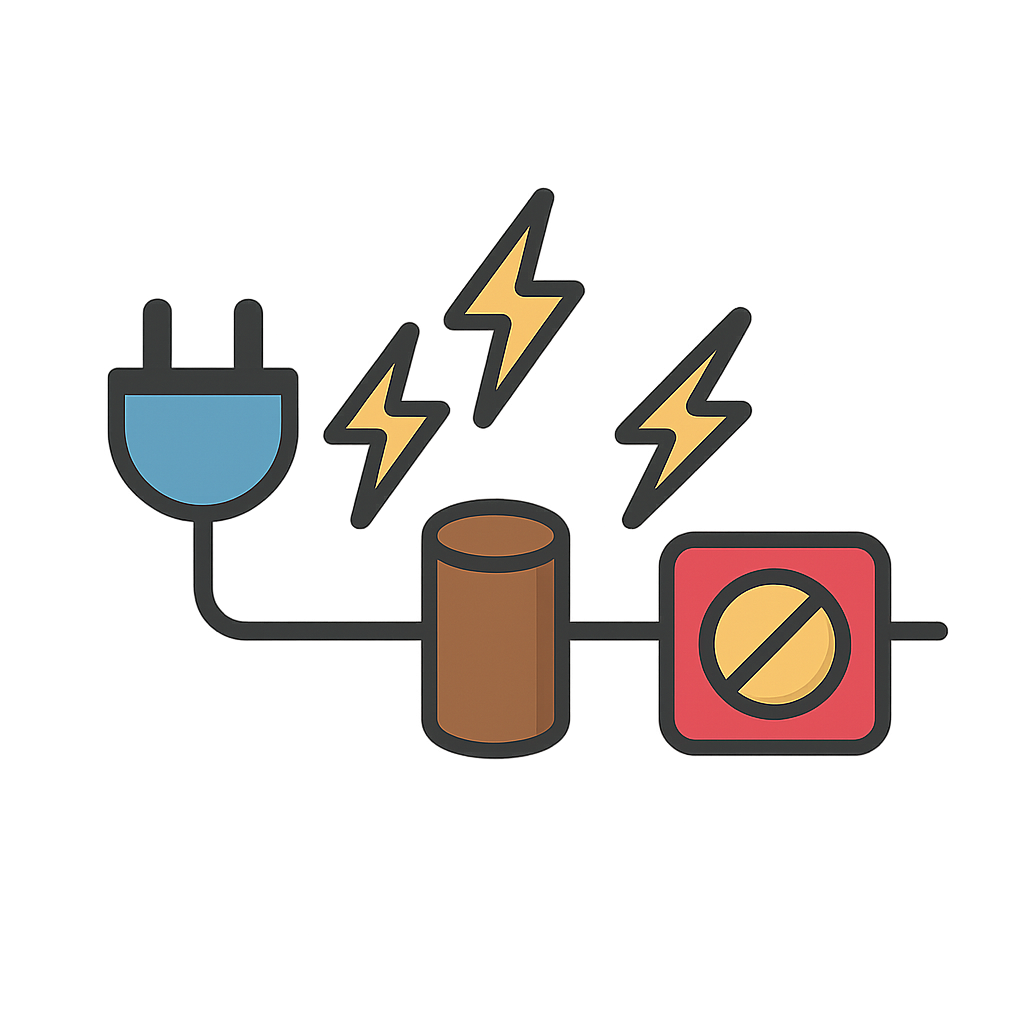
Imagine a world full of tiny, zippy messengers called Electricity, always buzzing with energy and looking for a place to go. They’re like super-fast race cars, but they need a road to travel on. That’s where I come in. I am the one who builds the roads and also the one who puts up the stop signs. Sometimes, I am a super-fast highway, a path that lets those messengers zoom along without any trouble. Think of a metal spoon you leave in a bowl of hot soup. Have you ever noticed how the handle gets warm. That’s because the metal is one of my highways, a conductor, letting the heat energy race right up to your fingers. But what about the plastic handle on a cooking spoon. It stays cool, right. That’s my other side, the big, bold stop sign, an insulator, keeping the energy from going any further and protecting your hand. I am the secret rule that decides where energy can and can’t go. You see me at work every single day, in every single room of your house, even if you don’t know my name yet.
For a very, very long time, people only saw tiny hints of me and didn't understand what they were seeing. It all started with a little static cling. Way back around 600 BCE in ancient Greece, a curious thinker named Thales of Miletus was playing with a piece of amber, which is hardened tree sap. He discovered that when he rubbed it with a piece of fur, it suddenly had the power to pick up light things like feathers and bits of straw. It was a fun little magic trick, but no one knew they were looking at a sleepy form of electricity just waiting for a path. Many, many centuries zipped by. Then, in the year 1729, an English scientist named Stephen Gray became fascinated with these sparks. He did an amazing experiment where he sent a spark of electricity down a long, damp string stretched across his room. It worked. The electricity traveled. But when he tried to hold up his string with a strong metal wire, the spark vanished. Then he tried a silk thread. To his surprise, the silk thread didn't let the electricity escape. It stopped it dead in its tracks. In that moment, he had found my two identities. He called the damp string a conductor, because it conducted electricity, and the silk thread an insulator, because it insulated, or blocked, the electricity. I am Conductors and Insulators. For the first time, people understood they could actually guide where electricity went.
The Tale of Two Paths
Imagine a world full of tiny, zippy messengers called Electricity, always buzzing with energy and looking for a place to go. They’re like super-fast race cars, but they need a road to travel on. That’s where I come in. I am the one who builds the roads and also the one who puts up the stop signs. Sometimes, I am a super-fast highway, a path that lets those messengers zoom along without any trouble. Think of a metal spoon you leave in a bowl of hot soup. Have you ever noticed how the handle gets warm. That’s because the metal is one of my highways, a conductor, letting the heat energy race right up to your fingers. But what about the plastic handle on a cooking spoon. It stays cool, right. That’s my other side, the big, bold stop sign, an insulator, keeping the energy from going any further and protecting your hand. I am the secret rule that decides where energy can and can’t go. You see me at work every single day, in every single room of your house, even if you don’t know my name yet.
For a very, very long time, people only saw tiny hints of me and didn't understand what they were seeing. It all started with a little static cling. Way back around 600 BCE in ancient Greece, a curious thinker named Thales of Miletus was playing with a piece of amber, which is hardened tree sap. He discovered that when he rubbed it with a piece of fur, it suddenly had the power to pick up light things like feathers and bits of straw. It was a fun little magic trick, but no one knew they were looking at a sleepy form of electricity just waiting for a path. Many, many centuries zipped by. Then, in the year 1729, an English scientist named Stephen Gray became fascinated with these sparks. He did an amazing experiment where he sent a spark of electricity down a long, damp string stretched across his room. It worked. The electricity traveled. But when he tried to hold up his string with a strong metal wire, the spark vanished. Then he tried a silk thread. To his surprise, the silk thread didn't let the electricity escape. It stopped it dead in its tracks. In that moment, he had found my two identities. He called the damp string a conductor, because it conducted electricity, and the silk thread an insulator, because it insulated, or blocked, the electricity. I am Conductors and Insulators. For the first time, people understood they could actually guide where electricity went.
Once people understood my two sides—the highway and the stop sign—they could finally start building the modern world. It was like they had discovered the secret to taming a wild animal. Around the year 1800, a brilliant Italian scientist named Alessandro Volta created something incredible: the very first battery. His invention wasn't like the batteries you use today; it was a stack of metal discs. But it did something revolutionary: it gave electricity a steady push, like a pump creating a gentle, flowing river of energy instead of a wild, unpredictable spark. Suddenly, my conductor highways were open for business. Scientists and inventors started using metal wires, especially copper, as the perfect roads to carry this new, steady electricity. But a highway for electricity can be dangerous if it goes off-road. That’s where my other half, the insulators, became the heroes. They wrapped those copper wires in rubber and later, plastic. These insulators acted like guardrails, keeping the powerful electricity safely on its path so it wouldn’t zap anyone or anything nearby. It’s just like a garden hose. The water is the electricity, the hollow part of the hose is the conductor path, and the rubbery outside is the insulator that keeps the water from spraying everywhere.
Today, my two sides work together as a perfect team all around you. Can you imagine a world without me. It would be very dark and quiet. I am the shiny copper wires hidden inside the walls of your home, acting as the conductor that carries power to your lights so you can read at night, to your television for movie marathons, and to the outlet that charges your video games. But just as importantly, I am the colorful plastic or rubber coating on the outside of every single cord and cable. I am the insulator that keeps you safe when you plug in the toaster or charge your family’s phones and tablets. This amazing partnership between letting energy flow and stopping it is what makes our electric world possible. From the giant power lines that stretch across the country to the tiniest circuits inside a computer chip, I am there, doing my two jobs perfectly. So the next time you flip a switch and a room fills with light, give a little nod to me—the incredible team of Conductors and Insulators, helping you safely power your world and light up your brightest ideas.
Wow facts
About
Conductors and Insulators are fundamental principles of electricity, describing materials that either allow electric current to flow freely (conductors) or block its flow (insulators). This duality is essential for controlling and safely using electricity.
Take a Quiz
Question 1 of 5
In the story, the word 'conductor' means something that...
Explore next



Want to do even more?
Go beyond exploring. Unlock tools that turn every story into real learning.

Storypie Plus for families
Full stories, quizzes, and printables. Nights and car rides, sorted.
- Unlimited audio stories
- Create Mode: your child stars in the story
- Offline downloads
- Printable worksheets & coloring pages

Why Storypie for Schools
Students engaged. Prep in seconds. Evenings back to you.
- Worksheets & Quizzes
- Classroom Management
- Formative Assessment
- Custom Curriculum & Lesson Plans
- 27 Languages

Why Storypie for Homeschool
Curriculum done. They'll ask for more. Hours back in your day.
- Worksheet Generator
- First-Person Audio Stories
- Built-in Comprehension Quizzes
- Custom Curriculum & Lesson Plans
- Print & Go Activities