English

Copyright and Giving Credit
Copyright is a legal concept that gives the creator of an original work exclusive rights to its use and…
Reads at Grades K-2 Listens at K–3
Print & create
Answer keys·No prep·Free with an account
28 worksheets · answer keys · full story · quiz · Ages 6-8 · CEFR A2
Plus adds 244,000+ more stories in 27 languages, audio for every one, and printables for all of them.
Just want Copyright and Giving Credit?
Have you ever drawn a picture of a shining sun or built a super tall tower out of colorful blocks. When you finish, you feel so proud. It feels like you left a little invisible signature on it that says, 'I made this.'. It is your special creation, and it came right from your amazing imagination. Now, what if someone took your drawing and went around telling everyone they drew it. That would feel pretty yucky, wouldn't it. Well, that's where I come in. I am a very special idea, a rule that makes sure everyone knows who the real creator is. I am here to make sure that the person who did the hard work gets all the credit they deserve, just like a signature that everyone can see. I am the idea of Copyright, and I protect wonderful ideas.
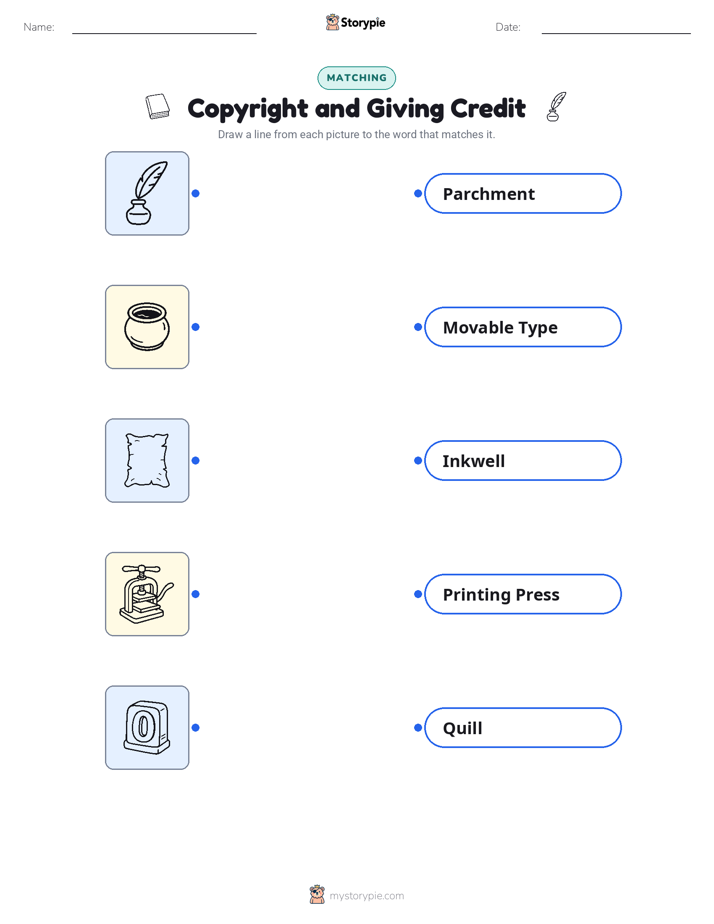
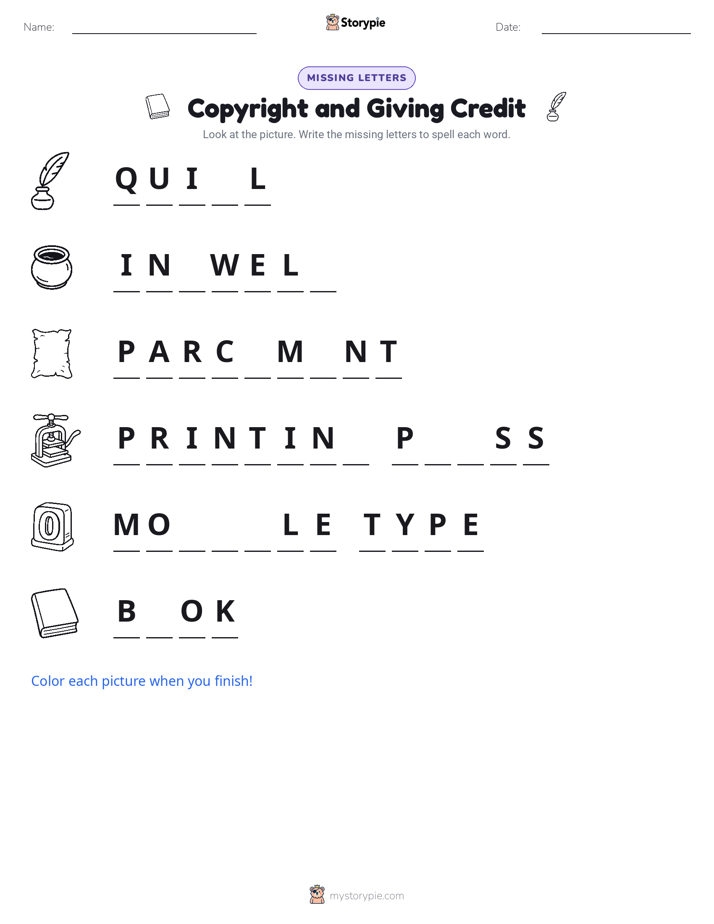
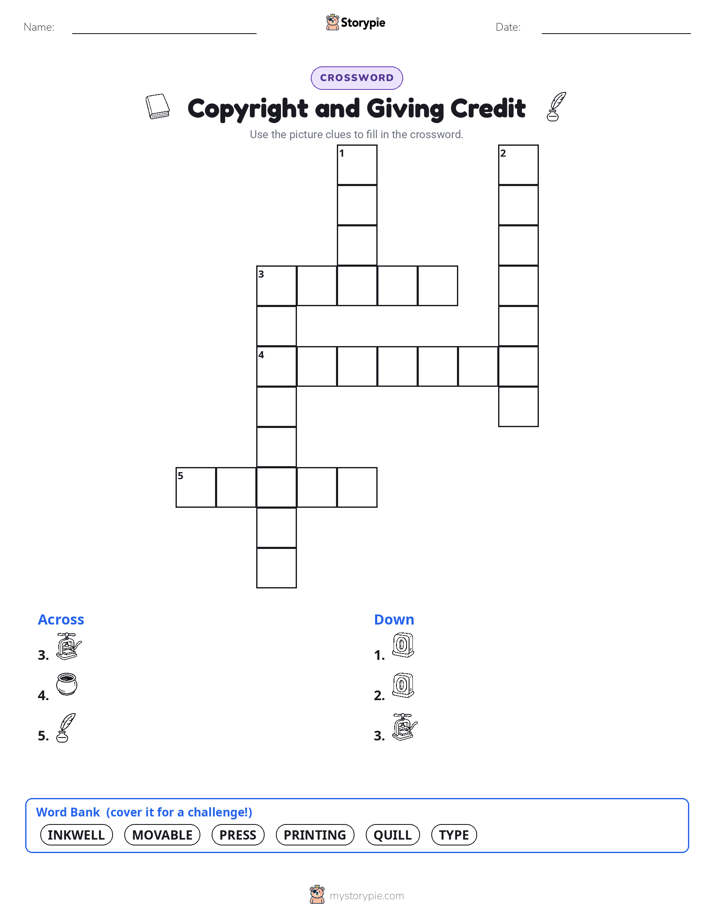
Let’s travel back in time, way, way back, long before there were any computers or TVs. If you wanted to read a book, someone had to write out every single word by hand. It took a very, very long time to make just one copy. But then, around the year 1440, a super clever inventor named Johannes Gutenberg had a brilliant idea. He created a machine called the printing press. It was like a giant stamp that could make hundreds of copies of a book super fast. This was amazing because now more people could read stories and learn new things. But it also created a brand-new problem. Anyone with a printing press could copy an author's book and sell it without even asking. The authors who spent months or years writing their stories felt sad and frustrated. Their hard work was being taken, and they weren't getting any credit for their wonderful creations.
My Invisible Signature
Have you ever drawn a picture of a shining sun or built a super tall tower out of colorful blocks. When you finish, you feel so proud. It feels like you left a little invisible signature on it that says, 'I made this.'. It is your special creation, and it came right from your amazing imagination. Now, what if someone took your drawing and went around telling everyone they drew it. That would feel pretty yucky, wouldn't it. Well, that's where I come in. I am a very special idea, a rule that makes sure everyone knows who the real creator is. I am here to make sure that the person who did the hard work gets all the credit they deserve, just like a signature that everyone can see. I am the idea of Copyright, and I protect wonderful ideas.
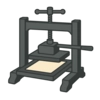
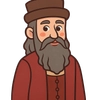
Let’s travel back in time, way, way back, long before there were any computers or TVs. If you wanted to read a book, someone had to write out every single word by hand. It took a very, very long time to make just one copy. But then, around the year 1440, a super clever inventor named Johannes Gutenberg had a brilliant idea. He created a machine called the printing press. It was like a giant stamp that could make hundreds of copies of a book super fast. This was amazing because now more people could read stories and learn new things. But it also created a brand-new problem. Anyone with a printing press could copy an author's book and sell it without even asking. The authors who spent months or years writing their stories felt sad and frustrated. Their hard work was being taken, and they weren't getting any credit for their wonderful creations.
People everywhere saw that this wasn't fair. The creators needed a way to protect their work. So, in a country called Great Britain, they decided to make a very important new rule. On April 10th, 1710, they created a law called the Statute of Anne. This was the moment I, the idea of Copyright, was officially born. This new rule was simple but powerful: it said that the person who wrote the book is the owner, and they get to decide who can make copies of it. It was like giving every author a magical, invisible shield to protect their stories from being taken without permission. This idea was so good and so fair that it started to spread. Other countries saw how well it worked, and soon the United States made its own similar rule in the year 1790 to protect its authors, musicians, and map-makers, too.
Now, let's zoom all the way back to today. I am bigger and stronger than ever. I don't just protect books anymore. I protect all sorts of amazing creations that you enjoy every single day. The fun songs you dance to, the exciting movies you watch with your family, the video games you play, and even the cool pictures you see online are all protected by me. Because I exist, the people who work hard to make these things get the credit and can keep making more wonderful things for us to enjoy. I am the reason we can say 'thank you' to the creators for sharing their imaginations with the world. I help everyone feel safe and excited to share their unique ideas, knowing their special signature is protected. And that means our world will always be full of new art, new stories, and new music.
Wow facts
About
Copyright is a legal concept that gives the creator of an original work exclusive rights to its use and distribution, usually for a limited time. It is a form of intellectual property protection designed to encourage creativity.
Take a Quiz
Question 1 of 4
Why were authors sad after the printing press was invented?
Explore next


Want to do even more?
Go beyond exploring. Unlock tools that turn every story into real learning.

Storypie Plus for families
Full stories, quizzes, and printables. Nights and car rides, sorted.
- Unlimited audio stories
- Create Mode: your child stars in the story
- Offline downloads
- Printable worksheets & coloring pages

Why Storypie for Schools
Students engaged. Prep in seconds. Evenings back to you.
- Worksheets & Quizzes
- Classroom Management
- Formative Assessment
- Custom Curriculum & Lesson Plans
- 27 Languages

Why Storypie for Homeschool
Curriculum done. They'll ask for more. Hours back in your day.
- Worksheet Generator
- First-Person Audio Stories
- Built-in Comprehension Quizzes
- Custom Curriculum & Lesson Plans
- Print & Go Activities