English


Haudenosaunee Confederacy
The Haudenosaunee Confederacy, also known as the Iroquois Confederacy…
Reads at Grades 6–8 Listens at Grades 4–8
Print & create
Answer keys·No prep·Free with an account
28 worksheets · answer keys · full story · quiz · Ages 10-12 · CEFR B2
Plus adds 164,000+ more stories in 27 languages, audio for every one, and printables for all of them.
Just want Haudenosaunee Confederacy?
Imagine five families, all living near each other, but always fighting. Their world was filled with sadness and fear. Now, imagine someone suggesting they all move into one long, strong house, where they could protect each other, share their food, and make decisions together. That’s a little like what I am. Before I existed, the lands that would one day be called New York were home to nations that were locked in bitter conflict. There was so much grief that it was hard to see a peaceful future. But an idea began to travel on the wind—a whisper of unity, strength, and a peace that could last for generations. I am that idea, made real. I am a promise that even the deepest wounds can be healed when people decide to listen to one another and work together. I am a shelter built not from wood, but from laws and respect, designed to stretch across the land and cover all my people in safety.
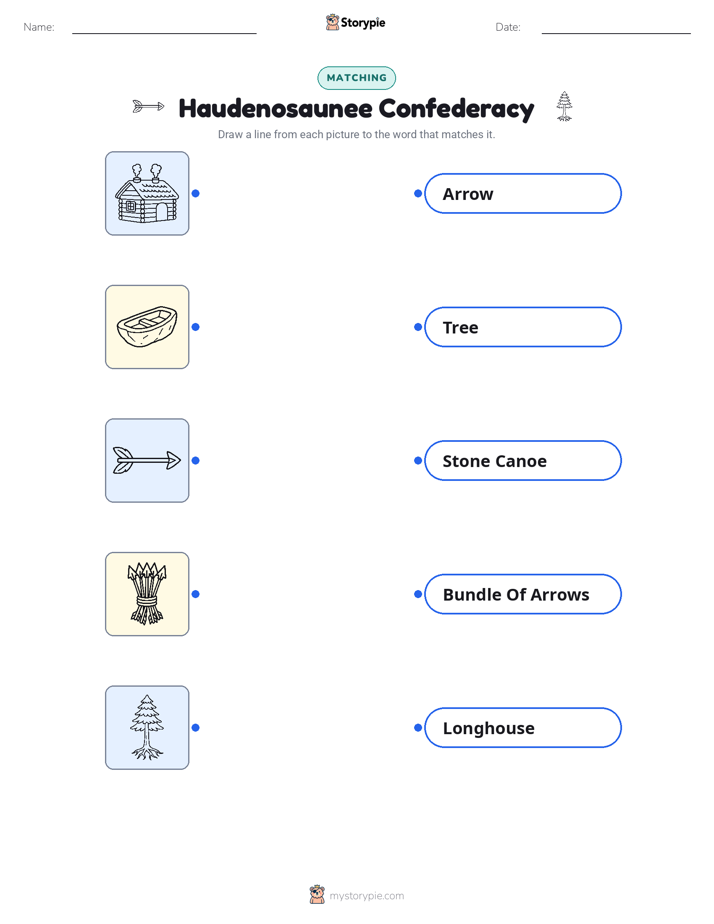
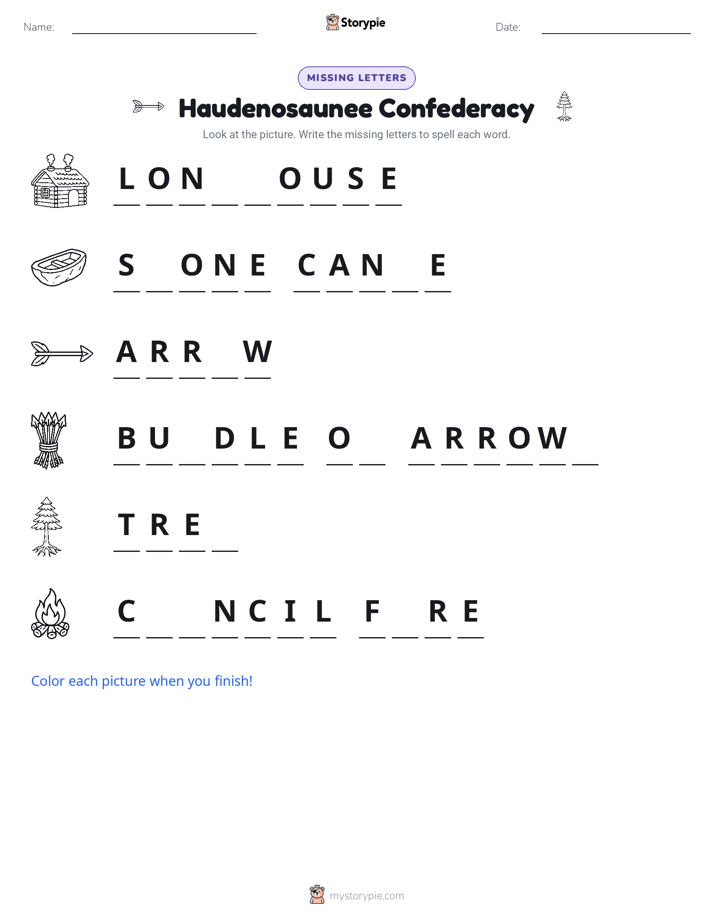
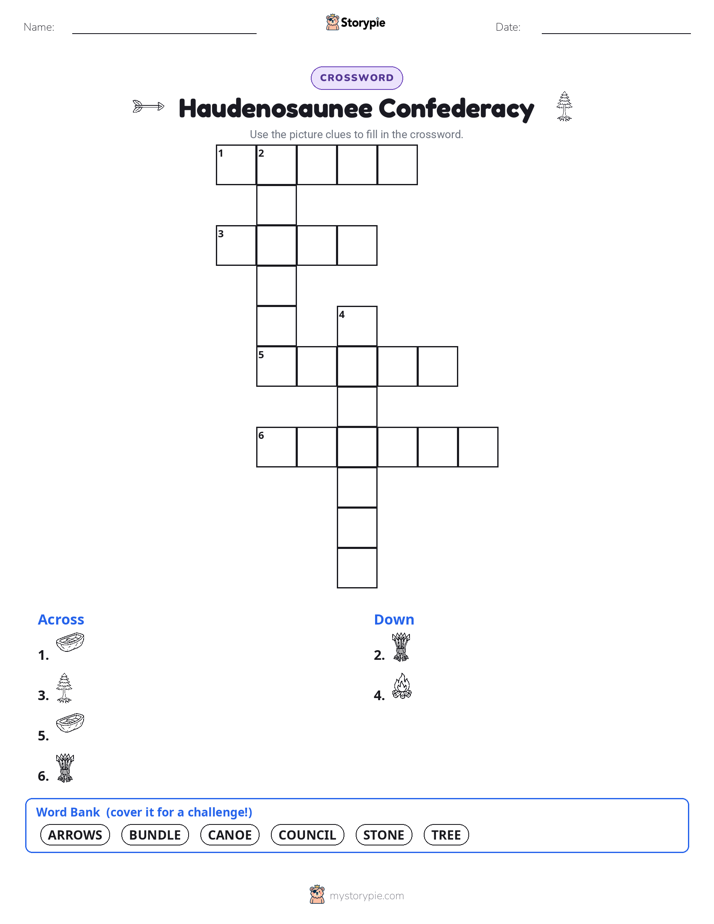
My story truly begins with a journey. Sometime between the 12th and 15th centuries, a man known as the Great Peacemaker traveled in a stone canoe, carrying a powerful message of peace. He saw the endless cycle of war and knew there had to be a better way. He was joined by a great orator named Hiawatha, a man whose own heart was heavy with loss from the constant fighting. Together, they visited the five warring nations: the Mohawk, the Oneida, the Onondaga, the Cayuga, and the Seneca. At first, many were skeptical. One of the most resistant was a powerful Onondaga leader named Tadodaho, who was so twisted by anger that his hair was like a tangle of snakes. But the Great Peacemaker’s message was one of reason and compassion. He showed them how to create a government based on shared principles. He used a powerful symbol: one arrow is easily broken, but five arrows bound together are unbreakable. This represented the strength they would have if they united. Finally, after much council, the five nations agreed. They combed the snakes from Tadodaho's hair and accepted the Great Law of Peace. It was then that I was born: the Haudenosaunee Confederacy.
The House of Peace
Imagine five families, all living near each other, but always fighting. Their world was filled with sadness and fear. Now, imagine someone suggesting they all move into one long, strong house, where they could protect each other, share their food, and make decisions together. That’s a little like what I am. Before I existed, the lands that would one day be called New York were home to nations that were locked in bitter conflict. There was so much grief that it was hard to see a peaceful future. But an idea began to travel on the wind—a whisper of unity, strength, and a peace that could last for generations. I am that idea, made real. I am a promise that even the deepest wounds can be healed when people decide to listen to one another and work together. I am a shelter built not from wood, but from laws and respect, designed to stretch across the land and cover all my people in safety.
My story truly begins with a journey. Sometime between the 12th and 15th centuries, a man known as the Great Peacemaker traveled in a stone canoe, carrying a powerful message of peace. He saw the endless cycle of war and knew there had to be a better way. He was joined by a great orator named Hiawatha, a man whose own heart was heavy with loss from the constant fighting. Together, they visited the five warring nations: the Mohawk, the Oneida, the Onondaga, the Cayuga, and the Seneca. At first, many were skeptical. One of the most resistant was a powerful Onondaga leader named Tadodaho, who was so twisted by anger that his hair was like a tangle of snakes. But the Great Peacemaker’s message was one of reason and compassion. He showed them how to create a government based on shared principles. He used a powerful symbol: one arrow is easily broken, but five arrows bound together are unbreakable. This represented the strength they would have if they united. Finally, after much council, the five nations agreed. They combed the snakes from Tadodaho's hair and accepted the Great Law of Peace. It was then that I was born: the Haudenosaunee Confederacy.
I am guided by a constitution called the Great Law of Peace, or Gayanashagowa. It wasn't written on paper but was passed down through generations in the hearts and minds of my people. The Great Law explains everything: how leaders, or Chiefs, are chosen by the Clan Mothers, how to hold councils, and how every voice, from the youngest to the oldest, should be heard. The leaders of the five nations would meet at the central fire, hosted by the Onondaga, who are the Keepers of the Council Fire. The Mohawk and Seneca are the Keepers of the Eastern and Western Doors of our symbolic longhouse, protecting us from danger. The Oneida and Cayuga are the Younger Brothers. All decisions had to be made by consensus, meaning everyone had to agree. And most importantly, every decision had to be considered for its impact on the faces yet to come—the seventh generation in the future. For a long time, I was made of five nations. But around the year 1722, a sixth nation, the Tuscarora, traveled north to seek my protection and were welcomed. From that day on, I became known as the Six Nations.
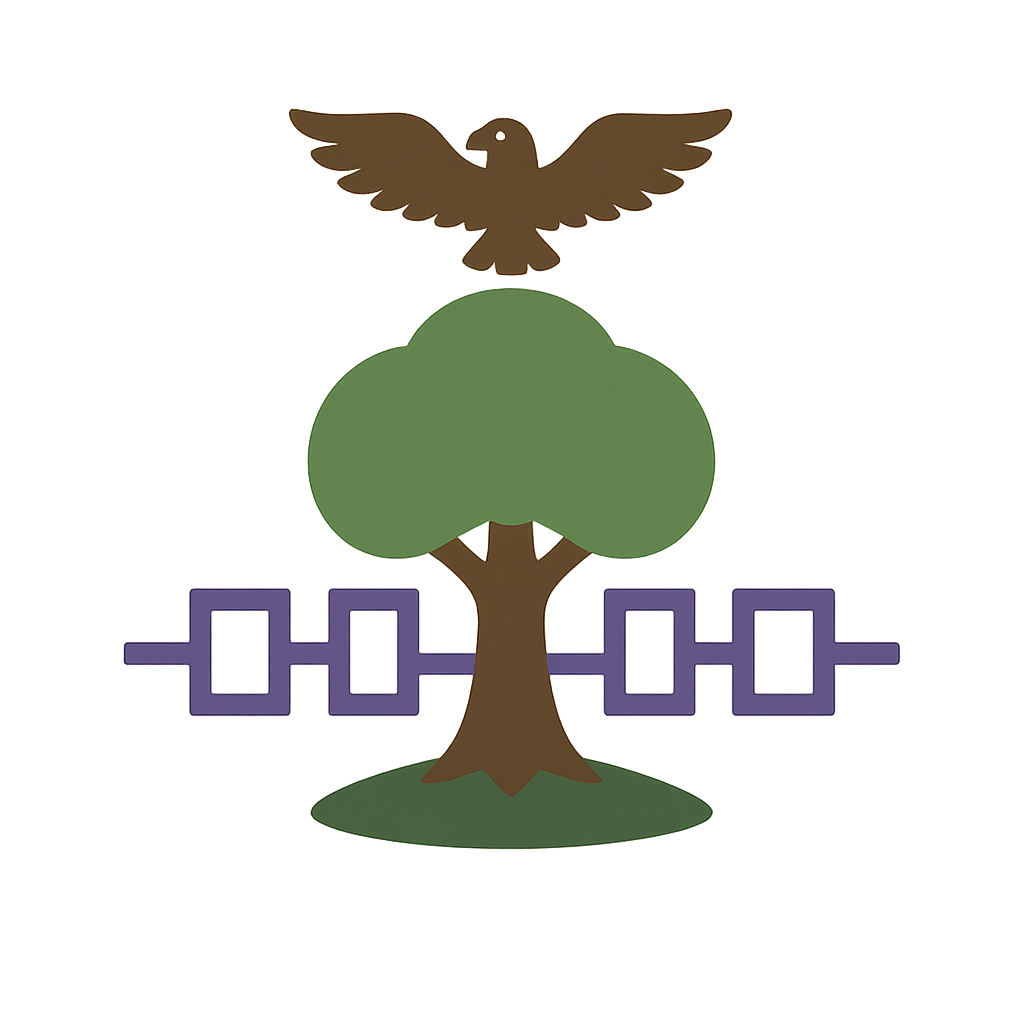
A tree for the whole world. My structure of unity and representative government was so impressive that it was noticed by newcomers to this land. In the 18th century, American colonists like Benjamin Franklin observed my councils and wrote about the wisdom of my design. Some historians believe that my example of separate nations united under one law influenced the creation of the United States Constitution. The symbol of my existence is the Great Tree of Peace, a white pine whose branches shelter all who seek peace and whose roots spread out in all four directions. Today, I am still here. I continue to guide the Haudenosaunee people, a living government that has existed for centuries. My story is a powerful reminder that peace is not just the absence of war, but the result of careful work, mutual respect, and a commitment to thinking about the future. I am proof that when people come together to build a house of peace, it can stand strong for many, many lifetimes.
Wow facts
About
The Haudenosaunee Confederacy, also known as the Iroquois Confederacy, is often described as one of the world's oldest participatory democracies. Its special rules, called the Great Law of Peace, were made in the 12th century. It was originally formed by five Indigenous nations: the Mohawk, Oneida, Onondaga, Cayuga, and Seneca.
Take a Quiz
Question 1 of 5
What is the central message or theme of the story of the Haudenosaunee Confederacy?
Explore next





Want to do even more?
Go beyond exploring. Unlock tools that turn every story into real learning.

Storypie Plus for families
Full stories, quizzes, and printables. Nights and car rides, sorted.
- Unlimited audio stories
- Create Mode: your child stars in the story
- Offline downloads
- Printable worksheets & coloring pages

Why Storypie for Schools
Students engaged. Prep in seconds. Evenings back to you.
- Worksheets & Quizzes
- Classroom Management
- Formative Assessment
- Custom Curriculum & Lesson Plans
- 27 Languages

Why Storypie for Homeschool
Curriculum done. They'll ask for more. Hours back in your day.
- Worksheet Generator
- First-Person Audio Stories
- Built-in Comprehension Quizzes
- Custom Curriculum & Lesson Plans
- Print & Go Activities